Plan and listen to Segovia City with Audiala.
Audio guide in your pocket, itinerary in your browser. Built for the way you actually visit.
Introduction
Segovia, nestled in the heart of Spain’s Castile and León region, is a UNESCO World Heritage city renowned for its seamless blend of ancient history, architectural marvels, and vibrant cultural traditions. With its remarkably preserved Roman Aqueduct, imposing Alcázar, soaring Gothic Cathedral, and lively plazas, Segovia stands as a living testament to Spain’s multicultural past and resilient spirit. This comprehensive guide provides in-depth historical context, details on visiting hours and ticketing, accessibility advice, and expert travel tips to help you make the most of your Segovia experience (UNESCO; Moments Log).

Ancient Origins and Roman Legacy
Segovia’s origins predate Roman times, likely beginning as a Celtiberian settlement. The city’s prominence, however, began with the Romans in the 1st century AD. Their greatest legacy is the Roman Aqueduct, constructed without mortar and stretching over 800 meters with 166 arches. This marvel supplied water from the Frío River, about 17 kilometers away, supporting the city’s growth and prosperity (Moments Log; UNESCO). Today, the aqueduct dominates the Plaza del Azoguejo and remains one of the world’s best-preserved Roman aqueducts (OVPM).
Medieval Flourishing and Urban Development
After the decline of Roman authority and periods of Visigothic and Moorish rule, Segovia’s fortunes were revived following the Christian Reconquest in the 11th century. King Alfonso VI ordered the construction of the city walls in 1088, enclosing the historic core and providing security for a growing, multicultural population (OVPM). The Middle Ages saw Segovia become a hub of commerce and textile production, its urban form characterized by winding medieval streets and vibrant public squares (UNESCO).
Architectural Landmarks
The Roman Aqueduct
The most iconic symbol of Segovia, the Roman Aqueduct, was built in the 1st century AD and features over 20,000 granite blocks, with arches reaching nearly 29 meters in height (Touropia). Its impeccable preservation and central location make it a must-see for visitors.
- Visiting Hours: Open-air, accessible 24/7, free of charge.
Alcázar of Segovia
Perched above the city at the confluence of the Eresma and Clamores rivers, the Alcázar is a 12th-century fortress transformed into a royal residence. Its fairy-tale silhouette inspired Disney’s Cinderella Castle (Wanderlust Photos Blog). The Alcázar is renowned for its ornate halls, panoramic towers, and pivotal role in Spanish history, notably as the site where Queen Isabella I was proclaimed queen in 1474 (The Tour Guy).
- Opening Hours: 10:00 AM to 6:30 PM (longer in summer).
- Tickets: Approx. €9–€10, with discounts for students and seniors; purchase online or on-site.
Segovia Cathedral
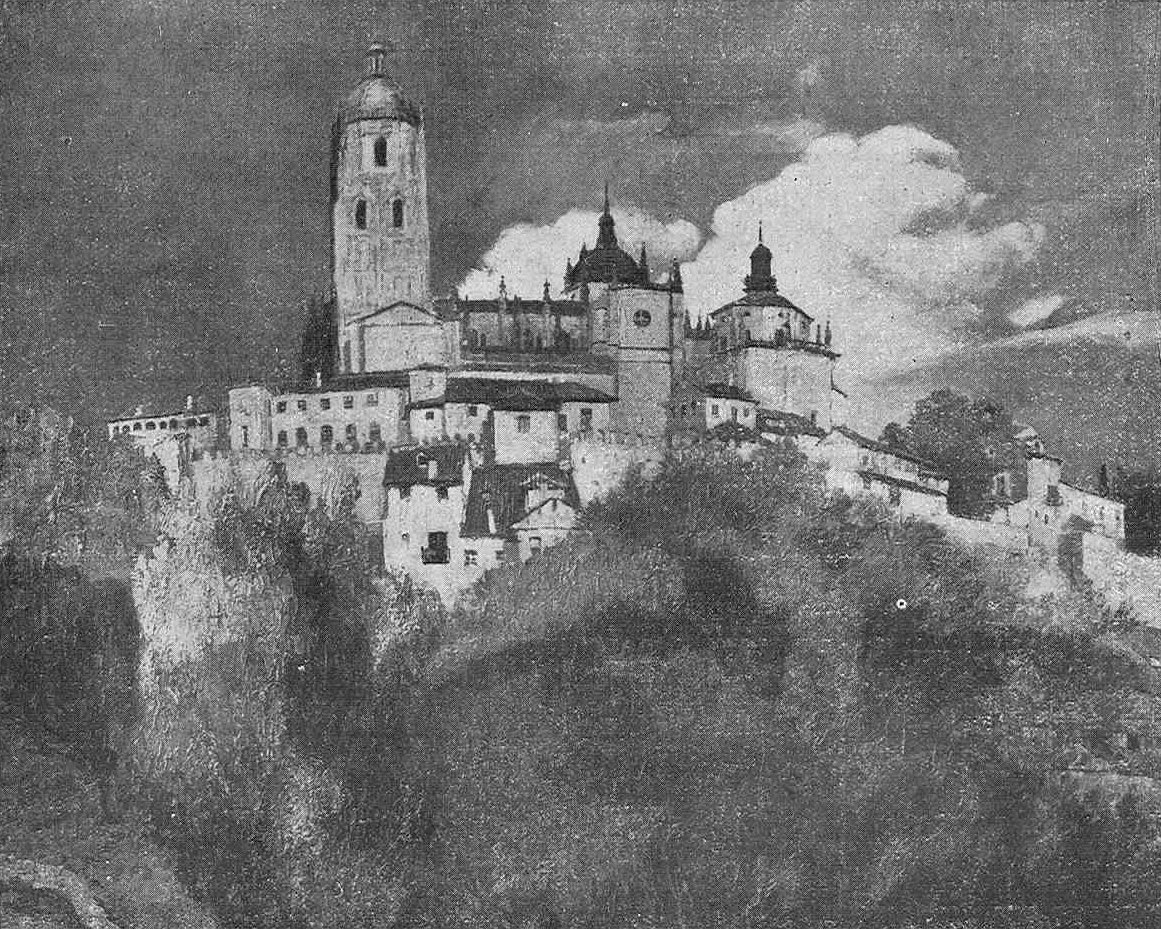
Located in Plaza Mayor, the Cathedral of Santa María de Segovia was built between 1525 and 1577, making it the last Gothic cathedral constructed in Spain. Its luminous stained glass, impressive vaults, and Renaissance details define Segovia’s skyline (Explorial).
- Opening Hours: 9:30 AM – 7:00 PM (check for seasonal variations).
- Tickets: Around €3; additional fee for tower access.
Romanesque, Mudéjar, and Other Styles
Segovia’s urban landscape features notable Romanesque churches (San Esteban, San Millán), Mudéjar details blending Christian and Islamic influences, and palaces with ochre façades (OVPM).
Segovia in Spanish Monarchy and National History
Segovia’s strategic location made it a royal stronghold, favored by Castilian monarchs. The city’s textile industry brought wealth and influence during the late Middle Ages. The Alcázar’s role in the proclamation of Queen Isabella I marked a turning point in Spanish history (The Tour Guy).
Urban Morphology and Preservation
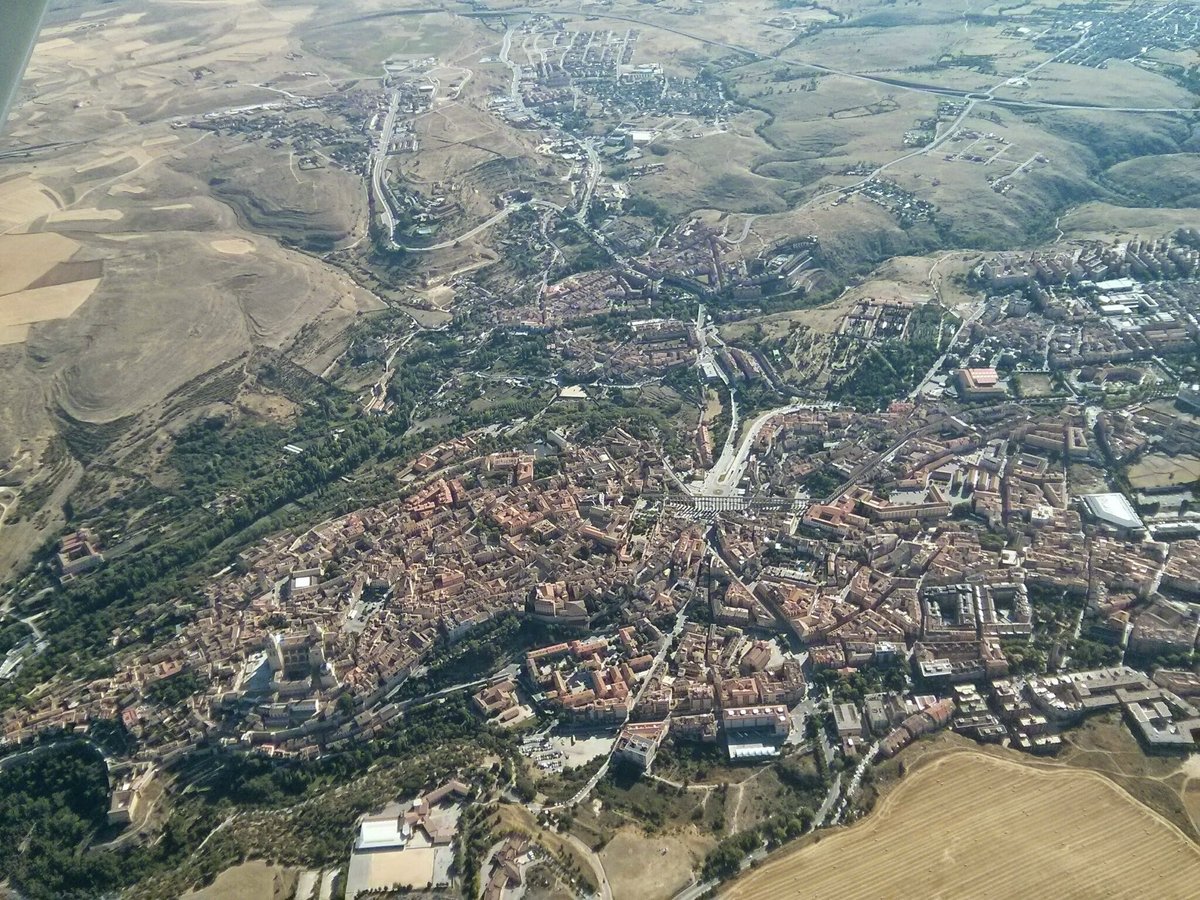
Segovia’s historic center is defined by its medieval street grid, intact city walls, and monumental plazas such as Plaza Mayor (Explorial). Conservation efforts, including the 2019 Special Plan for Historic Areas of Segovia (PEAHIS) and the Smart Digital Segovia project, reflect the city’s commitment to preserving its heritage (Springer Link).
Practical Visitor Information
Visiting Hours and Tickets
- Roman Aqueduct: Open-air, accessible at all times, free.
- Alcázar of Segovia: 10:00 AM – 6:30 PM (extended in summer); tickets €9–€10.
- Segovia Cathedral: 9:30 AM – 7:00 PM; tickets approx. €3.
- Other sites: Check individual museum websites for hours and prices.
Accessibility
Cobblestone streets may pose challenges, but major sites offer ramps and elevators where possible. Plan ahead if you have mobility needs.
Travel Tips
- Best Time to Visit: Spring and early autumn for mild weather and smaller crowds.
- Getting There: Segovia is accessible by train or bus from Madrid (about 1 hour).
- Photography: The Plaza del Azoguejo and Alcázar terraces offer prime photo opportunities.
Nearby Attractions and Events
- Jewish Quarter: Historic synagogues and museums.
- Royal Palace of La Granja de San Ildefonso: Baroque palace and gardens nearby.
- Annual Festivals: Medieval Market in September, Titirimundi Puppet Festival, Semana Santa processions.
Cultural Diversity and Community Life
Segovia’s social fabric has been shaped by centuries of coexistence among Romans, Visigoths, Moors, Jews, and Christians. The Jewish Quarter (Judería) and architectural syncretism exemplify this multicultural heritage (Longwood City Blog; Go Ask a Local).
Gastronomy and Dining Near Historical Sites
Segovia’s culinary scene is rooted in Castilian tradition, with robust flavors and seasonal specialties.
Signature Dishes
- Cochinillo Asado (Roast Suckling Pig): The city’s iconic dish, served at historic restaurants like Mesón de Cándido (Madrid Traveling; Spain.info).
- Lechazo Asado (Roast Lamb): Tender, simply prepared lamb.
- Judiones de La Granja: Hearty bean stew with chorizo.
- Ponche Segoviano: Layered sponge cake with marzipan and custard.
Dining Recommendations
- Mesón de Cándido: At the foot of the Aqueduct, famous for cochinillo (Spain.info).
- Restaurante José María: Classic Segovian fare near Plaza Mayor.
- Restaurante El Bernardino: Panoramic views near the Alcázar.
- Tapas Bars: Around the Cathedral and Plaza Mayor, offering complimentary tapas with drinks.
Practical Tips
- Reservations: Recommended for cochinillo restaurants, especially weekends/holidays.
- Dining Hours: Lunch 1:30 pm–4:00 pm; dinner 8:30 pm–11:00 pm.
Seasonal Foods and Culinary Experiences
Holy Week features torrijas; autumn brings game and mushrooms. Food tours and cooking classes provide immersive experiences (The Tour Guy).
Festivals and Living Traditions
Segovia is alive with festivals, from the Fiestas de San Andrés (November) to the international Titirimundi Puppet Festival and Semana Santa (Adventure Backpack; Nomads Travel Guide).
Museums and Cultural Institutions
- Museo de Segovia: Archaeology and art from Roman times onward (Tourist Checklist).
- Casa-Museo de Antonio Machado: Literary history.
- Esteban Vicente Museum: Contemporary art.
Visitor FAQs
Q: What are the visiting hours for the Roman Aqueduct?
A: Accessible 24/7, free.
Q: How can I buy tickets for the Alcázar?
A: Online via the official website or at the entrance.
Q: Are guided tours available?
A: Yes, for the Alcázar, Cathedral, Jewish Quarter, and old town (English available).
Q: Is Segovia accessible?
A: Main sites are accessible, but some cobbled streets may pose challenges.
Q: When is the best time to visit?
A: Spring and early autumn for pleasant weather and fewer crowds.
Summary and Recommendations
Segovia captivates with its blend of Roman engineering, medieval fortifications, Renaissance artistry, and lively cultural traditions. Iconic sites like the Aqueduct, Alcázar, and Cathedral offer a journey through Spain’s layered history, while vibrant festivals and acclaimed gastronomy ensure a memorable experience for every visitor. With well-preserved monuments, detailed visitor information, and a welcoming community, Segovia stands as an essential destination for history lovers and travelers alike (Wanderlust Photos Blog; Explorial).
Plan your trip with this guide, download the Audiala app for the latest updates, and immerse yourself in the timeless charm of Segovia.
Tickets & tours.
These are guided options from our partners — same price as booking direct.
Prices are indicative — final pricing and availability are confirmed at checkout. Audiala may earn a commission from bookings made through these links.
Listen to the full story in the app
The whole Segovia City,
told well.
Listen to sourced travel stories with local history and practical context — ready offline.
Verified, and shown.
Researched and written by the Audiala editorial team from historical records, architectural archives, and local expertise.
Built from cited sources · see the method · How we make our guides →