Plan and listen to Puerta De San Cebrián, Segovia with Audiala.
Audio guide in your pocket, itinerary in your browser. Built for the way you actually visit.
Introduction: Discovering Puerta de San Cebrián
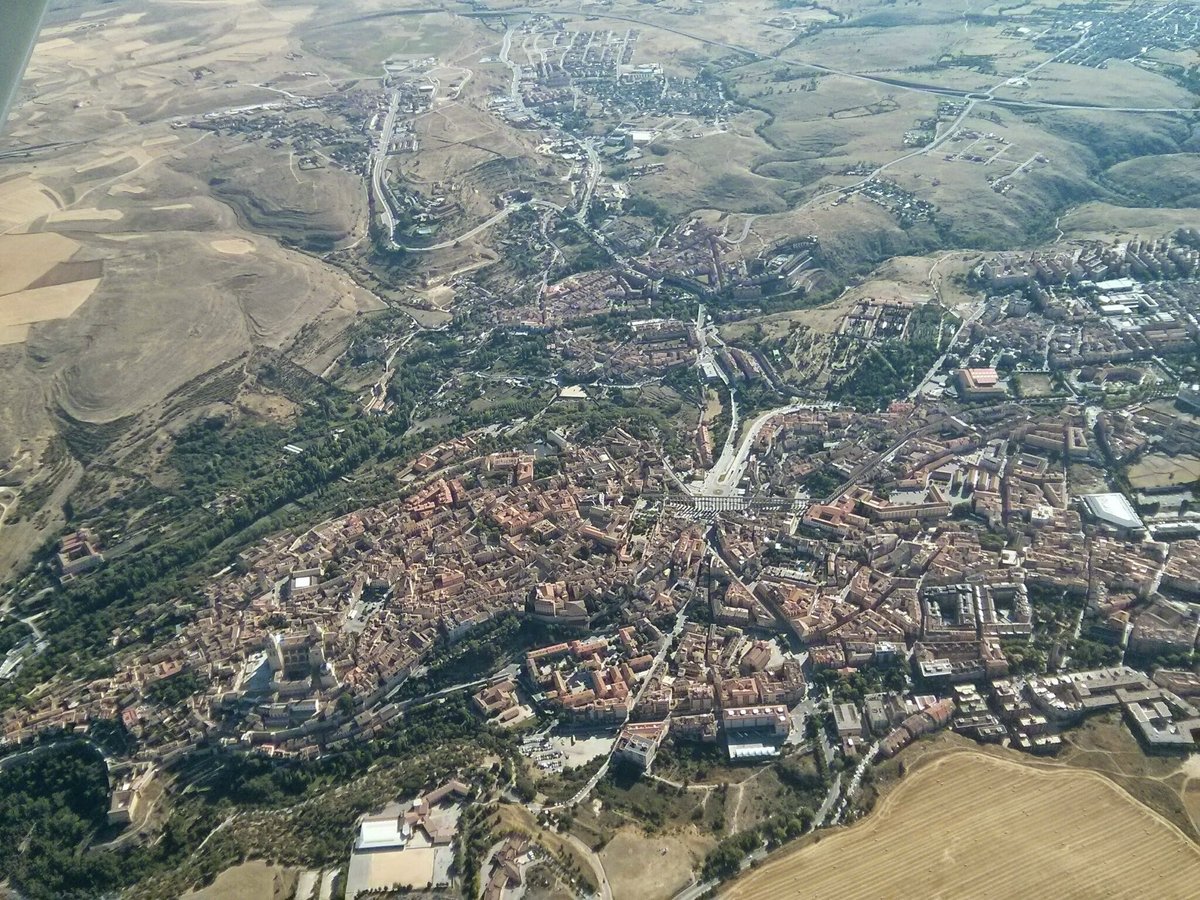
On the northern edge of Segovia’s storied walled city stands Puerta de San Cebrián, a quietly majestic remnant of medieval Spain. This historic city gate, constructed from local granite and limestone, invites visitors to step back in time and experience the enduring legacy of Segovia’s military, civic, and religious traditions. While overshadowed by the city’s more famous Roman Aqueduct and Alcázar, Puerta de San Cebrián offers a tranquil vantage point over the Eresma Valley and a unique glimpse into the city’s evolution from the Christian Reconquest through the modern era.
This guide provides all you need to make the most of your visit: historical context, architectural highlights, current visiting hours, ticket information, accessibility tips, nearby attractions, and practical advice for an enriching Segovia experience. (turismodesegovia.com, Segovia Tourism, Earth Trekkers)

Historical Background and Evolution
Origins and Early Development
Segovia’s defensive walls, including Puerta de San Cebrián, have their roots in the late Roman period, but the current structure largely dates from the 11th century Christian reconquest under King Alfonso VI. The city’s dramatic position atop a rocky promontory between the Eresma and Clamores rivers made it a natural stronghold, its walls a bulwark against external threats and a symbol of Christian authority. (turismodesegovia.com)
Medieval and Later Uses
Originally, Puerta de San Cebrián connected Segovia’s fortified core with rural districts and religious sites, such as the now-lost Church of San Cebrián and the Dominican Convent of Santa Cruz. The gate functioned as a checkpoint for commerce and travelers, collecting tolls and monitoring movement between city and countryside. Over time, as the threat of invasion waned, its role shifted to a more symbolic threshold between urban and rural life. (Segovia Tourism)
Decline and Restoration
Though some Segovian gates were demolished in the 19th century, Puerta de San Cebrián survived. Restoration and conservation efforts—especially following Segovia’s UNESCO World Heritage designation—have stabilized the structure, preserving its masonry and integrating it into Segovia’s celebrated urban landscape. (Segovia Heritage, UNESCO World Heritage)
Architectural Features
Structure and Masonry
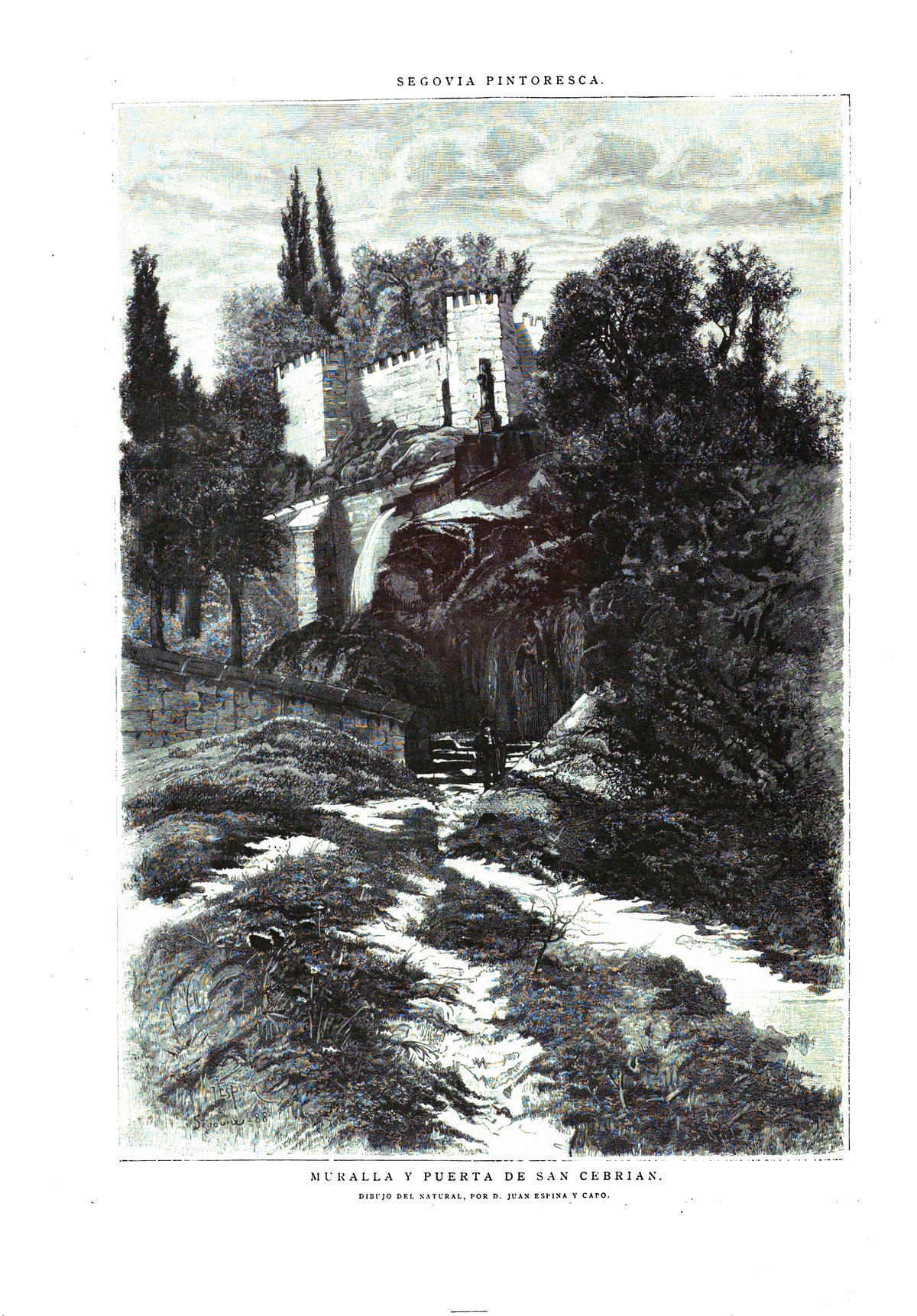
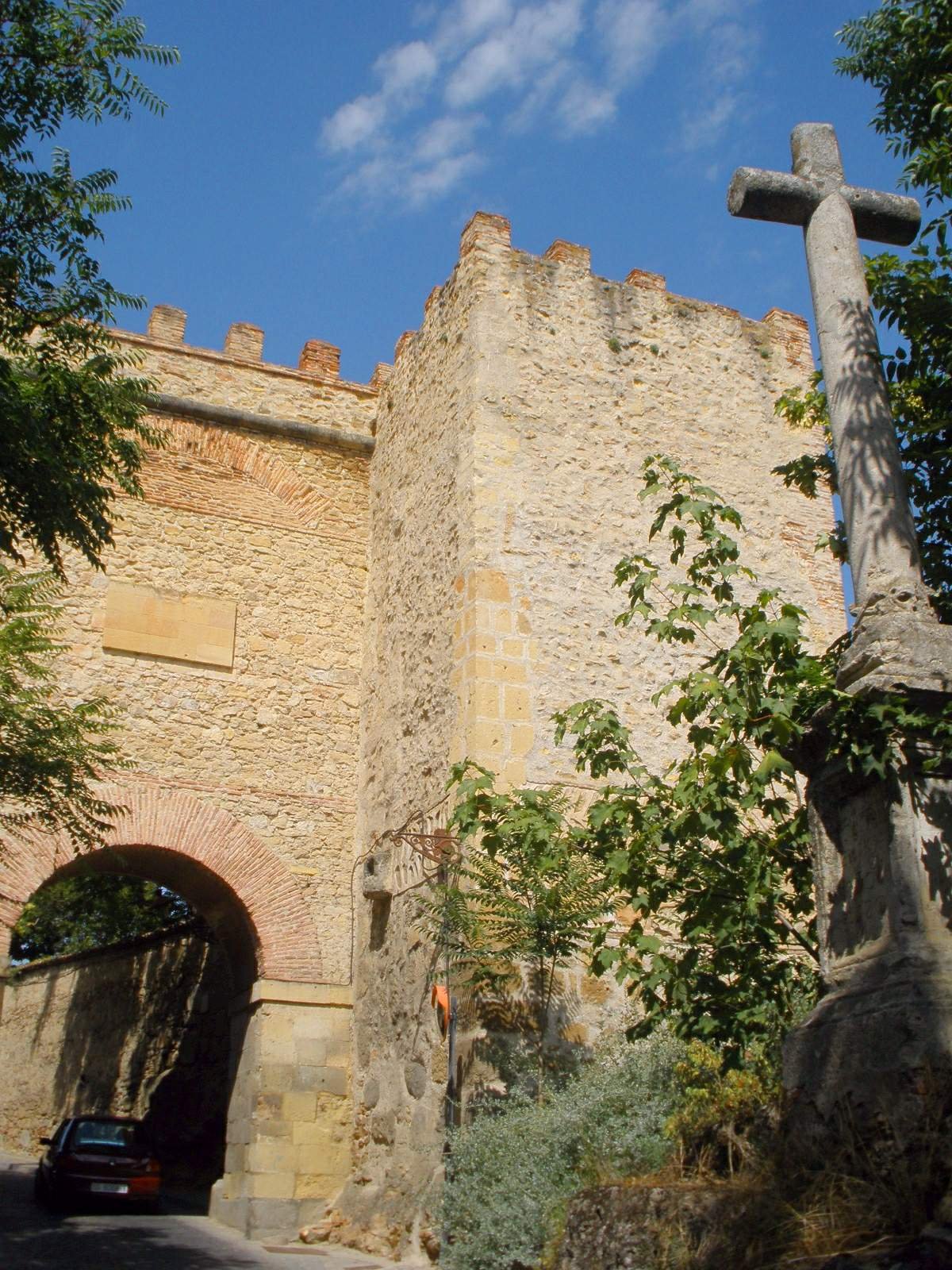
Puerta de San Cebrián exemplifies the robust, utilitarian style of Segovia’s medieval fortifications. Built from local granite and limestone, the gate is characterized by a semicircular Romanesque arch, thick battered walls, and the remains of defensive elements such as arrow slits and portcullis grooves. Its stonework is largely unadorned, emphasizing function over ornamentation, though weathered heraldic shields and a symbolic stone cross (added in 1580) hint at its civic and religious significance. (Urbipedia, El Adelantado)
Integration with the City Walls
The gate is fully integrated into Segovia’s 3-kilometer-long city wall, which originally featured more than 80 towers and several major gates. Today, only three survive, with San Cebrián standing as the quintessential example of military austerity and resilience. (Earth Trekkers)
Cultural and Urban Context
Strategic and Social Role
Puerta de San Cebrián’s location made it a vital point of access for trade, communication, and religious processions. It linked the old city to the San Lorenzo neighborhood and was associated with the influential Dominican Convent of Santa Cruz, a hub of religious and political activity during the reign of Queen Isabella I. (Segoguiados)
In Art and Literature
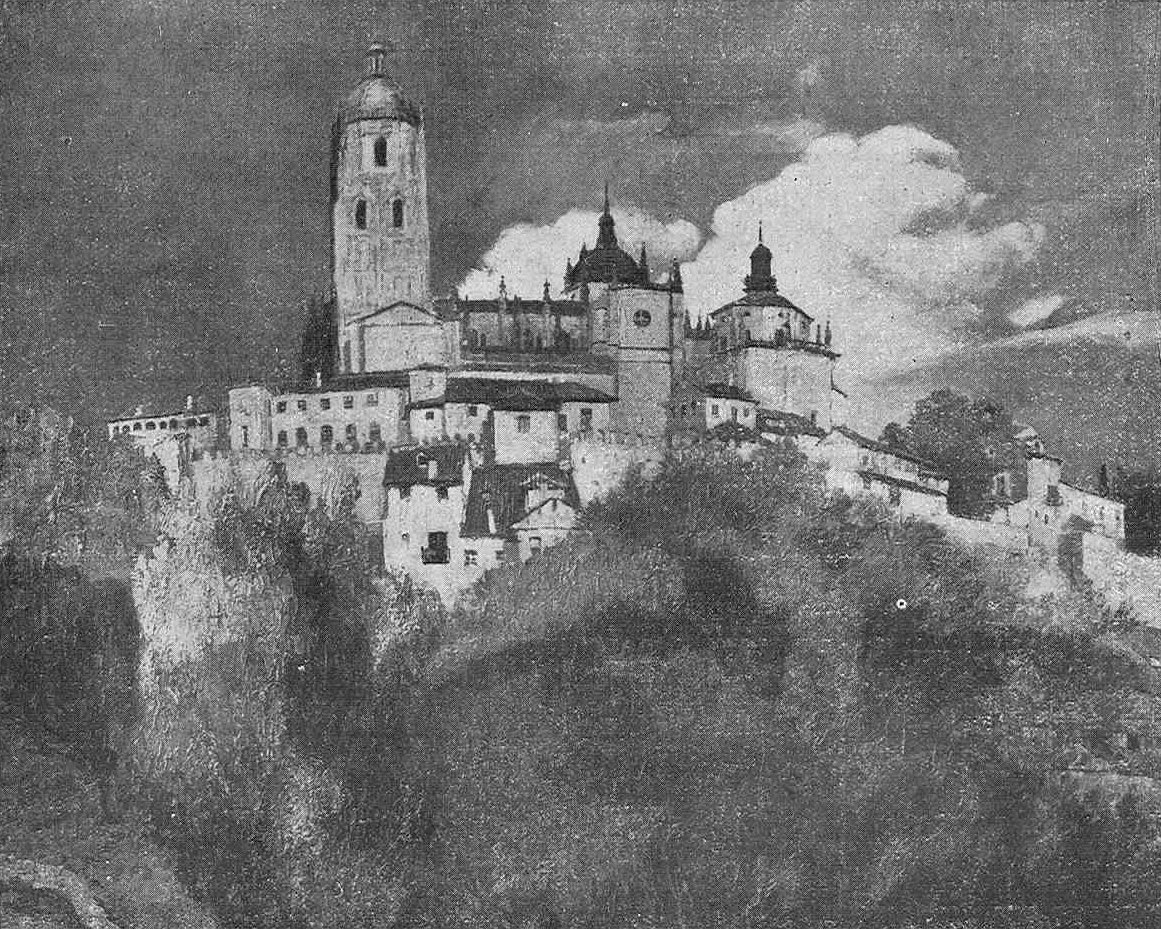
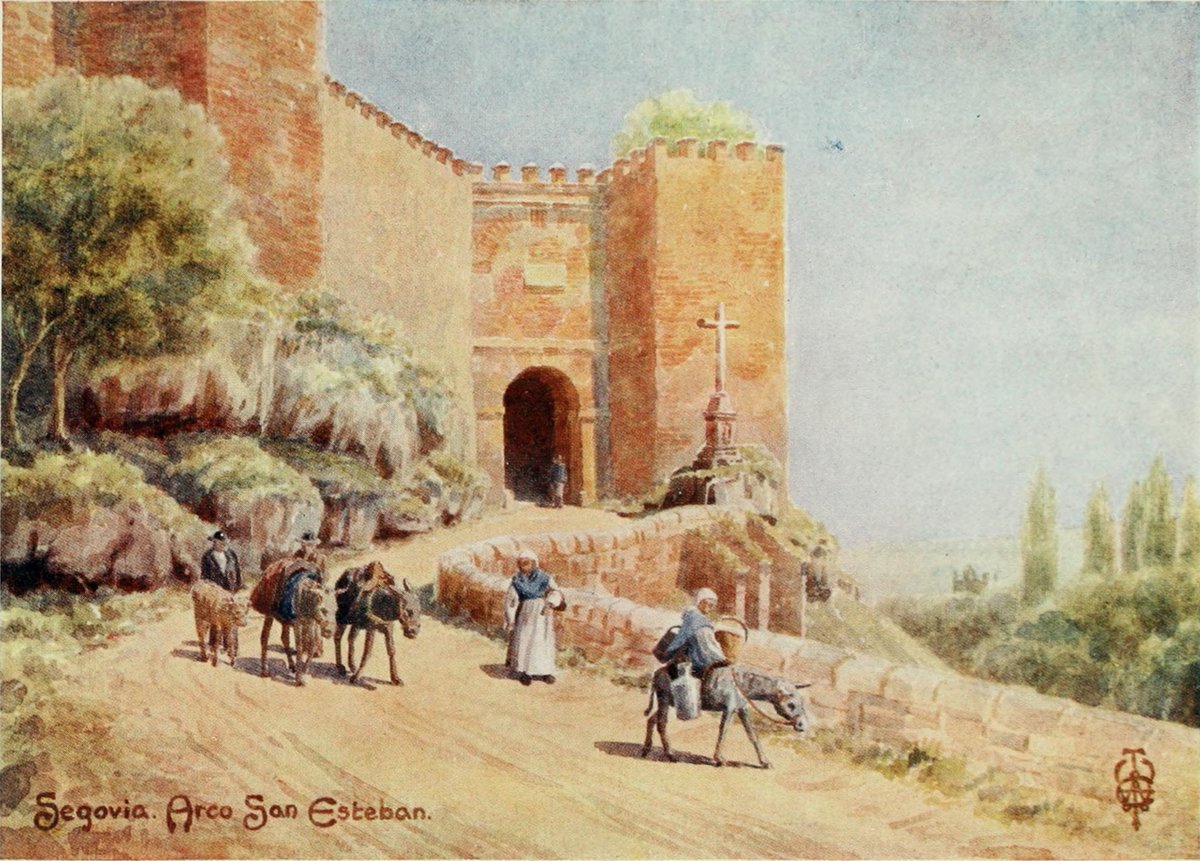
The gate’s understated beauty, set amid greenery and panoramic vistas, has inspired countless artists and writers. Its image recurs in watercolors, drawings, and poems, celebrated for its evocative blend of stone, landscape, and history. (El Adelantado)
Visitor Information: Hours, Tickets, and Accessibility
Visiting Hours
- Gate Access: Open and accessible year-round, with no set hours—best visited during daylight for safety and optimal views.
- Wall Walk: The public can access the wall nearby for a small fee. Typical hours are Monday to Friday 11:00–14:00, weekends 11:00–15:00. Hours may vary seasonally; confirm locally before visiting. (A Ticket to Take Off)
Tickets and Entry
- Gate: Free, open-access monument.
- Wall Walk: Approx. €1; tickets at the Tourist Information Point.
Accessibility
The approach to the gate features cobbled streets and uneven terrain, which may be challenging for wheelchair users or those with reduced mobility. The adjacent Miguel Delibes Garden offers rest areas and panoramic views. (Earth Trekkers)
Guided Tours
While there are no tours dedicated solely to Puerta de San Cebrián, many city wall tours and broader Segovia historical walks include it as a featured stop. Self-guided tour apps such as GPSmyCity are also useful. (GPSmyCity)
Practical Travel Tips
- Footwear: Wear comfortable shoes for walking cobbled, sometimes steep streets.
- Best Time to Visit: Early morning or late afternoon for beautiful light and fewer crowds.
- Amenities: Limited near the gate; bring water and snacks. Benches and shade available in the adjacent garden.
- Photography: Ideal lighting at sunrise or sunset; look for angles that capture the gate, wall, and valley.
- Respect the Site: Avoid climbing walls or gate structures; help conserve this historic monument.
Integrating Puerta de San Cebrián into Your Itinerary
Suggested Walking Tour
- Aqueduct of Segovia: Start at the iconic Roman aqueduct.
- Old Town: Wander historic streets, passing Casa de los Picos and Plaza Mayor.
- Cathedral: Visit Spain’s last Gothic cathedral.
- Puerta de San Cebrián: Experience medieval fortifications and tranquil gardens.
- City Wall Walk: Ascend for panoramic views if open.
- Alcázar: Finish at Segovia’s fairy-tale fortress.
Thematic Exploration
- Combine with other gates (San Andrés, Arco de la Fuencisla) for a medieval defenses walk.
- Explore the Jewish Quarter for multicultural history.
- Visit nearby museums (Casa del Sol) and churches (San Esteban).
FAQs
Q: What are the visiting hours for Puerta de San Cebrián?
A: The gate is accessible at all times; the wall walk has set hours (typically Mon–Fri 11:00–14:00, weekends 11:00–15:00, subject to change).
Q: Is there an entrance fee?
A: The gate is free to visit; the wall walk costs around €1.
Q: Are guided tours available?
A: Yes, as part of broader city wall or Segovia historical site tours.
Q: Is the site wheelchair accessible?
A: The approach is cobbled and can be steep; accessibility is limited.
Q: How do I get there from Segovia’s city center?
A: A 10–20 minute walk from the old town; taxis or buses serve the area from the train station.
Nearby Attractions
- Casa del Sol – Museum of Segovia: Archaeology and art exhibits.
- Church of San Esteban: Noted for its Romanesque rose window.
- Miguel Delibes Garden: Panoramic views and rest areas.
- Dining: Traditional Castilian cuisine is nearby, especially around Plaza Mayor.
Safety and Etiquette
- Respect the monument: Do not climb on the gate or walls.
- Keep the area clean: Use trash bins provided.
- Maintain tranquility: The area’s calm is part of its appeal.
Final Thoughts and Travel Advice
Puerta de San Cebrián is a quietly remarkable jewel in Segovia’s crown—its unpretentious stonework and tranquil setting encapsulate the spirit of medieval Castile. Freely accessible and nestled in a picturesque corner of the city, it rewards those who seek lesser-known, authentic experiences. Plan your visit with comfortable shoes, a camera for golden-hour shots, and a willingness to explore Segovia beyond its most famous icons. Guided tours and self-guided apps like Audiala can deepen your appreciation for this and other hidden gems.
For more, consult official sources and travel guides listed below. Download the Audiala app for maps, tours, and event updates. Share your visit on social media with #SegoviaHiddenGem and help preserve the gate’s quiet magic for future generations.
Listen to the full story in the app
The whole Puerta De San Cebrián, Segovia,
told well.
Listen to sourced travel stories with local history and practical context — ready offline.
Verified, and shown.
Researched and written by the Audiala editorial team from historical records, architectural archives, and local expertise.
Built from cited sources · see the method · How we make our guides →