Plan and listen to Palacio Azpiroz with Audiala.
Audio guide in your pocket, itinerary in your browser. Built for the way you actually visit.
Introduction
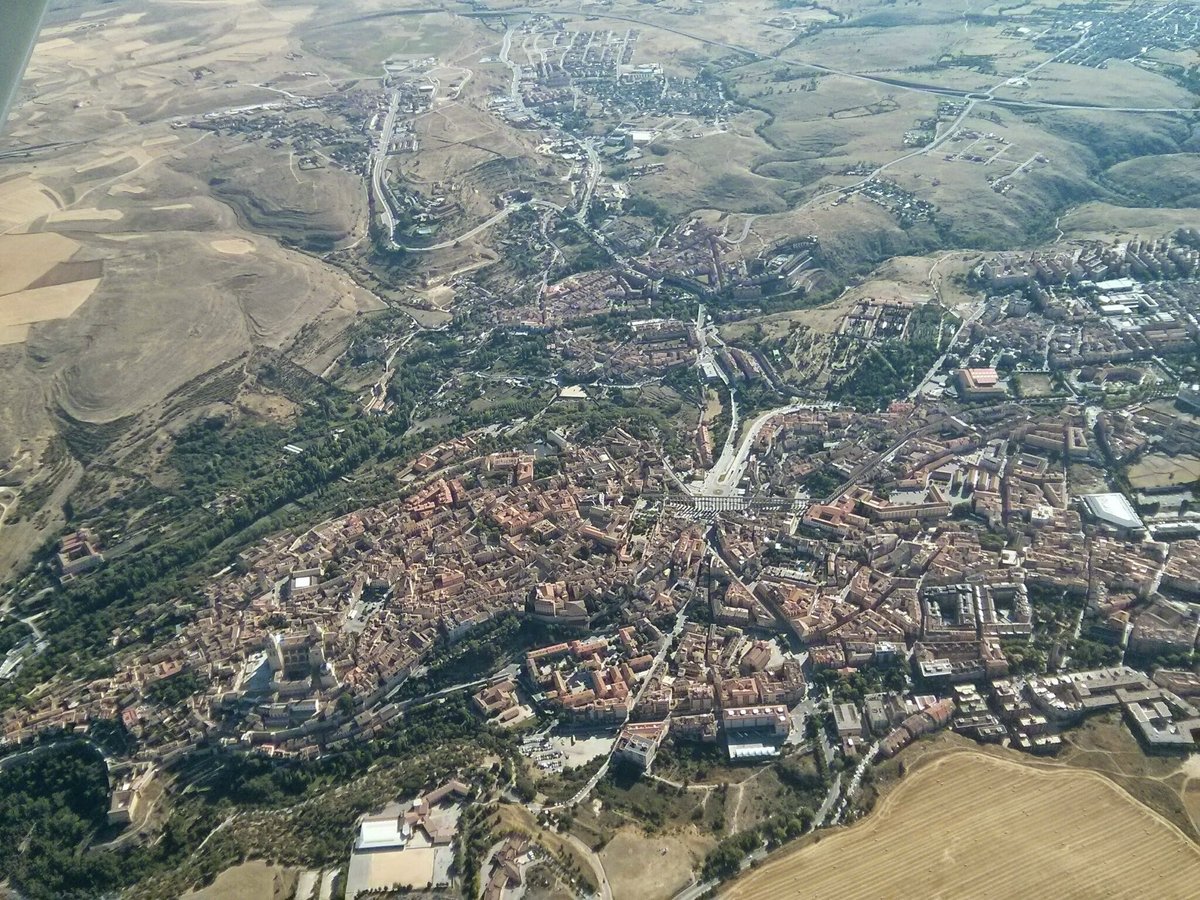
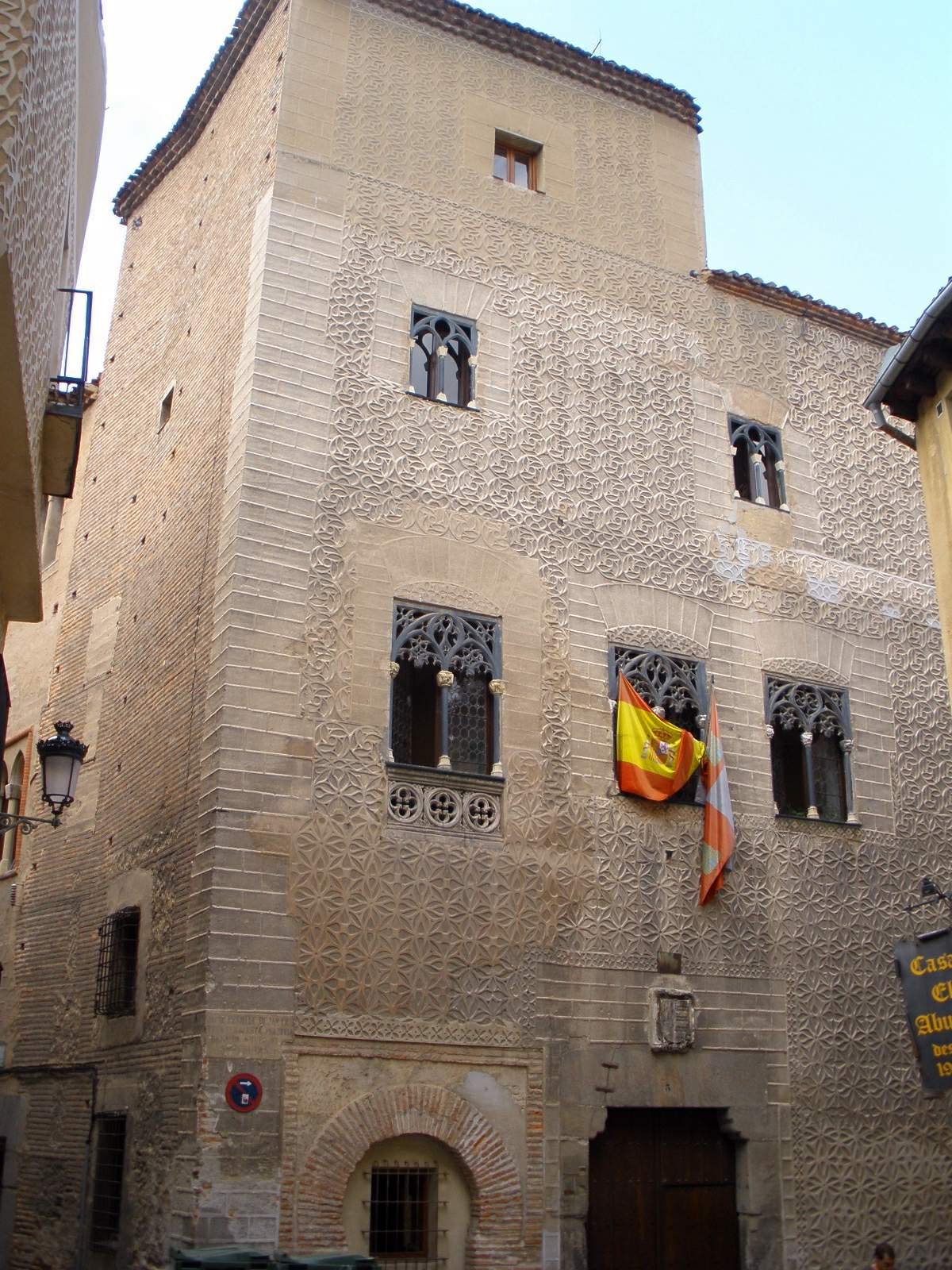
Palacio Azpiroz, also known as Palacio del Conde de Alpuente or Palacio de Cascales, is an understated gem in the heart of Segovia’s UNESCO World Heritage historic center. While often overshadowed by landmarks such as the Roman Aqueduct and the Alcázar, Palacio Azpiroz offers a fascinating glimpse into Segovia’s noble past, blending Mudéjar, Gothic, and early Renaissance architectural elements. Its rich history, unique artistic features, and strategic location make it an essential stop for anyone eager to understand the multicultural legacy of Segovia.
This detailed guide covers everything you need to know: Palacio Azpiroz visiting hours, ticketing, accessibility, travel tips, architectural highlights, and its integration with nearby attractions. Whether you’re a history enthusiast, architecture lover, or curious traveler, this article will help you plan a meaningful visit to one of Segovia’s most captivating historical sites (itinerartis.com, rutasconhistoria.es, worldheritagesite.org).

Origins and Context
Palacio Azpiroz was built during Segovia’s economic and cultural peak between the 15th and 17th centuries, at a time when the city’s wool and textile trade fueled the rise of a prosperous urban nobility (itinerartis.com). The palace stands as a testament to the influence and wealth of families like the Azpiroz, whose residence was both an emblem of status and a venue for social and political engagement (en.wikipedia.org).
Architectural Features
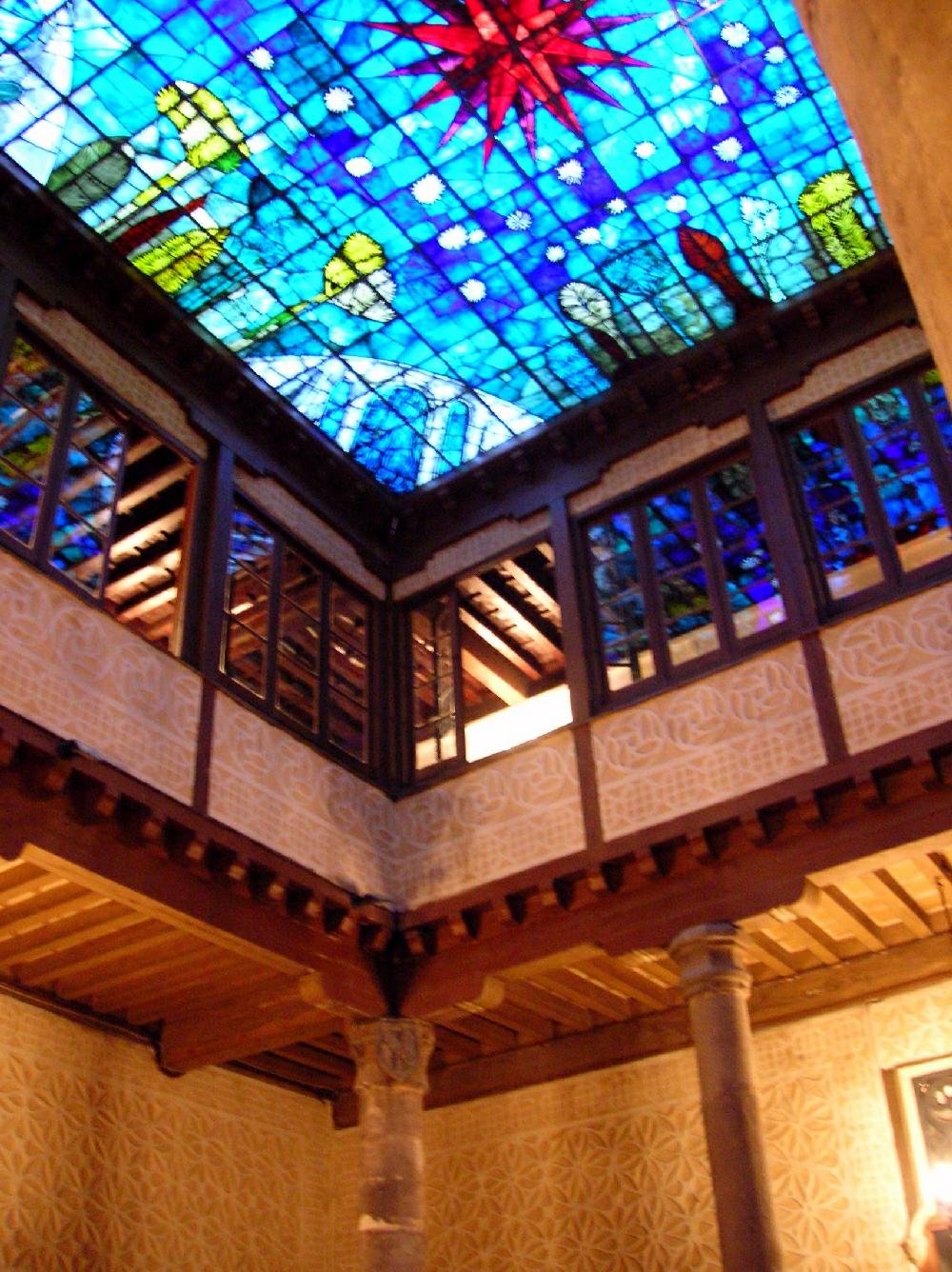
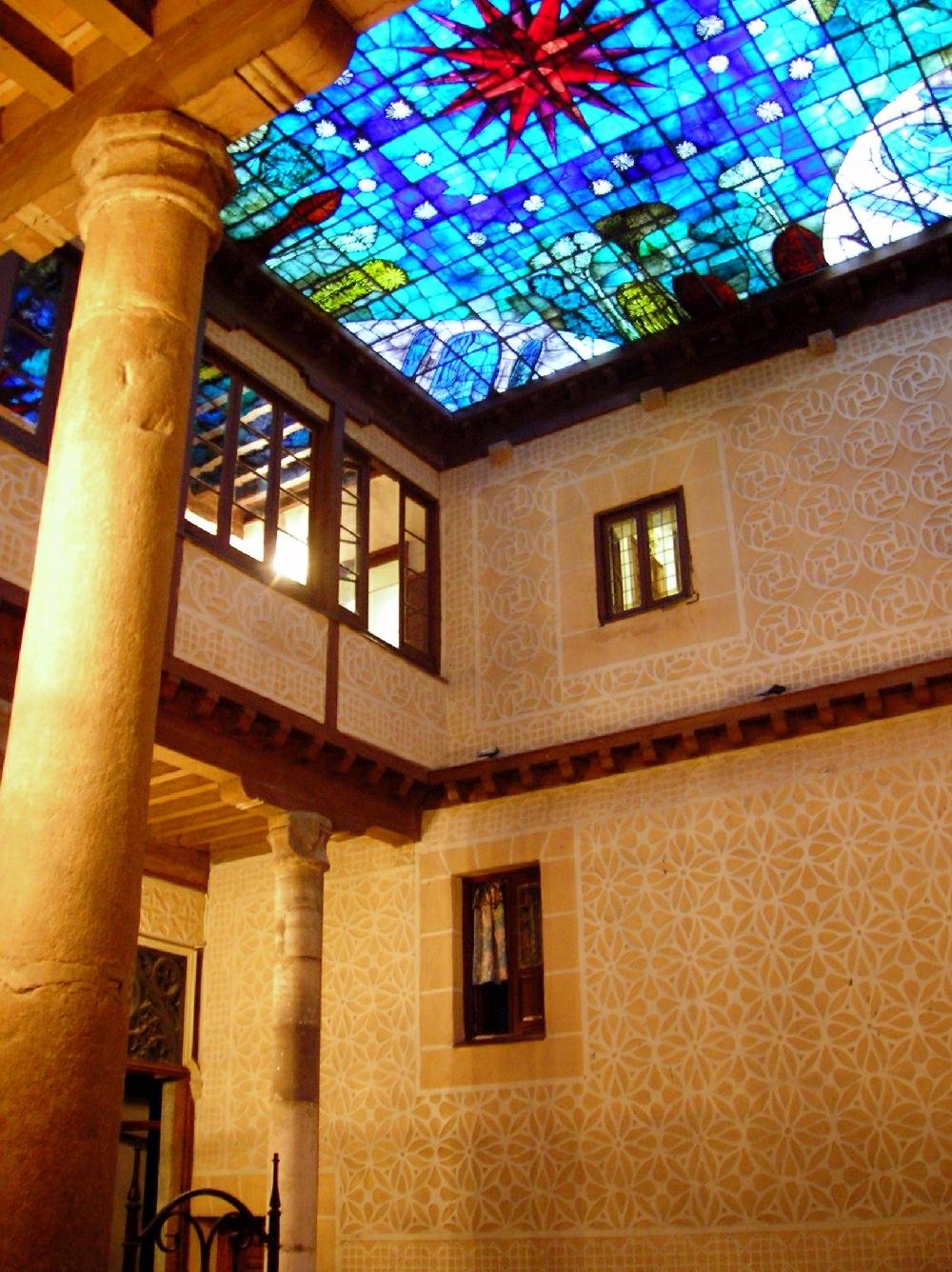
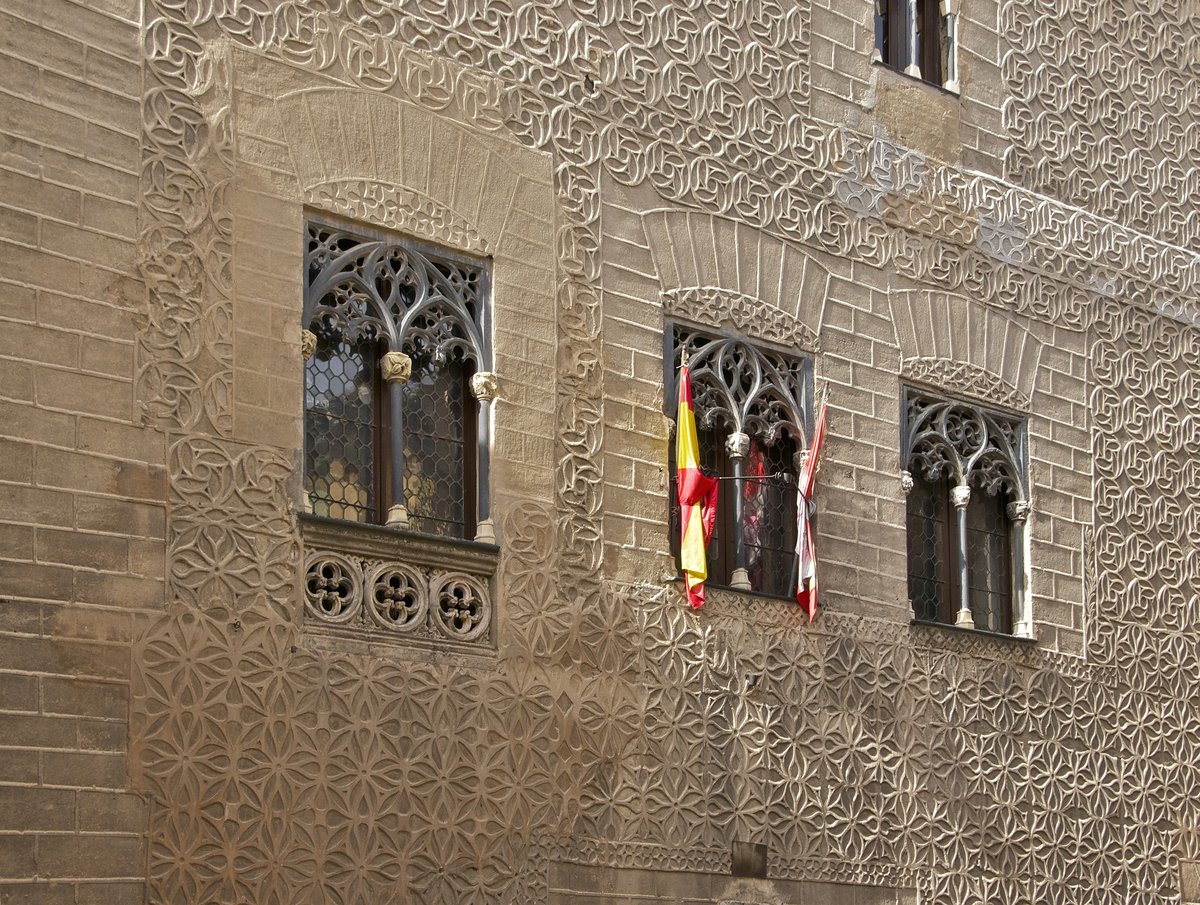
The palace is renowned for its Mudéjar style, evident in its esgrafiado segoviano—a decorative plasterwork technique combining geometric and vegetal motifs, rooted in Islamic artistic influence (rutasconhistoria.es). Other highlights include:
- Fortified stone facades
- Intricate ironwork and carved wooden ceilings (artesonados)
- Courtyards with Renaissance columns and slate windows
- A unique historic sign warning against parking carriages—a remnant of early urban regulations
The palace’s architecture reflects the coexistence of Christian, Jewish, and Muslim communities, blending Mudéjar, Gothic, and Renaissance styles. Its location near Segovia’s former Jewish quarter and significant city gates underlines its multicultural significance (worldheritagesite.org).
Role in Segovia’s Urban and Social Development
Palacio Azpiroz symbolizes the growing influence of Segovia’s noble families during its golden age. Noble residences like this not only displayed wealth but also played a role in governance, commerce, and culture. The palace’s proximity to commercial and religious landmarks, such as Casa de los Picos and Iglesia de San Martín, highlights its owners’ prominence (thetourguy.com).
Visiting Palacio Azpiroz: Hours, Tickets, and Accessibility
Visiting Hours
Palacio Azpiroz is not regularly open as a museum but can be accessed during special guided tours and cultural events. Visiting hours are typically announced in advance; always check the official Segovia tourism website or local visitor centers for current schedules.
Tickets and Entry
There is no standard ticketing system due to the palace’s administrative use. Tickets, if required for special events or tours, can be booked through local tour operators or Segovia’s cultural offices.
Accessibility
Due to its historic structure and the narrow medieval streets surrounding it, accessibility for visitors with mobility challenges is limited. Some public areas may be reached via ramps or elevators during events, but advance inquiry is recommended for specific needs.
Travel Tips and Getting There
- Best Time to Visit: Spring and early autumn offer mild weather and fewer crowds. Local festivals often coincide with special palace openings.
- Guided Tours: Enhance your visit with a guided walking tour that includes Palacio Azpiroz and nearby landmarks for deeper historical context.
- Photography: The palace’s exterior and the surrounding historic streets are ideal for photography in the soft morning or evening light.
- Getting There: Located in Plaza del Platero Oquendo, the palace is within walking distance of the Roman Aqueduct, Cathedral, and Alcázar. Public buses and nearby parking facilities make access manageable, though the area is best explored on foot.
Nearby Attractions
Segovia’s compact historic center places Palacio Azpiroz close to several must-see sites:
- Casa de los Picos: Iconic granite façade with diamond-shaped stones (mapcarta.com)
- Iglesia de San Martín: Romanesque church blending Mudéjar elements
- Alhóndiga: Historic grain storage building
- Roman Aqueduct: Monumental engineering marvel
- Alcázar of Segovia: Fairy-tale castle with panoramic views (wanderlustphotosblog.com)
Wear comfortable shoes and check for guided tour availability, especially during peak tourism periods.
Visitor Experience and Special Events
Although primarily used for administrative purposes, Palacio Azpiroz occasionally opens for guided tours, cultural events, and heritage days, allowing public access to its courtyards and select rooms. These opportunities are perfect for those interested in Segovia’s Mudéjar and Gothic legacy.
Special events may include:
- Thematic exhibitions highlighting Segovian art and history
- Night tours and audiovisual presentations
- Educational workshops for families and students
Check local listings and the Audiala app for up-to-date event schedules.
Practical Information (FAQ)
Is Palacio Azpiroz open year-round?
No, it is usually only accessible during special tours or events. Confirm dates with local tourist offices.
Are there entrance fees?
Typically, entry is free or modestly priced for special events or tours.
Is the palace wheelchair accessible?
Some areas may be accessible, but due to the age and layout of the building, full accessibility is not guaranteed.
Are guided tours available?
Yes, often as part of broader walking tours of Segovia’s historic center.
What nearby attractions complement a visit to the palace?
The Roman Aqueduct, Alcázar, Cathedral, Casa de los Picos, and Iglesia de San Martín are all within walking distance.
Listen to the full story in the app
The whole Palacio Azpiroz,
told well.
Audio guides for 1,100+ cities across 96 countries. History, stories, and local insight — offline ready.
Verified, and shown.
Researched and written by the Audiala editorial team from historical records, architectural archives, and local expertise.
Researched from Wikidata, Wikipedia & official sources · fact-checked · How we make our guides →