Origins and Architectural Features
Construction and Location
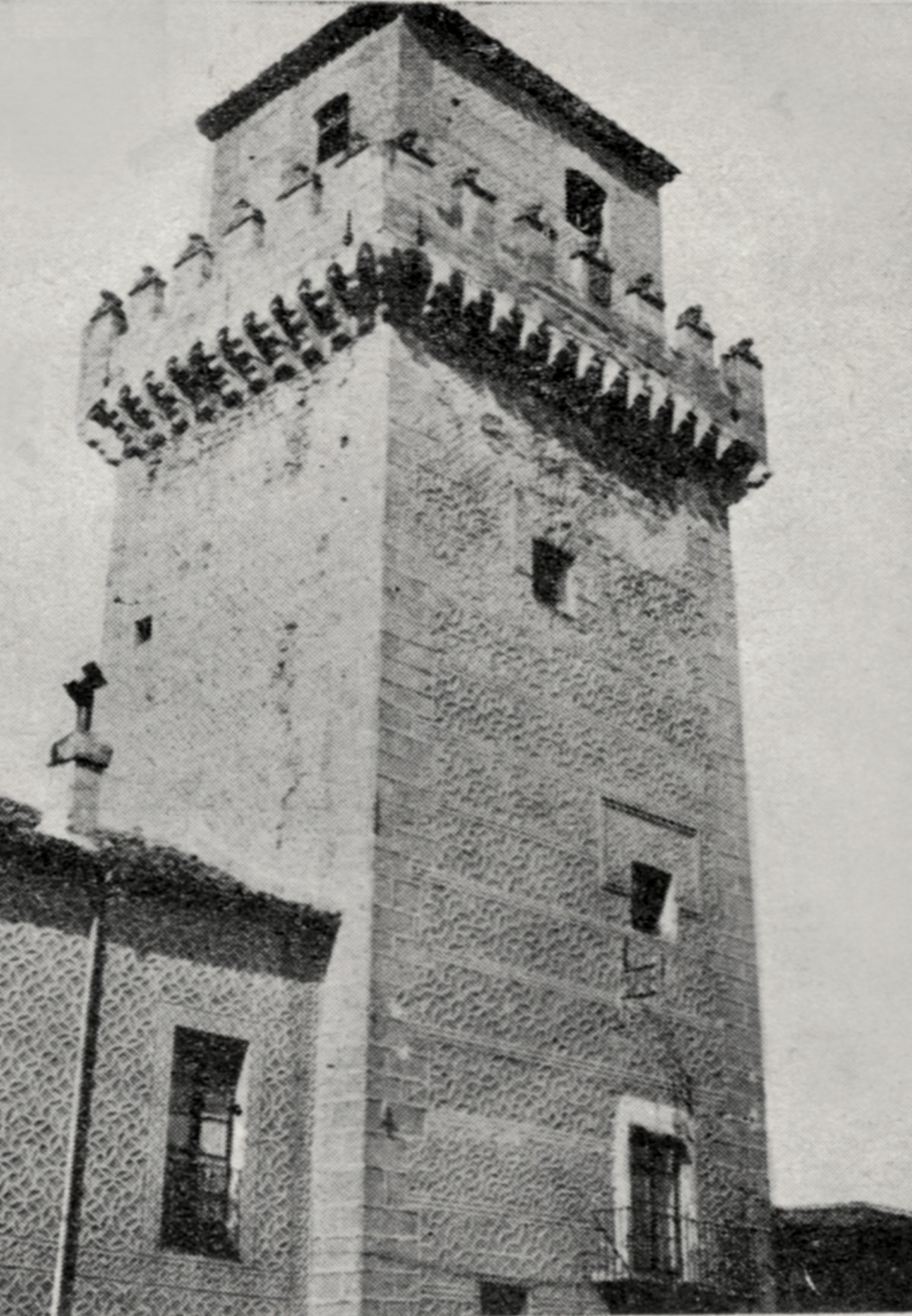
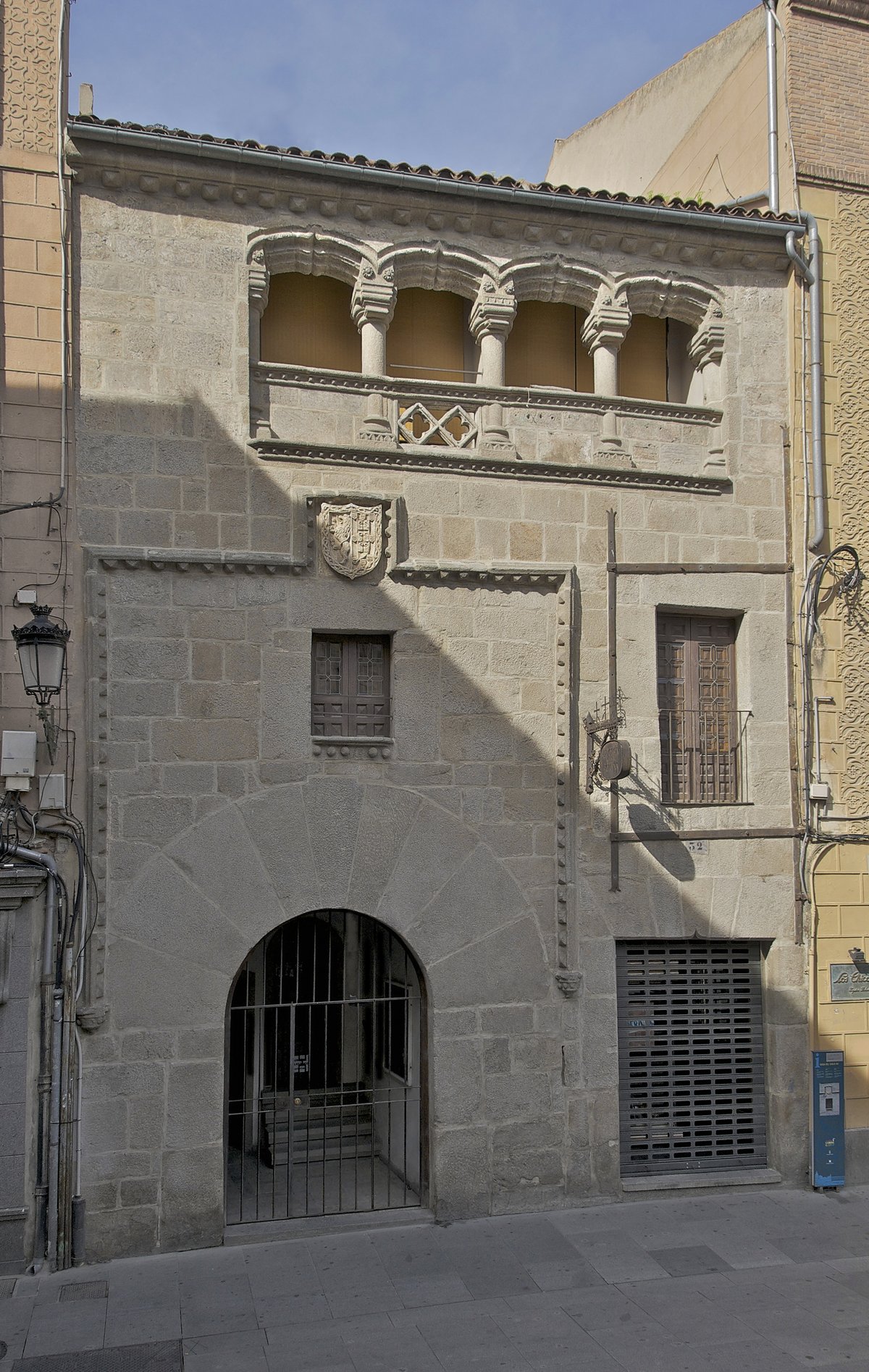
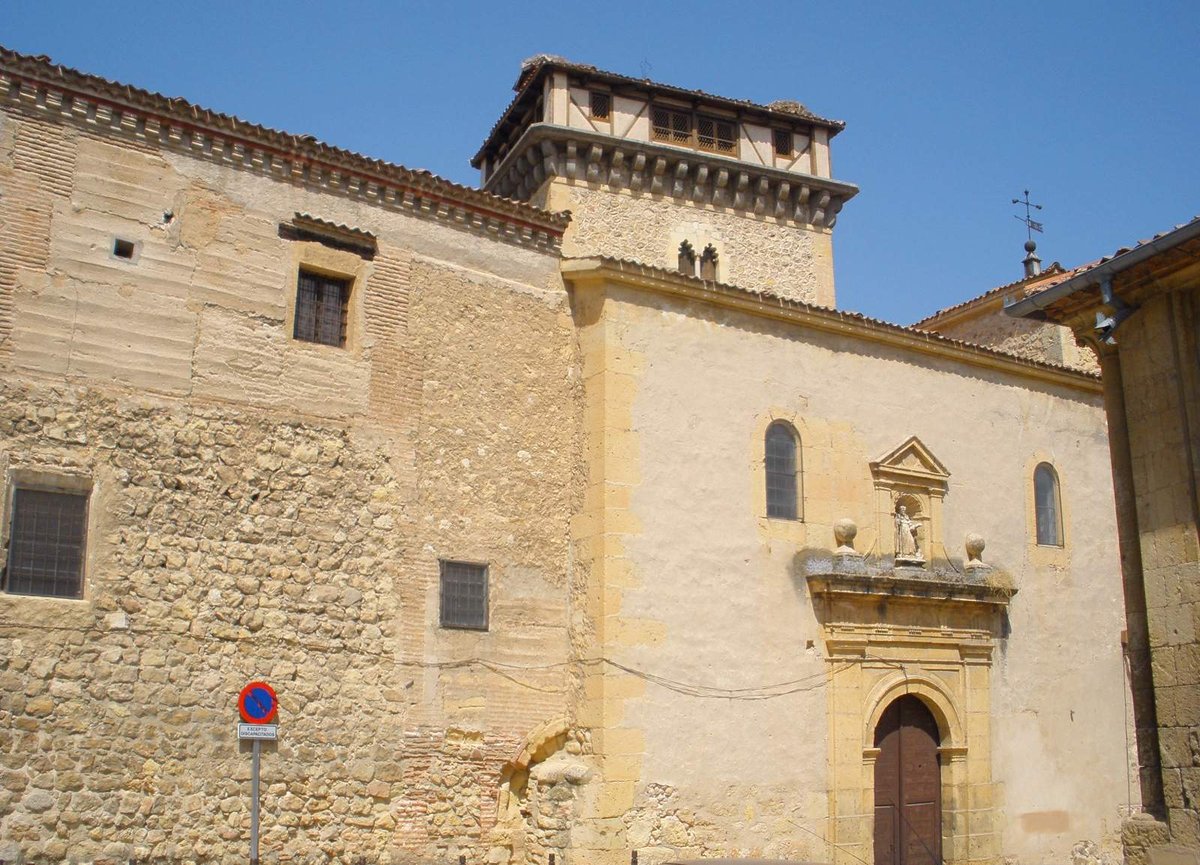
Commissioned by Hernando Villafañe in the 16th century, the palace is located at Pl. San Facundo, 3, 40001 Segovia. Designed to reflect power and refinement, its Renaissance façade boasts detailed stonework, arched portals, and the prominent Villafañe coat of arms. Mudejar elements and symmetrical proportions further highlight its cultural richness (mycontt.com).
Interiors and Gardens
Inside, visitors find spacious halls with frescoes, tapestries, and period furnishings. The grand staircase acts as a visual centerpiece, while the Renaissance gardens—meticulously landscaped with fountains and statues—offer a tranquil retreat.
The Villafañe Family: Influence and Legacy
Hernando Villafañe, a nobleman and patron of the arts, played a central role in Segovia’s cultural life. Through his support of artists and scholars, the palace became a center for intellectual gatherings, performances, and political discussions. Villafañe’s philanthropic efforts in education and culture are still felt in Segovia’s civic identity (mycontt.com).
Historical Role in Segovia’s Urban Fabric
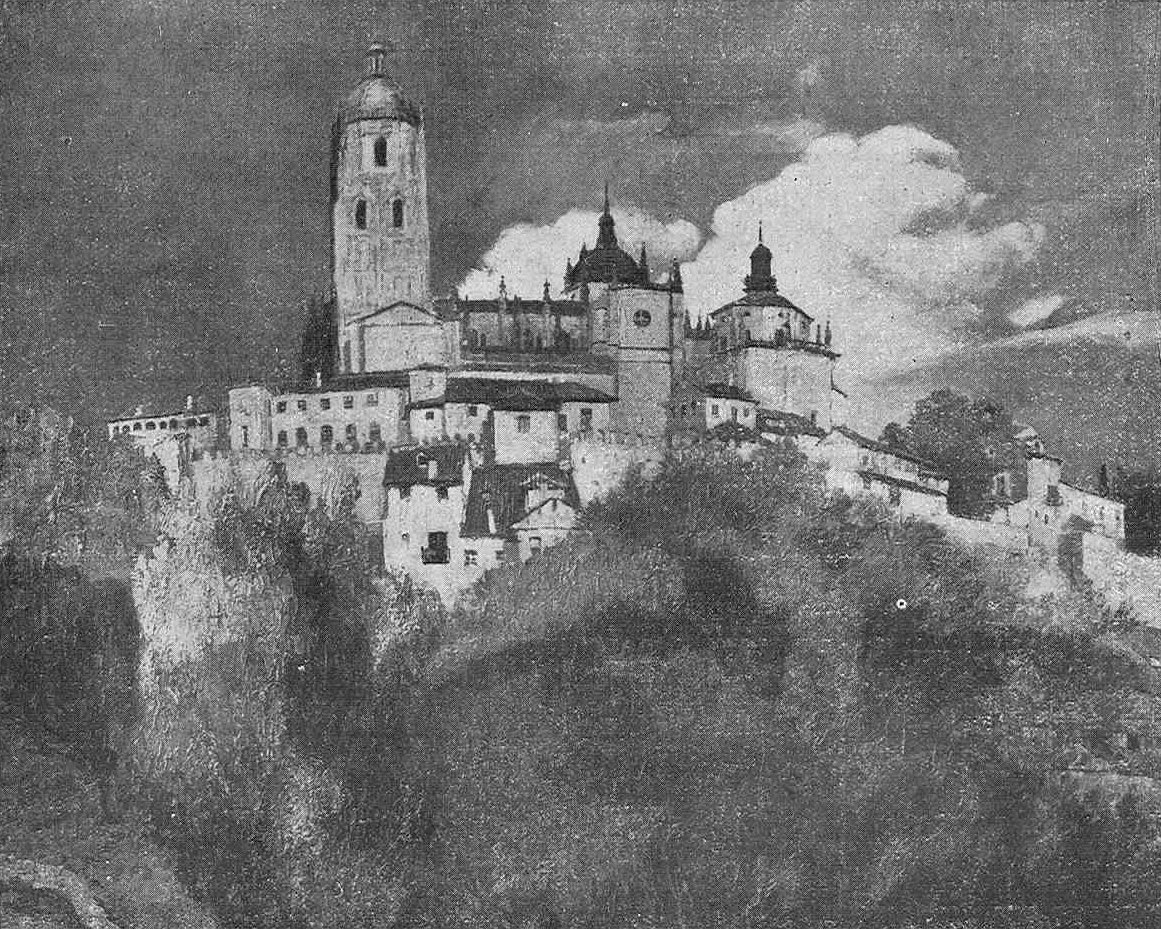
Strategically situated near the Roman aqueduct and the Alcázar, the palace reflects Segovia’s prosperity during the Renaissance. Over the centuries, it has served as a noble residence, event venue, and now a site for cultural tourism and heritage preservation (turismocastillayleon.com; eladelantado.com).
Visiting Information
Visiting Hours
- Open Tuesday to Sunday, 10:00 AM – 6:00 PM
- Closed Mondays and major public holidays
- Note Night tours and special events may extend hours seasonally (turismodesegovia.com)
Tickets
- Adults €6–€8
- Students/Seniors €5 (with valid ID)
- Children under 12 Free
- Purchase At the entrance or online (Segovia tourism portal)
- Discounts During local festivals or heritage days, free admission may be offered
Guided Tours
Daily guided tours are available in multiple languages and can be booked in advance or at the ticket desk. Thematic tours focusing on art, architecture, or history are occasionally offered, enriching the visitor experience.
Accessibility
The palace is partially accessible: the main entrance and ground-floor rooms are wheelchair-friendly, but upper floors may be reached only by stairs. Restrooms (including accessible facilities) are available. Visitors with mobility concerns should contact in advance for specific arrangements.
Cultural and Social Significance
Recognized as part of Segovia’s UNESCO World Heritage Site, the palace exemplifies the city’s cultural fusion and noble traditions (worldheritagesite.org; UNESCO). It is valued for its role in Segovia’s social fabric, architectural heritage, and community engagement, hosting events ranging from art exhibitions to classical concerts.
Events, Exhibitions, and Photographic Spots
The palace regularly hosts cultural events, including:
- Art exhibitions Featuring local and national artists
- Classical music concerts Often held in the private chapel or gardens
- Medieval fairs Celebrating Segovia’s traditions
For photographers, the façade, inner courtyard, and gardens offer ideal settings, especially at golden hour.
Travel Tips and Nearby Attractions
- Footwear Wear comfortable shoes for cobbled streets and uneven palace floors.
- Weather Bring a jacket in spring/autumn; sun protection in summer.
- Language Basic English is spoken; a few Spanish phrases are helpful.
- Nearby Attractions Combine your visit with the Aqueduct of Segovia, Segovia Cathedral, and the Alcázar—all within walking distance (Aqueduct; Cathedral; Alcázar).
Frequently Asked Questions (FAQ)
Q: What are the visiting hours?
A: Tuesday–Sunday, 10:00 AM–6:00 PM; closed on Mondays and major holidays.
Q: How much are tickets?
A: €6–€8 for adults; €5 for students/seniors; free for children under 12.
Q: Are guided tours available?
A: Yes, daily in several languages; book at the desk or online.
Q: Is the palace accessible?
A: The ground floor is accessible; upper floors may have limited access.
Q: Can I take photos?
A: Photography is allowed in most areas, though restrictions may apply for flash and tripods.