Plan and listen to Plaza Del Obradoiro with Audiala.
Audio guide in your pocket, itinerary in your browser. Built for the way you actually visit.
Introduction
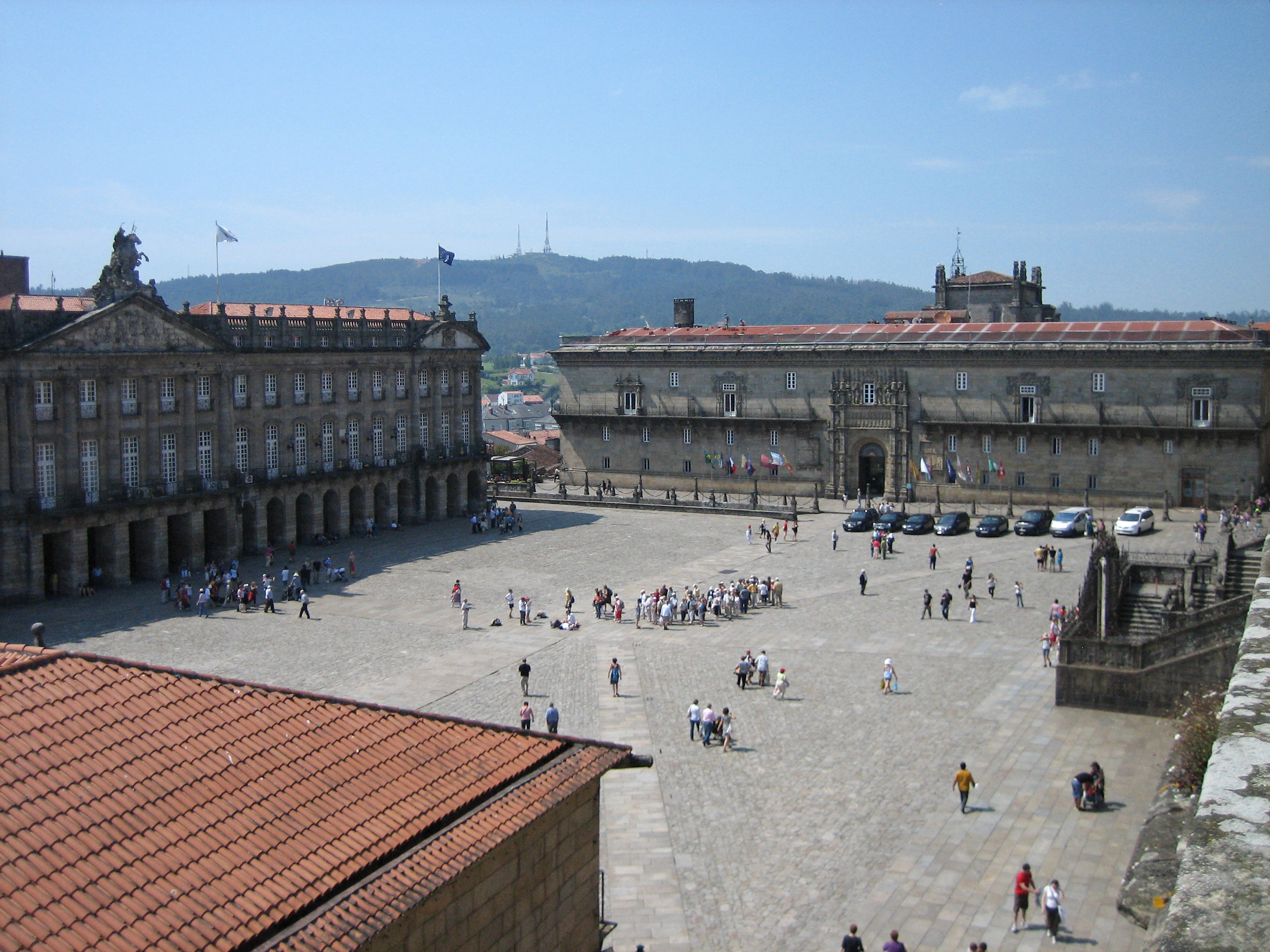
Plaza del Obradoiro, nestled at the heart of Santiago de Compostela, Spain, stands as a monumental symbol of the city's religious, cultural, and historical identity. Revered as the culminating point of the Camino de Santiago pilgrimage, this iconic square attracts countless pilgrims and travelers every year. Its significance is deeply rooted in the medieval discovery of the tomb of St. James the Apostle, which transformed Santiago into one of Christendom's most important pilgrimage destinations. The square’s breathtaking architectural ensemble—spanning Romanesque, Gothic, Renaissance, and Baroque styles—forms a living tapestry of Galician and Spanish heritage (Britannica; Caminosantiagocompostela.com).
This guide provides comprehensive information on Plaza del Obradoiro’s history, its surrounding monuments, cultural significance, practical visitor details (including visiting hours, tickets, accessibility, and travel tips), and answers to frequently asked questions. Whether you are a pilgrim or a curious traveler, you will find all the essentials for making your visit to this UNESCO World Heritage site truly memorable.
Historical and Architectural Significance
Origins and Early Development
The roots of Plaza del Obradoiro stretch back to the early 9th century, coinciding with the legendary discovery of St. James’s tomb in 813 CE. King Alfonso II of Asturias initiated the construction of a church above the site, setting the stage for centuries of religious devotion and architectural evolution (Britannica). The name “Obradoiro,” meaning "workshop" in Galician, evokes the era when stonemasons labored here to construct the cathedral’s iconic western façade (info-countries.com).
The Plaza’s Architectural Ensemble
The square is framed by four monumental buildings, each representing a pillar of Santiago’s historical and civic life:
-
Cathedral of Santiago de Compostela (East): The spiritual centerpiece, begun in 1075, showcases Romanesque origins with later Gothic and Baroque additions. The Baroque Obradoiro façade—completed in the 18th century—features twin towers, elaborate ornamentation, and the figure of St. James as a pilgrim (Britannica; Explorial). The Pórtico de la Gloria, a Romanesque portal by Maestro Mateo, remains a highlight of the cathedral’s interior.
-
Hostal dos Reis Católicos (North): Established in 1499 as a royal hospital for pilgrims by the Catholic Monarchs, this Plateresque and Gothic building now operates as a Parador hotel, upholding the tradition of hospitality (info-countries.com).
-
Pazo de Raxoi (West): This neoclassical palace, constructed in the 18th century, serves as the City Hall and seat of the regional government, symbolizing administrative authority (Wikipedia).
-
Colegio de San Xerome (South): Founded in the 16th century as a college for poor students, this Renaissance building is now the rectorate of the University of Santiago de Compostela (info-countries.com).
Collectively, these buildings encapsulate the city’s religious, governmental, educational, and hospitality traditions, making the plaza a living museum of Spanish history.
Urban Design and Symbolism
The plaza’s granite paving features a central plaque marking “kilometer zero” of the Camino de Santiago, symbolizing the convergence of pilgrimage routes from across Europe (Wikipedia). The square’s design prioritizes open, pedestrian-friendly space, fostering daily life, ceremonies, and communal gatherings.
Cultural and Pilgrimage Significance
Pilgrimage Tradition
Plaza del Obradoiro is the emotional and spiritual terminus of the Camino de Santiago, drawing pilgrims who arrive from all over Europe. For centuries, reaching this plaza has marked the end of a transformative journey. Pilgrims are often greeted by the stirring sight of the cathedral’s Baroque façade, and the tradition of entering the square through the Arco de Palacio is accompanied by a profound sense of accomplishment (Caminosantiagocompostela.com).
Rituals and Festivities
Key spiritual rituals include:
- Touching the Kilometer Zero Plaque: Pilgrims often touch or photograph the scallop shell motif embedded in the plaza, a symbol of their completed journey (Viajera y Mochilero).
- Pilgrim’s Mass: Held daily at noon in the cathedral, often featuring the dramatic swinging of the Botafumeiro, a giant incense thurible (Spain.info).
- Compostela Certificate: Pilgrims may collect their certificate at the nearby Pilgrims’ Reception Office (Camino Adventures).
The plaza is the focal point for major events such as the Feast of Saint James (July 25), which features processions, concerts, and fireworks (Britannica).
Cultural Identity
The plaza is a vibrant stage for civic and cultural life, hosting street performers, musicians, and artists. Its architecture and traditions reflect the resilience and creativity unique to Galicia (Fundación Jacobea). Its recognition as a UNESCO World Heritage Site underscores its universal value (The Tourist Checklist).
Practical Visitor Information
Visiting Hours and Access
- Plaza del Obradoiro: Open 24/7 as a public space.
- Cathedral of Santiago de Compostela: Typically open from 9:00 AM to 8:00 PM (seasonal variations apply; check the official website before visiting).
- Museum and Rooftop Tours: Require tickets and have more restricted hours.
Ticket Information
- Plaza del Obradoiro: Free access.
- Cathedral Main Nave: Free entry for mass attendees.
- Museum, Portico of Glory, and Rooftop: Tickets required; prices range from €3–€12. Purchase online or at the cathedral entrance (Official Cathedral Website).
- Guided Tours: Available in multiple languages, with prices typically between €15–€20 (Santiago Turismo).
Accessibility
- The plaza is flat, paved, and wheelchair accessible. Most major buildings—including the cathedral—offer ramps and assistance for visitors with limited mobility (Santiago Turismo).
- Some narrow or steep old town streets may be less accessible.
Orientation and Facilities
- Tourist Information Office: Located near the plaza, offering maps, brochures, audioguides, and booking for tours.
- Restrooms: Available near the cathedral and in local cafes.
- Wi-Fi: Free public Wi-Fi covers parts of the old town.
Getting There and Parking
- By Foot: The plaza is at the heart of the old town; most sites are walkable.
- By Train: The main station is about 1.5 km away.
- By Air: Santiago-Rosalía de Castro Airport is 13 km from the city, with bus/taxi connections.
- Parking: Private vehicles are not allowed in the old town; use public parking garages nearby (e.g., San Clemente, Praza de Galicia).
Nearby Attractions
- Historic Center: Explore medieval streets and additional squares like Praza das Praterías and Praza da Quintana.
- Mercado de Abastos: A bustling local market for fresh produce and gourmet foods.
- Museo do Pobo Galego: A museum of Galician culture and history.
- Hostal dos Reis Católicos: Visit the cloisters and enjoy a meal or drink in the historic Parador hotel.
Travel Tips
- Best Time to Visit: Spring and early autumn offer pleasant weather and fewer crowds. The Feast of Saint James (July 25) is vibrant but busy.
- Weather: Galicia has an Atlantic climate; rain is common outside summer. Bring an umbrella and wear sturdy shoes.
- Photography: The plaza is photogenic at sunrise and sunset. Professional equipment may require permission.
- Events: Check the local calendar for religious and cultural festivities.
- Respect: The square has spiritual significance; maintain decorum during religious events.
Frequently Asked Questions (FAQs)
Q: What are the Plaza del Obradoiro opening hours?
A: The plaza is open 24 hours daily. Cathedral opening hours typically range from 9:00 AM to 8:00 PM, with seasonal variations (Santiago Turismo).
Q: Is there an entry fee for the Plaza del Obradoiro?
A: No, the plaza is free to enter. Tickets are required for the cathedral museum, rooftop, and Portico of Glory.
Q: Are guided tours available?
A: Yes, guided and thematic tours are offered in multiple languages.
Q: Is the Plaza del Obradoiro wheelchair accessible?
A: Yes, the plaza and major monuments are accessible, though some old town areas are challenging.
Q: Where can I buy tickets for the Cathedral?
A: Tickets are available online at the official cathedral website or on-site.
Listen to the full story in the app
The whole Plaza Del Obradoiro,
told well.
Audio guides for 1,100+ cities across 96 countries. History, stories, and local insight — offline ready.

Verified, and shown.
Researched and written by the Audiala editorial team from historical records, architectural archives, and local expertise.
Last reviewed
Researched from Wikidata, Wikipedia & official sources · fact-checked · How we make our guides →


