Plan and listen to Museo Das Peregrinacións E De Santiago with Audiala.
Audio guide in your pocket, itinerary in your browser. Built for the way you actually visit.
Introduction
Nestled in the heart of Santiago de Compostela, the Museo das Peregrinacións e de Santiago stands as a vibrant testament to the enduring legacy of the Camino de Santiago pilgrimage. As a central point for understanding the city’s spiritual heritage and the historical evolution of the pilgrimage, the museum offers visitors an immersive exploration of one of Europe’s most iconic journeys. This comprehensive guide details the museum’s history, collections, visiting hours, ticketing options, accessibility, and nearby historical sites to help you make the most of your visit (Santiago Turismo; Museos Xunta de Galicia).
History and Cultural Significance
Pilgrimage Heritage
Santiago de Compostela is globally recognized as the final destination of the Camino de Santiago (Way of St. James), a journey that has inspired millions since the Middle Ages. The Museo das Peregrinacións e de Santiago was founded to document and celebrate this centuries-old tradition, providing context on the profound spiritual, social, and urban impact of pilgrimage to the shrine of Saint James the Greater (Museo Peregrinacións).
Foundation and Evolution
The museum originated in 1951 as the Museo de Santiago e das Peregrinacións, driven by the vision of cultural advocate Manuel Chamoso Lamas. After periods of closure and relocation, it was permanently established in 1996 and recognized as a national museum in 2007. This evolution reflects the city’s commitment to preserving and sharing its pilgrimage legacy (Museos Xunta de Galicia).
Architectural Features and Renovation
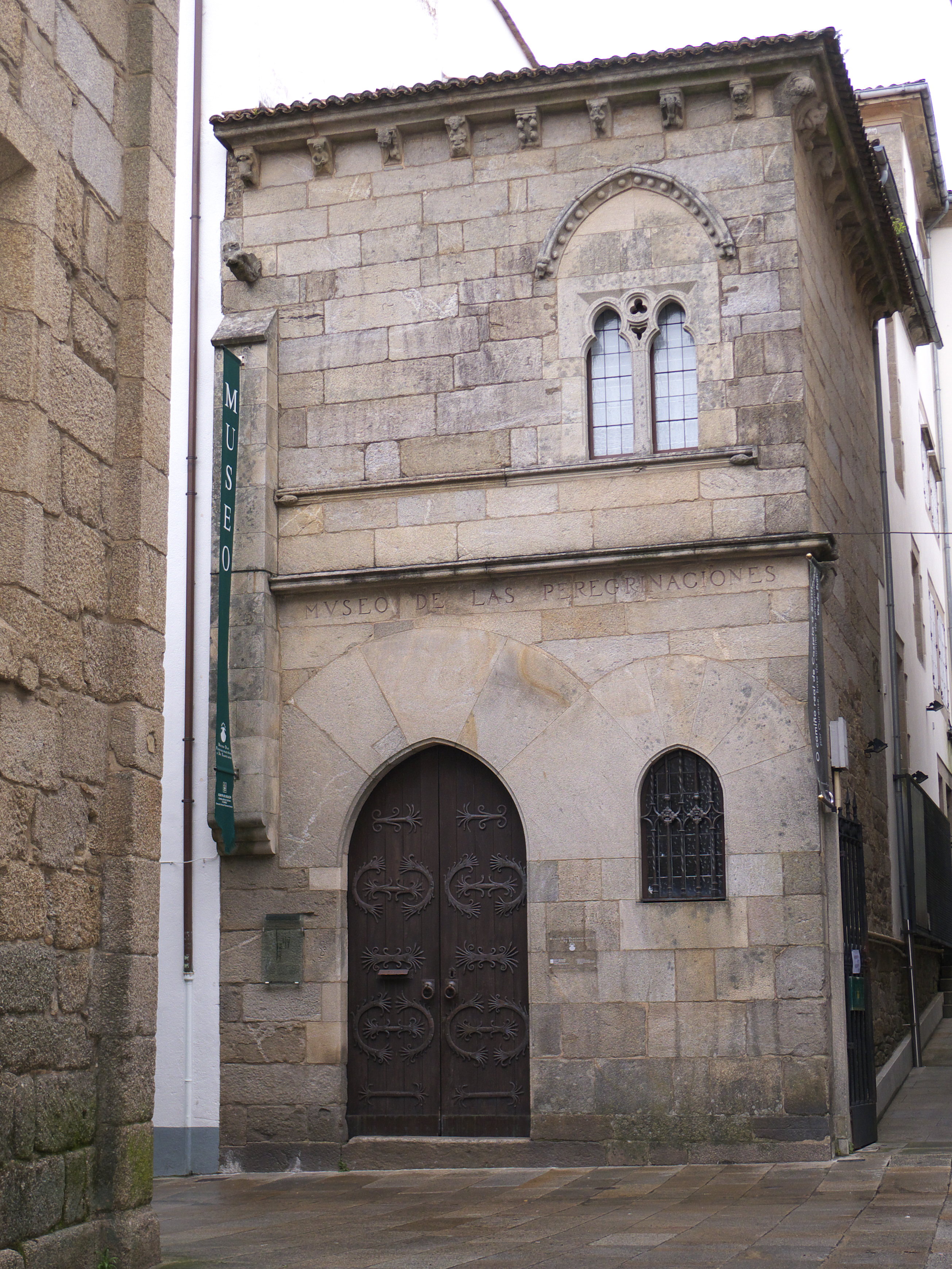
The museum occupies two significant buildings: the 14th-century Casa Gótica, which serves administrative functions, and the former Banco de España building in Praza das Praterías. The latter, adapted by architect Manuel Gallego Jorreto between 2009 and 2012, blends rationalist mid-20th-century architecture with contemporary museology. Natural light floods the galleries through a remarkable skylight, and the integration of the Baroque Casa do Cabido demonstrates Santiago’s architectural evolution (Trek Zone).
Thematic Focus and Collections
Permanent Exhibitions
The museum’s permanent collection is organized around core themes:
- Universal Pilgrimage: Explore the phenomenon of pilgrimage across cultures and eras, examining motivations, rituals, and symbolism (Museo Peregrinacións).
- The Camino de Santiago: Trace the historic journey from medieval origins to modern times, illustrated with maps, manuscripts, and archaeological finds (WhichMuseum).
- Veneration of Saint James: Discover the evolution of Saint James’s image, from apostle and pilgrim to the legendary “Matamoros,” using statues, engravings, and devotional objects (Lonely Planet).
- City and Cathedral: Examine Santiago’s transformation from a Roman mausoleum to a renowned medieval city through scale models and architectural fragments (Museos Xunta de Galicia).
Notable Artifacts
- Medieval musical instrument replicas inspired by the Pórtico de la Gloria.
- Pilgrim badges and scallop shells symbolizing centuries of devotion.
- Illuminated manuscripts and antique maps documenting the growth of the pilgrimage routes.
- Architectural models and fragments revealing the layered history of the cathedral and city.
Temporary and Special Exhibitions
The museum’s dynamic program of temporary exhibitions covers contemporary art, historical retrospectives, and thematic explorations of the Camino de Santiago. Recent and upcoming highlights include:
- “Santiago en Acuarelas” – Watercolors of city landscapes and pilgrimage scenes.
- “O Camiño en Viñetas” – Comics inspired by Camino stories.
- “Desenterrando Vitrinas” – Virtual archaeological tours.
- “Chacona, a canción de Santiago” – Exploring musical traditions on the Camino.
- “Destino” – Photographic journeys by Manuel Valcárcel Cabo (Museos Xunta de Galicia – Exhibitions).
Events include annual conferences, workshops, and international lectures, nurturing ongoing cultural dialogue (Museo Peregrinacións).
Location and Surroundings
Address
- Praza das Praterías, 2, 15704 Santiago de Compostela
Set in the historic city center, the museum is within walking distance of:
- Santiago de Compostela Cathedral – Spiritual heart of the city.
- Casa do Cabido – A Baroque gem.
- Monastery of San Paio de Antealtares – 11th-century monastic heritage.
- Pazo de Raxoi and Monastery of San Martín Pinario – Architectural landmarks nearby.
The area is pedestrian-friendly, ideal for exploring Santiago’s UNESCO-listed old town (Trek Zone).
Visiting Hours and Tickets
Opening Hours
- Tuesday to Friday: 9:30 AM – 8:30 PM
- Saturday: 11:00 AM – 7:30 PM
- Sunday & Holidays: 10:15 AM – 2:45 PM
- Closed: Mondays and select holidays (January 1 & 6, May 1, December 24, 25 & 31) (Museo Peregrinacións)
Tickets and Admission
- Admission: Free for all visitors (Museos Xunta de Galicia).
- Special Events: Free entry and additional activities during events like Museum Week (Museum Week 2025).
Tickets for guided tours or special events can be reserved online or at the museum.
Facilities and Accessibility
- Wheelchair Accessible: Elevators and adapted restrooms are available.
- Facilities: Restrooms, lockers, seating areas, multilingual information desks, and a gift shop.
- Family Friendly: Workshops and interactive displays make it suitable for visitors of all ages.
- Nearby Dining: Numerous cafés and restaurants are located in the vicinity.
For specific needs or group visits, contact the museum in advance (Contact Information).
Guided Tours and Educational Activities
- Guided Tours: Available in Spanish, Galician, and English. Advance booking is recommended.
- Educational Programs: Regular workshops, lectures, and special activities for families and schools.
- Special Events: Conferences, book presentations, and international symposiums enrich the museum’s vibrant calendar (Museum Activities).
Visitor Experience and Interpretation
The museum’s thoughtfully designed galleries and interactive installations foster an engaging and contemplative atmosphere. Bright, airy spaces and panoramic views of the cathedral enhance the experience, while multilingual resources ensure accessibility for international visitors (Lonely Planet).
Nearby Santiago de Compostela Historical Sites
While visiting the museum, consider exploring:
- Cathedral of Santiago de Compostela
- Praza do Obradoiro
- Monastery of San Martín Pinario
- Casa do Cabido
- Old Town and City Walls
Each site offers a unique window into the city’s layered history and spiritual heritage (Santiago Turismo).
Practical Visitor Tips
- Plan Ahead: Check the museum’s calendar for special exhibitions or events.
- Visit Duration: Allow 1–2 hours for a comprehensive visit.
- Photography: Non-flash photography is usually permitted; follow signage.
- Comfortable Shoes: The old town’s cobblestone streets require comfortable footwear.
- Language: Book English guided tours in advance if needed.
Frequently Asked Questions (FAQ)
Q: What are the Museo das Peregrinacións visiting hours?
A: Tuesday to Friday, 9:30 AM – 8:30 PM; Saturday, 11:00 AM – 7:30 PM; Sunday and holidays, 10:15 AM – 2:45 PM. Closed Mondays and select holidays.
Q: Is admission free?
A: Yes, entry is free for all visitors.
Q: Is the museum accessible for people with reduced mobility?
A: Yes, elevators and adapted restrooms are available.
Q: Are guided tours available in English?
A: Yes, but advance booking is recommended.
Q: Can I take photos inside?
A: Non-flash photography is generally allowed; check on-site for restrictions.
Q: What other sites should I visit nearby?
A: The cathedral, Praza do Obradoiro, and the Monastery of San Martín Pinario are all close by.
Visual Suggestions
- Museum Exterior: “Museo das Peregrinacións exterior in Santiago de Compostela historical center.”
- Exhibition Gallery: “Museo das Peregrinacións interior exhibition showcasing pilgrimage artifacts.”
- Panoramic Views: “Upper floor view of the cathedral from the museum.”
- Location Map: “Map of Santiago de Compostela historical sites including Museo das Peregrinacións.”
- Workshop Event: “Educational workshop at Museo das Peregrinacións.”
Events and Community Engagement
The museum actively participates in international initiatives such as Museum Week, offering free entry and special programming that highlight cultural diversity and sustainability. Collaborations with local artists, historians, and the University of Santiago de Compostela ensure a dynamic schedule of talks, workshops, and cultural events (Museum Week 2025).
Contact and Further Information
- Address: Praza das Praterías, 2, 15704 Santiago de Compostela, Spain
- Phone: +34 881 867 401
- Email: informacion.mdperegrinacions [at] xunta.es
- Official Website: Museo das Peregrinacións e de Santiago
Discover More
The Museo das Peregrinacións e de Santiago encapsulates the profound cultural, historical, and spiritual dimensions of the Camino de Santiago within a beautifully restored architectural setting. Its thoughtfully curated exhibitions, engaging educational activities, and prime location make it an essential stop for pilgrims, history lovers, and curious travelers alike.
For the latest updates, immersive resources, and insider tips, consult the official museum websites and use tools like the Audiala app. Embrace the rich heritage of Santiago de Compostela, share your journey, and celebrate the living tradition of one of Europe’s most significant pilgrim routes.
Tickets & tours.
These are guided options from our partners — same price as booking direct.
Prices are indicative — final pricing and availability are confirmed at checkout. Audiala may earn a commission from bookings made through these links.
Listen to the full story in the app
The whole Museo Das Peregrinacións E De Santiago,
told well.
Audio guides for 1,100+ cities across 96 countries. History, stories, and local insight — offline ready.

Verified, and shown.
Researched and written by the Audiala editorial team from historical records, architectural archives, and local expertise.
Last reviewed
Researched from Wikidata, Wikipedia & official sources · fact-checked · How we make our guides →


