Origins and Historical Background
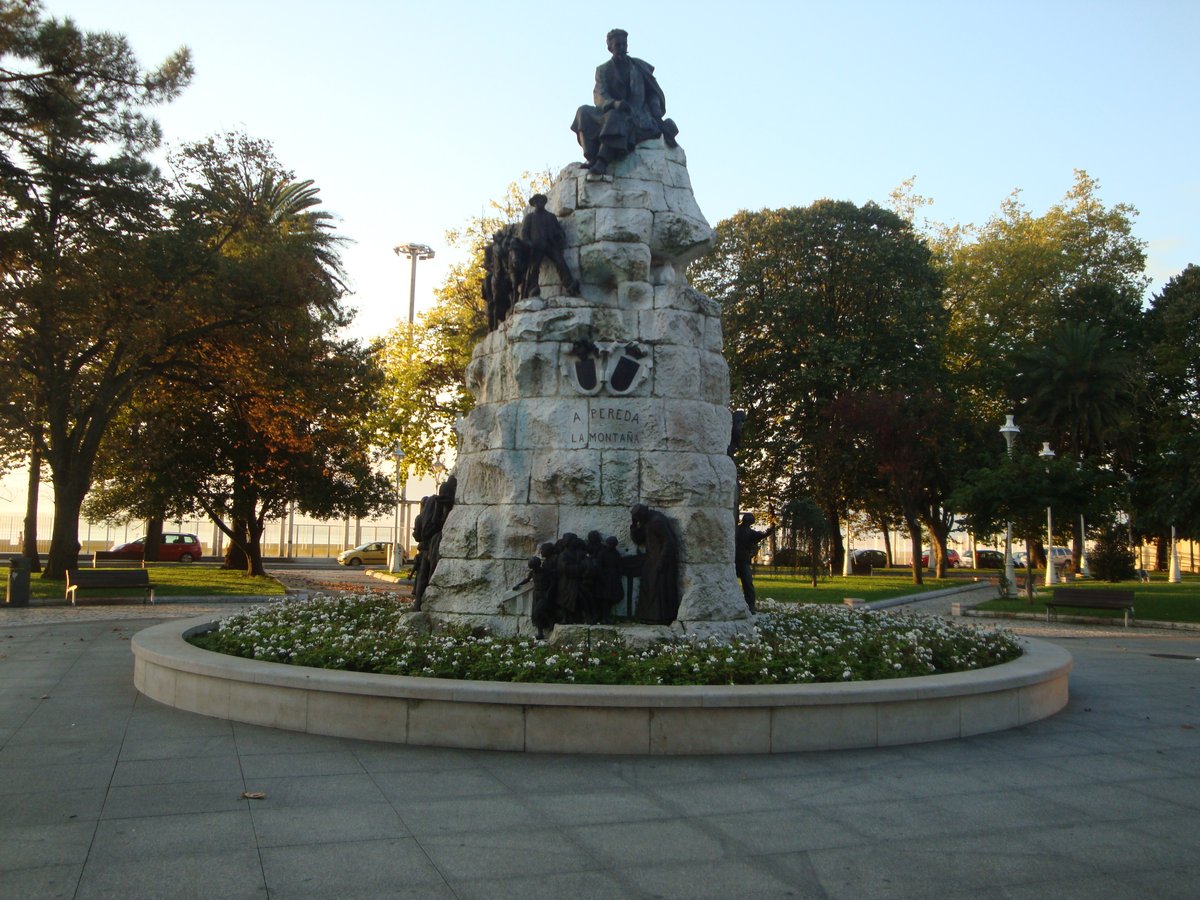
The Monument to Juárez in Santander reflects a long-standing tradition of commemorating Benito Juárez, the Zapotec statesman and President of Mexico. Renowned for his liberal reforms and steadfast defense of national sovereignty, Juárez’s legacy has inspired monuments worldwide. The Santander monument not only celebrates his contributions to Mexican history but also represents the deep diplomatic and cultural ties between Spain and Mexico. Its location, amidst Santander’s storied cityscape, highlights the city’s transatlantic connections and commitment to republican ideals.
Symbolism and Artistic Features
The monument is crafted in a neoclassical style, typical of Juárez commemorations. It features a realistic sculptural depiction of Juárez—often depicted with a book or scroll, signifying his dedication to education and reform. Inscriptions such as “Al benemérito Benito Juárez la Patria” (“To the meritorious Benito Juárez, the Homeland”) honor his heroic status. The use of durable stone ensures resilience against the coastal climate, while the monument’s proportions make it both visually prominent and approachable within its landscaped setting (Ursula's Weekly Wanders, World Guides).
International and Diplomatic Significance
Positioned in a city known for its maritime and cultural exchanges, the monument is a visible symbol of the enduring friendship between Mexico and Spain. It underscores shared values of justice, equality, and mutual respect, making it an important site for diplomatic and community events.
Visiting the Monument: Hours, Tickets, Accessibility
Visiting Hours
- The monument is located outdoors and is accessible 24 hours a day, year-round.
Tickets and Admission
- There is no entrance fee; the site is freely accessible to all visitors.
Accessibility
- The monument’s site, along Paseo de Pereda, features flat, paved walkways suitable for wheelchair users and those with reduced mobility.
- The area is well-served by public transportation, with nearby bus stops and taxi ranks (Go Ask a Local).
Nearby Historical Sites and Attractions
Enhance your visit by exploring these nearby highlights:
- Catedral de Santander A Gothic cathedral just a 10-minute walk from the monument, rich in history and architecture (Rough Guides).
- Centro Botín A modern arts center offering exhibitions and panoramic bay views (FloraQueen).
- Jardines de Pereda Beautiful public gardens ideal for strolls and relaxation.
- Mercado de la Esperanza A historic market perfect for sampling local delicacies (Go Ask a Local).
Guided Tours and Photographic Spots
- Several local tour operators and official city tours include the monument in their itineraries, providing rich historical context (Santander City Tours).
- Early morning and late afternoon offer the best lighting for photography, with the Bay of Santander as a stunning backdrop.
Commemorative Practices and Public Engagement
The monument is a focal point for cultural and civic events, particularly around Juárez’s birthday (March 21). These gatherings, organized by the Mexican community and local associations, foster cross-cultural dialogue and celebrate shared heritage.
Preservation and Interpretation
The monument is maintained by local authorities, with support from Mexican diplomatic representatives. Bilingual signage and QR codes provide visitors with detailed information about Juárez’s life and the monument’s significance.
Practical Travel Tips
- Getting There The site is easily accessed on foot from central hotels, the cathedral, and other landmarks. City buses and taxis offer convenient alternatives (Condé Nast Traveller).
- Amenities Benches, shaded areas, cafés, and shops line the promenade, offering comfort and refreshment.
- Safety Santander is a safe city, with well-lit promenades and regular police patrols. Exercise standard travel precautions, especially at night (Travel Notes and Things).
- Sustainability Support local businesses, use recycling bins, and take advantage of Santander’s walkable layout and public transport (Turispanish).
- Language Spanish is primary, but English is widely spoken in tourist areas. Most signage is bilingual; basic Spanish greetings are appreciated.
Frequently Asked Questions (FAQ)
Q: What are the visiting hours for the Monument to Juárez?
A: The monument is outdoors and accessible 24/7.
Q: Is there an entrance fee or tickets required?
A: No, the monument is free to visit.
Q: Are guided tours available?
A: Yes, many local tour operators include the monument in their Santander itineraries.
Q: Is the monument accessible for visitors with mobility issues?
A: Yes, the promenade is flat, paved, and equipped with accessible facilities.
Q: What nearby attractions should I include in my itinerary?
A: Be sure to visit Jardines de Pereda, Centro Botín, Santander Cathedral, and Mercado de la Esperanza.
Useful Links
- Santander Tourism Official Website
- Mexican Embassy in Spain
- Santander City Tours
- Ursula's Weekly Wanders
- Go Ask a Local
- Evendo
- World Guides
- My Little World of Travelling
- Condé Nast Traveller
- Rough Guides
- FloraQueen
- Travel Notes and Things
- Turispanish
- Spain.info
- Appgecet
- ItsArtLaw
- The Orange Backpack
- The Crazy Tourist
- Santander Tourism
- All Events in Santander