Plan and listen to Cabo Machichaco with Audiala.
Audio guide in your pocket, itinerary in your browser. Built for the way you actually visit.
Introduction
Cabo Machichaco, located in the heart of Santander on Spain’s Cantabrian coast, is a unique site where natural beauty and profound history converge. Best known for the catastrophic explosion of the steamship Cabo Machichaco in 1893, this landmark is a cornerstone of Santander’s maritime legacy and collective memory. Today, the area encompasses a poignant monument, a dedicated museum, and a vibrant waterfront that together tell a story of tragedy, resilience, and cultural renewal. This guide provides a comprehensive overview of Cabo Machichaco’s significance, practical visitor information, and tips for experiencing the site alongside other notable Santander historical attractions (Santander Creativa, eldiarioalerta.com, National Geographic Historia).


Historical Background: Cabo Machichaco’s Maritime Legacy
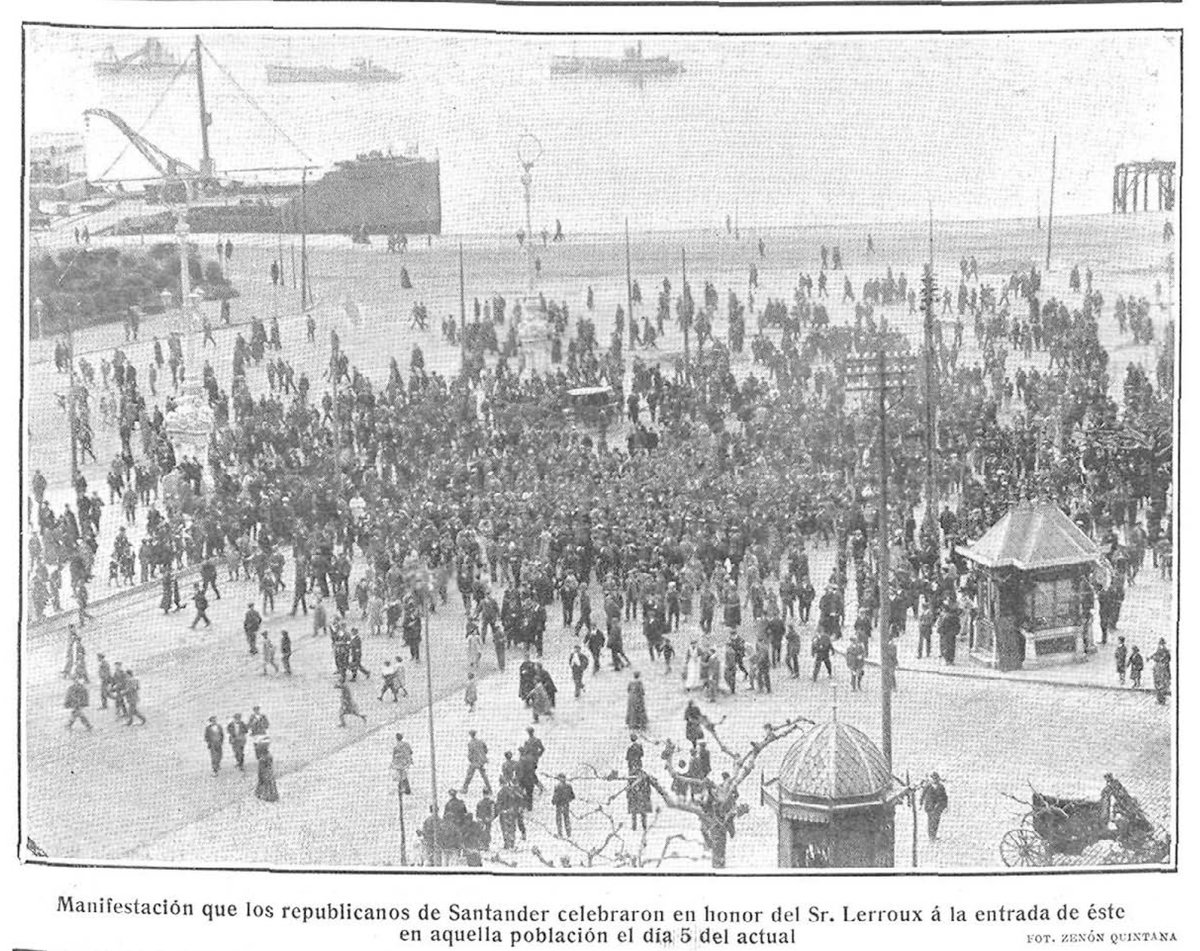
Cabo Machichaco has long been integral to Santander’s role as a major port city. Since the Roman era, when the area was known as Portus Victoriae, the bay and its approaches have facilitated trade and navigation. By the 19th century, steam-powered vessels like the Cabo Machichaco symbolized the city’s maritime modernization and commercial vibrancy. The headland and port area became a hub of activity, supporting Santander’s growth and connecting it to international routes.
The 1893 Disaster and Its Impact
On November 3, 1893, the steamship Cabo Machichaco, loaded with a cargo that included approximately 1,700 crates of dynamite and sulfuric acid, caught fire while docked in Santander’s harbor. As crowds gathered and firefighters responded, the vessel exploded, killing at least 590 people, injuring over 2,000, and devastating much of the port and adjacent neighborhoods (eldiarioalerta.com, National Geographic Historia). A subsequent explosion during salvage operations in March 1894 caused further casualties.
The disaster transformed Santander, sparking reforms in maritime safety, urban planning, and emergency response. Its memory remains woven into the city’s identity, commemorated each year on November 3rd.
Visiting Cabo Machichaco Today
Location and Accessibility
Cabo Machichaco’s monument and museum are located in the port area, particularly around Plaza del Machichaco and the Estación Marítima (Maritime Station). The area is easily accessible by foot from Santander’s city center, with public transport and taxi options available. Parking is nearby but limited during peak times—public transport is recommended (Santander Creativa).
Visiting Hours and Ticket Information
Monument (Plaza del Machichaco):
- Open-air public space; accessible 24/7 and free to visit.
- Wheelchair accessible; ideal for quiet reflection at any time (Wikipedia).
Museo Machichaco (Estación Marítima):
- Open daily from 9:00 to 20:00
- Free admission
- Fully wheelchair accessible
- Exhibits primarily in Spanish; some English information available (Santander Creativa)
Note: Some sources mention shorter museum hours (10:00–18:00, closed Mondays). Confirm visiting times before your visit via the official tourism website.
The Monument: Memorial and Features
The monument in Plaza del Machichaco, built in 1896, is the central memorial for the disaster. Designed by Valentín Ramón Lavín Casalís and sculpted by Cipriano Folgueras Doiztúa, it features a mourning woman before a large cross—an evocative symbol of shared loss. The base is inscribed with the disaster dates, and the square hosts annual commemorative events every November 3rd (eldiariocantabria.publico.es, Santander Que Hacer).
Museo Machichaco: Exhibits and Visitor Experience
The Museo Machichaco, located inside the Estación Marítima, provides an immersive account of the 1893 disaster and its aftermath. Highlights include:
- Permanent Diorama and the "Magic Box": Visually recreating the explosion and aftermath.
- Artifacts and Personal Effects: Including ship fragments, official regalia, crew items, and survivor memorabilia.
- Photographs and Paintings: Chronicling the event and Santander’s recovery.
- Interactive and Multimedia Displays: Survivor testimonies and original documentation.
- Rotating Exhibitions: Temporary displays update every few months (Santander Creativa, turismo.santander.es).
Admission is free, and the museum is suitable for all ages and accessible to visitors with reduced mobility.
Guided Tours and Educational Activities
- Guided Tours: Available through the museum or local tourism office. These provide in-depth historical context and personal stories (La Esquina del Viajero).
- Educational Visits: Group tours and thematic workshops can be arranged for schools or organizations.
- Annual Commemorations: Each November 3rd, the city holds ceremonies at the monument and museum, featuring speeches, floral offerings, religious services, and cultural performances.
Annual Commemorative Events
Every year on the disaster’s anniversary, local authorities, descendants, and residents gather at the monument and museum to honor victims. The ceremonies are public and include moments of silence, wreath-laying, and documentary screenings (eldiariocantabria.publico.es).
Practical Tips for Travelers
- Best Time to Visit: Spring through autumn offers mild weather ideal for walking tours (Visit Spain and Mediterranean).
- Language: Some tours/guides are available in English; otherwise, signage is mainly in Spanish.
- Accessibility: Flat, paved surfaces throughout the port area.
- Photography: Allowed at the monument and most museum areas; be mindful of restrictions near sensitive exhibits.
- Amenities: Nearby cafés, restaurants, shops, and restrooms add convenience.
- Safety: Santander is safe and welcoming, but keep belongings secure during busy events.
- Etiquette: The memorial is a site of local significance—please maintain respectful conduct, especially during commemorations.
Integrating Cabo Machichaco with Santander’s Other Historical Sites
Enhance your visit by exploring these key attractions:
- Centro Botín: Modern art and culture center adjacent to the port (The Common Wanderer).
- Magdalena Peninsula: Home to the Magdalena Palace and scenic walks (Visit Spain and Mediterranean).
- El Sardinero Beach: Iconic urban beach, accessible by bus or on foot.
- Maritime Museum of Cantabria: Offers broader context on the region’s seafaring history.
Suggested Itinerary:
- Start at Plaza del Machichaco for the monument and interpretive panels.
- Visit Museo Machichaco (allow 30–60 minutes).
- Join a guided city tour or follow a self-guided route along the waterfront.
- Continue to Centro Botín or the Maritime Museum for a deeper dive into Santander’s heritage.
Frequently Asked Questions (FAQ)
Q: What are the visiting hours for Cabo Machichaco?
A: The monument is open 24/7. The museum is generally open daily from 9:00 to 20:00, but hours may vary seasonally—check the official website for updates.
Q: Is there an admission fee for the museum?
A: Admission to Museo Machichaco is free.
Q: Are guided tours available?
A: Yes, through the tourism office or museum. Advance booking is recommended for groups.
Q: Is the site accessible for visitors with reduced mobility?
A: Yes, both the monument and museum are wheelchair accessible.
Q: What is the best time to visit?
A: Year-round, but spring and early autumn offer the most pleasant weather and fewer crowds.
Q: How can I get to Cabo Machichaco?
A: The site is walkable from the city center and accessible by public transit.
Q: Are commemorative events public?
A: Yes, annual events on November 3rd are open to respectful visitors.
Summary and Key Takeaways
Cabo Machichaco remains a vital part of Santander’s identity—a place where history, tragedy, and resilience intersect. The monument and museum are open and accessible, offering a moving experience for travelers interested in Spain’s maritime past and community heritage. Free admission, year-round access, and integration with other city sites make Cabo Machichaco an ideal stop on any visit to Santander. Plan ahead, be respectful, and immerse yourself in one of the city’s most enduring stories.
Listen to the full story in the app
The whole Cabo Machichaco,
told well.
Audio guides for 1,100+ cities across 96 countries. History, stories, and local insight — offline ready.
Verified, and shown.
Researched and written by the Audiala editorial team from historical records, architectural archives, and local expertise.
Researched from Wikidata, Wikipedia & official sources · fact-checked · How we make our guides →