Plan and listen to Castillo De San Cristóbal with Audiala.
Audio guide in your pocket, itinerary in your browser. Built for the way you actually visit.
Introduction
Hidden beneath the bustling Plaza de España, at the heart of Santa Cruz de Tenerife, lies the Castillo de San Cristóbal—a cornerstone of the city’s defense and a living testament to the island’s history. Built in 1575 to guard against pirate raids and foreign invasions, the fortress became Santa Cruz’s main bastion for over three centuries, famously repelling attacks by British admirals such as Robert Blake, John Jennings, and most notably, Horatio Nelson in 1797. Though dismantled in the early 20th century for urban development, its remarkable underground remains now form a captivating museum and interpretation center. This guide details the origins, significance, and visitor essentials for exploring this unique site, ensuring you make the most of your visit to one of Tenerife’s most important historical landmarks. (itenerife.net, Museos de Tenerife, webtenerife.co.uk)

Origins and Construction
The Castillo de San Cristóbal was constructed beginning in 1575 under King Philip II of Spain, opening officially in 1577 (itenerife.net). Strategically sited at the water’s edge, the square-shaped fortress protected the nascent port of Santa Cruz—then a modest fishing village—from corsairs and foreign navies. Its robust stone walls and artillery platforms formed the nucleus of the city’s coastal defense, later complemented by other fortresses such as San Juan and Paso Alto (defendamostenerife.com).
Historical Significance
Defensive Role
For over 200 years, Castillo de San Cristóbal was the linchpin of Tenerife’s coastal defenses. Its formidable presence enabled Santa Cruz to develop from a vulnerable settlement into a prosperous port, deterring repeated attacks and anchoring the city’s military strategy (defendamostenerife.com).
Symbol of Civic Identity
The castle’s successful defenses against foreign attacks fostered a deep sense of civic pride. Tales of heroism—especially the celebrated repulse of Nelson in 1797—are commemorated annually and have become integral to the city’s identity and folklore.
Key Historical Events
The Battle Against Robert Blake (1657)
In April 1657, Admiral Robert Blake’s British fleet attacked Santa Cruz, only to be repelled by the defenders and the castle’s artillery—a testament to the fortress’s resilience.
The Jennings Attack (1706)
Admiral John Jennings led a formidable British squadron in 1706, but again, the coordinated defense—centered on Castillo de San Cristóbal—thwarted the invasion.
The Gesta del 25 de Julio (1797): Nelson’s Defeat
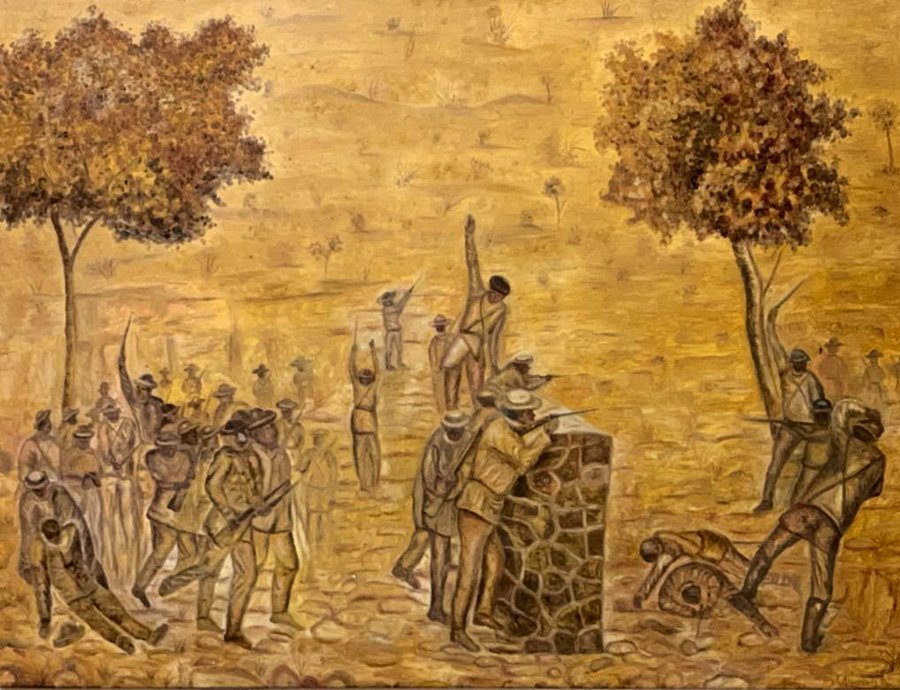
The most illustrious episode occurred in July 1797, when Admiral Horatio Nelson attempted an amphibious assault. The defenders, famously wielding the “El Tigre” cannon, severely wounded Nelson, causing the loss of his right arm, and forced his fleet to retreat in defeat. This victory is marked as a turning point in local and naval history (itenerife.net).
Decline and Demolition
With advances in warfare and the expansion of Santa Cruz, the fortress became obsolete. Between 1928 and 1929, the castle was demolished to make way for the new Plaza de España (nuestraislatenerife.blogspot.com), a loss lamented by many.
Archaeological Remains and Modern Legacy
During renovations of Plaza de España in 2006, substantial remains of the castle’s walls were unearthed. These were preserved and transformed into an underground interpretation center, allowing visitors to explore the original masonry and key artifacts such as the legendary “Cañón Tigre” (Museos de Tenerife). The site is now a bridge between Santa Cruz’s historic past and its vibrant present (guidetocanaryislands.com).
Visitor Information
Location and Access
Castillo de San Cristóbal’s remains are accessed via the underground gallery beneath Plaza de España in central Santa Cruz (Lonely Planet).
- Entrances: Seaward side of Plaza de España.
- Public Transport: 10–15 minutes from main bus station; 5 minutes from the “Fundación” tram stop.
- Parking: Underground parking at Plaza de España and nearby sites.
Visiting Hours and Tickets
- Monday–Saturday: 10:00 AM – 6:00 PM (last entry 15 minutes before closing)
- Sundays/Public Holidays: 10:00 AM – 3:00 PM
- Closed: December 24, 25, 31, January 1, 6 (Museos de Tenerife)
- Admission: Free
Accessibility
- Fully wheelchair accessible with ramps and elevators.
- Explanatory materials in Spanish and English.
- No on-site restrooms, but facilities are available in the plaza.
Guided Tours and Special Events
- Guided tours available on request; check the official website for schedules.
- Special exhibitions and events take place, notably around July 25th (Battle of Santa Cruz commemoration).
What to See
- Cañón Tigre: The celebrated 18th-century cannon that wounded Nelson (Wikipedia).
- Preserved Walls: Large sections of original 16th-century stonework.
- Interpretive Panels and Multimedia: Detailed bilingual displays, maps, and models of the city’s fortifications.
- Above-Ground Markers: The castle’s footprint is traced on the artificial lake above in Plaza de España.
Nearby Attractions
Within walking distance:
- Museo de la Naturaleza y el Hombre
- Mercado de Nuestra Señora de África
- Iglesia de la Concepción
- Teatro Guimerá
- Tenerife Espacio de las Artes (TEA)
Practical Tips for Visitors
- Language: Bilingual (Spanish/English) displays and staff.
- Photography: Non-flash photography permitted.
- Duration: 30–60 minutes suggested.
- Family Friendly: Child-friendly interpretations and interactive exhibits.
- Amenities: Nearby cafes and shops in Plaza de España.
Frequently Asked Questions (FAQ)
Q: Is there an entrance fee?
A: No, admission is free.
Q: What are the opening hours?
A: Monday–Saturday 10:00–18:00; Sundays/Public Holidays 10:00–15:00.
Q: Is the site accessible for wheelchairs?
A: Yes, fully accessible.
Q: Are guided tours available?
A: Yes, upon request; check the official website for details.
Q: Can I take photos?
A: Yes, non-flash photography is allowed.
Q: What else can I visit nearby?
A: Plaza de España, museums, historic churches, and vibrant local markets.
Listen to the full story in the app
The whole Castillo De San Cristóbal,
told well.
Listen to sourced travel stories with local history and practical context — ready offline.
Verified, and shown.
Researched and written by the Audiala editorial team from historical records, architectural archives, and local expertise.
Built from cited sources · see the method · How we make our guides →