
Historical Background
Ancient Origins
The history of Ciutadella de Roses dates back to the 4th century BC when the area was first settled by Greeks from Rhodes. They established a trading post known as Rhode, which later evolved into a significant commercial hub. The Greek influence is evident in the archaeological remains found in the area, including remnants of ancient walls and buildings.
Roman Conquest
In the 2nd century BC, the Romans conquered the Greek settlement and integrated it into their vast empire, renaming it "Rhodas." The Roman influence is still visible today in the ruins of the ancient city, including the remains of a Roman villa and a necropolis.
Medieval Period
Following the fall of the Roman Empire, Roses experienced a period of decline but later began to recover under the rule of the Visigoths and Moors. The medieval period saw the construction of several important structures, including the Monastery of Santa Maria de Roses in the 10th century.
Renaissance and the Citadel
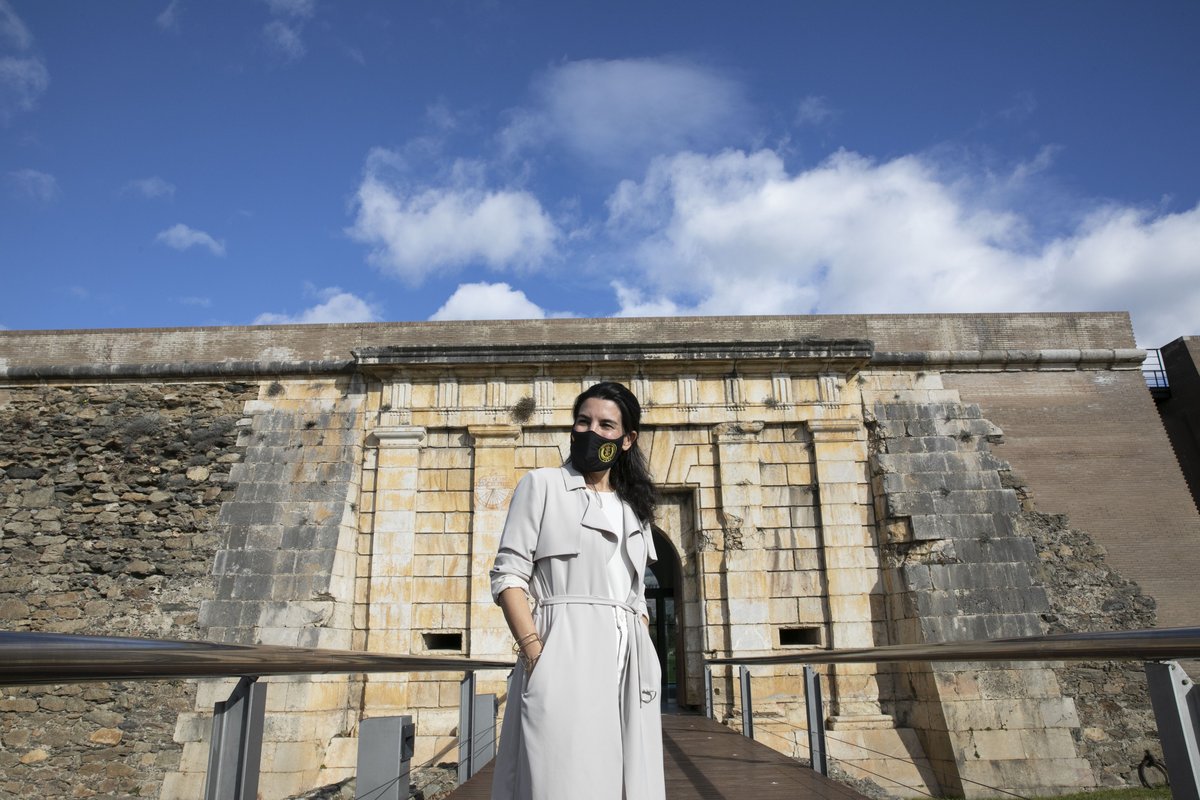
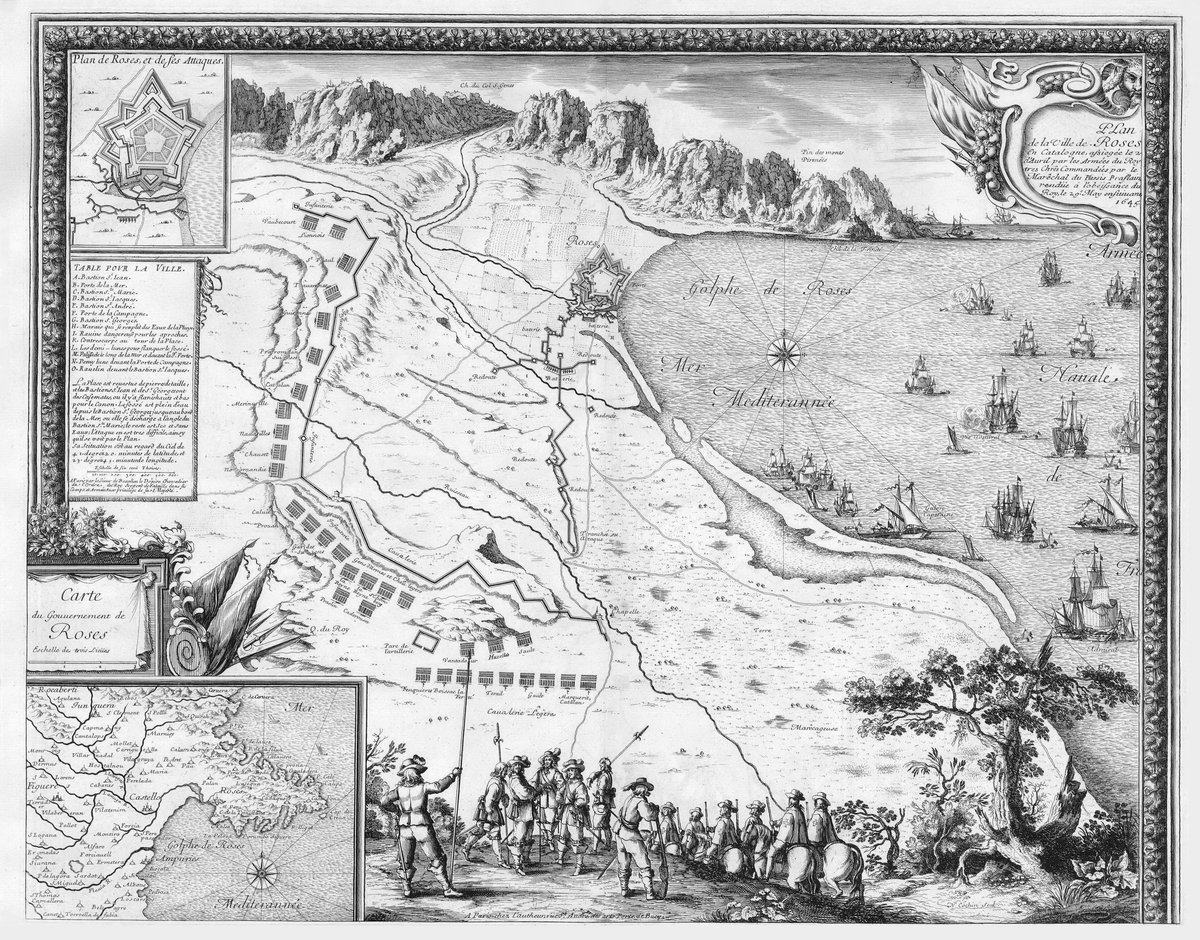
The most significant development came in the 16th century with the construction of the Ciutadella de Roses by order of King Charles I of Spain in 1543. The fortress was designed by Italian military engineer Giovanni Battista Calvi and is a prime example of Renaissance military architecture.
Modern Era
In the 19th and 20th centuries, Roses transitioned from a military stronghold to a peaceful coastal town. The citadel was decommissioned as a military installation and became a historical monument. In 1961, it was declared a Cultural Heritage Site by the Spanish government.
Archaeological Significance
The site is an important archaeological treasure trove, offering a glimpse into different periods of history. Excavations within the citadel have uncovered artifacts and structures from Greek, Roman, and medieval times.
Cultural Impact
The citadel is a symbol of the town's resilience and strategic importance throughout history. It has become a focal point for cultural events, including concerts, exhibitions, and festivals such as the annual "Festival of the Citadel."
Preservation Efforts
Ongoing restoration and conservation efforts ensure that the citadel remains in good condition for future generations. These efforts include maintaining the structural integrity of the walls and buildings, as well as protecting archaeological remains.
Visitor Information
Visiting Hours and Tickets
The Ciutadella de Roses is open year-round. Visiting hours vary by season, so it's advisable to check the official Roses Tourism website for the most up-to-date information. Ticket prices are reasonable, with discounts available for students, seniors, and groups. Guided tours are also offered.
Accessibility
The citadel is accessible to visitors with mobility issues, with paved paths and ramps in place to ensure everyone can explore the site. The on-site museum is also wheelchair accessible.
Travel Tips
Best Time to Visit
Spring and autumn offer pleasant weather and fewer crowds, making these periods ideal for exploring the citadel.
What to Bring
Comfortable walking shoes, a hat, sunscreen, and water are essential, especially during the summer months.
Photography
The citadel offers numerous photographic spots, particularly at sunrise and sunset when the light highlights the ancient walls and ruins.
Nearby Attractions
Roses Beach
A beautiful sandy beach perfect for relaxation and water activities.
Cap de Creus Natural Park
A stunning natural reserve offering hiking trails and breathtaking views.
Monastery of Sant Pere de Rodes
A nearby historical site with impressive architecture and panoramic views.
Unique Aspects
The Ciutadella de Roses hosts various special events throughout the year, including historical reenactments, music concerts, and art exhibitions.
FAQ Section
- What are the opening hours of Ciutadella de Roses?
- The citadel is open year-round, with varying hours depending on the season. Check the official website for current hours.
- How much are tickets to visit the citadel?
- Ticket prices are reasonable, with discounts for students, seniors, and groups. Guided tours are also available.
- Is the citadel accessible to visitors with disabilities?
- Yes, the citadel is wheelchair accessible, including the on-site museum.
- Are there guided tours available?
- Yes, guided tours are offered and provide detailed insights into the site's history and architecture.