Introduction to Puerta de las Atarazanas in Málaga
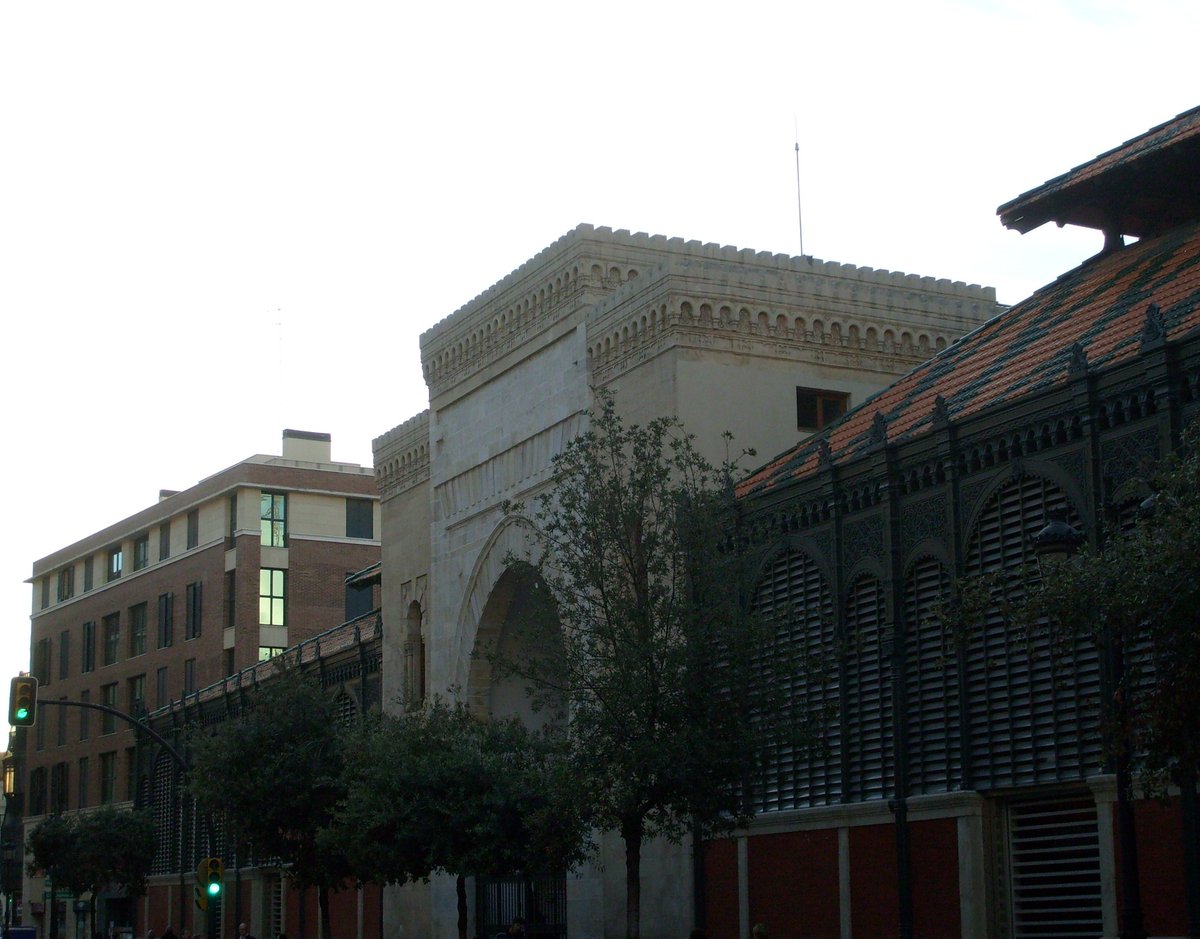
Situated in the heart of Málaga, Spain, the Puerta de las Atarazanas is a powerful symbol of the city’s layered history and multicultural heritage. Originally built in the 12th and 14th centuries as part of a Nasrid shipyard complex, the gate exemplifies the city’s Islamic legacy and its evolution through the Christian conquest and modern urban development. The name “Atarazanas” comes from the Arabic “dar al-sina’a”—“house of industry”—emphasizing its origins as a hub for shipbuilding and repair. Today, the preserved Nasrid arch serves as the main entrance to the Mercado Central de Atarazanas, a 19th-century market hall renowned for its Neo-Moorish architecture and vibrant marketplace atmosphere (rutasarqueologicas.malaga.eu; sobreespana.com; Espanaguide).
This guide explores the history, architecture, visiting hours, accessibility, and practical tips for experiencing the Puerta de las Atarazanas and Mercado Central. Whether you are a history enthusiast, architecture lover, or a traveler seeking authentic Andalusian culture, this site offers a unique glimpse into Málaga’s past and present.
Photo Gallery
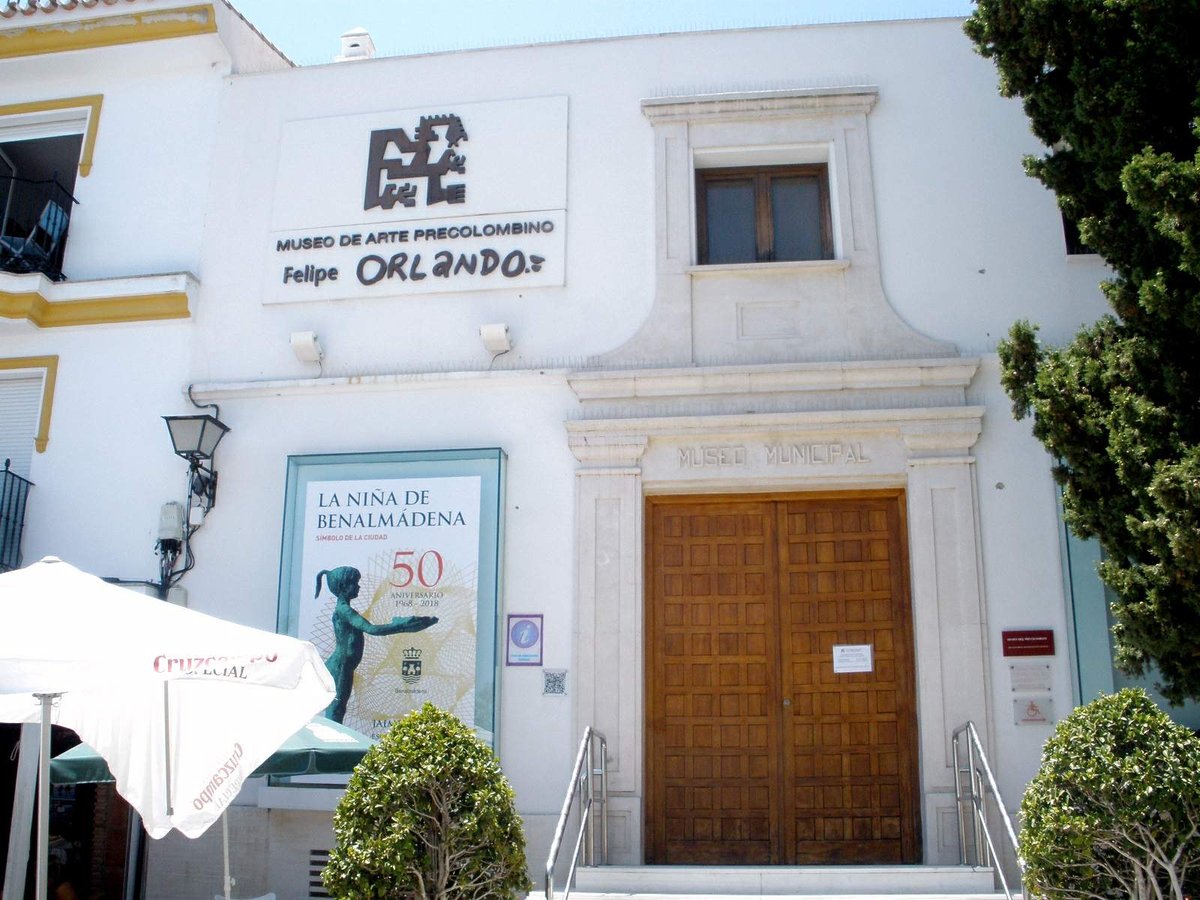
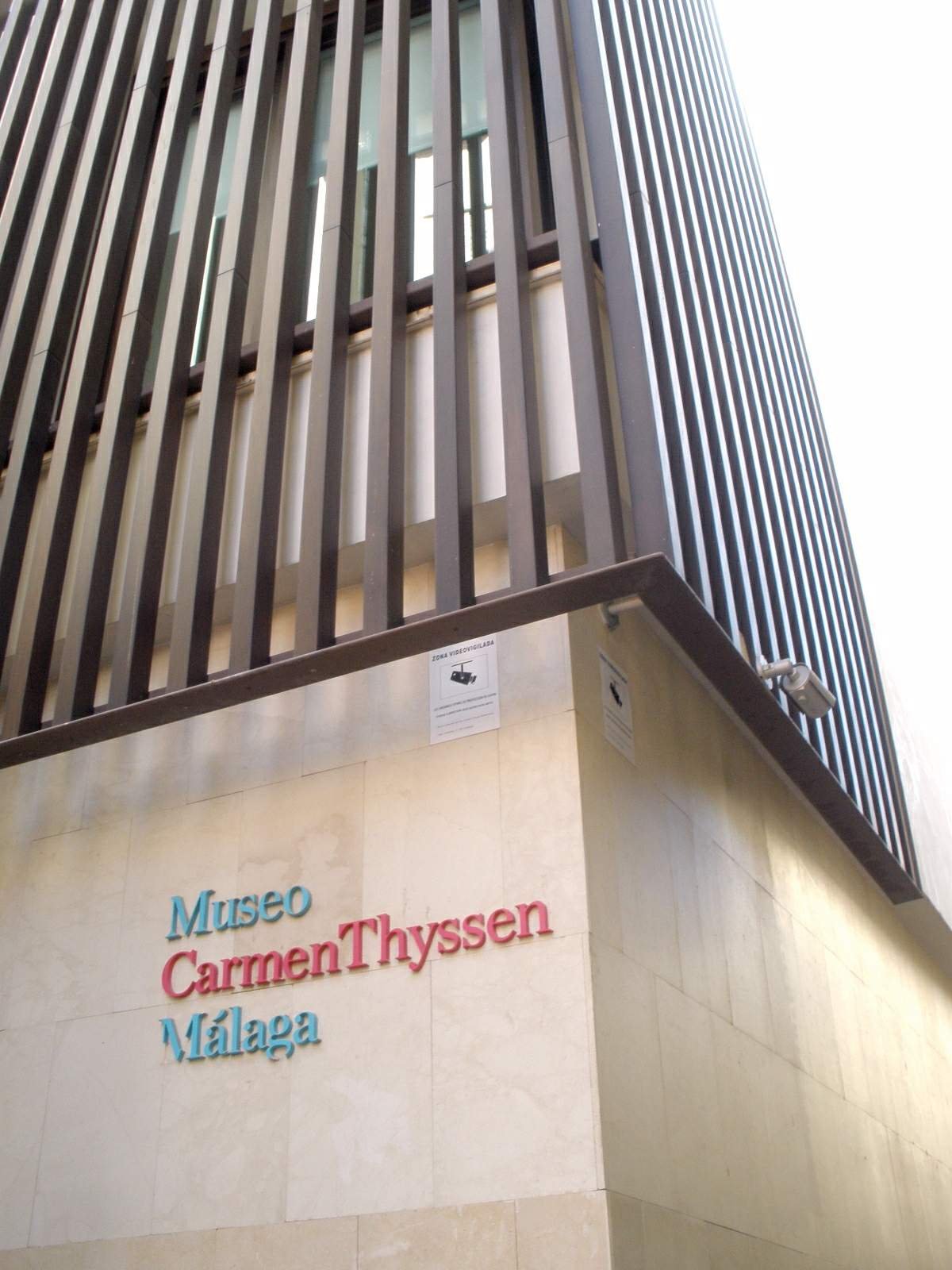
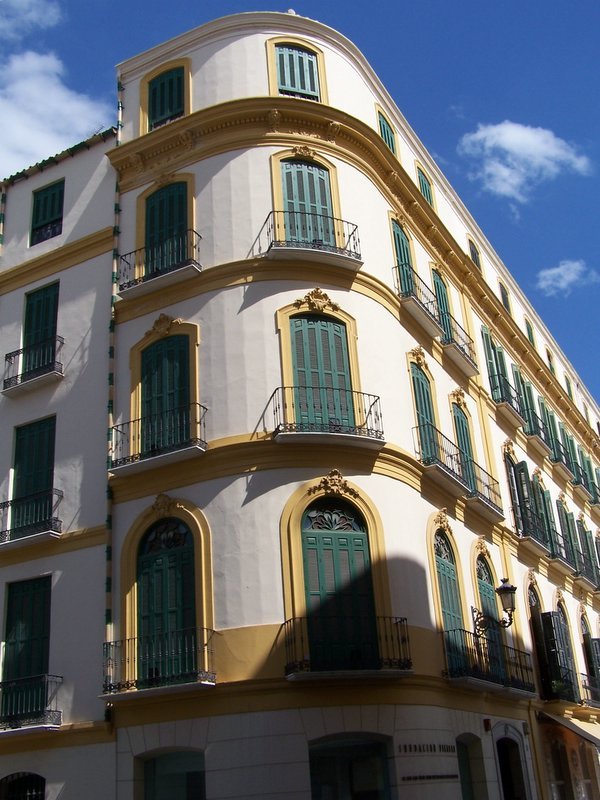
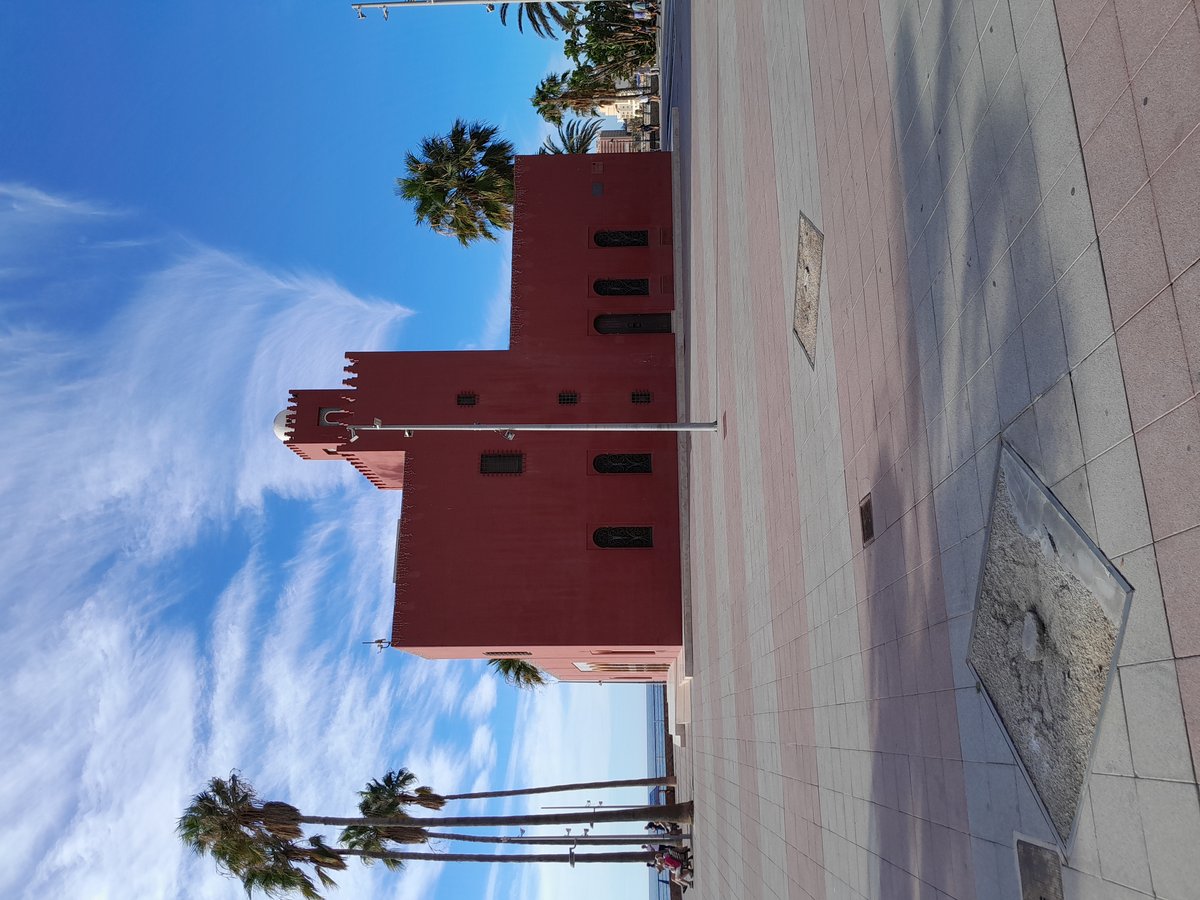
Explore Puerta De Las Atarazanas in Pictures
Historical Background
Origins and Development
The Atarazanas shipyards were constructed outside the medieval city walls, near the Guadalmedina River and the then-coastline, providing direct access to the sea for building and repairing ships (sobreespana.com). The first phase, likely 12th-century, featured a large rectangular building with five longitudinal naves and two main doors. In the 14th century, under Nasrid rule, the complex expanded with new defensive walls and a monumental marble arch—the Puerta de las Atarazanas—believed to date to the reign of Yusuf I (rutasarqueologicas.malaga.eu).
Architectural and Defensive Role
The Atarazanas complex was both a shipyard and a defensive stronghold, covering over 5,000 square meters and fortified with thick walls and battlements. The monumental gate, a pointed horseshoe arch carved from marble and jaspon, is framed by a rectangular alfiz and features Arabic inscriptions reflecting Nasrid religious and cultural values (sobreespana.com). With its imposing 24-meter height and 7.5-meter width, it is among the most significant remains of Islamic Málaga.
From Christian Conquest to Modern Market
After Málaga’s conquest in 1487, the shipyard’s maritime function waned. The structure served various civic and military purposes, including an army barracks, hospital, and ammunition storehouse (rutasarqueologicas.malaga.eu). By the 19th century, much of the building was demolished; only the gate survived, later integrated as the entrance to the Mercado Central de Atarazanas, built in 1876–1879.
Preservation and Archaeology
Archaeological excavations, particularly in 2008, revealed original shipyard foundations beneath the market, confirming the site’s naval and defensive significance. The gate itself, though not all original pieces are in place, remains a largely intact testament to Málaga’s Islamic heritage (rutasarqueologicas.malaga.eu).
Architectural Features
The Nasrid Arch
The Puerta de las Atarazanas, the only surviving element of the original shipyard, is a prime example of Nasrid architecture outside Granada’s Alhambra. The pointed horseshoe arch is constructed from marble, framed by a double alfiz (inner and outer decorative moldings), and adorned with Arabic inscriptions, including “Only God is the victor, glory be to Him” (Espanaguide; Viajeros en Corto Málaga).
19th-Century Neo-Moorish Market
Joaquín Rucoba’s 19th-century market hall was designed in Neo-Moorish style, blending iron, glass, and Moorish decorative motifs. The restored Nasrid arch was incorporated as the main entrance, while modern additions like the stained-glass window at the rear illustrate Málaga’s maritime history (Visita Málaga; Freetour Andalucía).
Artistic Elements
The market’s stained-glass window, created in 1973, is a key artistic highlight, depicting the city’s port and historical landmarks. The spacious interior is characterized by iron columns, glass panels, and market stalls divided into sections for produce, seafood, and meats (Espanaguide).
Cultural and Historical Significance
The Puerta de las Atarazanas is a living link to Málaga’s Islamic past and a symbol of its multicultural legacy. After the Christian conquest, the site continued to adapt—serving as convent, arsenal, hospital, and school—before becoming a market. Today, it remains a vibrant hub for local commerce and social interaction, with the preserved Nasrid arch acting as a daily reminder of the city’s history (Ciudad con Alma; Cadena SER).
Visiting the Puerta de las Atarazanas and Mercado Central
Visiting Hours
- Monday to Saturday: 8:00 AM to 2:00 PM (some sections until 3:00 PM).
- Closed: Sundays and public holidays.
- Best time: Early mornings for the freshest products and fewer crowds (Visitanddo.com).
Tickets and Entry Fees
- Admission: Free—no tickets required.
Accessibility
- Wheelchair accessible: Ramps and wide entrances.
- Restrooms: Accessible facilities available.
Guided Tours and Special Events
- Guided tours: Available through local tourism offices and private operators, often including tastings and historical commentary (Oh My Good Guide).
- Seasonal events: Food festivals and cultural celebrations are periodically held in the market.
Travel Tips
- Language: Spanish is predominant, but many vendors speak basic English.
- Payments: Cash is preferred; some stalls accept cards.
- Photography: Allowed, but ask vendors before taking close-up photos.
- Dress: Comfortable shoes recommended; floors may be wet.
Nearby Attractions
- Málaga Cathedral: 10–15 minute walk.
- Alcazaba Fortress: 15–20 minute walk.
- Picasso Museum: Nearby in the historic center.
Market Highlights and Facilities
- Stalls: About 265, offering seafood, meats, produce, spices, and local foods.
- Tapas bars: Try local specialties like pescaito frito and fresh seafood tapas.
- Stained-glass window: Rear of the market, depicting Málaga’s history.
- ATMs and Wi-Fi: Available inside or nearby.
Safety, Sustainability, and Accessibility
- Safety: Generally safe; watch for pickpockets during busy times.
- Sustainability: Support local businesses and bring reusable bags.
- Accessibility: Step-free entrances and accessible restrooms.
Seasonal and Practical Advice
- High season: June–September is busiest.
- Weather: Covered market provides shelter; can be warm in summer.
- Families: Family-friendly with supervision recommended for children.
Frequently Asked Questions (FAQ)
Q: What are the Puerta de las Atarazanas visiting hours?
A: Monday to Saturday, 8:00 AM to 2:00 PM. Closed Sundays and public holidays.
Q: Is there an entry fee?
A: No, entry is free.
Q: Are guided tours available?
A: Yes, through local operators and tourism offices.
Q: Is the market wheelchair accessible?
A: Yes, with step-free access and accessible restrooms.
Q: Can I pay by card?
A: Cash is preferred, though some stalls accept cards.
Q: Is photography allowed?
A: Yes, but please ask vendors before taking photos.
Summary & Final Tips
The Puerta de las Atarazanas is a living monument that encapsulates Málaga’s rich Islamic heritage, architectural innovation, and vibrant urban culture. As the gateway to the Mercado Central de Atarazanas, it welcomes visitors to experience the city’s history, gastronomy, and community. With free and accessible entry, guided tours, and proximity to other major attractions, it is an essential stop for any Málaga itinerary (rutasarqueologicas.malaga.eu; Espanaguide; Ciudad con Alma).
Travel Tips:
- Visit early for the best experience and freshest products.
- Engage with local vendors for recommendations and tastings.
- Combine your visit with nearby cultural and historical sites.
- Stay updated on hours and special events via the official Málaga tourism website.
Listen to the full story in the app
Your Personal Curator, in Your Pocket.
Audio guides for 1,100+ cities across 96 countries. History, stories, and local insight — offline ready.
Audiala App
Available on iOS & Android
Join 50k+ Curators
Sources
- verified
- verified
- verified
- verified
- verified
- verified
- verified
- verified
Last reviewed: