Introduction: Plaza de la Merced – Málaga’s Historical and Cultural Heart
Plaza de la Merced, located in the heart of Málaga, is both a vibrant city square and a living testament to Southern Spain’s layered history. From its ancient Roman roots and pivotal moments during the Islamic and Christian eras to its significance in the 19th-century liberal movement, the plaza has continually evolved. Today, it stands as a focal point for art, culture, and communal life, most famously as the birthplace of Pablo Picasso. Visitors can explore historic monuments, enjoy gastronomic delights at local terraces, and immerse themselves in Málaga’s dynamic events calendar. This guide provides practical information on visiting hours, tickets, accessibility, and nearby attractions, ensuring you experience the best of Plaza de la Merced during your stay. (Wikipedia, Málaga Tourism Office, Klook)
Photo Gallery
Explore Plaza De La Merced in Pictures

Plaza de la Merced, a lively square in Málaga, featuring colorful buildings and a prominent tall monument at the center

Scenic view of Plaza de la Merced in Málaga featuring historic architecture, cobblestone streets, and lively outdoor cafes

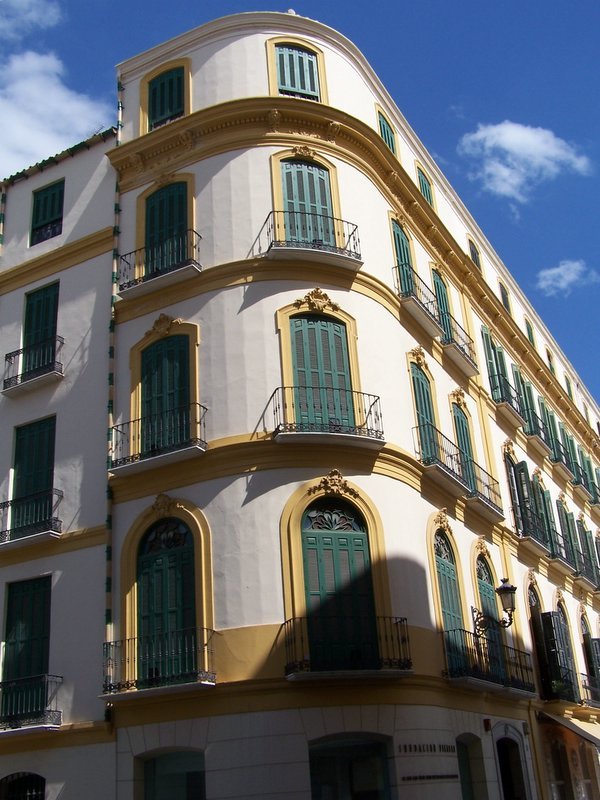
View of 19th century buildings in Plaza de La Merced, Malaga, featuring the first building on the left designed by Jerónimo Cuervo and built in 1878.
Ancient Origins and Medieval Transformations
Plaza de la Merced’s origins stretch back to the Roman era, with archaeological evidence confirming its role as a gathering space outside Málaga’s ancient city walls. During the Islamic period, the site was known as “bib al-malaad” or “puerta del teatro,” highlighting its proximity to the Roman theatre and serving as a key city gate. After the Christian conquest in 1487, the area became a transitional space for the city’s Muslim population and soon emerged as a busy market square, earning the name “Plaza del Mercado.” The arrival of the Mercedarian Order in 1507, escaping pirate raids, led to the construction of the Convento de Nuestra Señora de la Merced and gave the plaza its current name. (Wikipedia, Klook)
19th-Century Liberalism and Urban Reforms
The 19th century marked a period of transformation: Plaza de la Merced became a hub for Málaga’s bourgeoisie and a stage for political events. Most notably, the execution of General José María Torrijos and his companions in 1831, for their fight against absolutism, is commemorated by the Monumento a Torrijos—a 17-meter obelisk designed by Rafael Mitjana. The plaza’s urban layout was modernized with elegant residential buildings and a shift towards its current rectangular form. (Wikipedia)
20th Century to Present: Modernization and Cultural Renaissance
The 20th century brought both loss and renewal. The destruction of religious institutions, such as the Church of La Merced, and the closure of historic cinemas made way for modern developments. Yet, the plaza’s spirit was revitalized through cultural projects, most notably the conversion of Picasso’s birthplace into a museum. Recent renovations have preserved the plaza’s historic character while adapting it for contemporary use, ensuring its continued role as a gathering place for locals and visitors alike. (Malaga Guru)
Artistic Significance: Picasso’s Legacy
Plaza de la Merced’s global fame largely stems from being the birthplace of Pablo Picasso, one of the most influential artists of the 20th century. At number 15, the house where Picasso was born in 1881 now hosts the Casa Natal de Picasso, an official museum dedicated to his early life, family, and artistic beginnings. The museum’s collection includes works by Picasso and his father, as well as period artifacts, documents, and exhibitions curated by the Pablo Ruiz Picasso Foundation. Outside, a bronze statue of Picasso (installed in 2008) invites visitors to sit with the artist, capturing the intersection of Málaga’s artistic heritage and its lively present. (Supertravelr, Wikipedia)
Monuments and Public Art
The most prominent monument in the square is the Monumento a Torrijos, a neoclassical obelisk commemorating General Torrijos and his companions. Their remains are interred beneath the monument, making it a powerful symbol of civil rights and liberal ideals in Spanish history. The plaza also features beautifully restored 19th-century facades, ornate balconies, and the evocative bronze statue of Picasso. These elements, combined with seasonal jacaranda blooms, create a visually stunning urban landscape. (Wikipedia)
Contemporary Culture and Gastronomy
Plaza de la Merced is a thriving hub for contemporary Málaga, bustling with cafés, tapas bars, and restaurants. The square’s lively terrace culture is emblematic of Andalusian conviviality—locals and visitors gather to enjoy local specialties like espeto de sardinas (grilled sardines) and porra antequerana (cold tomato soup). The plaza is also a favorite spot for street performers, musicians, and spontaneous art installations, especially on weekends and during special events. Nightlife here often begins with a lively social scene before moving to nearby music venues. (Klook, Malaga Guru)
Annual Events and Festivals
Plaza de la Merced serves as a stage for Málaga’s most important annual events:
- Three Kings Parade (January 5th): A family-friendly spectacle with floats and performers, best viewed from the plaza. (mylittleworldoftravelling.com)
- Carnival (February/March): Parades, costume contests, and the “Burial of the Anchovy” create a festive atmosphere.
- Semana Santa (Holy Week): Elaborate religious processions with ornate floats pass through the square.
- Feria de Málaga (August): The city’s largest festival transforms the plaza with decorations, dancing, and local gastronomy.
- Noche de San Juan (June 23rd): Pre-beach celebrations with music and food.
- Festivals for the Virgen del Carmen and Día de la Victoria: Religious processions and musical performances.
- Málaga Fashion Week (September): Designer showcases and pop-up events.
- Christmas Markets and Lights (November–December): Festive stalls, decorations, and live music.
- Jacaranda Bloom (May–June): The square is especially picturesque with blooming trees. (cestee.com)
For details on event schedules and any ticket requirements, consult official sources or the Málaga Tourism Office.
Visitor Information: Hours, Tickets, Accessibility
- Plaza Access: Open to the public 24/7; no entrance fee.
- Picasso Birthplace Museum: Open Tuesday to Sunday, generally 10:00 AM – 6:00 PM (last entry 5:30 PM); closed Mondays. Tickets are about €5 for adults, with discounts for students, seniors, and free entry for children under 18. (Picasso Birthplace Museum)
- Other Attractions: Teatro Cervantes and Casa del Patio have separate hours and ticket prices—check their official websites for details.
- Accessibility: The plaza is pedestrian-friendly and wheelchair accessible. The Casa Natal de Picasso provides ramps and accessible facilities.
- Getting There: Centrally located and easily reached by foot, bus (lines 1, 36, 37, C2), or taxi. The closest metro stop is El Perchel. Parking is available at Alcazaba car park and on Calle Refino, though public transport is recommended during festivals.
- Nearby Attractions: Teatro Cervantes, Alcazaba fortress, Roman Theatre, Calle Granada, and Mirador de Gibralfaro are all within walking distance. (Andalucia.com, Explorial)
Nearby Attractions and Photo Spots
- Monumento a Torrijos: Central obelisk; best photographed in morning or late afternoon.
- Picasso Statue: Popular for photos, especially with the backdrop of the lively plaza.
- Jacaranda Trees: Blooming season (May–June) offers spectacular color.
- Teatro Cervantes: Historic theater one block away.
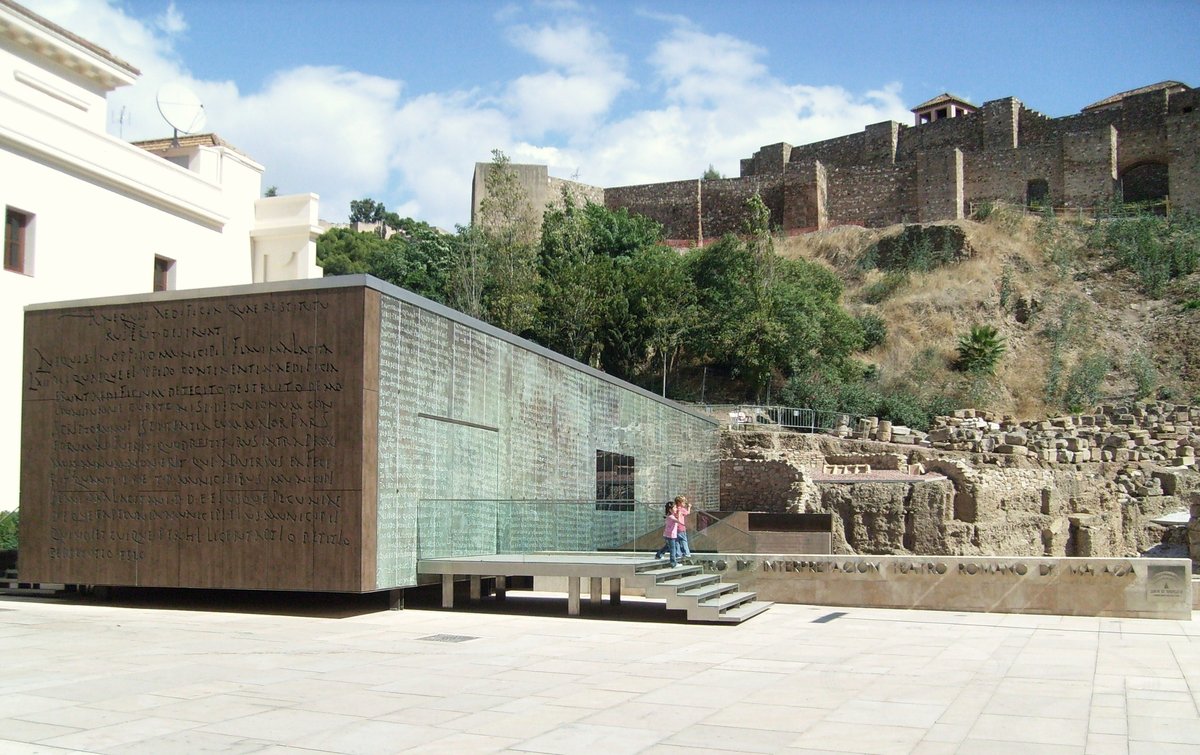
- Roman Theatre and Alcazaba: Ancient sites just a few minutes’ walk.
- Vibrant Street Life: Outdoor cafés and market stalls provide dynamic urban scenes.
Practical Travel Tips
- Best Times to Visit: Spring and autumn offer mild weather; early mornings and late afternoons for fewer crowds and best lighting.
- Markets: Artisan and crafts markets are held on select Sundays.
- Safety: The plaza is generally safe, but always watch your belongings during crowded events.
- Dining: Local tapas bars and restaurants offer seasonal specialties and outdoor seating.
- Events: Arrive early during festivals for the best viewing spots, and use public transport to avoid parking challenges.
Frequently Asked Questions (FAQ)
Q: What are the opening hours of Plaza de la Merced?
A: The plaza is open 24/7. Museums and attractions have specific hours—check official sites.
Q: Is there an entrance fee?
A: No fee for the plaza; museums like Casa Natal de Picasso charge admission.
Q: Are guided tours available?
A: Yes, numerous local operators offer tours that include Plaza de la Merced and Picasso’s birthplace.
Q: Is the plaza accessible for wheelchairs and strollers?
A: Yes, the plaza and major attractions are accessible.
Q: What events take place at Plaza de la Merced?
A: The plaza hosts major festivals, processions, markets, and open-air concerts throughout the year.
Q: How do I get there?
A: Walk from city center, take local buses, or use metro (El Perchel stop nearby).
Listen to the full story in the app
Your Personal Curator, in Your Pocket.
Audio guides for 1,100+ cities across 96 countries. History, stories, and local insight — offline ready.
Audiala App
Available on iOS & Android
Join 50k+ Curators
Sources
- verified
- verified
- verified
- verified
- verified
- verified
- verified
Last reviewed: