Introduction
The Monument to Tiburcio Arnaiz in Málaga stands as a poignant tribute to Father Tiburcio Arnaiz Muñoz (1865–1926), a Jesuit priest revered for his tireless commitment to faith, education, and social justice. Known as “the Apostle of Málaga,” Arnaiz dedicated his life to uplifting marginalized communities across Andalusia, notably founding the Missionaries of the Rural Parishes and pioneering educational and social outreach in impoverished districts (Wikipedia; Jesuits Global). This monument, crafted in life-size bronze and centrally located in Málaga’s urban landscape, invites visitors to explore the city’s rich religious and cultural heritage.
This comprehensive guide details everything you need to know for your visit: monument locations and artistic features, visiting hours, ticketing (entry is always free), accessibility, guided tour options, practical tips, and highlights of nearby attractions. Whether you’re a history buff, a spiritual traveler, or simply keen to experience Málaga’s vibrant culture, you’ll find all the information necessary to plan a meaningful visit.
- Introduction
- Historical Background and Legacy of Tiburcio Arnaiz
- The Tiburcio Arnaiz Monument in Málaga
- Visitor Tips and Practical Information
- Frequently Asked Questions (FAQ)
- Summary & Call to Action
- References
Historical Background and Legacy of Tiburcio Arnaiz
Early Life and Education
Tiburcio Arnaiz Muñoz was born on August 11, 1865, in Valladolid, Spain. Losing his father at a young age, Arnaiz faced economic hardship but remained steadfast in his pursuit of education and religious vocation, serving as a sacristan and eventually being ordained a priest in 1890. He later earned a Doctor of Theology degree, reflecting his intellectual rigor and dedication (Wikipedia; Saint for a Minute).
Ministry and Jesuit Service
After ordination, Arnaiz became a parish priest in rural villages, where he honed his pastoral skills and deepened his commitment to serving the marginalized. In 1902, he entered the Society of Jesus, embracing the Jesuit mission of education, spiritual exercises, and “popular missions” to unreachable populations (Jesuits Global).
Missionary Work in Málaga and Andalusia
Arnaiz’s most lasting impact was in Málaga and the surrounding regions, where he devoted himself to the city’s “corralones” (communal courtyards) and rural communities. He provided education, catechesis, and spiritual support to the urban poor while also organizing lay catechists and offering retreats and prison ministry. His work in Málaga’s poorest neighborhoods and rural Andalusia transformed many lives (The Jesuit Post).
Founding the Missionaries of the Rural Parishes
In 1922, Arnaiz co-founded the Missionaries of the Rural Parishes (Misioneras de las Doctrinas Rurales), a congregation aimed at bringing religious education and social support to remote rural areas. This pioneering work continues today, focusing especially on empowering laywomen as catechists (Saint for a Minute; The Jesuit Post).
Beatification and Spiritual Legacy
Arnaiz died in 1926 in Granada. His legacy of humility and service led to his beatification in 2018 at Málaga’s Cathedral, following recognition of his heroic virtues and a miracle attributed to his intercession (Zenit). His tomb in the Church of the Corazón de Jesús remains a site of pilgrimage.
The Tiburcio Arnaiz Monument in Málaga
Location and Setting
There are two prominent sites associated with Tiburcio Arnaiz’s legacy in Málaga:
- Plaza de la Constitución: A bustling, historic square in Málaga’s Old Town, central to the city’s cultural life and near major attractions like the Cathedral and Calle Marqués de Larios (Inside the Travel Lab).
- Intersection of Calle Hilera and Armengual de la Mota (near Perchel): The official monument’s location, chosen for its proximity to the neighborhoods where Arnaiz worked and the church housing his tomb (Malaga Turistica; minube.com).
Both sites are easily accessible by foot, bus, or taxi, and are embedded in areas rich with Málaga’s history and daily life.
Artistic Description & Symbolism
The bronze monument, created by sculptor José Antonio Rodríguez Muñoz and architect Fernando Soler Romero, depicts Father Arnaiz in a dynamic, forward-moving posture, Jesuit habit, and with open hands—a gesture of offering, openness, and service. The cape trailing from his shoulder symbolizes the burdens he bore for others. The statue stands on a dual-finish limestone base: rough below (representing hardship) and polished above (signifying enlightenment and the transformative power of education). The Jesuit monogram “JHS” and a dedication plaque further anchor the monument’s religious and social symbolism (Malaga Turistica).
Visiting Hours & Ticket Information
- Accessibility: As an outdoor monument in a public space, the site is open 24 hours a day, seven days a week.
- Entrance Fee: Free; no ticket required. Donations for monument upkeep are welcome but not obligatory.
- Best Times to Visit: Early mornings or late afternoons for fewer crowds and optimal photography conditions.
Accessibility
- Wheelchair Access: Paved sidewalks, ramps, and flat terrain ensure the site is accessible for visitors with mobility challenges.
- Amenities: Public restrooms nearby; seating and shaded areas provided by adjacent parks and plazas.
Guided Tours & Events
- Guided Tours: The monument is frequently included in religious and historical walking tours of Málaga. Check with local tour operators or the Málaga tourist office for schedules (Málaga Tourism Official Site).
- Special Events: Commemorative ceremonies are held on July 18 (Arnaiz’s feast day) and on the monument’s anniversary, featuring religious services and community gatherings.
Nearby Attractions & Itinerary Suggestions
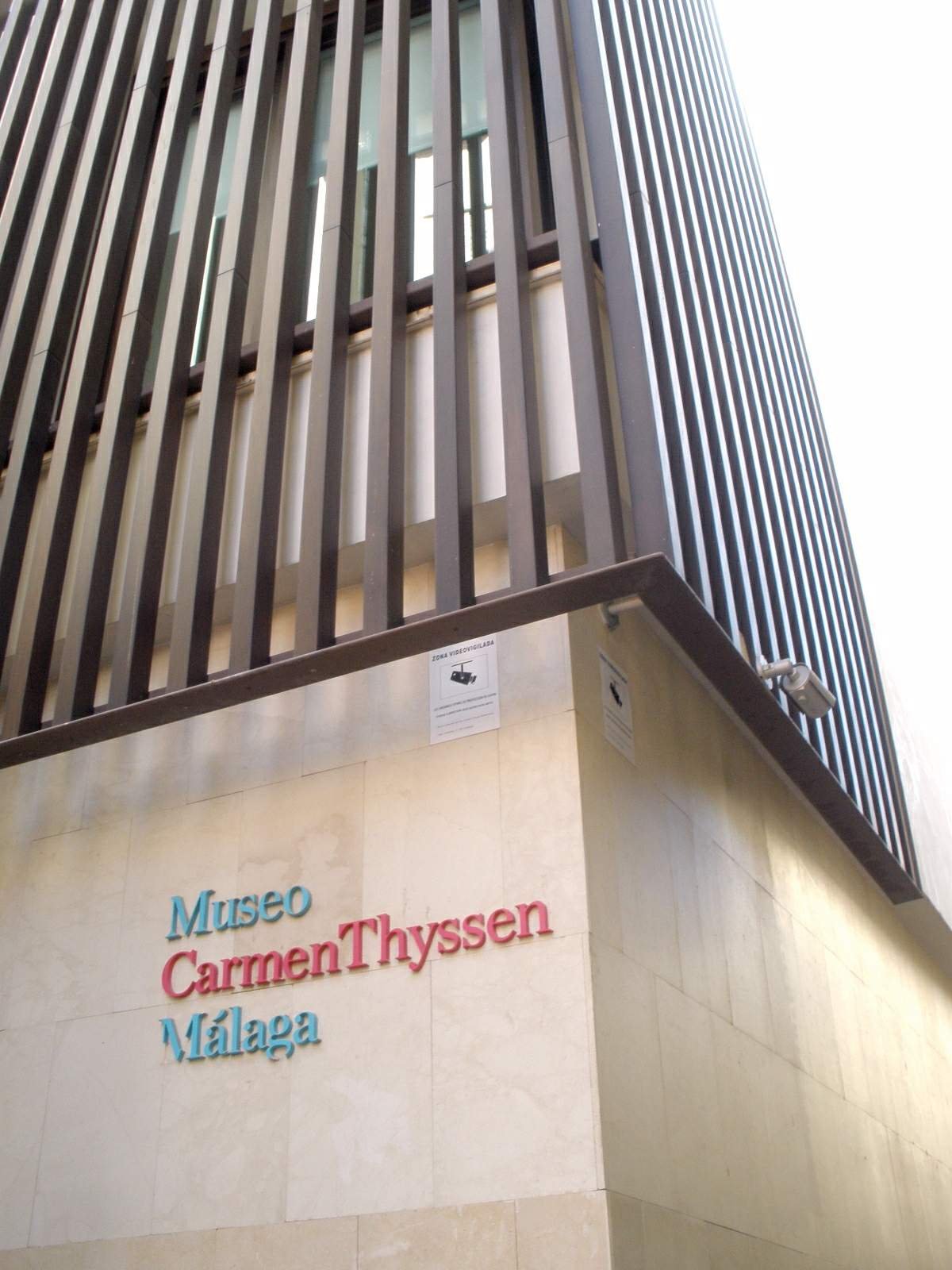
- Cultural Sites: Málaga Cathedral, Alcazaba fortress, Picasso Museum, Iglesia del Sagrado Corazón (Arnaiz’s tomb), Museo Carmen Thyssen, Atarazanas Market.
- Dining: Enjoy tapas in Calle Larios or seafood at beachfront chiringuitos, especially espeto (grilled sardines) (The Crazy Tourist).
- Park Experience: Combine your visit with a stroll through Parque de Málaga, dotted with fountains, sculptures, and lush gardens.
Visitor Tips and Practical Information
- Weather: Málaga has a Mediterranean climate; bring water, sunscreen, and a hat during summer afternoons.
- Safety: The area is well-patrolled and safe, but exercise standard urban precautions.
- Photography: The monument and surrounding plazas offer excellent photo opportunities, especially at sunrise or sunset.
- Language: Informative plaques are in Spanish; translation apps or prior research are helpful for non-Spanish speakers.
Frequently Asked Questions (FAQ)
Q: What are the visiting hours for the Monument to Tiburcio Arnaiz?
A: The monument is accessible 24 hours a day, every day.
Q: Is there an entrance fee or ticket required?
A: No, visiting the monument is free and open to all.
Q: Is the monument wheelchair accessible?
A: Yes, the area features ramps and paved pathways.
Q: Are guided tours available?
A: Yes, many walking tours include the monument; check with local tour providers.
Q: Are there special events at the monument?
A: Yes, especially around July 18 and on local holidays.
Discover More
The Monument to Tiburcio Arnaiz in Málaga is more than a tribute to a singular priest; it is a living symbol of compassion, education, and social justice at the heart of the city’s identity. Open 24/7 and fully accessible, the site is an essential stop for anyone wanting to understand Málaga’s spiritual and cultural legacy. Enhance your visit by joining a guided tour, exploring nearby attractions, or attending special events. For an enriched experience, download the Audiala app for audio tours and up-to-date visitor information.
Plan your visit now to connect with Málaga’s enduring history—and be inspired by the legacy of Tiburcio Arnaiz.
Listen to the full story in the app
Your Personal Curator, in Your Pocket.
Audio guides for 1,100+ cities across 96 countries. History, stories, and local insight — offline ready.
Audiala App
Available on iOS & Android
Join 50k+ Curators
Sources
- verified
- verified
- verified
- verified
- verified
- verified
- verified
- verified
- verified
Last reviewed: