Introduction
The Monument to Miguel de Molina in Málaga is a powerful tribute to one of Spain’s most iconic and resilient copla singers. Located in the serene Plaza de Capuchinos, the monument honors both his formidable artistic legacy and his courageous personal journey through persecution and exile during Francoist Spain. Seamlessly integrated into Málaga’s urban and cultural fabric, this monument serves as a symbol of memory, social progress, and LGBTQ+ visibility. Accessible 24 hours a day and free of charge, it welcomes both locals and visitors to engage with Málaga’s rich cultural history (minube.com, ElPlural, Wikipedia: Miguel de Molina, The Crazy Tourist).
Miguel de Molina: Life and Legacy
Miguel Frías de Molina (1908–1993) was born in Málaga into humble circumstances. Despite early adversity—including bullying and expulsion from school—he emerged as a trailblazing figure in Spanish music, particularly the copla genre. His dramatic storytelling, innovative costumes, and flamboyant stage presence set him apart as the "faraón de la copla," with hit performances such as “El día que nací yo” and “La bien pagá” (Wikipedia: Miguel de Molina).
Political Persecution and Exile
A vocal supporter of the Spanish Republic, Miguel de Molina’s career was derailed after the Spanish Civil War. His open homosexuality and Republican sympathies made him a target for the Francoist regime. He faced threats, violence, and blacklisting, ultimately forcing him into exile in Argentina, where he continued to perform but never returned to live in Spain (Wikipedia: Miguel de Molina).
Posthumous Recognition and Cultural Impact
After Molina’s death in Buenos Aires in 1993, Spain began to reconsider his significance, not just as an artist but as an emblem of resilience and LGBTQ+ visibility. The unveiling of the monument in 1997 in Málaga marked a turning point, acknowledging his contributions and the injustices he suffered. Exhibitions, films, and plays—such as “Las cosas del querer” and “Ojos verdes, Miguel de Molina in memoriam”—have further cemented his legacy (Wikipedia: Miguel de Molina).
Origins and Creation of the Monument
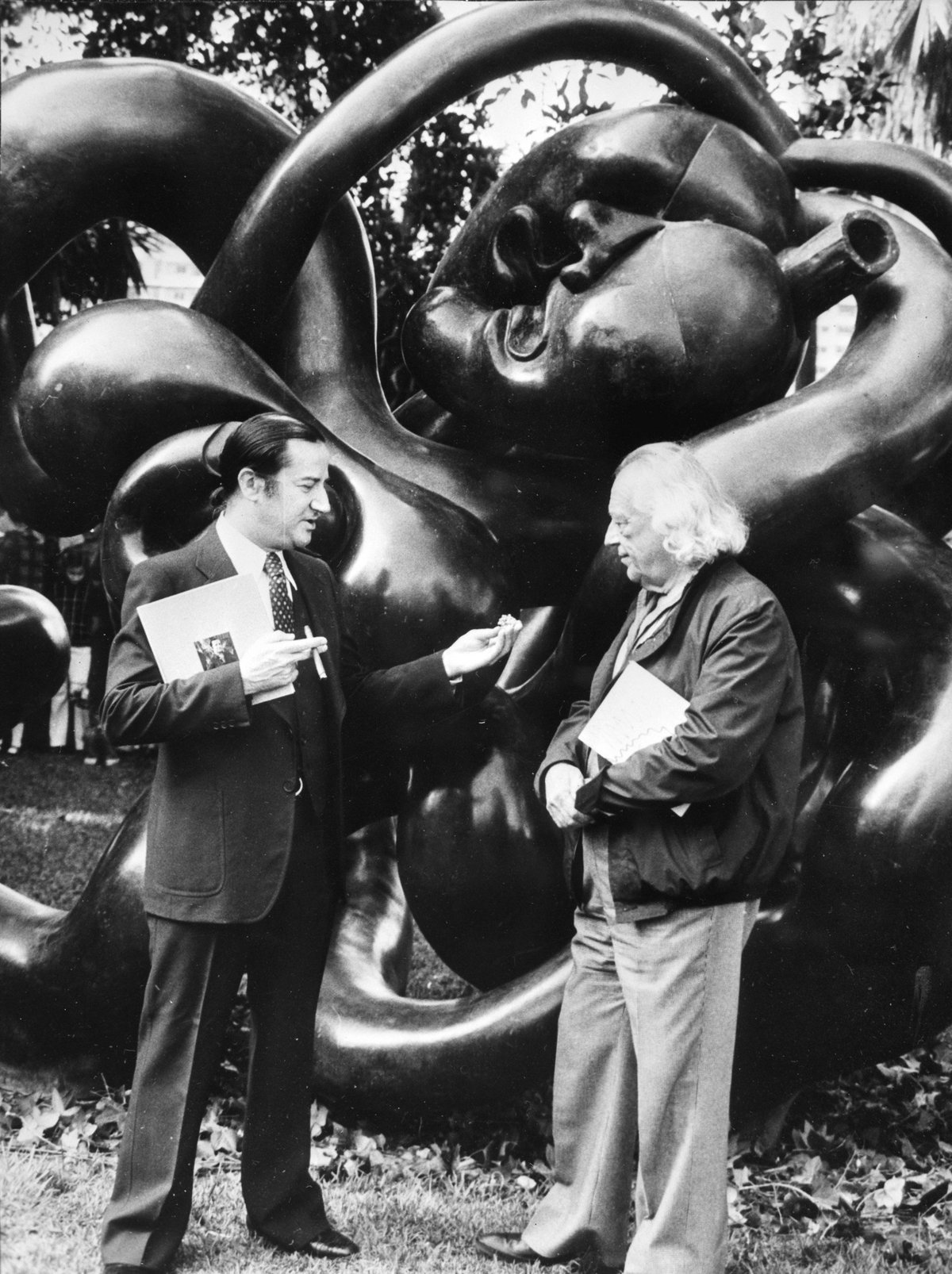
The monument was inaugurated on April 10, 1997, in Plaza de Capuchinos, the neighborhood where Molina was born. Designed by renowned sculptor Suso de Marcos, the monument combines modernist abstraction with expressive realism, reflecting both Molina’s public acclaim and private struggles (minube.com). Its creation followed a period of posthumous reevaluation, symbolizing both restitution and recognition.
Monument Design and Symbolism
Artistic Concept
The monument’s design is a sophisticated interplay of materials and forms:
- Main Structure: A robust concrete wall clad in reflective stainless steel, symbolizing modernity and renewal.
- Stone Cenefa and Bronze Portraits: Two geometric stone frames house positive and negative impressions of Molina’s face in bronze, representing the duality of presence and absence—his fame and his exile (ElPlural).
- Water Feature: A thin sheet of water flows down the steel wall, evoking cleansing, the passage of time, and continual renewal.
- Dimensions: The monument stands approximately 2.5–3 meters tall, forming a striking ensemble within a tranquil plaza (Wikimedia Commons).
Symbolic Importance
Beyond its artistry, the monument is a focal point for Málaga’s LGBTQ+ community and a living memorial to resilience in the face of repression. It is often adorned with flowers and tributes during Pride Month and significant anniversaries (The Crazy Tourist).
Current Condition and Conservation
As of 2025, the monument has shown signs of deterioration, notably a detached stone cenefa. Public calls for restoration have prompted local authorities to initiate maintenance, reflecting the community’s commitment to preserving this important cultural landmark (ElPlural, Patrimonio Herido).
Visiting Information
- Location: Plaza de Capuchinos, Capuchinos neighborhood, Málaga, Spain.
- Visiting Hours: Open 24/7; accessible at any time.
- Tickets: Free of charge; no reservation needed.
- Accessibility: Wheelchair accessible with paved paths and benches.
- Getting There: Easily reached by several city bus lines and a 15-minute walk from Málaga’s main train station. Parking is limited; public transport is recommended.
- Guided Tours: Included in many local walking tours focused on Málaga’s music and cultural history.
- Special Events: The monument hosts commemorative events during Málaga Pride, Molina’s anniversaries, and local festivals.
Visitor Experience and Activities
- Photography: The monument’s reflective steel and water feature offer excellent photo opportunities, especially in the morning or late afternoon.
- Educational Value: On-site plaques and QR codes provide background in English and Spanish.
- Community Engagement: The plaza often serves as a gathering point for cultural events and educational visits by school groups, fostering intergenerational dialogue about Spain’s history and Molina’s life.
Frequently Asked Questions (FAQ)
Q: What are the visiting hours?
A: The monument is outdoors and accessible 24/7.
Q: Is there an entrance fee?
A: No, the site is free to visit.
Q: Is the site wheelchair accessible?
A: Yes, the plaza is fully accessible.
Q: Are guided tours available?
A: Yes, many city walking tours include the monument.
Q: What’s the best time to visit?
A: Early morning or late afternoon for optimal lighting and less heat in summer.
Nearby Attractions and Suggested Itineraries
The monument is ideally situated for inclusion in a cultural walking tour of Málaga’s city center. Nearby highlights include:
- Picasso Museum Málaga
- Plaza de la Merced
- Alcazaba and Gibralfaro Castle
- Atarazanas Market
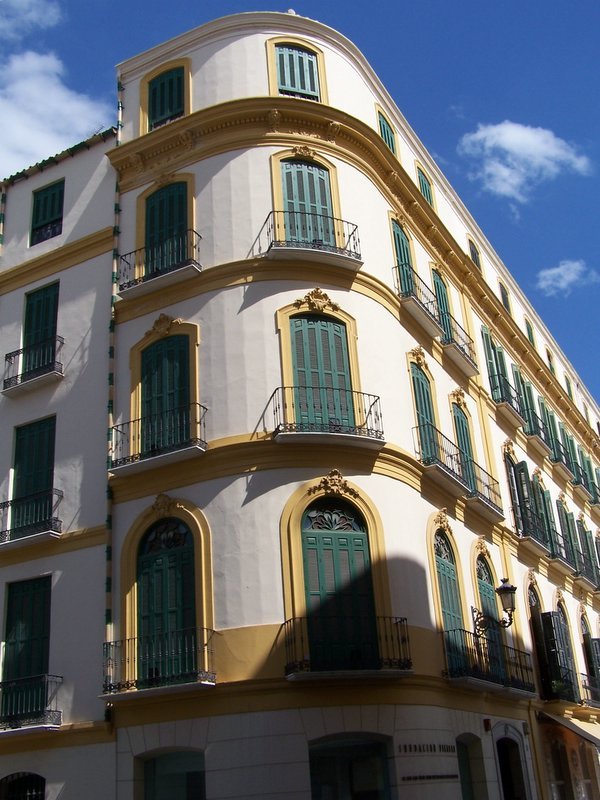
A suggested route: Start at the Picasso Museum, visit the Monument to Miguel de Molina, and conclude at the Alcazaba for a comprehensive cultural experience (Faraway Worlds, Explora Málaga).
Practical Visitor Tips
- Dress comfortably and bring water in summer.
- Combine your visit with local cultural events or guided tours.
- Check for restoration updates on local heritage websites.
- Respect the monument as a site of cultural and LGBTQ+ significance.
Listen to the full story in the app
Your Personal Curator, in Your Pocket.
Audio guides for 1,100+ cities across 96 countries. History, stories, and local insight — offline ready.
Audiala App
Available on iOS & Android
Join 50k+ Curators
Sources
- verified
- verified
- verified
- verified
Last reviewed: