Introduction
The Marquis of Larios Monument is one of Málaga’s most celebrated landmarks, standing as a testament to the city’s transformation in the late 19th century. Erected in honor of Manuel Domingo Larios y Larios, the second Marquis of Larios, this imposing bronze and marble sculpture marks the southern entrance of Calle Marqués de Larios—Málaga’s principal commercial avenue and a vibrant hub for locals and visitors alike.
This guide provides a detailed overview of the monument’s historical and artistic significance, practical information about visiting, accessibility details, nearby attractions, and travel tips to help you make the most of your experience in Málaga’s historic heart.
Historical Background
Unveiled in 1899, the Marquis of Larios Monument commemorates the extraordinary contributions of Manuel Domingo Larios y Larios, an influential industrialist, philanthropist, and senator. He was instrumental in the economic and urban development of Málaga, spearheading projects that modernized the city’s infrastructure and fostered community welfare.
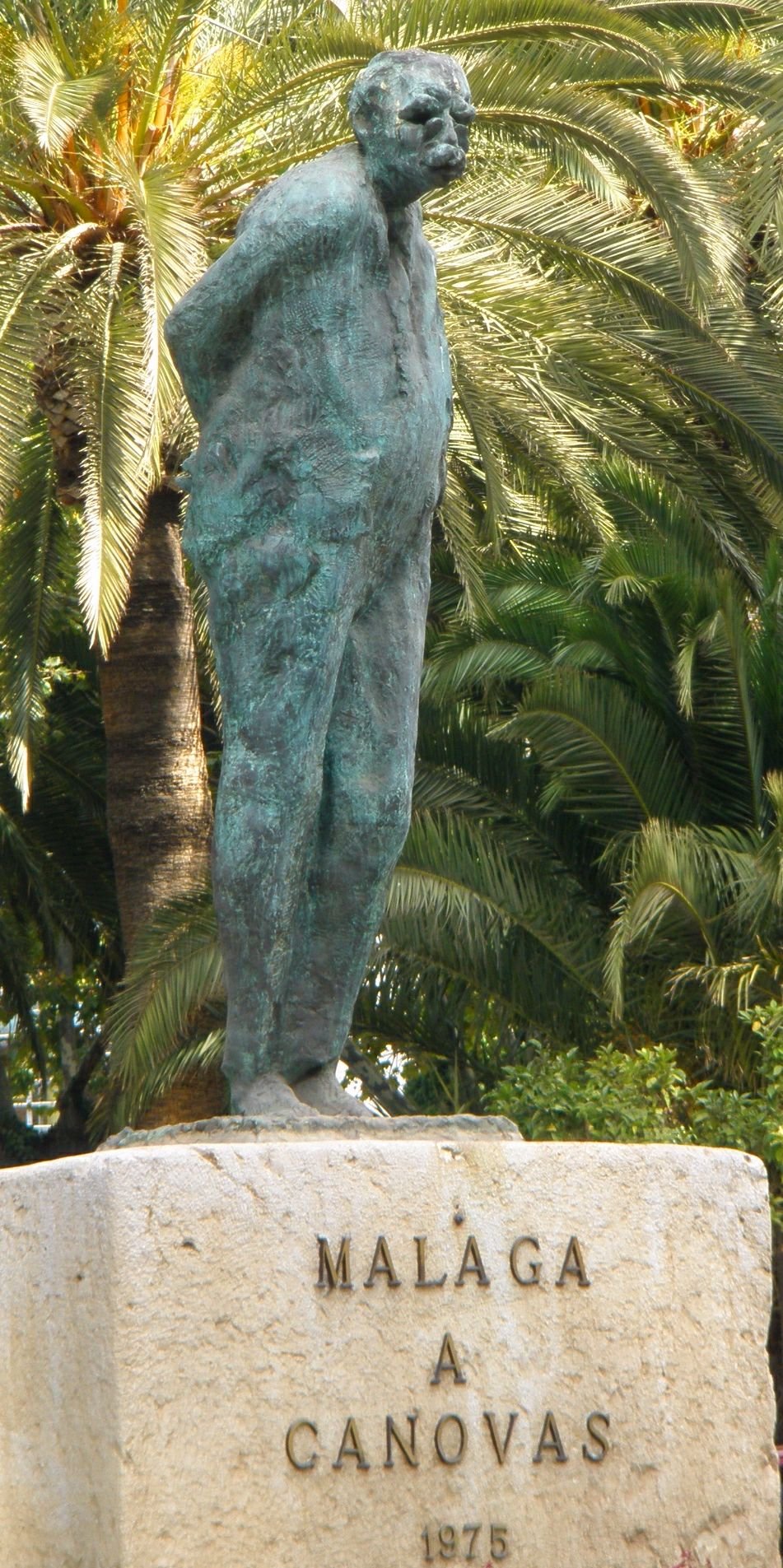
The renowned Spanish sculptor Mariano Benlliure designed the monument. The bronze statue portrays the Marquis holding a scroll—symbolizing his vision for urban planning—while allegorical figures at the base represent labor, charity, agriculture, industry, and commerce. These elements collectively embody the Marquis’s dedication to both economic progress and social responsibility (Flamenco Malaga).
Location and Setting
Situated at the intersection of Alameda Principal and Calle Marqués de Larios, the monument serves as a symbolic gateway to Málaga’s historic center. This central, pedestrian-friendly location offers easy access to the city’s major attractions, including the Picasso Museum, Málaga Cathedral, the Alcazaba fortress, and a wealth of shops, cafes, and restaurants (Cestee).
Artistic and Architectural Features
- Sculpture: The larger-than-life bronze statue of the Marquis stands atop a marble pedestal sourced from local quarries. The detailed craftsmanship, achieved through traditional lost-wax casting, highlights Benlliure’s artistic finesse.
- Allegorical Figures: Surrounding the Marquis are symbolic figures representing Málaga’s key economic sectors and values: labor, charity, agriculture, industry, and commerce.
- Pedestal Reliefs: The base features neoclassical bas-reliefs and inscriptions expressing the city’s gratitude and documenting the Marquis’s legacy.
- Orientation: Originally facing the sea to represent Málaga’s maritime spirit, the statue was rotated in the 1950s to face the city, reflecting evolving urban priorities (QuestoApp).
Visitor Information
Visiting Hours and Tickets
- Opening Hours: The Marquis of Larios Monument is an open-air public monument accessible 24 hours a day, seven days a week.
- Admission: There is no entrance fee; visiting is entirely free (Trip.com).
Accessibility
- Pedestrian Access: Located in a fully pedestrianized zone, the monument is easily reachable on foot.
- Mobility: The area features smooth, flat pavements, making it accessible for wheelchair users and families with strollers.
- Transport: Numerous bus lines and taxi ranks are nearby, and the monument is within walking distance from Plaza de la Constitución and other central landmarks.
Best Time to Visit
- Daylight Hours: For optimal photography and comfortable sightseeing, visit during the morning or late afternoon when natural light enhances the monument’s features.
- Festivals: The monument becomes a focal point during major events such as Semana Santa (Holy Week), Feria de Málaga (August Fair), and Christmas, when Calle Larios is adorned with spectacular decorations and lighting.
Visitor Experience and Activities
Photo Opportunities
The monument’s grandeur, set against the elegant facades of Calle Larios, makes it a favorite backdrop for photos. Seasonal events and festival decorations offer unique photographic opportunities throughout the year.
Guided and Self-Guided Tours
- Guided Walking Tours: Many local operators include the monument in their historical tours, providing deeper insights into its cultural and urban context.
- Mobile Apps: Self-guided audio tours via apps like Questo enhance the experience with interactive storytelling (QuestoApp).
Cultural Events
Throughout the year, the monument is at the heart of Málaga’s public celebrations, parades, and demonstrations. Its base is often decorated with flowers and banners during festivals, further embedding it in the city’s social life.
Nearby Attractions
While visiting the Marquis of Larios Monument, consider exploring these nearby highlights:
- Calle Marqués de Larios: The city’s premier shopping and dining street.
- Picasso Museum Málaga: A renowned collection of works by Pablo Picasso.
- Málaga Cathedral: Known as La Manquita, a masterpiece of Renaissance architecture.
- Alcazaba Fortress: A historic Moorish citadel.
- Mercado Central de Atarazanas: A lively food market offering local delicacies.
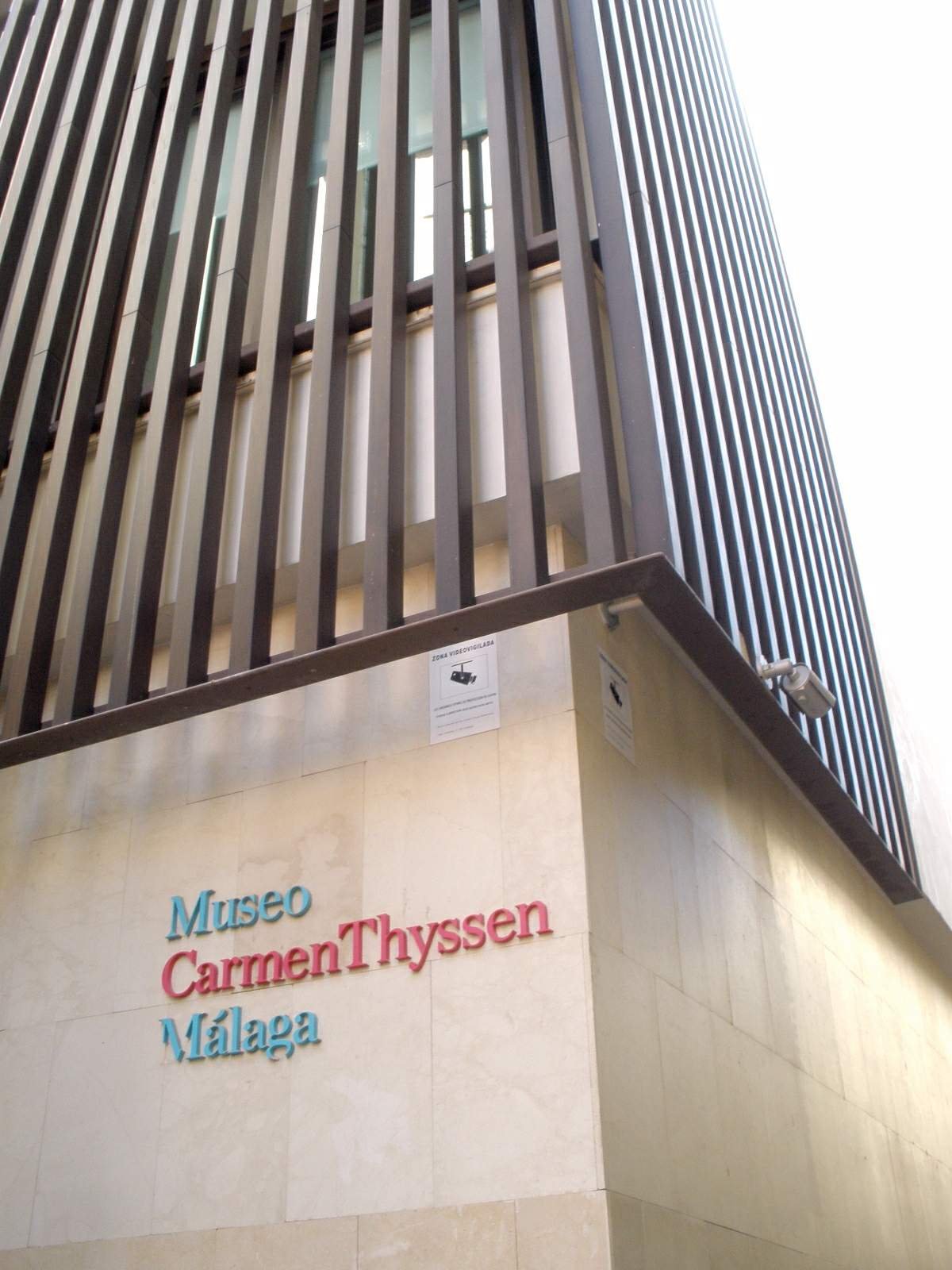
- Museo Carmen Thyssen Málaga: Showcasing 19th-century Spanish art.
Practical Tips
- Combine your visit with shopping or a coffee break on Calle Larios.
- Visit during festivals for a lively, colorful atmosphere.
- Respect the monument by not climbing or leaving litter.
Frequently Asked Questions (FAQ)
Q: Is there an entrance fee to see the Marquis of Larios Monument?
A: No, the monument is outdoors and freely accessible at all times.
Q: Are guided tours available?
A: Yes, many local companies offer tours that include the monument and surrounding historic sites.
Q: Is the monument wheelchair accessible?
A: Yes, the pedestrianized area is suitable for wheelchairs and strollers.
Q: What’s the best time to visit?
A: Early morning or late afternoon for fewer crowds and better lighting; during festivals for a festive atmosphere.
Cultural and Social Significance
Beyond its artistic value, the Marquis of Larios Monument serves as a symbol of Málaga’s transition into a modern metropolis. It is a popular meeting point and a vibrant gathering place during public events, reflecting the city’s communal spirit and evolving history (infotourmalaga.com).
Sustainability and Preservation
The monument is protected as a significant public artwork and is regularly maintained by the city. Visitors are encouraged to help preserve this heritage by respecting the site and using nearby amenities for picnicking or resting.
Further Information and Official Links
Download the Audiala app for self-guided tours, audio guides, and real-time updates on Málaga’s monuments and cultural events. For more travel tips and inspiration, follow us on social media and explore our curated guides to Málaga’s historical sites.
Audiala2024
Listen to the full story in the app
Your Personal Curator, in Your Pocket.
Audio guides for 1,100+ cities across 96 countries. History, stories, and local insight — offline ready.
Audiala App
Available on iOS & Android
Join 50k+ Curators
Sources
- verified
- verified
- verified
- verified
Last reviewed: