Introduction
The María Auxiliadora School Group in Málaga and its related sites form a significant tapestry of Spain’s religious, educational, and cultural heritage. Deeply rooted in the Salesian tradition and the legacy of Saint John Bosco, these locations reflect over a century of dedication to youth education, spirituality, and community. From the renowned sanctuary and school complex in Málaga to the revitalized María Auxiliadora School in El Palo and the vibrant campus in Marbella, each site offers a unique opportunity to explore Andalusian history, architecture, and living traditions. This guide provides comprehensive information on history, architecture, visiting hours, accessibility, events, travel tips, and more to enrich your experience at the María Auxiliadora sites in Málaga and Marbella.
Photo Gallery
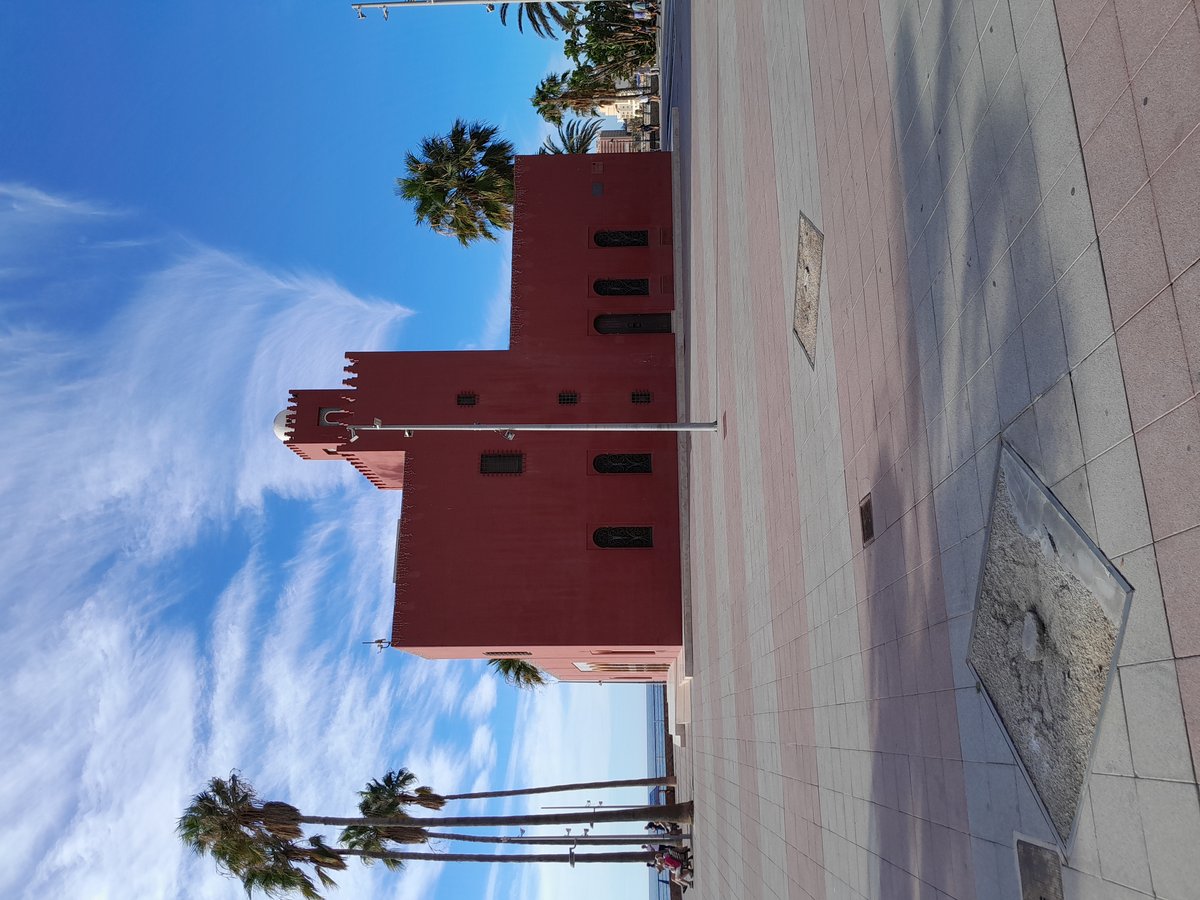
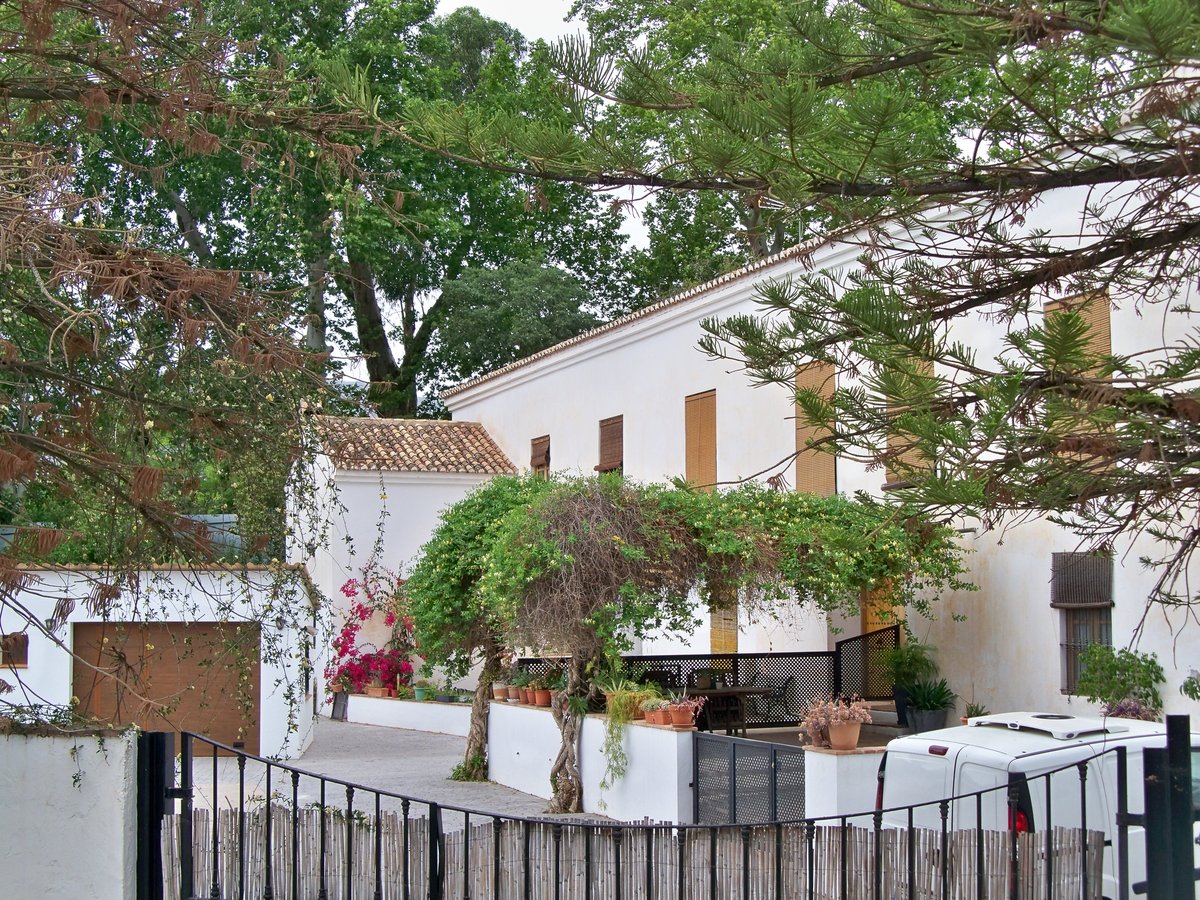
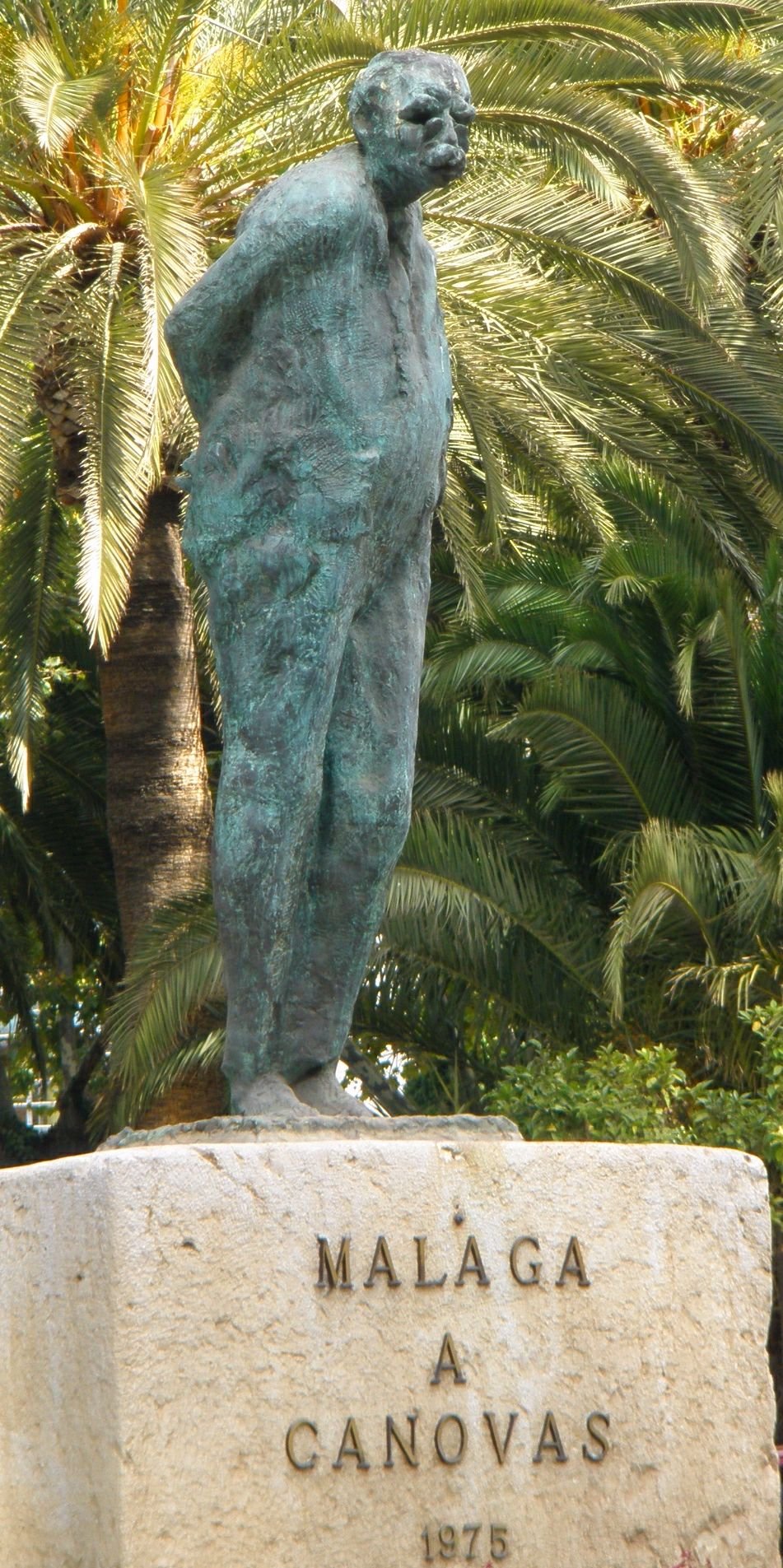
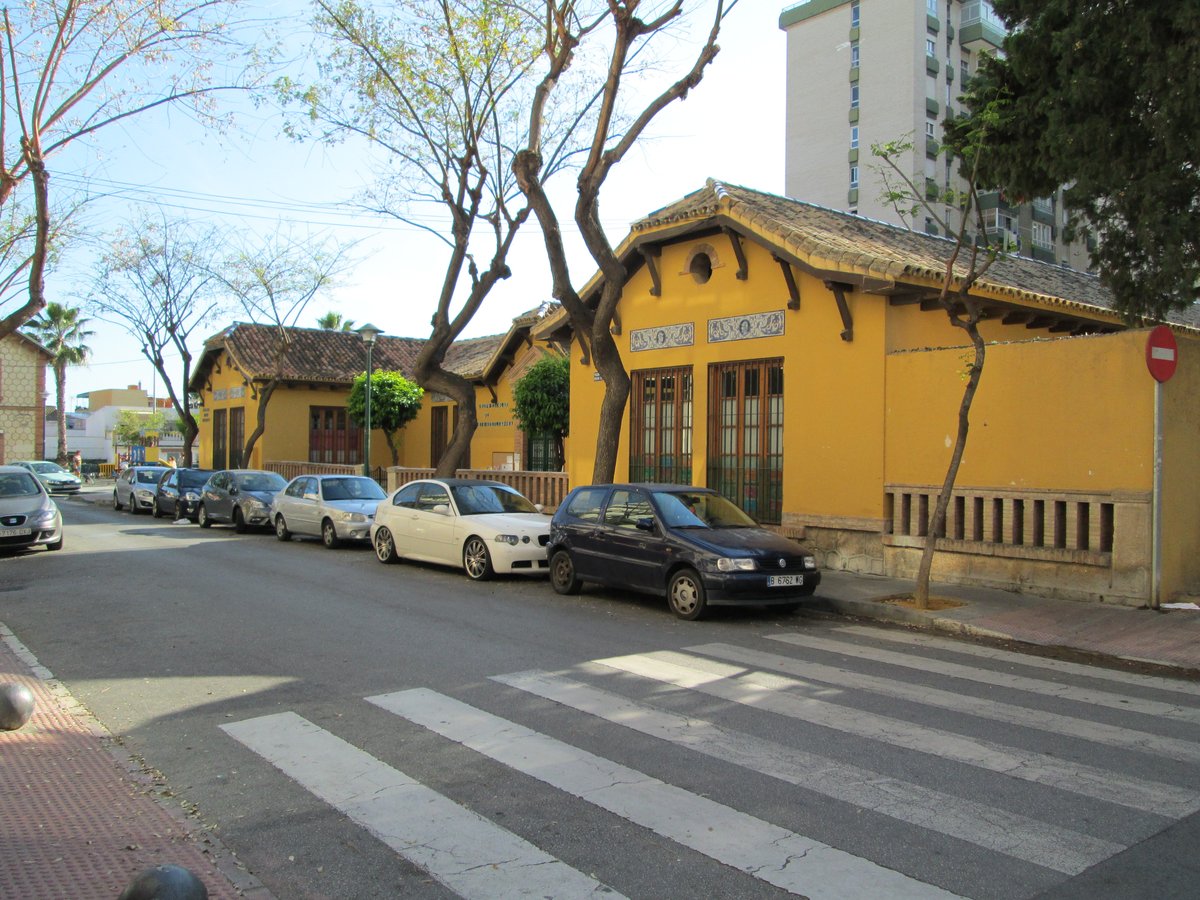
Explore María Auxiliadora School Group in Pictures
Historical Origins and Significance
María Auxiliadora School Group in Málaga
The presence of the Salesians in Málaga dates back to 1883, when Juan Cagliero arrived to establish the order’s educational and spiritual mission. The formal foundation of the Casa Salesiana and the Archicofradía de María Auxiliadora occurred in 1899, marking the beginning of a legacy devoted to youth education and care for the disadvantaged, all guided by the teachings of Saint John Bosco. The school quickly became a beacon for both learning and spiritual life, rooted deeply in the local community (La Opinión de Málaga).
The Archicofradía de María Auxiliadora
Founded in 1899, the Archicofradía is one of Spain’s oldest Marian brotherhoods and holds special significance in Málaga’s religious history. Canonically crowned in 1907, it endured the trials of the Spanish Civil War, including the destruction of its original Marian image. The community’s resilience was embodied in the creation and blessing of a new statue by José Navas Parejo in 1938, which continues to serve as the spiritual heart of the sanctuary and its processions (Glorias de Málaga).
Architectural and Artistic Highlights
Sanctuary and School Complex in Málaga
The sanctuary at Calle Eduardo Domínguez Ávila, 19, in the Capuchinos district, is the focal point for the Archicofradía and a vibrant center for worship. Its luminous nave, Andalusian architectural motifs, and beautifully adorned altar dedicated to María Auxiliadora create a serene and inspiring atmosphere. The adjacent school buildings reflect a blend of late 19th- and early 20th-century styles, integrating traditional masonry with modern educational facilities, open courtyards, and spaces that foster community interaction (Fundación Victoria).
Artistic Treasures
A central highlight is the 1938 statue of María Auxiliadora by José Navas Parejo, representing the Virgin with the Christ Child and a scepter, following Don Bosco’s vision. The processional throne, meticulously crafted by the Hermanos Caballero and gilded by Ángel Varo, is a masterpiece of religious art featured in the annual May processions (La Opinión de Málaga).
Visitor Information
Visiting Hours
-
Sanctuary and School Group in Málaga:
Monday–Saturday: 9:00 AM–1:00 PM & 5:00 PM–8:00 PM
Sunday: Limited to services (confirm for special events)
(Fundación Victoria) -
María Auxiliadora School in El Palo (now Public Library & Cultural Center):
Monday–Friday: 9:00 AM–8:00 PM
Saturday: 10:00 AM–2:00 PM
Sunday/Public Holidays: Closed
(malaga.eu) -
María Auxiliadora Monument:
Daily: 9:00 AM–7:00 PM (extended during festivals)
(Spain.info) -
María Auxiliadora School in Marbella:
Monday–Friday: 9:00 AM–2:00 PM (visits by appointment only)
(micole.net)
Tickets and Entry
- Sanctuary, school grounds, and monument: Free entry.
- Guided tours or special exhibitions: May require advance booking or tickets.
- María Auxiliadora School in Marbella: Visits require a scheduled appointment. No ticket fee.
Accessibility
All sites are wheelchair accessible, with ramps and adapted restrooms. Facilities are designed to be inclusive for all visitors. Public transportation is available to each site, and parking is generally limited, especially during major events—use public transit when possible.
Getting There
- Málaga Sites: Accessible via city buses, taxi, or on foot from central districts.
- El Palo: Take city buses to Avenida Estación de El Palo.
- Marbella School: Centrally located; reachable by local bus or taxi. Street parking available but check for restrictions.
Travel Tips
- Weekday mornings are the quietest times to visit.
- May is especially vibrant at the Málaga site due to Marian festivities.
- Combine visits with nearby attractions such as the Alcazaba, Málaga Cathedral, El Palo Beach, and Marbella Old Town.
Special Events and Cultural Activities
Málaga
- Annual May Processions: Featuring the revered image of María Auxiliadora, and statues of Saint John Bosco and Saint Dominic Savio.
- 125th Anniversary Celebrations (2024): Includes special processions, exhibitions, and community events.
- Community and Cultural Activities: Open days, workshops, and tertulias.
El Palo
- Literary and Cultural Events: Conferences, workshops, art exhibitions, concerts, and participation in city festivals like “Jazz en tu zona” and “Noche en Blanco.”
- Public Library Services: General reading rooms, computer access, and multipurpose spaces.
Marbella
- Cultural and Artistic Events: Exhibitions, performances, and open days.
- Sports Tournaments: Inter-school competitions.
- Special Salesian Celebrations: Including the feast of María Auxiliadora.
Nearby Attractions
- Málaga: Alcazaba Fortress, Málaga Cathedral, Picasso Museum, Málaga Film Festival venues.
- El Palo: Traditional fishing neighborhood, beach promenade, Mercado de Salamanca.
- Marbella: Old Town, beaches, local museums, Iglesia de la Encarnación.
Frequently Asked Questions (FAQ)
Q: What are the visiting hours for each site?
A: See “Visiting Hours” section above for detailed times.
Q: Is there an entrance fee?
A: Entry is free at all sites; guided tours or special activities may require booking.
Q: Are the sites accessible for people with disabilities?
A: Yes, all have ramps and accessible facilities.
Q: Are guided tours available?
A: Yes, especially at the sanctuary and during special events. Marbella school visits are guided by appointment.
Q: Can I take photographs?
A: Photography is generally allowed, but permission may be required in the school and during religious ceremonies.
Preservation and Contemporary Relevance
The María Auxiliadora sites exemplify Málaga’s commitment to preserving its architectural, religious, and educational heritage. Restoration and adaptive reuse, especially in El Palo, ensure that historic buildings continue to enrich community life. The sanctuary, school complexes, and monument remain active centers for worship, learning, and cultural engagement, attracting new generations and visitors from around the world (Fundación Victoria).
Plan Your Visit
Enhance your experience with the Audiala app, which offers audio guides, interactive maps, and up-to-date event information. For further resources, consult official websites and tourism portals, and follow social media channels for announcements and visitor tips.
Listen to the full story in the app
Your Personal Curator, in Your Pocket.
Audio guides for 1,100+ cities across 96 countries. History, stories, and local insight — offline ready.
Audiala App
Available on iOS & Android
Join 50k+ Curators
Sources
- verified
- verified
- verified
- verified
- verified
- verified
- verified
- verified
Last reviewed: