Plan and listen to Jardines De Puerta Oscura with Audiala.
Audio guide in your pocket, itinerary in your browser. Built for the way you actually visit.
Introduction
Welcome to the Jardines de Puerta Oscura, a verdant sanctuary nestled in the heart of Málaga, Spain. This historic garden, inaugurated in 1937, was designed by the esteemed architect Fernando Guerrero-Strachan Rosado. The primary aim was to beautify the Alcazaba's fortification walls, thus creating a harmonious blend of natural and man-made beauty. Located on the southern slope of Monte Gibralfaro, behind the Málaga City Hall and adjacent to the Jardines de Pedro Luis Alonso, these gardens offer an escape from the urban hustle and a dive into Málaga's rich cultural tapestry (source).
The name 'Puerta Oscura' traces back to an ancient Arab gate that once stood near the gardens, serving as a main entrance to the city during Muslim rule (source). This historical significance adds another layer of intrigue to the gardens, making them a living museum of Andalusian and Moorish influences. The terraced layout maximizes the steep terrain of Monte Gibralfaro, offering panoramic views of Málaga and the Mediterranean Sea, and featuring a diverse array of plant species (source). Whether you are a history buff, a nature enthusiast, or simply looking for a serene spot to relax, the Jardines de Puerta Oscura promises an enriching experience.

Inception and Design
The Jardines de Puerta Oscura, located in the historic center of Málaga, were inaugurated in 1937. These gardens were designed by the renowned architect Fernando Guerrero-Strachan Rosado. The primary objective behind their creation was to enhance the aesthetic appeal of the Alcazaba's fortification walls. The gardens are situated on the southern slope of Monte Gibralfaro, behind the Málaga City Hall and adjacent to the Jardines de Pedro Luis Alonso (source).
Naming and Historical Significance
The name "Puerta Oscura" is derived from an ancient Arab gate that once stood near the gardens. This gate was one of the main entrances to the city during the period of Muslim rule in Spain. The gardens' location and name serve as a historical reminder of Málaga's rich and diverse past, which includes significant periods under both Muslim and Christian rule (source).
Architectural and Botanical Features
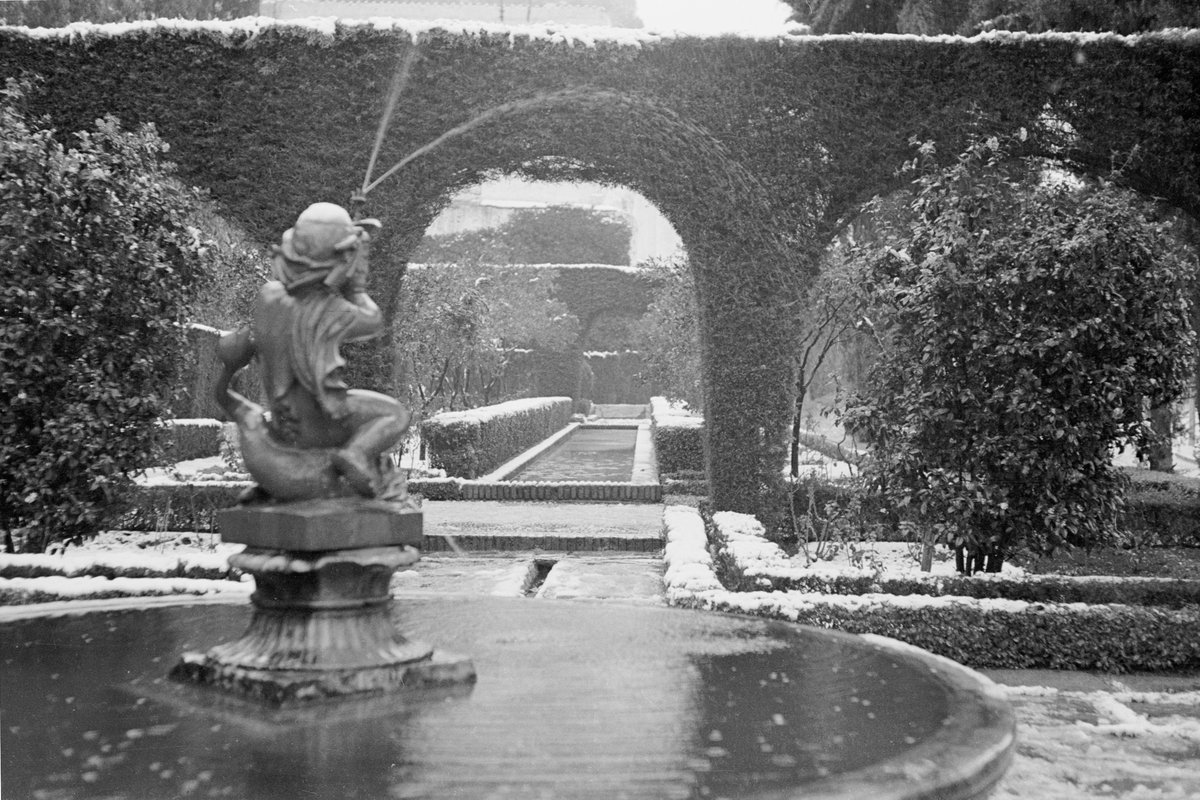
The Jardines de Puerta Oscura are characterized by their unique terraced layout, which was necessitated by the steep incline of Monte Gibralfaro. This design choice not only maximizes the use of space but also provides visitors with stunning panoramic views of the city and the port as they ascend through the gardens. The terraces are adorned with a variety of plant species, including cypress trees, Canary Island date palms, Aleppo pines, bougainvillea, and jacarandas (source).
Enhancing the Alcazaba
One of the primary motivations for the creation of the Jardines de Puerta Oscura was to frame and beautify the Alcazaba's fortification walls. The Alcazaba, a palatial fortification built by the Hammudid dynasty in the early 11th century, is one of Málaga's most significant historical landmarks. The gardens' design complements the Alcazaba's architecture, creating a harmonious blend of natural and man-made beauty that is reminiscent of traditional Islamic gardens (source).
Visitor Information
The Jardines de Puerta Oscura are open to the public 24 hours a day, and entry is free of charge. Visitors can access the gardens through several entrances, including the main entrance on Calle Guillén Sotelo, the Coracha, and the Paseo Don Juan Temboury. Due to the gardens' steep terrain, it is advisable for visitors to wear comfortable footwear and carry water, especially during the hot summer months. The gardens are not only a place for relaxation and leisure but also serve as one of the most scenic routes to the Mirador de Gibralfaro, a popular viewpoint offering breathtaking vistas of Málaga (source).
Travel Tips and Nearby Attractions
To make the most of your visit to the Jardines de Puerta Oscura, consider the following travel tips:
- Best Time to Visit: Early morning or late afternoon to avoid the midday heat and enjoy the gardens in a serene atmosphere.
- Nearby Attractions: Explore adjacent attractions such as the Roman Theatre, the Picasso Museum, and the Jardines de Pedro Luis Alonso to enhance your cultural experience.
- Accessibility: While the gardens' steep terrain may pose challenges, there are several accessible routes for visitors with disabilities. Plan your visit accordingly to ensure a comfortable experience.
Cultural and Environmental Impact
The Jardines de Puerta Oscura play a crucial role in Málaga's cultural and environmental landscape. They provide a green oasis in the heart of the city, offering residents and tourists alike a place to escape the hustle and bustle of urban life. The gardens' diverse plant species contribute to the city's biodiversity and serve as a habitat for various birds and insects. Additionally, the gardens' design and maintenance reflect Málaga's commitment to preserving its historical and cultural heritage while promoting environmental sustainability (source).
Integration with Surrounding Attractions
The Jardines de Puerta Oscura are strategically located between several of Málaga's key attractions, making them an ideal stop for tourists exploring the city's rich historical and cultural offerings. The proximity to other gardens, such as the Jardines de Pedro Luis Alonso, further enhances the visitor experience, providing a seamless transition between different green spaces and historical sites (source).
FAQ
Q: What are the visiting hours for Jardines de Puerta Oscura? A: The gardens are open 24 hours a day, every day of the week.
Q: Is there an entrance fee for the gardens? A: No, entry to the Jardines de Puerta Oscura is free of charge.
Q: Are the gardens accessible for visitors with disabilities? A: Yes, there are several accessible routes within the gardens to accommodate visitors with disabilities.
Q: What is the best time to visit the Jardines de Puerta Oscura? A: Early morning or late afternoon is recommended to avoid the heat and enjoy a peaceful visit.
Listen to the full story in the app
The whole Jardines De Puerta Oscura,
told well.
Audio guides for 1,100+ cities across 96 countries. History, stories, and local insight — offline ready.
Verified, and shown.
Researched and written by the Audiala editorial team from historical records, architectural archives, and local expertise.
Researched from Wikidata, Wikipedia & official sources · fact-checked · How we make our guides →