Introduction
Nestled in the historic La Goleta neighborhood at the intersection of Calle Carretería and Calle Dos Aceras, the Fountain of the Christs (Fuente de los Cristos) stands as one of Málaga’s oldest and most significant public monuments. Established in 1790 as the terminus of the Acueducto de San Telmo, this fountain is not only a testament to the city's innovative urban development but also a vibrant symbol of Málaga’s religious, artistic, and architectural heritage (EMASA; La Opinión de Málaga).
Today, the Fountain of the Christs is a freely accessible public landmark, centrally located and surrounded by traditional Andalusian architecture. It plays a prominent role in Málaga’s cultural calendar, especially during iconic events such as Semana Santa and the Feria de Agosto. With excellent accessibility features and proximity to major attractions, it is a must-see for anyone interested in Málaga’s rich historical tapestry (AccessNow; Official Málaga Tourism Site).
This comprehensive guide covers the fountain’s history, architecture, visitor information, annual festivities, accessibility, and practical travel tips, ensuring you make the most of your visit to this remarkable Málaga historical site (Tripkay).
Photo Gallery
Explore Fountain of the Christs in Pictures
Historical Background and Cultural Significance
Origins and Construction
Constructed at the close of the 18th century, the Fountain of the Christs was the grand finale of the Acueducto de San Telmo project, which revolutionized Málaga’s water supply. Funded by the Franciscan community from the former Convent of San Luis el Real and designed by the renowned architect José Martín de Aldehuela, the fountain was built to address the city’s chronic water shortages and serve the growing population. Its construction was overseen by master builder Silvestre Bonillo, further cementing its place within Málaga’s urban development (EMASA; La Opinión de Málaga).
Architectural Features
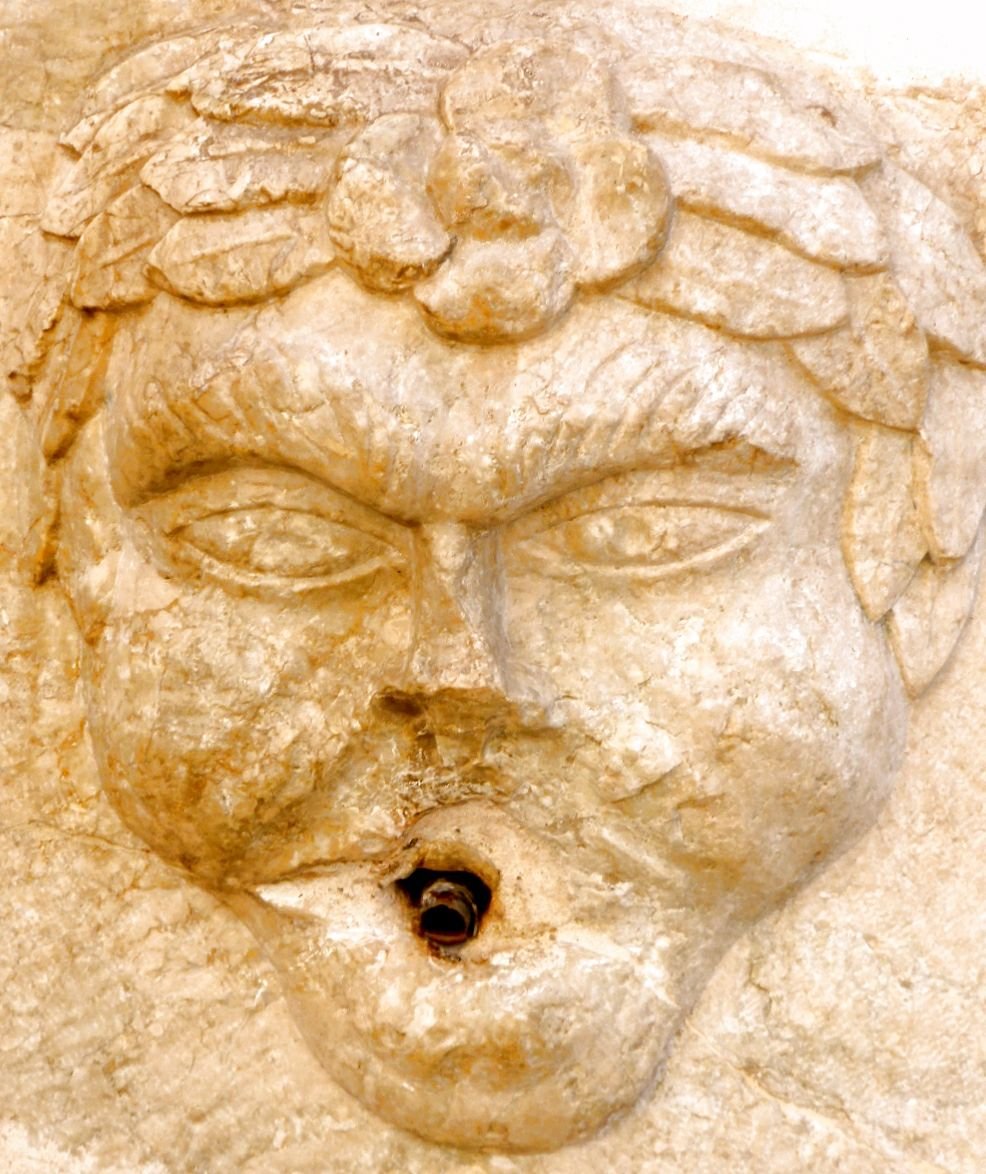
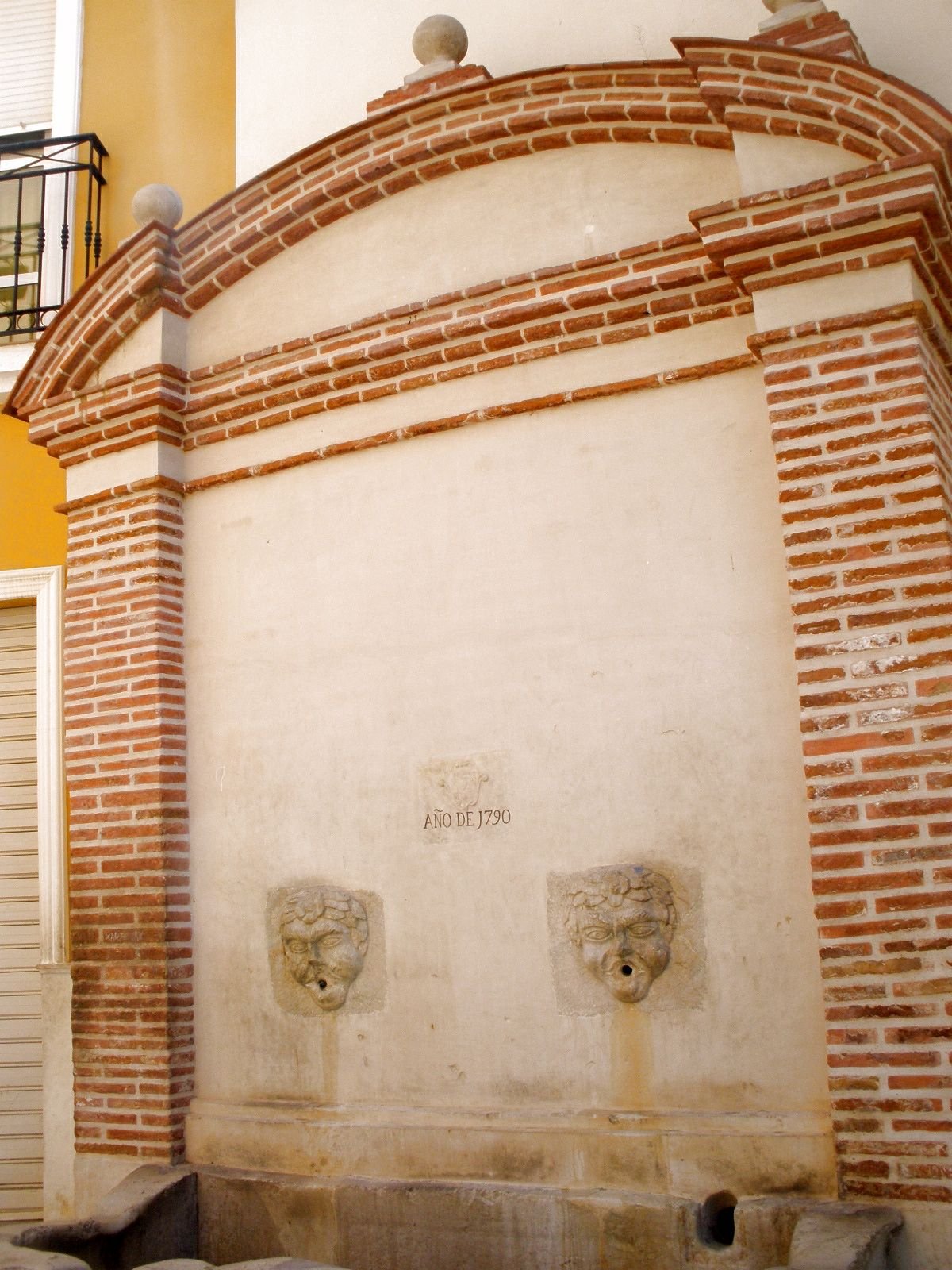
The fountain is a striking example of late 18th-century Andalusian Baroque, characterized by a brick façade finished with the reddish almagra mortar, flanked by Tuscan pilasters. Its pediment is crowned by three stone spheres, and the central section features two marble mascarons of Silenus—figures from classical mythology—serving as spouts above a marble basin. The Franciscan emblem and the construction date are prominently displayed, blending civic utility with rich religious symbolism (EMASA; Malaga Turistica).
Cultural and Urban Significance
The fountain’s location, adjacent to the former convent’s wall, anchored it as both a neighborhood gathering point and a vital infrastructure project. The surrounding street, Calle de Los Cristos, derives its name from religious images that once adorned the convent, underscoring the site’s role in the community’s spiritual life (Malaga Turistica).
Today, the Fountain of the Christs remains a rare surviving link to Málaga’s monastic past and is protected as a Bien de Interés Cultural (BIC). Its sculptural details, blending Christian, classical, and Mudéjar influences, have inspired local artists and writers for generations (La Opinión de Málaga).
Restoration and Preservation
The fountain has been periodically restored, with significant conservation completed in 2000 under the guidance of the Junta de Andalucía. Restoration efforts have focused on maintaining original materials, repairing damage, and combating vandalism, ensuring the fountain’s legacy for future generations (Mas La Opinión de Málaga).
Architectural Features and Artistic Value
Stylistic Influences and Materials
The fountain embodies a harmonious blend of Andalusian Baroque and Renaissance motifs, evident in its symmetrical layout and ornate sculptural details. Elements such as glazed ceramic tiles (azulejos), horseshoe arches, and intricate carvings reflect the region’s Mudéjar and Moorish heritage (Vamos Spanish). The use of marble, stone, and bronze ensures the fountain’s durability and aesthetic appeal.
Artistic and Religious Symbolism
The mascarons of Silenus symbolize the life-giving properties of water, while Franciscan emblems evoke the site’s spiritual roots. During religious festivals, the fountain is transformed with floral and candle decorations, becoming a vibrant backdrop for Málaga’s most cherished processions (Official Málaga Tourism Site).
Integration with Urban Space
Designed for communal use, the fountain is surrounded by benches and shaded areas, inviting visitors to pause and appreciate both its artistry and its tranquil setting amid the city’s vibrant streets.
Visitor Information
Visiting Hours and Admission
- Hours: The Fountain of the Christs is accessible 24/7 as a public monument.
- Admission: Free; no tickets required.
Location and Getting There
- Address: Intersection of Calle Carretería and Calle Dos Aceras, La Goleta, Málaga.
- Transport: Walkable from city center attractions; nearby bus lines (1, 36, C2) stop at Calle Carretería. Málaga María Zambrano train station is 2 km away, accessible by bus or taxi (AccessNow; Visit Andalucia).
- Parking: Underground garages such as Parking Camas and Parking Tejón y Rodríguez are within a 10-minute walk.
Accessibility
- The fountain is located in a flat, pedestrian-friendly plaza with smooth pavements and curb cuts.
- Wheelchair-accessible public transport and taxis are available.
- Accessible amenities, including restrooms and tourist information, can be found at nearby Plaza de la Marina (Disability Horizons).
Guided Tours and Events
- Many city walking tours include the fountain, especially those focused on religious or architectural heritage.
- During major festivals, the fountain area is a focal point for processions and celebrations.
Travel Tips
- Wear comfortable shoes for cobblestone streets.
- Visit during daylight for the best photos and safety.
- Download the Audiala app for self-guided tours and accessibility updates (Audiala).
- Nearby cafés and restaurants offer Andalusian cuisine; restrooms are available in public places and eateries.
Annual Events and Festivities
Semana Santa (Holy Week)
The fountain is a major landmark on the routes of Málaga’s legendary Semana Santa processions. Brotherhoods pass by the fountain with their decorated floats, filling the area with candlelight, music, and reverence. Reserved seating is available for prime viewing, especially during peak days (My Little World of Travelling).
Corpus Christi & Cruces de Mayo
In spring, the fountain and its plaza are adorned with flowers and religious symbols for Corpus Christi and Cruces de Mayo, highlighting Málaga’s deep-rooted traditions (Official Málaga Tourism Site).
Feria de Agosto
During the August Fair, the historic center transforms with music, flamenco, and street decorations, and the fountain becomes a lively meeting point (The Crazy Tourist).
Christmas and Epiphany
From late November to early January, the fountain is illuminated as part of Málaga’s festive light displays, with nearby parades and community celebrations (Official Málaga Tourism Site).
Practical Tips for Visitors
- Best Times to Visit: Early mornings or late afternoons in spring or autumn for fewer crowds and comfortable weather (Faraway Worlds).
- Safety: Málaga is safe, but watch for pickpockets during large events (Spain.info).
- Photography: Respect processions—no flash at night and avoid blocking routes.
- Language: Spanish is primary, but English is widely spoken in tourist areas.
Nearby Attractions
- Málaga Cathedral: A Gothic-Renaissance jewel.
- Alcazaba: Historic Moorish fortress.
- Picasso Museum Málaga: Celebrating Málaga’s most famous artist.
- Teatro Cervantes: For live performances.
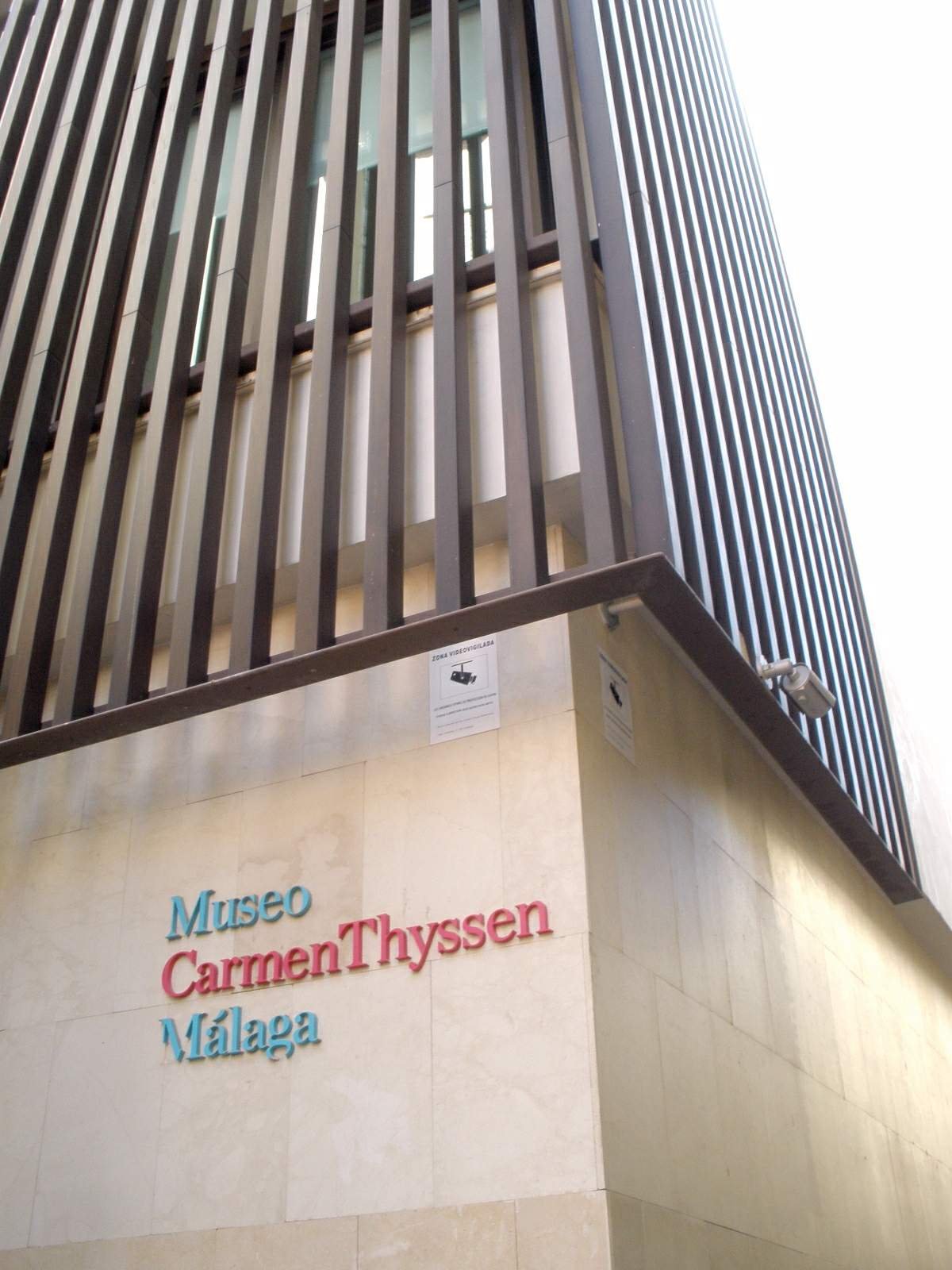
- Museo Carmen Thyssen and Plaza de la Merced: Cultural and gastronomic hubs (Tripkay; Mariela Around the World).
Frequently Asked Questions (FAQ)
Q: Is there a fee to visit the Fountain of the Christs?
A: No, the fountain is free and open to the public at all times.
Q: Is the site accessible for wheelchair users?
A: Yes, the plaza is wheelchair-friendly, with accessible public transport options nearby.
Q: Are guided tours available?
A: Yes, many local tour operators include the fountain in city walking tours.
Q: When is the best time to visit?
A: Outside of major festivals for a quieter experience; during Holy Week or Feria de Agosto for vibrant festivities.
Q: Are there nearby amenities?
A: Numerous cafés, restaurants, shops, and accessible restrooms are within walking distance.
Plan Your Visit
The Fountain of the Christs is more than a historical fountain—it's a living emblem of Málaga’s community, artistry, and tradition. Whether you seek architectural beauty, religious heritage, or simply a peaceful spot to reflect in the heart of the city, this monument will enrich your Málaga experience.
For up-to-date itineraries, accessibility information, and events, download the Audiala app and follow our social media channels. Be sure to explore related attractions nearby for a comprehensive cultural journey through Málaga.
Listen to the full story in the app
Your Personal Curator, in Your Pocket.
Audio guides for 1,100+ cities across 96 countries. History, stories, and local insight — offline ready.
Audiala App
Available on iOS & Android
Join 50k+ Curators
Sources
- verified
- verified
- verified
- verified
- verified
- verified
- verified
- verified
- verified
- verified
Last reviewed: