
Plan and listen to Torre De La Parada with Audiala.
Audio guide in your pocket, itinerary in your browser. Built for the way you actually visit.
Introduction: The Torre de la Parada’s Enduring Legacy
Nestled within the lush Monte de El Pardo just outside Madrid, the Torre de la Parada endures as a powerful symbol of Spain’s Golden Age—a unique blend of royal history, architectural splendor, and artistic achievement. Constructed between 1547 and 1549 as a royal hunting lodge under King Philip II, and gloriously transformed during the reign of Philip IV in the 17th century, the lodge became renowned for its extraordinary collection of mythological and courtly artworks. Commissioned from masters like Peter Paul Rubens and Diego Velázquez, these works reflected the cultural aspirations and grandeur of the Spanish monarchy. Though the lodge was largely destroyed by fire during the War of the Spanish Succession in 1714, its legacy survives in the masterpieces now housed at the Museo del Prado.
While the ruins themselves are protected within a natural reserve and generally inaccessible to the public, the story of the Torre de la Parada can be explored through guided tours of Monte de El Pardo, visits to the Prado, and a wealth of digital resources. This comprehensive guide offers an in-depth look at the site's history, artistic significance, practical visitor information—including hours, ticketing, accessibility, and nearby attractions—and tips for making the most of your engagement with this iconic piece of Madrid’s heritage. For official updates, always consult resources like the Museo del Prado and the Madrid City Heritage Program.


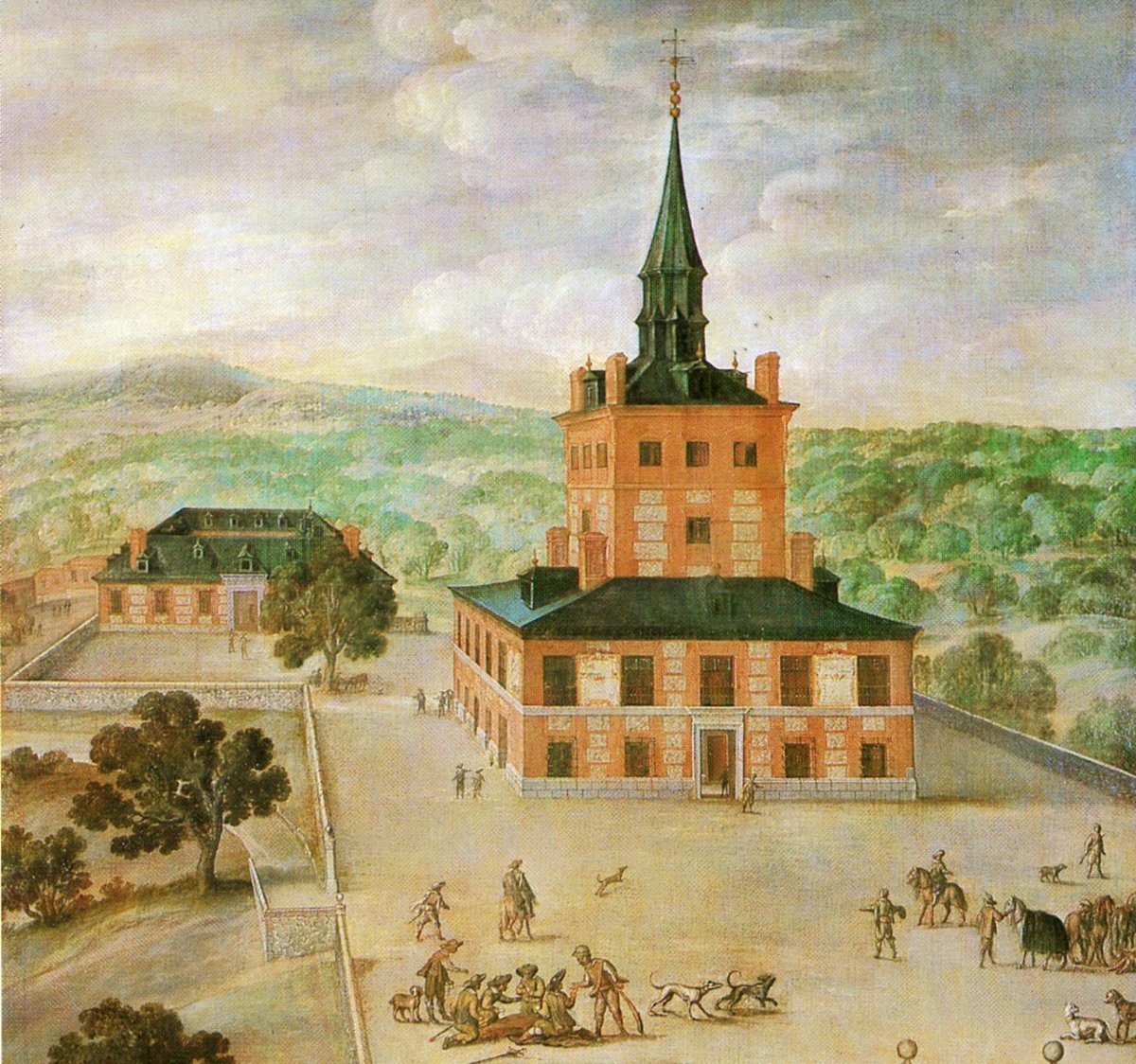

Early Origins and Construction (16th Century)
Commissioned by King Philip II between 1547 and 1549, the Torre de la Parada was designed by Luis de Vega as a royal hunting lodge in the Monte de El Pardo, about two kilometers from the Royal Palace of El Pardo. The vertical brick-and-masonry structure was both practical and stately, serving as a secluded retreat for the monarch and court during hunting expeditions—an activity that symbolized royal authority and dominion over the landscape (wiki-gateway.eudic.net; investigart.com; elpradoencantado.es).
Major Transformation under Philip IV (17th Century)
Philip IV, passionate about hunting and an enthusiastic patron of the arts, initiated an ambitious renovation between 1635 and 1640. Architect Juan Gómez de Mora expanded the building, adding new wings and decorative elements, transforming the lodge into a palace of art and culture (elpradoencantado.es; museodelprado.es). This period saw the commissioning of a lavish artistic program featuring some of Europe’s greatest painters.
Artistic Legacy
By 1700, the Torre de la Parada housed an exceptional collection of 176 paintings, predominantly mythological scenes inspired by Ovid’s Metamorphoses and executed by Rubens, Velázquez, and other leading artists. The lodge’s interior also featured elaborate furnishings and decorative arts, making it a landmark of Spanish Golden Age culture (elpradoencantado.es; museodelprado.es).
Decline and Destruction
The early 18th century brought turmoil. The lodge was set aflame by Austrian troops in 1714 during the War of the Spanish Succession, leading to its effective ruin. While some paintings were saved and moved to other royal sites, much was lost or dispersed (wiki-gateway.eudic.net). The site remains a poignant ruin, its past preserved in art and scholarship (investigart.com).
The Torre de la Parada in the Museo del Prado
Many of the masterpieces originally created for the lodge—especially the Rubens mythological cycle and Velázquez’s court portraits—are now central highlights at the Museo del Prado, where they can be appreciated in context with 17th-century Spanish and Flemish painting (elpradoencantado.es; museodelprado.es).
Architectural Design and Evolution
Original Structure and Location
Luis de Vega’s original design emphasized verticality and practicality, making the lodge suitable for its hunting function and royal retreat (Wikipedia).
Baroque Transformation
Juan Gómez de Mora’s 17th-century renovation expanded the building, introducing Baroque symmetry and grand interiors, suitable for state gatherings and the education of the royal heir (ElPardo.net).
Decline and Ruin
After Philip IV’s death, neglect set in, and the lodge was ultimately gutted by fire in 1714. Today, only ruins remain, inaccessible within the protected El Pardo reserve (HistoryLab; El Madrid que no fue).
Artistic Program and Interior Decoration
Rubens’ Mythological Cycle
In 1636, Rubens and his Antwerp workshop were commissioned to produce over sixty mythological canvases for the lodge, many depicting scenes from Ovid. These dynamic, allegorical works epitomized Baroque painting and royal taste (Archive.org).
Velázquez and the Spanish Court
Velázquez supervised Rubens’ installation and contributed at least eleven works, including psychologically nuanced portraits of court jesters and dwarfs, deepening the lodge’s artistic and humanistic narrative (HNA News).
Other Artists
Vicente Carducho, Frans Snyders, and others added hunting scenes and still lifes, creating an ensemble that celebrated myth, nature, and the hunt (HistoryLab; ElPardo.net).
Practical Visitor Information
Visiting Hours
The ruins are within a protected area and are not open for daily visits. Access is by special guided tours, typically offered during spring and autumn, and must be booked in advance through Patrimonio Nacional or the Madrid City Heritage Program. Tours are infrequent and group sizes limited.
Tickets and Reservations
There is no standard ticketing. Guided tour reservations are required and managed via official heritage organizations. Ticket prices vary; check official websites in advance. Unsupervised access is prohibited.
Accessibility
Due to rugged terrain and the site's ruined state, accessibility for those with reduced mobility is limited. Contact Patrimonio Nacional in advance for guidance. The Museo del Prado is fully accessible.
Getting There
El Pardo can be reached by Madrid city bus (EMT line 601 from Moncloa). Private vehicles are not permitted to the lodge itself. No public transport serves the monument directly. Visitors should prepare for a walk on unpaved terrain.
Guided Tours and Nearby Attractions
Guided tours of the Monte de El Pardo often include historical context about the lodge. Notable nearby attractions include the Royal Palace of El Pardo and the Casita del Príncipe. Many original artworks from the lodge are on display at the Museo del Prado.
Safety, Regulations, and Environment
Access is strictly regulated. No smoking or open flames; respect for wildlife is mandatory. Unsupervised visits are prohibited and can result in fines.
Digital and Remote Access
Virtual tours and digital exhibitions are available from the Museo del Prado and other cultural institutions, allowing remote engagement with the lodge’s artistic legacy.
Frequently Asked Questions
Q: Can I visit the Torre de la Parada ruins directly?
A: No, general access is restricted; only pre-booked guided tours are permitted.
Q: Where can I see the artworks from the lodge?
A: Many are exhibited at the Museo del Prado.
Q: How do I join a guided tour?
A: Reserve through Patrimonio Nacional or Madrid’s heritage programs.
Q: Is the site accessible for those with disabilities?
A: Accessibility is limited; contact tour organizers in advance.
Q: Are there visitor facilities on site?
A: No; amenities are in El Pardo town.
Summary and Visitor Recommendations
The Torre de la Parada remains a powerful evocation of the Habsburg monarchy’s grandeur and its artistic patronage. Though its ruins are largely inaccessible, the lodge’s legacy endures through the masterpieces on display at the Museo del Prado and the evocative natural landscape of Monte de El Pardo. By planning ahead—reserving guided tours, exploring the Prado’s collections, and utilizing digital resources—visitors can immerse themselves in the fascinating intersection of Spanish history, art, and nature. For official updates, visit Patrimonio Nacional and consider using the Audiala app for curated tours and travel insights.
Listen to the full story in the app
The whole Torre De La Parada,
told well.
Audio guides for 1,100+ cities across 96 countries. History, stories, and local insight — offline ready.
Verified, and shown.
Researched and written by the Audiala editorial team from historical records, architectural archives, and local expertise.
Researched from Wikidata, Wikipedia & official sources · fact-checked · How we make our guides →
