Plan and listen to Teatro De La Zarzuela with Audiala.
Audio guide in your pocket, itinerary in your browser. Built for the way you actually visit.
Introduction
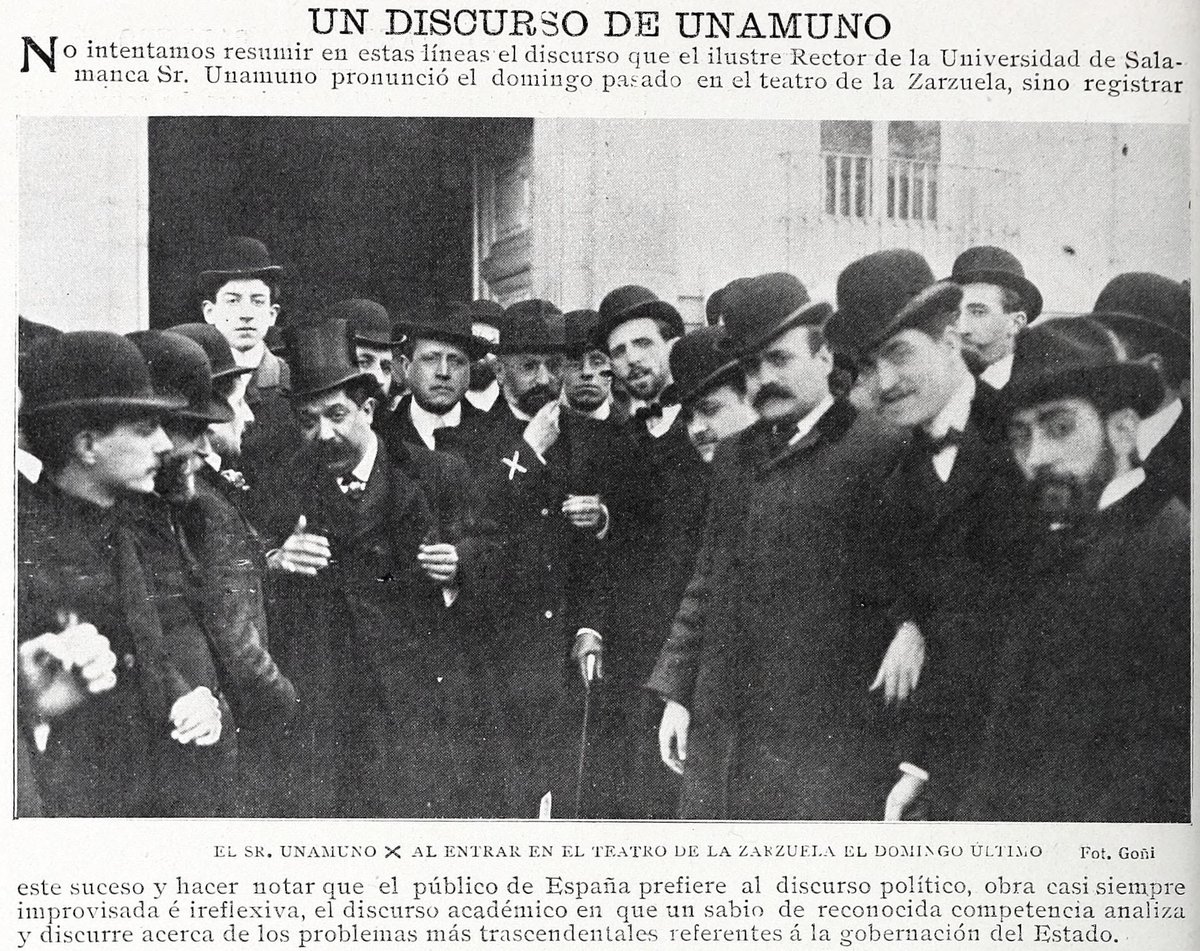
Nestled in the cultural heart of Madrid, the Teatro de la Zarzuela is a living monument to Spain’s unique lyric-dramatic tradition and musical heritage. Since its founding in 1856, the theatre has championed the art of zarzuela—a vibrant genre blending spoken dialogue, operatic arias, popular songs, and dance—while also serving as one of the city’s architectural highlights. Whether you’re a music aficionado, history enthusiast, or traveler eager to explore Madrid’s artistic landscape, this guide will help you make the most of your visit with detailed information on history, visiting hours, ticketing, accessibility, location, nearby attractions, and practical tips.

History and Cultural Significance
The Roots and Evolution of Zarzuela
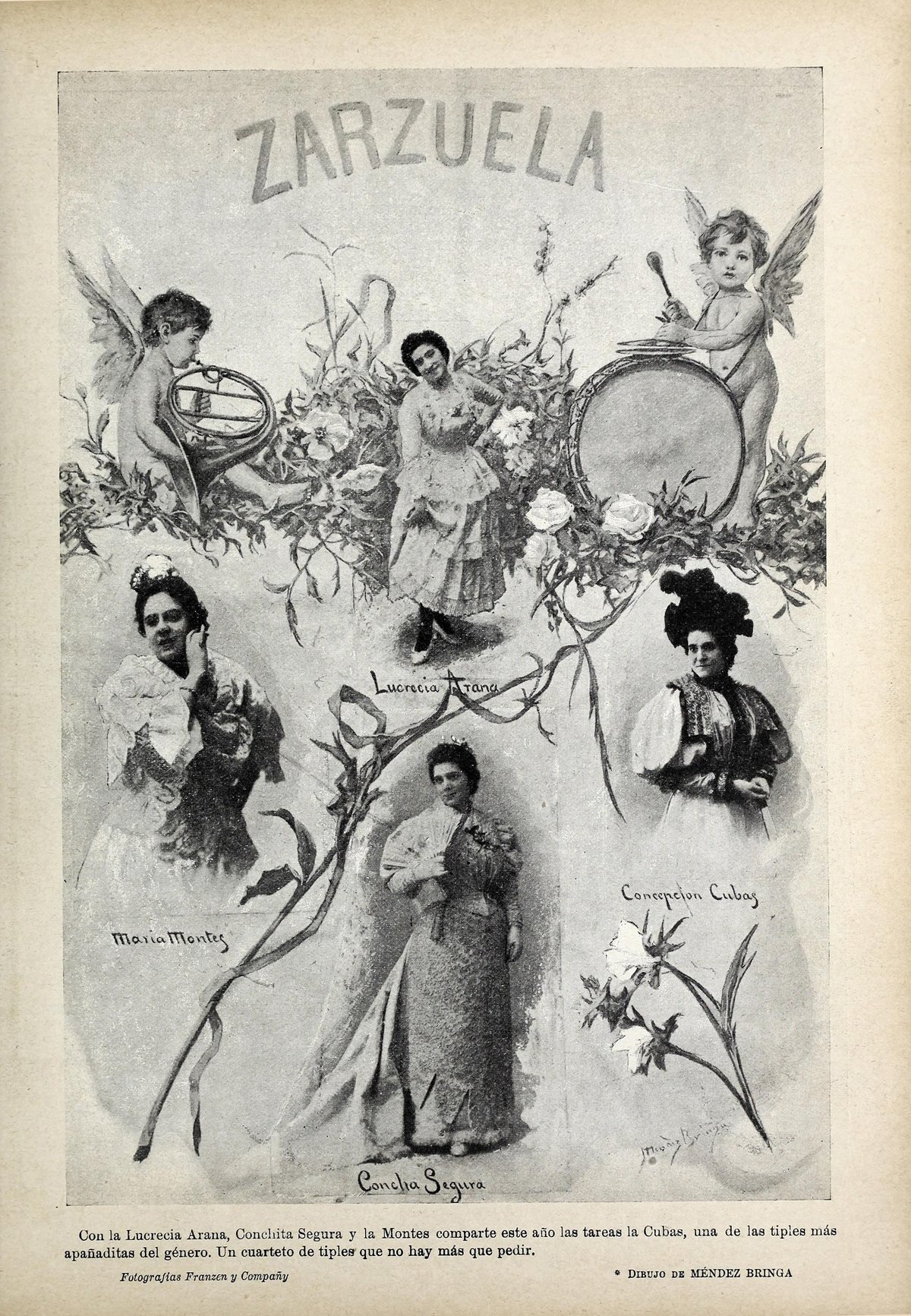
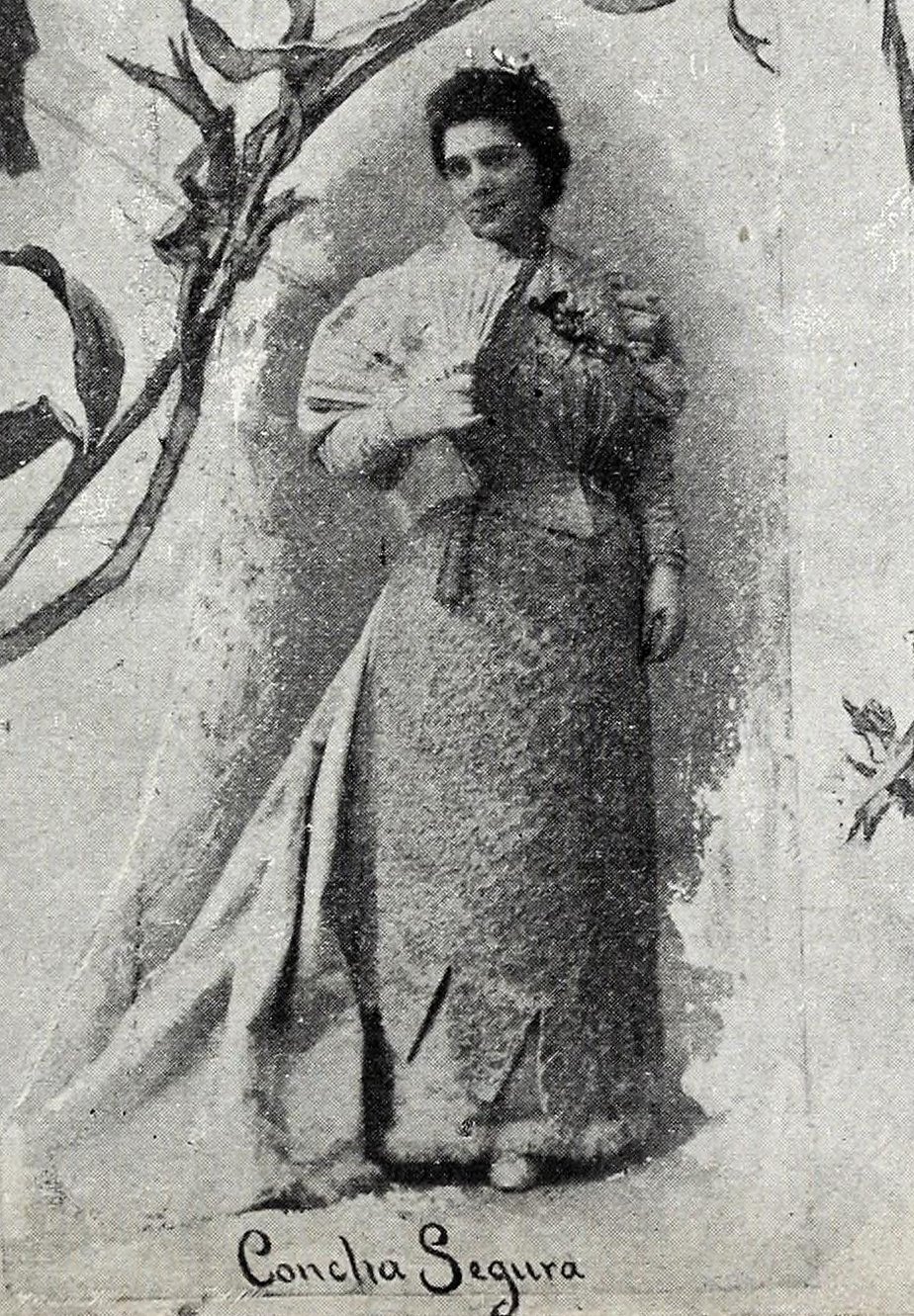
Zarzuela originated in the 17th century at the royal lodge of La Zarzuela near Madrid, with the pioneering work El Laurel de Apolo by Calderón de la Barca and Juan de Hidalgo. This genre, distinguished by its fusion of speech, song, and dance, quickly became a mirror of Spanish society, reflecting its customs, humor, and sentiments. Despite a decline in the 18th century due to the popularity of Italian and French opera, zarzuela experienced a revival in the 19th century—thanks largely to nationalistic spirit and the efforts of composers like Francisco Asenjo Barbieri.
Founding and Enduring Role of the Theatre
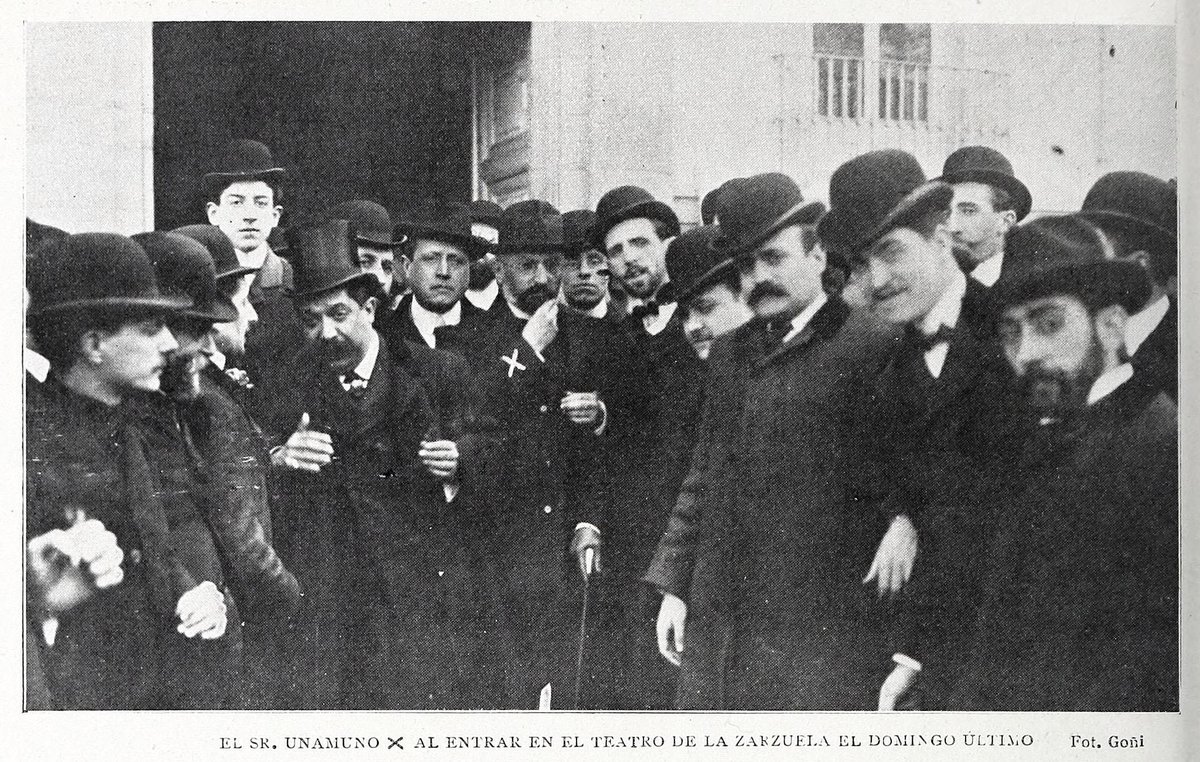
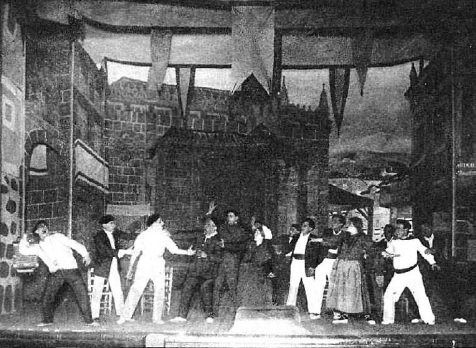
The Teatro de la Zarzuela was inaugurated in 1856 as a dedicated venue for this genre, providing a vital platform for both classic and contemporary productions. Over the decades, it has premiered countless zarzuelas and helped preserve this distinctly Spanish art form, making it a cornerstone of Madrid’s performing arts scene and a beacon of Spanish identity (zarzuela.net; Britannica).
Architectural and Artistic Heritage
Design and Restoration
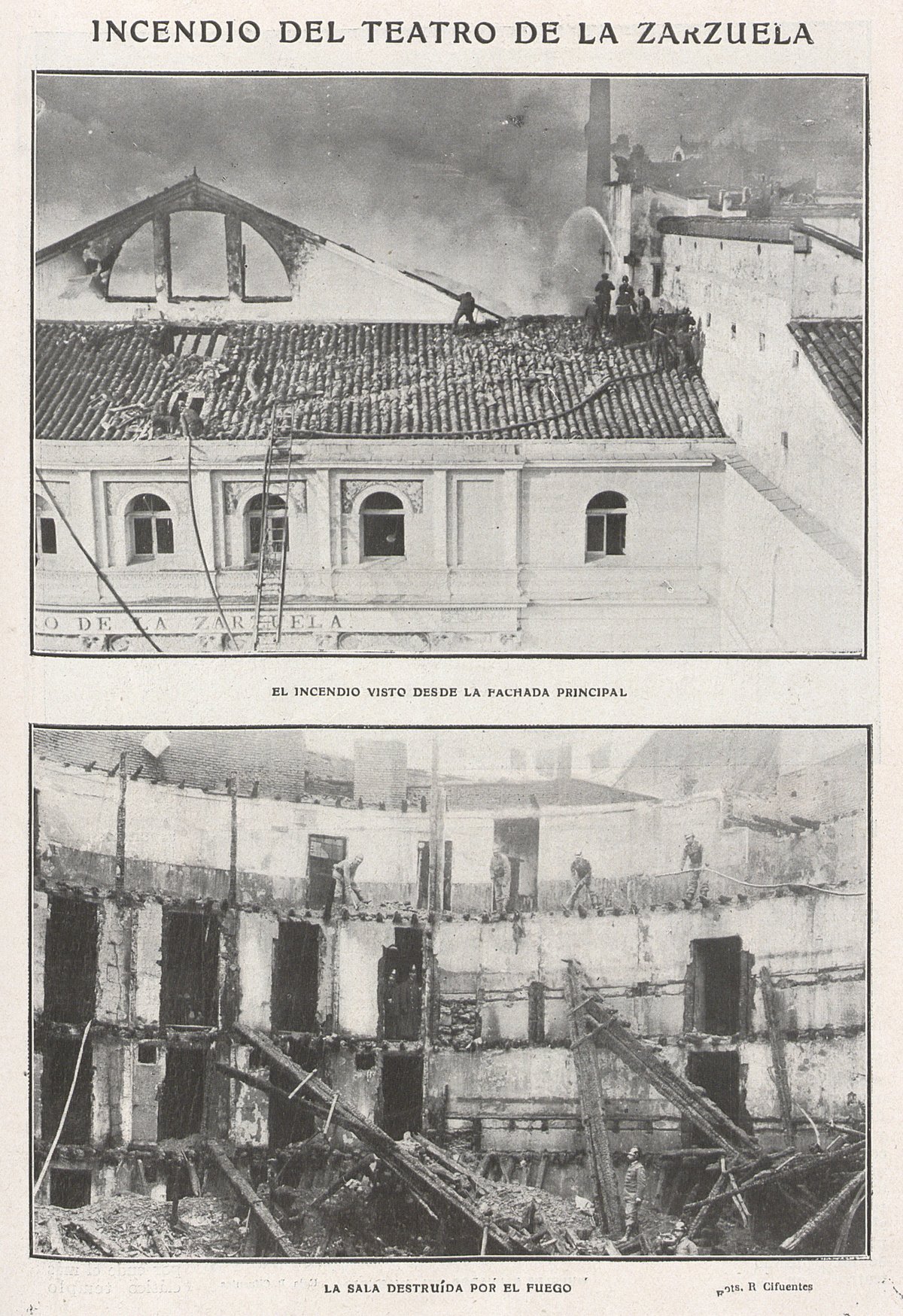
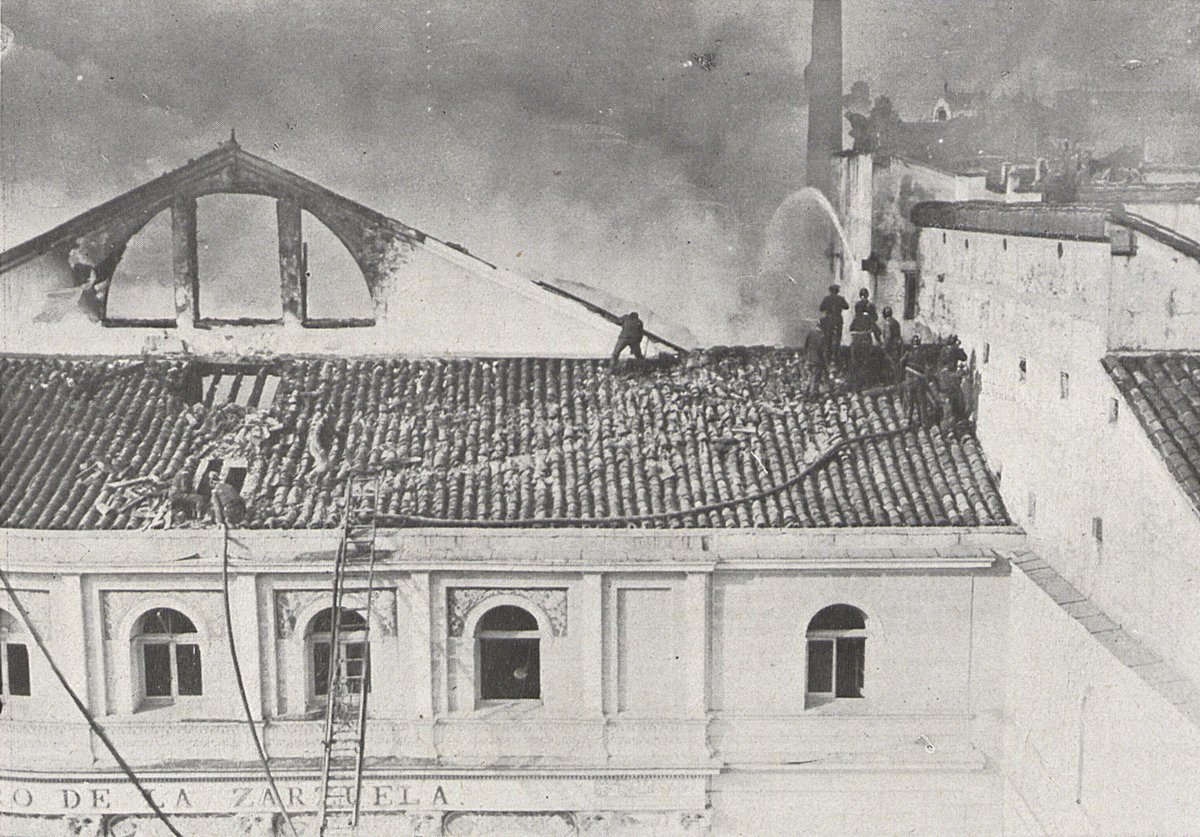
Inspired by Milan’s La Scala, the theatre boasts a neoclassical façade and a horseshoe-shaped auditorium designed for superb acoustics and sightlines. Originally designed by Jerónimo de la Gándara and constructed by José María Sánchez Guallart, the building underwent significant restoration after a fire in 1909 and received heritage status in 1994. Today, it harmoniously blends historic elegance with modern amenities, accommodating approximately 1,200 guests within its ornate, three-tiered hall (esmadrid.com).
Artistic Details
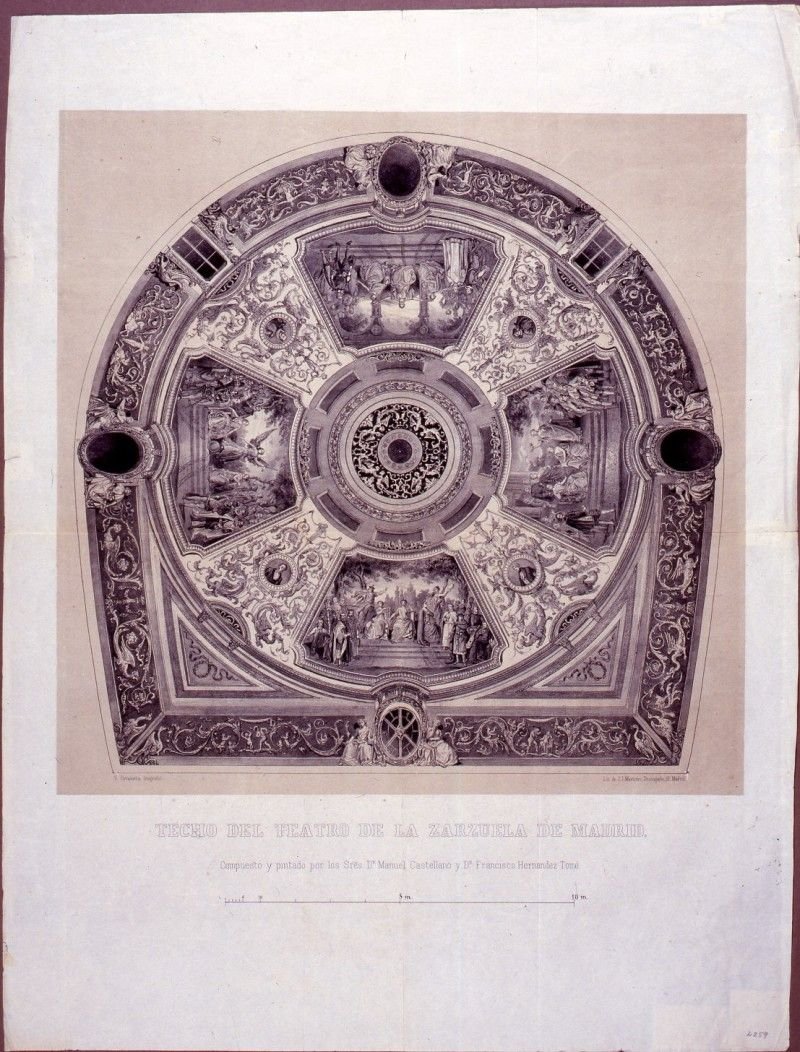
Although original ceiling paintings were lost in mid-20th-century renovations, much of the theatre’s decorative charm endures. Guided tours reveal both the restored and preserved elements, making a visit rewarding for architecture lovers and cultural historians alike.
Visiting the Teatro de la Zarzuela
Box Office and Visiting Hours
- Box Office Hours: Monday to Saturday, 10:00 AM–2:00 PM and 4:00 PM–7:00 PM; on performance days, the box office remains open until showtime. Always check the official website for updates, especially on holidays or special events.
Performance Schedule
- Main Season: Runs from late September through July, with performances typically starting at 19:30 (7:30 PM) on weekdays and 18:00 (6:00 PM) on Sundays. Special family and educational shows are held in the mornings or early afternoons (Operabase).
- Key Productions 2024–2025: Titles include Marina (April 9–27, 2025), La tabernera del puerto (January 29–February 16, 2025), and innovative youth projects like Proyecto Zarza: La Gran Vía (February 21–23, 2025) (Zarzuelerías blog).
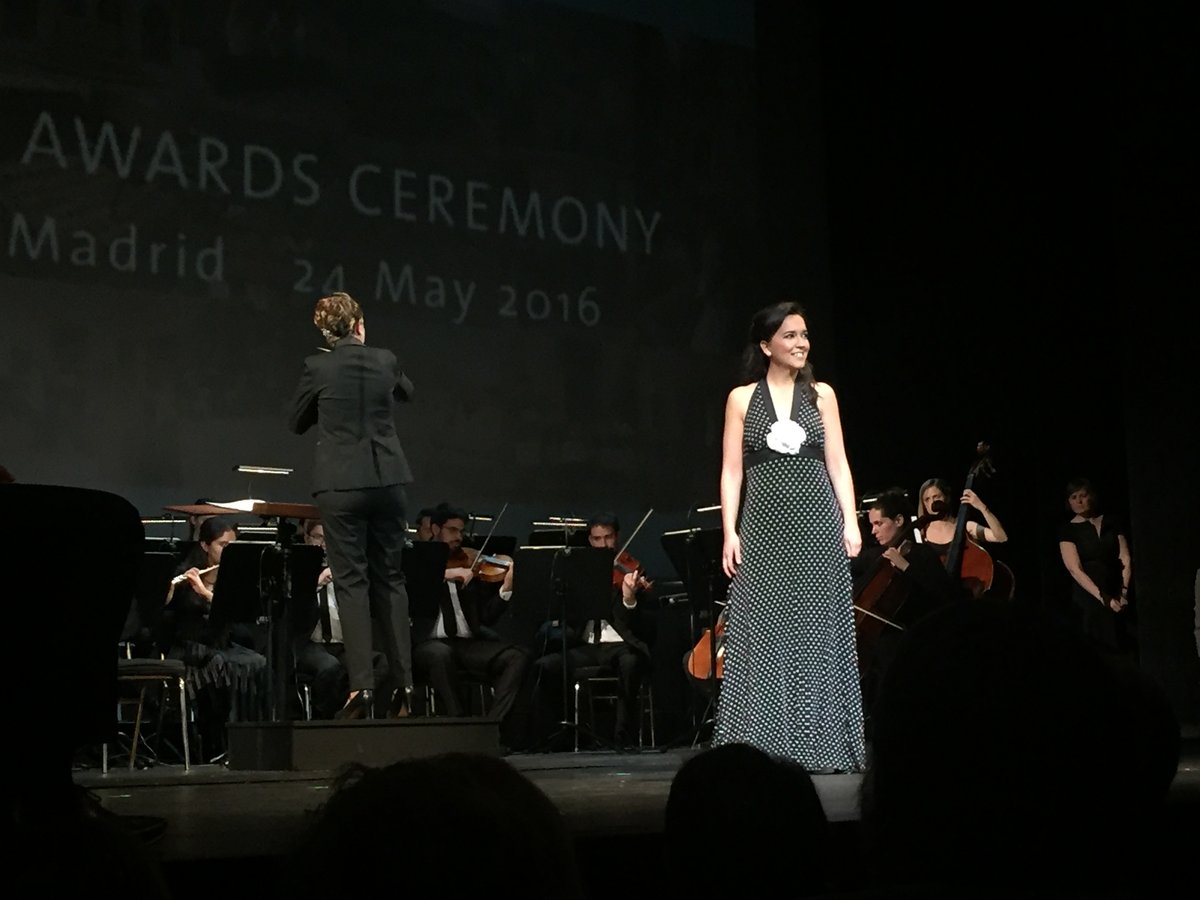
- Concerts and Recitals: The Ambigú space hosts chamber music, recitals, and family events throughout the season.
Ticket Prices and Booking
- Pricing: Standard tickets range from €10 to €60, depending on production and seat category. Central seats on the main floor and first tier offer the best acoustics and views.
- Discounts: Students, seniors, and large families (“familia numerosa”) benefit from special rates—sometimes up to 50% off (Concerts50).
- How to Buy: Purchase tickets online via the official website, by phone, or at the box office. Advance booking is strongly recommended for popular shows (Taquilla.com).
Guided Tours
Guided tours last about 45 minutes and require advance reservation. These tours provide in-depth insights into the theatre’s history, architecture, and backstage workings. English-language tours may be available on request.
Location and Getting There
- Address: Calle de Jovellanos, 4, 28014 Madrid.
- Metro: Banco de España (Line 2), Sevilla (Line 2), and Sol (Lines 1, 2, 3)—all within a few minutes’ walk.
- Train (Cercanías): Sol station (Lines C3, C4A, C4B, C4), about a 6-minute walk.
- Bus: Lines 14, 15, 20, 27, 53, 150, E1, 5; nearest stops include Sol - Sevilla and Las Cortes.
- Taxi/Ride-Share: Taxis and services like Uber/Cabify are easily accessible near Gran Vía and Plaza de Cibeles.
- Parking: Public garages available on Calle de Alcalá and Plaza de Cibeles, though public transit is recommended due to local traffic (esmadrid.com); for real-time transit updates, use the Moovit app.
Accessibility and Facilities
- Physical Accessibility: The theatre provides step-free access, elevators, ramps, designated wheelchair seating, and accessible restrooms. Notify the box office in advance for any specific needs.
- Facilities: Cloakroom, restrooms on all floors, café/bar (open during performances), lockers, and a gift shop.
- Languages: Staff provide information in Spanish and English. Major productions often feature English surtitles for non-Spanish speakers.
Visitor Tips
- Advance Booking: Reserve tickets early, especially for weekend or premiere performances.
- Dress Code: Smart casual is standard; formal attire is appreciated for gala nights.
- Arrival: Arrive at least 20–30 minutes before showtime to enjoy the atmosphere and avoid last-minute rush.
- Photography: Photography and recording are prohibited during performances.
- Family-Friendly: Special shows for children and educational projects are scheduled throughout the season.
Nearby Madrid Historical Sites and Attractions
The theatre’s location places you within walking distance of many of Madrid’s top attractions:
- Gran Vía: Renowned shopping, dining, and entertainment avenue (timeout.com).
- Plaza de Cibeles: Iconic fountain and cultural center with panoramic views (planetware.com).
- Museo del Prado: Spain’s premier art museum, just under 1 km away (planetware.com).
- Plaza Mayor: Historic square with vibrant arcades and markets.
- Museo Reina Sofía: Modern art museum home to Picasso’s Guernica.
- Puerta de Alcalá: Neoclassical monument at Retiro Park’s entrance.
- Mercado de San Miguel: Gourmet market for tapas and Spanish delicacies.
- Other Landmarks: Círculo de Bellas Artes, Royal Palace, and Estadio Santiago Bernabéu (planetware.com).
Frequently Asked Questions (FAQ)
Q: What are the visiting hours for Teatro de la Zarzuela?
A: Box office is open 10:00 AM–2:00 PM and 4:00 PM–7:00 PM (Mon–Sat); hours extend on performance days. Guided tours’ schedules may differ.
Q: How can I purchase tickets?
A: Via the official website, by phone, or at the box office.
Q: Is the theatre accessible for visitors with reduced mobility?
A: Yes, with step-free access, elevators, and accessible facilities.
Q: Are English subtitles available?
A: Major productions provide English surtitles above the stage.
Q: Are guided tours available?
A: Yes, by prior reservation, usually in Spanish; English tours may be arranged.
Q: What are the best seats?
A: Central rows on the main floor and first tier offer the best acoustics and views.
Summary Table: Key Information
| Category | Details |
|---|---|
| Box Office Hours | Mon–Sat, 10:00–14:00, 16:00–19:00; performance days to showtime |
| Metro | Banco de España (L2), Sevilla (L2), Sol (L1, L2, L3) |
| Train (Cercanías) | Sol (C3, C4A, C4B, C4) |
| Bus Lines | 14, 15, 20, 27, 53, 150, E1, 5 |
| Nearby Attractions | Gran Vía, Prado, Reina Sofía, Plaza Mayor, Cibeles, etc. |
| Accessibility | Wheelchair access, lifts, accessible restrooms |
| Family Shows | Yes, including children’s programming |
| Guided Tours | 45 minutes, prior reservation required |
| Parking | Public garages nearby; public transit recommended |
Listen to the full story in the app
The whole Teatro De La Zarzuela,
told well.
Audio guides for 1,100+ cities across 96 countries. History, stories, and local insight — offline ready.
Verified, and shown.
Researched and written by the Audiala editorial team from historical records, architectural archives, and local expertise.
Researched from Wikidata, Wikipedia & official sources · fact-checked · How we make our guides →
