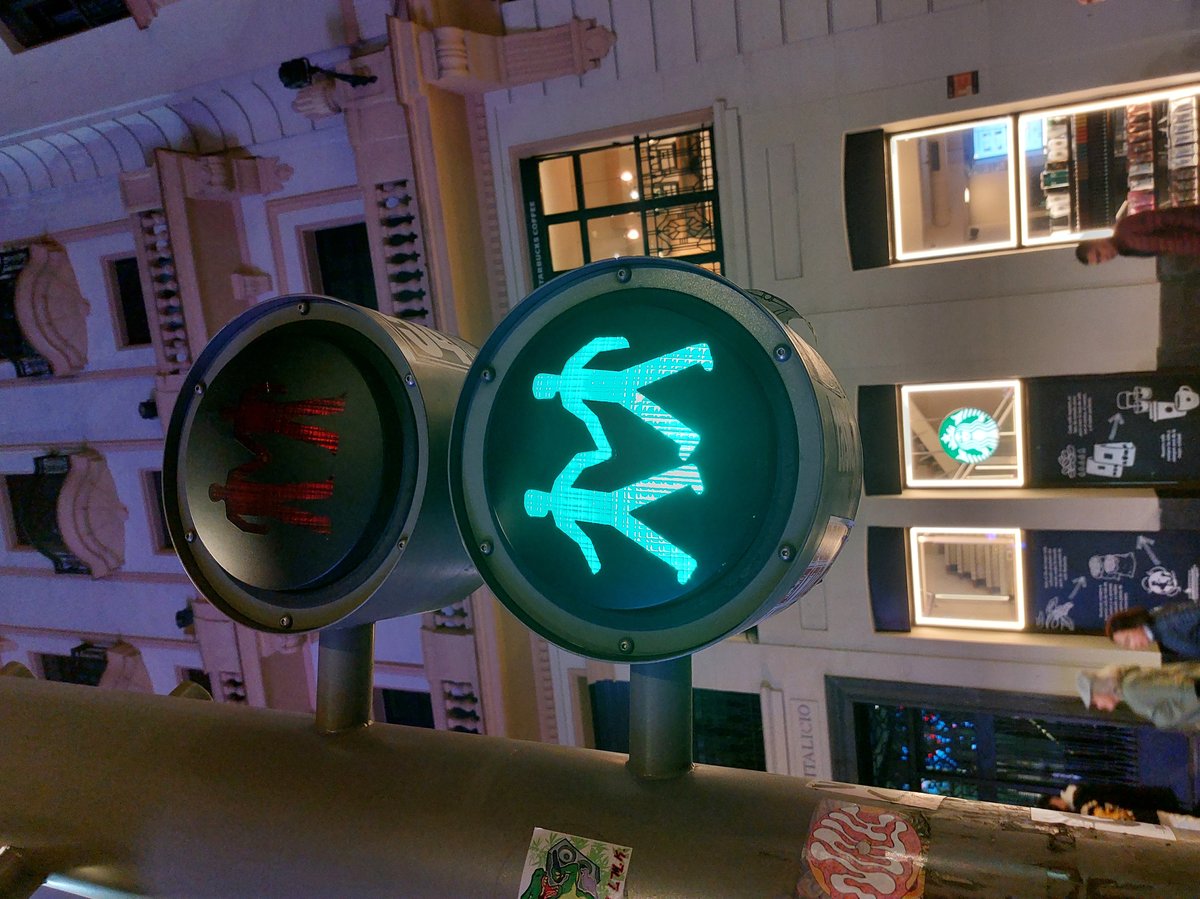
Plan and listen to Plaza De España with Audiala.
Audio guide in your pocket, itinerary in your browser. Built for the way you actually visit.
Introduction
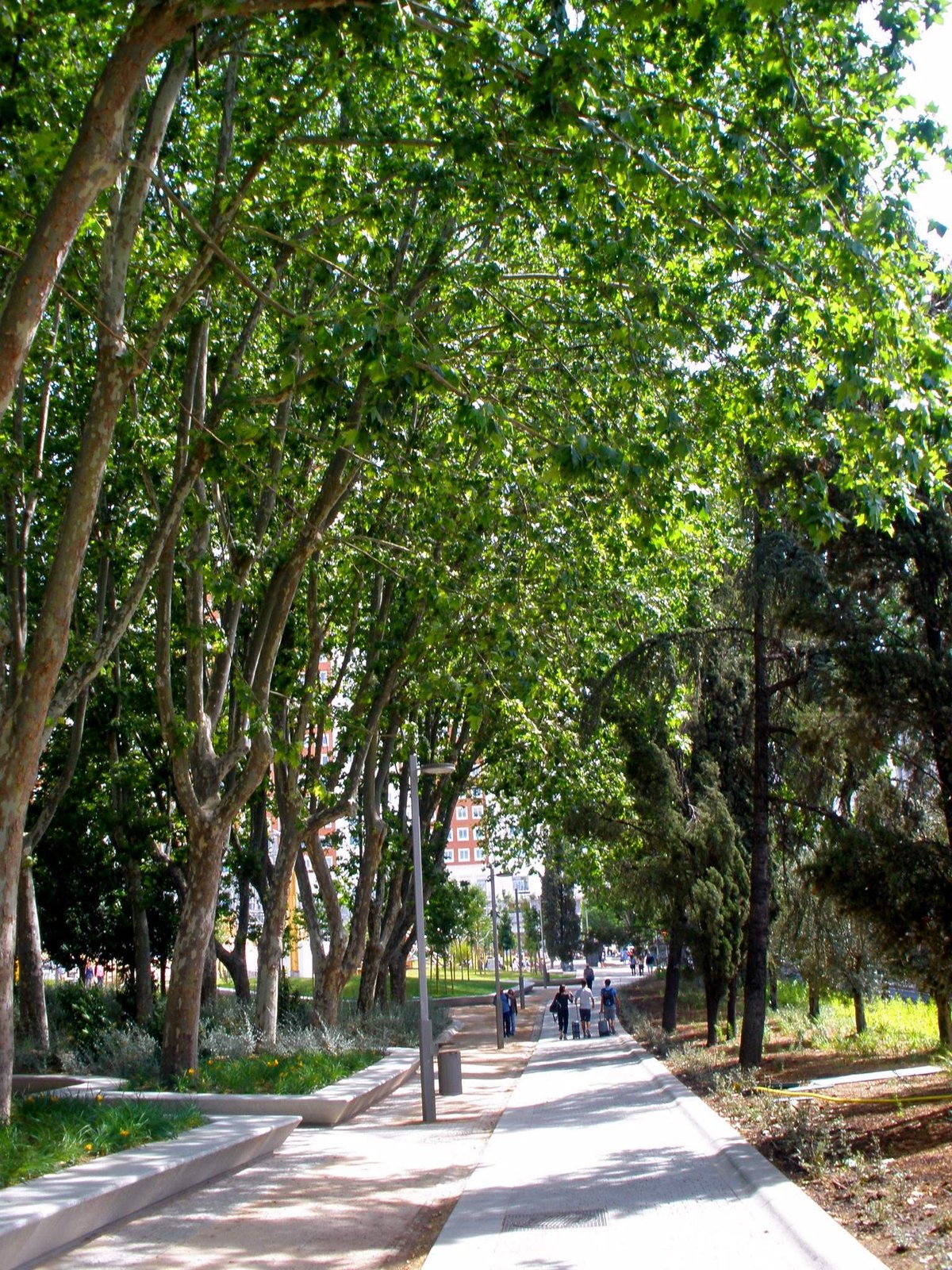
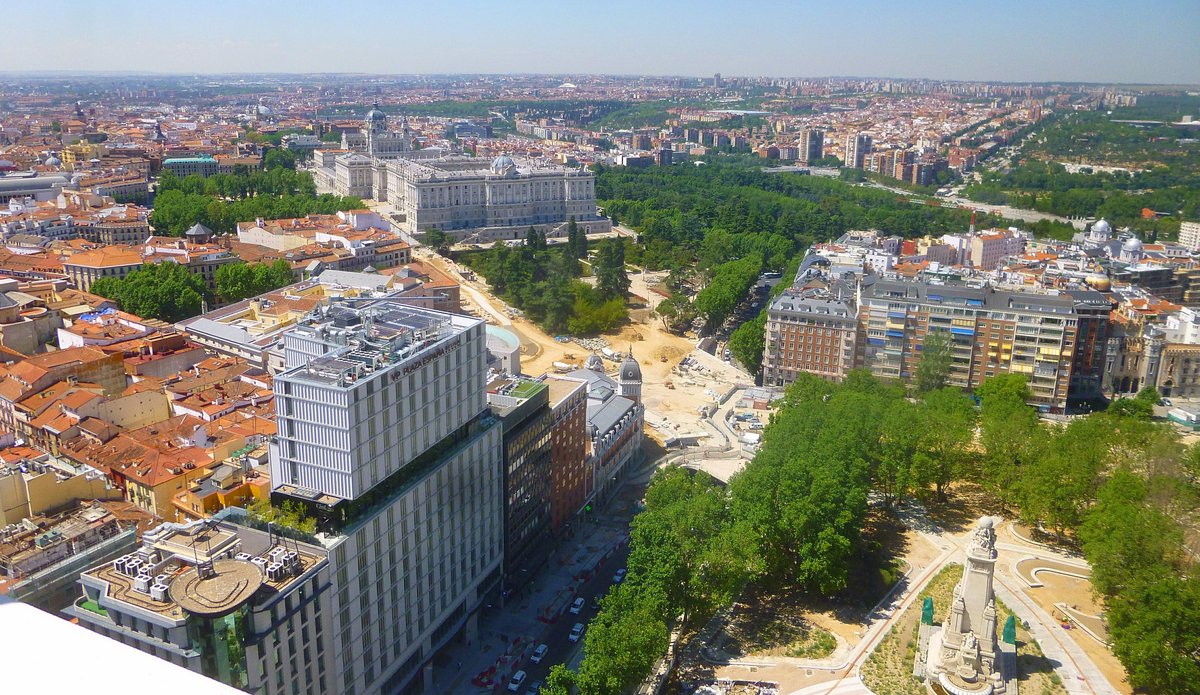
Nestled in the vibrant heart of Madrid, Plaza de España stands as a testament to Spain's rich historical, cultural, and architectural heritage. This monumental square, which began its transformation from agricultural land in the early 20th century, is now one of Madrid's most iconic landmarks (source). It offers visitors a unique blend of historical monuments, such as the Edificio España and the Torre de Madrid, and lush, expansive gardens perfect for a leisurely stroll or a picturesque picnic. The Plaza is not just a tourist attraction but a cultural hub that hosts various events, reflecting Madrid's dynamic and vibrant spirit. Whether you're a history buff, an architecture enthusiast, or simply a traveler looking to soak in the local culture, Plaza de España provides an enriching experience that encapsulates the essence of Madrid (source). This guide aims to provide a comprehensive overview of Plaza de España, detailing its history, visitor information, travel tips, nearby attractions, and more, ensuring you make the most of your visit to this remarkable square.


History of Plaza de España
Early Development and Origins
Plaza de España, located in the heart of Madrid, has a rich history that dates back to the early 20th century. The area where the plaza now stands was originally part of the outskirts of Madrid, known for its agricultural land and open spaces. The transformation of this area into a significant urban space began in the early 1900s as part of Madrid's broader urban development plans.
Construction and Architectural Significance
The construction of Plaza de España was initiated in the 1920s, during a period of significant urban expansion in Madrid. The plaza was designed to be a grand public space, reflecting the architectural and cultural aspirations of the city. The design and construction were influenced by the urban planning trends of the time, which emphasized the creation of large, open public spaces that could serve as focal points for social and cultural activities.
One of the most notable architectural features of Plaza de España is the Edificio España, a towering structure that was completed in 1953. Designed by architect Julián Otamendi, the Edificio España was one of the tallest buildings in Europe at the time of its completion, standing at 117 meters (384 feet) with 25 floors. The building's design is a blend of neo-baroque and modernist styles, reflecting the eclectic architectural trends of mid-20th century Spain.
Visitor Information
Visiting Hours
Plaza de España is open to the public 24 hours a day, seven days a week. However, specific attractions within the plaza, such as the Edificio España, may have their own visiting hours.
Tickets
Visiting Plaza de España is free of charge. However, if you plan to visit any specific attractions within the plaza, such as the Edificio España, you may need to purchase tickets. It's advisable to check the official website for the latest ticket prices and availability.
Travel Tips
- Best Time to Visit - The best times to visit Plaza de España are in the early morning or late afternoon to avoid the midday crowds and enjoy the cooler temperatures.
- Photography Spots - Don't miss the chance to capture the stunning architecture of Edificio España. The central fountain and the surrounding gardens also offer excellent photo opportunities.
- Accessibility - Plaza de España is wheelchair accessible, with ramps and smooth pathways throughout the area.
Nearby Attractions
- Royal Palace of Madrid - Just a short walk from Plaza de España, the Royal Palace is one of Madrid's most iconic landmarks (source).
- Gran Vía - A bustling street known for its shopping, theaters, and vibrant nightlife (source).
- Temple of Debod - An ancient Egyptian temple relocated to Madrid, offering beautiful views at sunset (source).
Special Events and Guided Tours
Plaza de España often hosts cultural events, festivals, and public gatherings. Check the local event calendar for any special events during your visit. Guided tours are available for those interested in learning more about the plaza's history and architectural significance.
FAQ
Q - What are the visiting hours for Plaza de España? A - Plaza de España is open 24/7. However, individual attractions within the plaza may have specific visiting hours.
Q - How much are tickets to Plaza de España? A - Entry to Plaza de España is free, but tickets may be required for specific attractions within the plaza.
Discover More
For more travel guides and tips, download our mobile app Audiala and follow us on social media for the latest updates and recommendations.
Tickets & tours.
These are guided options from our partners — same price as booking direct.
Prices are indicative — final pricing and availability are confirmed at checkout. Audiala may earn a commission from bookings made through these links.
Listen to the full story in the app
The whole Plaza De España,
told well.
Audio guides for 1,100+ cities across 96 countries. History, stories, and local insight — offline ready.
Verified, and shown.
Researched and written by the Audiala editorial team from historical records, architectural archives, and local expertise.
Researched from Wikidata, Wikipedia & official sources · fact-checked · How we make our guides →
