Introduction
Plaza de Cibeles stands as one of Madrid’s most iconic and historically significant public squares, fusing neoclassical grandeur with vibrant city life. Located at the intersection of Calle de Alcalá, Paseo del Prado, and Paseo de Recoletos, the plaza is renowned for its architectural landmarks, the legendary Cibeles Fountain, and its role as a center for civic celebrations. This comprehensive guide presents Plaza de Cibeles’ history, architectural highlights, visiting information, accessibility, travel tips, and nearby attractions to help you make the most of your visit (Viajarmadrid.com; esmadrid.com; Spain.info).
Early History and Urban Development
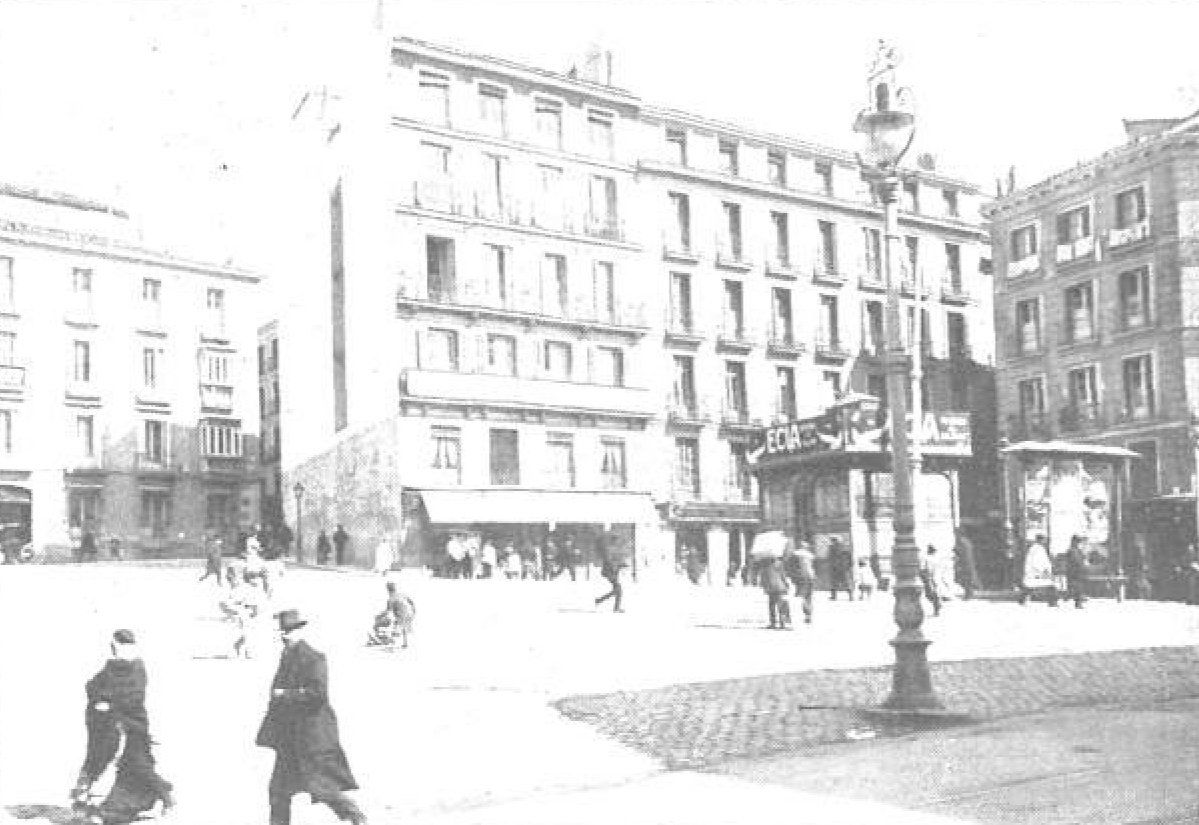
Plaza de Cibeles occupies a site of historical significance, originally forming part of the promenade that separated Madrid’s bustling core from its monastic and aristocratic outskirts in the Renaissance. In 1570, King Philip II ordered major reforms that began transforming the area into a structured urban space (Viajarmadrid.com). The 18th-century Salón del Prado project under Charles III, led by Ventura Rodríguez and José de Hermosilla, set the groundwork for the square’s monumental configuration—forever shaping Madrid’s urban landscape.
The Cibeles Fountain: Origin and Symbolism
Designed by Ventura Rodríguez in 1782, the Cibeles Fountain is the plaza’s unmistakable centerpiece. The fountain features Cybele (Cibeles)—the Roman goddess of fertility and nature—riding a chariot drawn by lions. Originally located outside the Prado Museum, it was relocated to its current position in 1895 (TripSavvy; GoTravelDaily). Symbolizing Madrid’s prosperity and resilience, the fountain is also a focal point for Real Madrid football celebrations and citywide festivities (MyMadridPass; MadridTourist.info; Spain.info).
Architectural Landmarks of the Plaza
Plaza de Cibeles is surrounded by four monumental buildings, each reflecting a different era in Madrid’s architectural evolution.
Buenavista Palace (1777)
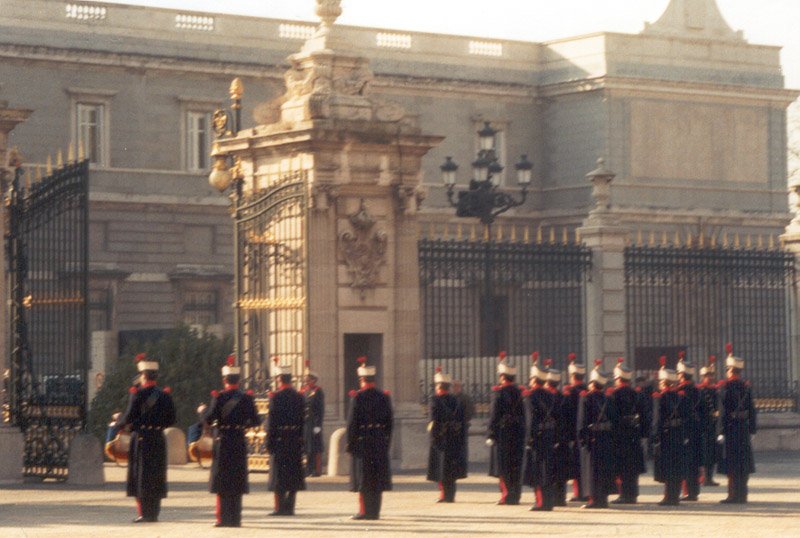
Constructed as a residence for the Dukes of Alba, the neoclassical Buenavista Palace is now the Spanish Army’s headquarters. While not open to the public, its stately façade anchors the plaza’s historical ambiance (TripSavvy).
Bank of Spain (1891)
A testament to Madrid’s rise as a financial hub, the Bank of Spain features a robust stone façade adorned with sculptural details representing stability and prosperity. Its interior is richly decorated with stained glass and marble, though public access is limited to certain occasions (GoTravelDaily).
Linares Palace (1900)
The neo-baroque Linares Palace houses Casa de América, a cultural institution promoting ties between Spain and Latin America. Its ornate architecture and decorative ironwork are admired from the outside, and guided tours are available for visitors interested in its history and artistic treasures (Spain.info).
Palacio de Cibeles (1919)
The Palacio de Cibeles—formerly the Palacio de Comunicaciones—was completed in 1919 as the national postal headquarters. Designed by Antonio Palacios and Joaquín Otamendi, the building blends neo-Gothic, neo-Romanesque, and baroque elements for a dramatic “cathedral-like” effect (Explorial; HollyMelody). Since 2007, it has served as Madrid’s City Hall and houses the CentroCentro cultural center, offering exhibitions, workshops, concerts, and panoramic city views from the Mirador Madrid terrace (Madrid Traveller).
Visiting Hours, Tickets & Accessibility
- Plaza de Cibeles: Open to the public 24/7; no entrance fee.
- Palacio de Cibeles / CentroCentro: Open Tuesday–Sunday, 10:00 AM–8:00 PM; closed on Mondays. Hours may vary on holidays.
- Mirador Madrid (Rooftop Terrace): Open daily, typically 10:00 AM–10:00 PM. Tickets cost around €4 for adults (discounts available); online booking is recommended during peak times.
- Accessibility: The square and most buildings are wheelchair accessible with ramps and elevators. Check official sites for specific accessibility details and guided tour arrangements.
Nearby Attractions and Travel Tips
Plaza de Cibeles is within walking distance of:
- Prado Museum: World-class art collections.
- Thyssen-Bornemisza Museum: Masterpieces spanning seven centuries.
- Retiro Park: Madrid’s largest green space.
- Gran Vía: The city’s main shopping and entertainment artery.
Travel Tips:
- Arrive early morning or late afternoon for the best light and fewer crowds.
- Use Banco de España Metro station (Line 2) or city buses for easy access.
- Consider guided walking tours to enrich your understanding of Madrid’s history and architecture.
(Madrid Traveller; Come Ama Viaja; Ubigi)
Special Events and Photographic Spots
Plaza de Cibeles hosts annual festivals, Real Madrid victory celebrations, and public parades. The best photo spots are along Calle de Alcalá and Paseo del Prado. The Mirador Madrid terrace in Palacio de Cibeles is ideal for panoramic cityscape shots, especially at sunset or when the square is illuminated at night.
Preservation and Cultural Heritage
The Palacio de Cibeles was declared a Cultural Heritage Property in 1993, guaranteeing its protection and ongoing use as a civic and cultural venue (HollyMelody). The plaza and its buildings are carefully maintained and regularly host cultural programming, ensuring their legacy for future generations.
Frequently Asked Questions (FAQ)
Q: Is there an entrance fee to visit Plaza de Cibeles?
A: No, the square is open to the public free of charge.
Q: Do I need tickets for the Mirador Madrid rooftop terrace?
A: Yes, entry is ticketed (approx. €4; discounts for children and seniors). Advance booking is advised, especially in high season.
Q: Are guided tours available?
A: Yes, guided tours of Palacio de Cibeles and Casa de América can be booked. Check official sites for schedules.
Q: Is Plaza de Cibeles wheelchair accessible?
A: Yes, most public areas in and around the plaza are accessible.
Q: When is the best time to visit for photography?
A: Early morning or late afternoon for soft light; evenings for illuminated views.
Listen to the full story in the app
Your Personal Curator, in Your Pocket.
Audio guides for 1,100+ cities across 96 countries. History, stories, and local insight — offline ready.
Audiala App
Available on iOS & Android
Join 50k+ Curators
Sources
- verified
- verified
- verified
- verified
- verified
- verified
- verified
- verified
- verified
- verified
Last reviewed: