Plan and listen to Pantheon Of Illustrious Men with Audiala.
Audio guide in your pocket, itinerary in your browser. Built for the way you actually visit.
Introduction
Welcome to the Panteón de España, a cornerstone of Madrid's rich historical and cultural tapestry. Nestled in the heart of Spain's capital, this monument serves as a testament to the nation's illustrious past and honors its most distinguished figures. From its inception during the early 19th century under King Ferdinand VII to its completion in 1842, the Panteón de España stands as an architectural marvel designed by the renowned Narciso Pascual Colomer. Its neoclassical design, characterized by grandeur and symmetry, offers a striking visual experience with elements such as Corinthian columns and a majestic dome adorned with frescoes (Museo del Prado). The Panteón not only serves as a mausoleum for notable figures like Francisco de Goya and Gaspar Melchor de Jovellanos but also as a cultural landmark that reflects Spain's historical legacy (Real Academia de la Historia). This guide aims to provide a comprehensive overview of the Panteón de España, including its origins, architectural significance, notable interments, and essential visitor information such as ticket prices and visiting hours. Whether you are a history enthusiast, architecture lover, or a curious traveler, the Panteón de España offers an unparalleled glimpse into Spain's past.

Origins and Construction
The Panteón de España, located in Madrid, Spain, is a significant historical and cultural monument. Its origins date back to the early 19th century, during the reign of King Ferdinand VII. The construction of the Panteón was part of a broader movement to create national monuments that would celebrate Spain's illustrious history and honor its most distinguished citizens. The initial idea was to establish a mausoleum that would serve as the final resting place for Spain's most notable figures, including statesmen, military leaders, and cultural icons.
The construction of the Panteón de España began in 1837, following the designs of the renowned architect Narciso Pascual Colomer. Colomer's vision was to create a neoclassical structure that would reflect the grandeur and solemnity appropriate for a national pantheon. The building was completed in 1842, and it quickly became a symbol of national pride and a focal point for commemorating Spain's historical legacy.
Architectural Significance
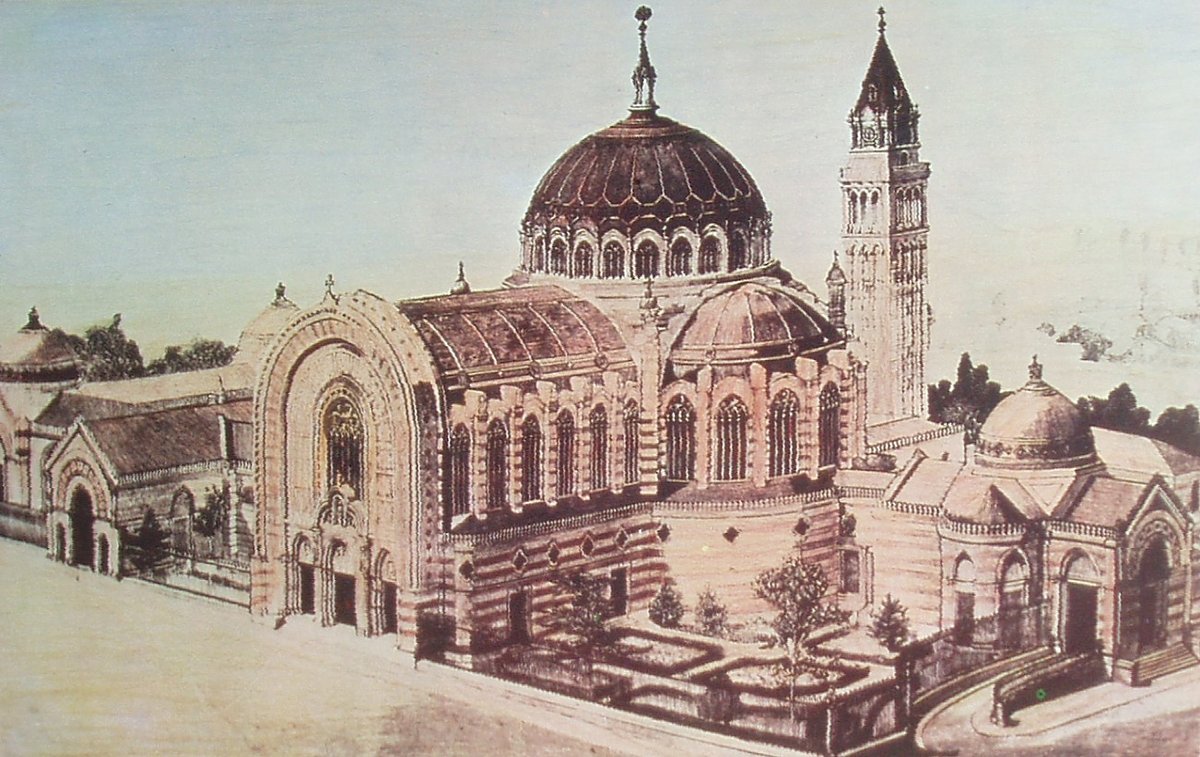
The Panteón de España is an exemplary representation of neoclassical architecture, characterized by its symmetry, grandeur, and use of classical elements such as columns and pediments. The building's façade features a portico with six Corinthian columns, supporting a triangular pediment adorned with sculptural reliefs depicting scenes from Spanish history. The interior of the Panteón is equally impressive, with a central nave flanked by side chapels, each dedicated to different historical figures.
One of the most striking features of the Panteón is its dome, which rises majestically above the central nave. The dome is adorned with frescoes depicting allegorical scenes and historical events, further emphasizing the building's role as a monument to Spain's past. The use of marble and other high-quality materials throughout the Panteón adds to its sense of permanence and reverence.
Notable Interments
The Panteón de España serves as the final resting place for many of Spain's most illustrious figures. Among the notable interments are:
- Francisco de Goya: The renowned painter and printmaker, whose works are considered some of the most important in the history of Western art. Goya's remains were transferred to the Panteón in 1919, in recognition of his contributions to Spanish culture (Museo del Prado).
- Gaspar Melchor de Jovellanos: A prominent statesman, philosopher, and writer, Jovellanos played a key role in the Spanish Enlightenment and was a leading advocate for social and economic reforms (Real Academia de la Historia).
- Leopoldo O'Donnell: A military leader and politician, O'Donnell served as Prime Minister of Spain on multiple occasions and was instrumental in modernizing the Spanish military (Biografías y Vidas).
Historical Events and Transformations
Throughout its history, the Panteón de España has undergone several transformations and has been the site of numerous significant events. During the Spanish Civil War (1936-1939), the Panteón suffered damage due to bombings and artillery fire. The building was subsequently restored in the post-war period, with efforts focused on preserving its architectural integrity and historical significance.
In the latter half of the 20th century, the Panteón de España became a focal point for national commemorations and state ceremonies. It has hosted numerous events honoring Spain's historical figures and celebrating important anniversaries. The building's role as a symbol of national unity and pride has only grown over time, making it an essential part of Spain's cultural heritage.
Modern-Day Significance
Today, the Panteón de España continues to serve as a place of remembrance and reflection. It is a popular destination for tourists and locals alike, who come to pay their respects to the individuals interred there and to learn about Spain's rich history. The Panteón also hosts educational programs and exhibitions, aimed at promoting a deeper understanding of the country's past and its cultural legacy.
The Panteón de España remains a testament to Spain's enduring commitment to honoring its history and celebrating the achievements of its most distinguished citizens. Its architectural beauty, historical significance, and cultural importance make it a must-visit destination for anyone interested in exploring the rich tapestry of Spanish history.
Visitor Information
Planning your visit to the Panteón de España? Here's everything you need to know:
Ticket Prices and Opening Hours
- Opening Hours: The Panteón de España is open from 10:00 AM to 6:00 PM, Tuesday to Sunday. It is closed on Mondays and public holidays.
- Ticket Prices: General admission is €10 for adults, €5 for students and seniors, and free for children under 12.
Accessibility
The Panteón de España is wheelchair accessible, with ramps and elevators available for visitors with mobility challenges.
Travel Tips
- Best Time to Visit: Early mornings or late afternoons are ideal to avoid crowds and enjoy a more serene experience.
- Photography: The Panteón offers several great spots for photography, particularly the dome and the central nave. Make sure to bring a camera to capture the stunning architecture.
- Guided Tours: Consider joining a guided tour to enrich your visit with detailed historical insights and anecdotes.
Nearby Attractions
While you're in Madrid, don't miss these nearby attractions:
- Royal Palace of Madrid: A short walk from the Panteón, this grand palace offers a glimpse into Spain's royal history.
- Plaza Mayor: A historic square surrounded by stunning architecture, perfect for a leisurely stroll or a meal at one of its many cafes.
- Museo del Prado: Home to an extensive collection of European art, including works by Francisco de Goya.
FAQ
What are the visiting hours for Panteón de España? The Panteón de España is open from 10:00 AM to 6:00 PM, Tuesday to Sunday.
How much do tickets cost for Panteón de España? General admission is €10 for adults, €5 for students and seniors, and free for children under 12.
Listen to the full story in the app
The whole Pantheon Of Illustrious Men,
told well.
Audio guides for 1,100+ cities across 96 countries. History, stories, and local insight — offline ready.
Verified, and shown.
Researched and written by the Audiala editorial team from historical records, architectural archives, and local expertise.
Researched from Wikidata, Wikipedia & official sources · fact-checked · How we make our guides →
