Introduction
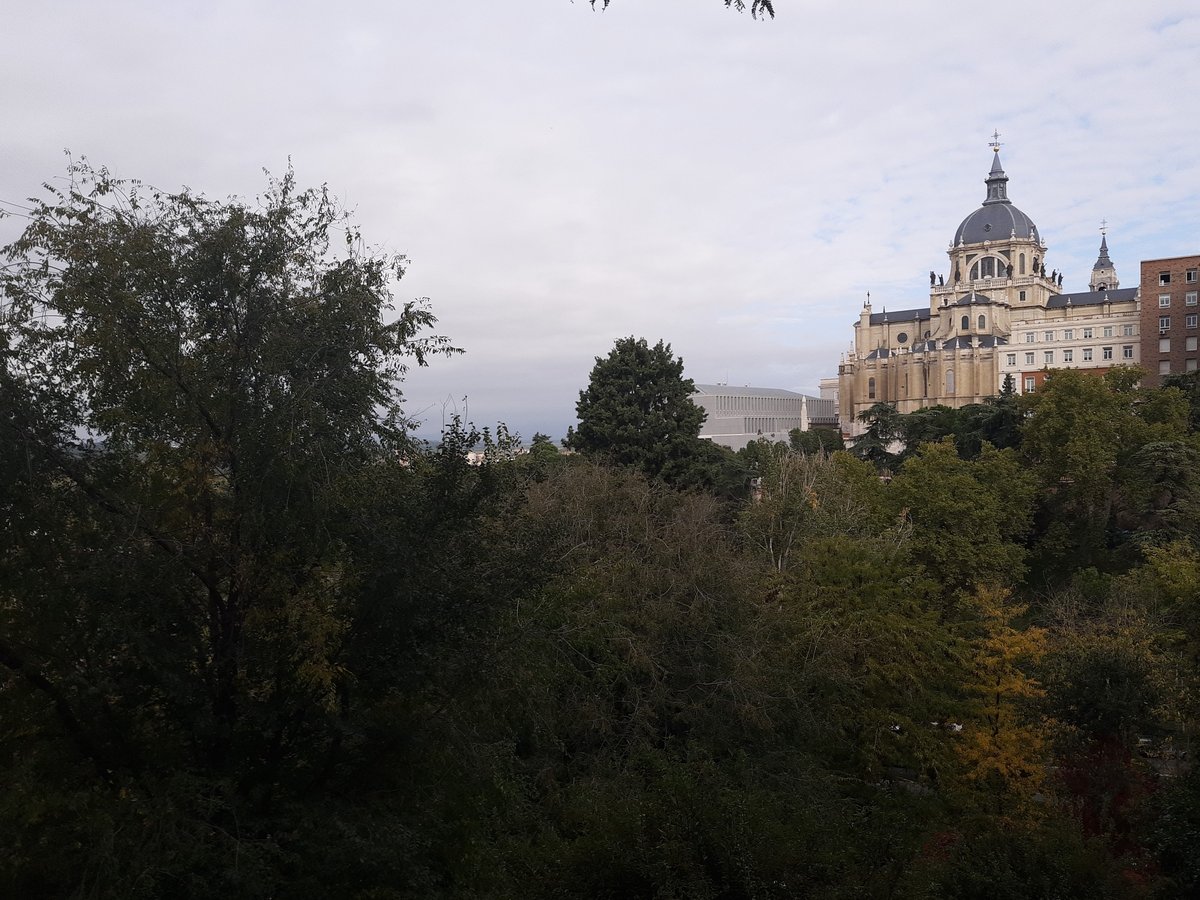
The Palace of the Senate (Palacio del Senado) in Madrid is a remarkable symbol of Spain’s political evolution and cultural heritage. Originally established in the 16th century as a religious and educational institution, it has transformed into the upper chamber of the Spanish Parliament. Its neoclassical architecture, historical collections, and central location make it an essential destination for history enthusiasts, architecture aficionados, and cultural travelers alike.
This comprehensive guide will provide you with everything you need to know about visiting the Palace of the Senate: from its historical and architectural highlights to ticketing, guided tours, accessibility, and practical tips for your visit.
For official information and updates, consult the Senado.es, Madrid Original, and Wikipedia: Palacio del Senado.
Origins and Early History
The origins of the Palace of the Senate date back to the 16th century, when it was founded as the Incarnation School (Colegio de la Encarnación) by the Augustinian Order. The school’s church was renowned for housing masterpieces by El Greco, many of which are now housed in the Prado Museum (Wikipedia). As Madrid rose in prominence during the Habsburg era—especially after becoming the capital in 1561—the area around the Senate became a hub of civic development (Madrid Original).
Transformation into a Political Landmark
In the 19th century, the building shifted from religious to political use, hosting the Cortes of Cádiz in 1814 and again between 1820 and 1823. In 1835, architect Isidro González Velázquez transformed the former convent into the Senate’s official seat, introducing neoclassical elements and converting the church into a parliamentary chamber (esMadrid).
Architectural Evolution
The building has undergone several significant renovations:
- 1844–1850: Aníbal Álvarez Bouquel added a neoclassical façade (esMadrid).
- 1882: Emilio Rodríguez Ayuso redesigned the interiors, removing remaining religious elements and adding a grand library.
- 1987–1991: Expansion under Salvador Gayarre to accommodate Spain’s autonomous regions after the 1978 Constitution.
- 2008–2020: The Senate acquired adjacent properties for further expansion (esMadrid).
Political Significance
The Palace has been at the heart of Spanish politics, witnessing major events such as the abolition of the Senate during the Second Republic, its use by the Francoist regime, and its reinstatement as a democratic institution in 1977 (Senado.es).
Architectural and Artistic Highlights
Exterior Features
The palace’s restrained neoclassical façade, with its Ionic columns and rusticated stonework, contrasts with Madrid’s more ornate landmarks. Its location at Plaza de la Marina Española affirms its institutional significance (Kiddle).
Interior Features
- Plenary Chamber: The semicircular layout, rich woodwork, and allegorical frescoes create an atmosphere of dignity and tradition.
- Historic Corridors: Portraits of notable figures and remnants of the original 16th-century architecture line the corridors.
- Library and Art Collections: The Senate houses a significant library and displays tapestries, sculptures, and historical artifacts (Senado.es).
Political and Cultural Significance
The Palace of the Senate is both the seat of Spain’s upper parliamentary chamber and a site of national memory. Its role in legislative functions, state ceremonies, and the representation of Spain’s autonomous regions underscores its ongoing importance (Senado de España).
Its art collections and historic furnishings reflect the country’s evolving political and cultural identity (Senado de España Patrimonio).
Visiting the Palace of the Senate: Practical Information
Location
- Address: Plaza de la Marina Española, 8, 28013 Madrid
- Nearest Metro: Plaza de España (Lines 2, 3, 10) (European Ribbon)
Opening Hours
- Guided Tours: Monday to Friday at 10:00, 11:00, 12:00, and 13:00; Monday to Thursday at 16:00 and 17:00.
- Closed: Weekends, public holidays, and days when plenary sessions are held.
Tickets and Booking
- Admission: Free of charge.
- Booking: Mandatory online booking at least 15 days in advance via the official Senate website.
- Group Size: Maximum of 25 people per group; larger groups must be split.
- ID Required: Visitors must present a valid DNI or passport.
Guided Tours
- Tours are conducted exclusively in Spanish.
- Duration: Approximately one hour.
- The tour covers main chambers, art collections, and the Senate’s history and functions.
Accessibility
- Mobility: Ramps and elevators are available.
- Hearing Impairments: Hearing assistance devices can be requested in advance.
- Special Needs: Contact the Visitors’ Office for arrangements.
Visitor Conduct
- Dress Code: Respectful attire is recommended.
- Behavior: No applause, shouting, or disruptive expressions allowed.
- Photography: Strictly prohibited inside the building.
Plenary Sessions
- When plenary sessions are held, guided tours are suspended, but the public may attend from the gallery for up to one hour. Visitors must adhere to all conduct guidelines.
Cultural and Artistic Highlights
- El Greco’s Retablo: The original retablo commissioned for the Incarnation School is now mostly housed in the Prado Museum, with some panels in other European museums (European Ribbon).
- Monument to Antonio Cánovas del Castillo: Located outside the palace, honoring a key figure in Spanish constitutional history.
Tips for a Memorable Visit
- Language: Tours are in Spanish; prepare accordingly if you are not fluent.
- Advance Booking: Essential, especially during busy times.
- ID: Bring valid identification.
- Accessibility: Notify the Senate in advance for special needs.
- Nearby Attractions: The Royal Palace, Plaza Mayor, and Prado Museum are within walking distance (Madrid Tourist Guide).
- Weather in June: Warm and dry; dress comfortably and bring sun protection (Global Highlights).
Frequently Asked Questions
Q1: What are the visiting hours?
A1: Monday to Friday at 10:00, 11:00, 12:00, and 13:00, and Monday to Thursday at 16:00 and 17:00. No tours during plenary sessions.
Q2: How do I book tickets?
A2: Book online at least 15 days in advance via the Senate’s official website.
Q3: Is photography allowed?
A3: No, it is prohibited inside.
Q4: Are tours available in English?
A4: Tours are only offered in Spanish.
Q5: Can I attend a plenary session?
A5: Yes, from the gallery, but not on guided tours.
Q6: Is the building accessible?
A6: Yes, with advance notice for special requirements.
Essential Contacts
-
Visitors’ Office:
- Tel: +34 91 538 13 75 / +34 91 538 19 38 / +34 91 538 19 11
- Email: [email protected]
- Official Visit Page
-
Virtual Tour: Senado.es
Final Tips & Summary
The Palace of the Senate in Madrid is a living testament to Spain’s political and cultural journey. With its neoclassical architecture, historic art, and central role in government, it offers an enriching experience for all visitors. Remember to book your guided tour well in advance, bring identification, and respect the palace’s protocols.
Combine your visit with other nearby attractions for a comprehensive Madrid experience. For more information and updates, consult the official Senate website and consider a virtual tour if you cannot visit in person.
Listen to the full story in the app
Your Personal Curator, in Your Pocket.
Audio guides for 1,100+ cities across 96 countries. History, stories, and local insight — offline ready.
Audiala App
Available on iOS & Android
Join 50k+ Curators
Sources
- verified
- verified
- verified
- verified
- verified
- verified
- verified
Last reviewed: