Plan and listen to Cuartel Del Conde-Duque with Audiala.
Audio guide in your pocket, itinerary in your browser. Built for the way you actually visit.
Introduction
The Cuartel del Conde-Duque, located in the lively Malasaña neighborhood, is one of Madrid’s most iconic historical sites and a major cultural hub. Once a grand Baroque military barracks, it now stands as a testament to the city’s architectural evolution and vibrant contemporary arts scene. This guide provides detailed information on the Cuartel’s historical significance, visitor hours, ticketing, accessibility, cultural programming, and practical tips for making the most of your visit.

Historical Background and Architectural Significance
Origins and Construction (1717–1730)
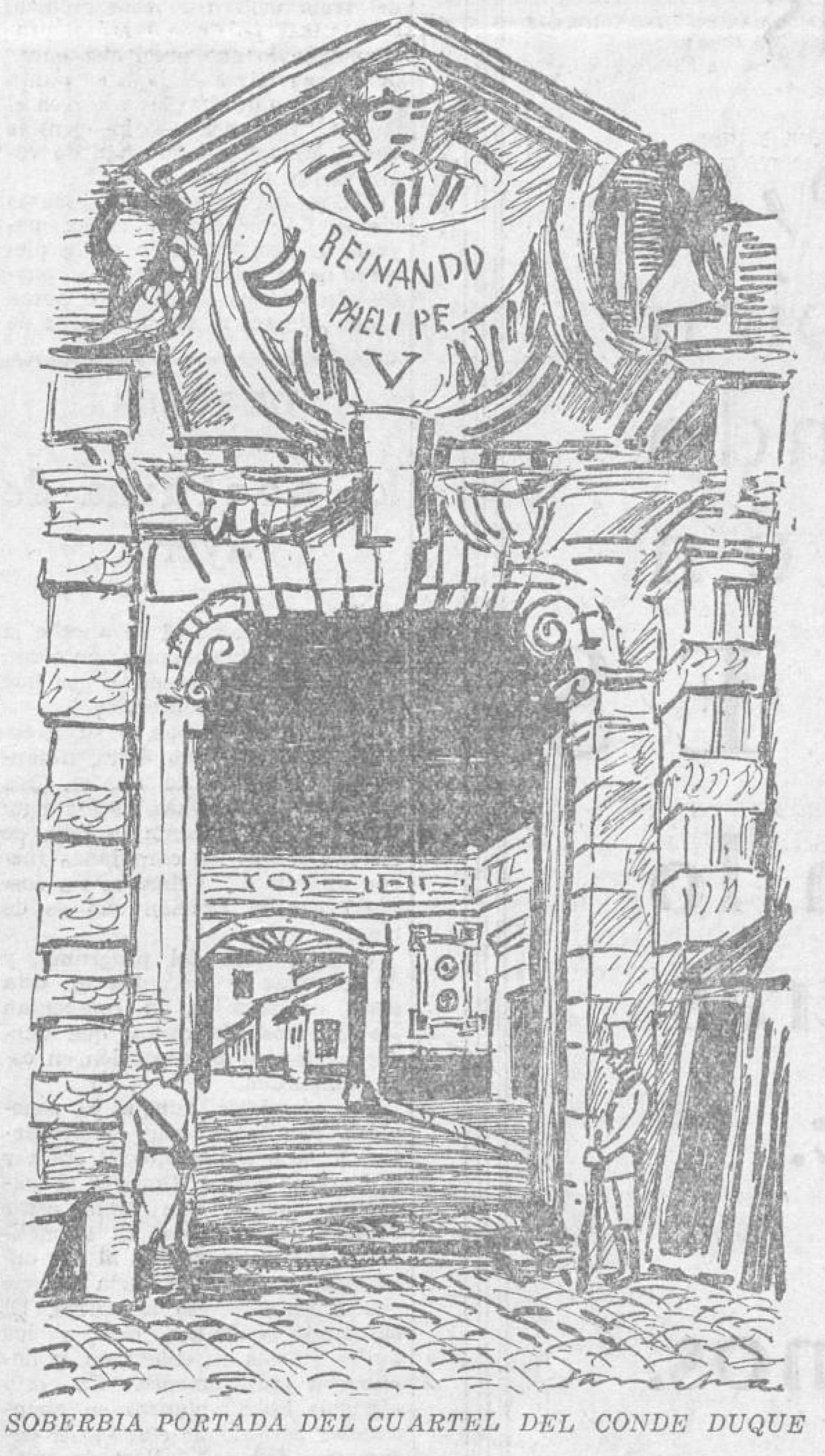
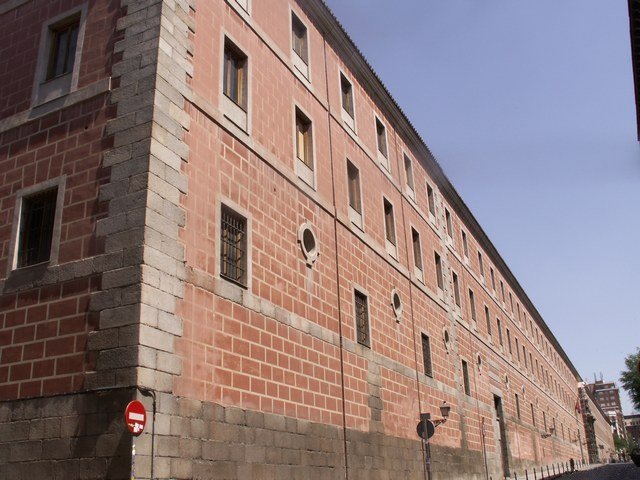
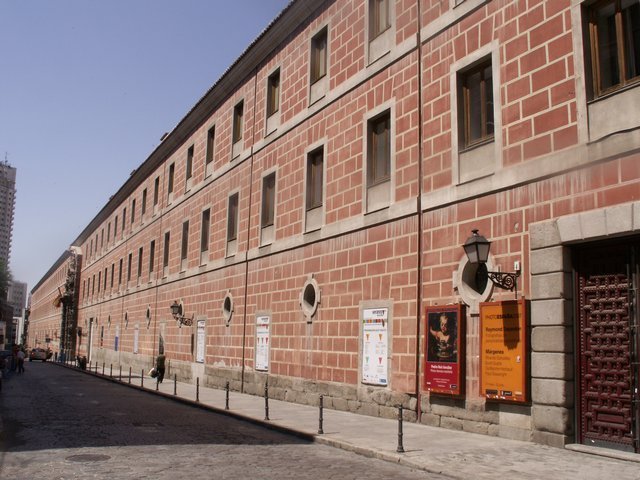
Commissioned by King Felipe V to house the elite Royal Corps Guards, the Cuartel del Conde-Duque was designed by Pedro de Ribera, a master of Spanish Baroque architecture. Built between 1717 and 1730, the structure was intended to accommodate 600 guards and 400 horses, reflecting the prominence of the unit and the ambitions of early 18th-century Madrid. The building’s imposing façade, crafted from brick and adorned with a Churrigueresque stone portal, remains one of the finest examples of Madrid’s native Baroque style (condeduquemadrid.es; lonelyplanet.com).
Evolution Through the Centuries
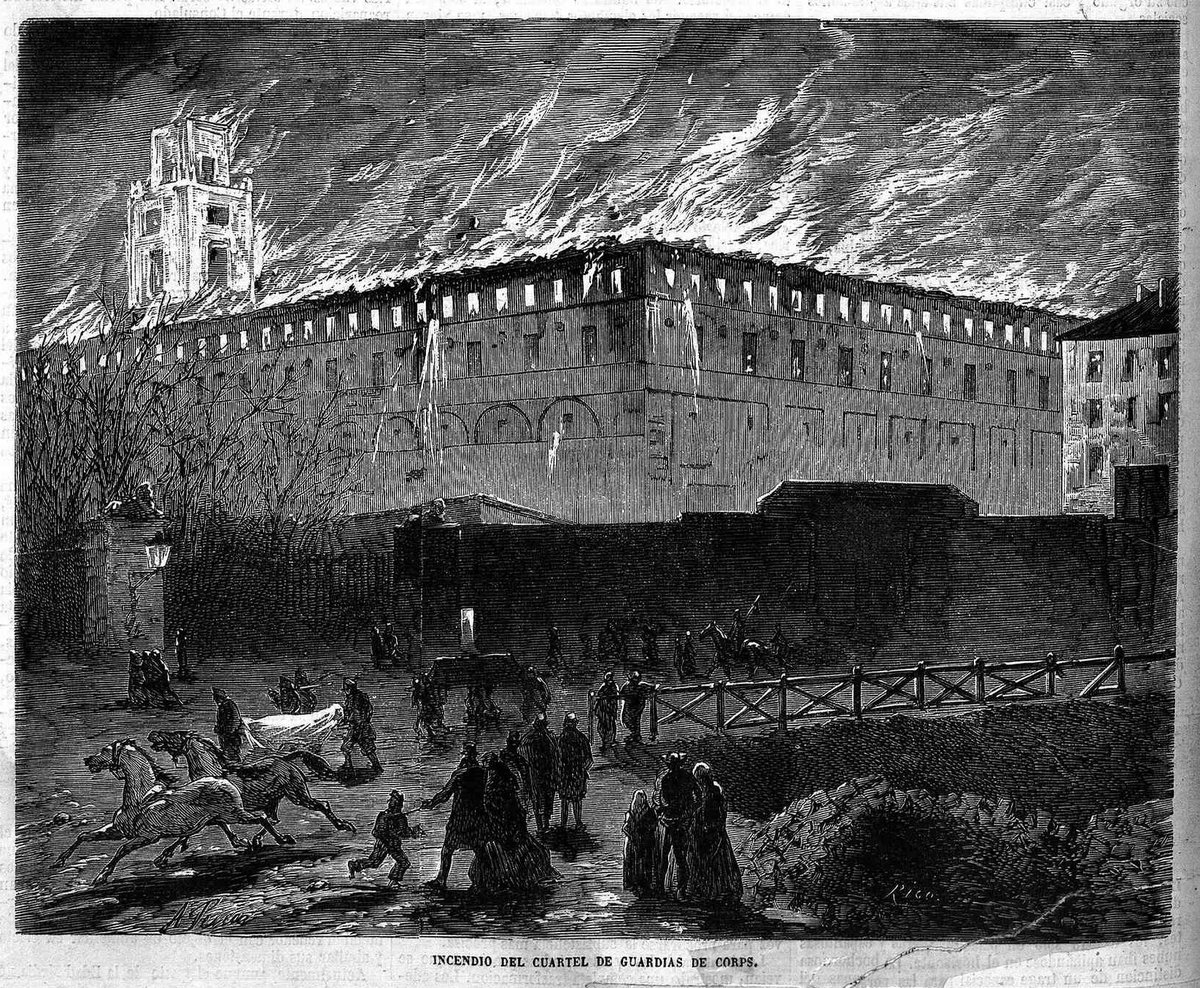
Initially a military barracks, the building adapted to changing times, serving as a military academy, telegraph station, and even an astronomical observatory in the 19th century. A devastating fire in 1869 caused significant damage, leading to a period of decline. It was later rescued from near-demolition in the late 20th century after being declared a Historic-Artistic Monument in 1976. Comprehensive restorations, particularly from 2005 to 2011, revitalized the building and preserved its architectural integrity (esmadrid.com).
Baroque Masterpiece
The Cuartel del Conde-Duque is celebrated as the last great example of Madrid Baroque before neoclassicism's rise. Ribera’s design fuses robust brickwork, monumental scale, and elaborate ornamentation, especially in the main entrance. The building features a central courtyard and auxiliary patios, which now serve as venues for exhibitions and events, blending historic gravitas with cultural vitality (turismomadrid.net).
Cultural Role and Major Institutions
Today, the Cuartel del Conde-Duque anchors Madrid’s contemporary cultural landscape. Managed by the city’s Directorate General of Libraries, Archives, and Museums, it hosts:
- Museo Municipal de Arte Contemporáneo: Rotating exhibitions of modern Spanish and international art.
- Hemeroteca Municipal: Spain’s largest newspaper and magazine archive.
- Archivo de la Villa: Madrid’s city archives, invaluable for researchers and history lovers.
- Multiple libraries: Including the Biblioteca Pública Benito Pérez Galdós, Biblioteca Histórica Municipal, and Biblioteca Musical Victor Espinós.
- Performance spaces: Auditorium, theater, and multipurpose halls for music, dance, theater, and literary events.
- Open courtyards: Frequently used for summer concerts, festivals, and community gatherings (esmadrid.com; madridsecreto.co).
The center’s multidisciplinary programming ranges from avant-garde exhibitions to traditional music and dance, serving as a bridge between Madrid’s historic roots and its creative present.
Visitor Information: Hours, Tickets, and Accessibility
Visiting Hours
- General Opening Hours:
- Tuesday to Saturday: 10:00–14:00 and 17:30–21:00
- Sundays and Public Holidays: 10:30–14:00
- Closed on Mondays
Please note: Hours may vary for specific exhibitions or events. Always check the official website for the latest schedule.
Tickets and Reservations
- General Entry: Free for most exhibitions and permanent collections.
- Special Exhibitions/Events: May require tickets; purchase online or at the venue.
- Guided Tours: Available by request and recommended for deeper insight into the building’s history and architecture. Book in advance, especially for groups (esmadrid.com).
Accessibility
- The building is fully accessible for visitors with reduced mobility, including ramps, elevators, and accessible restrooms.
- Mobility scooter rentals and tailored accessible tours are available through local providers (Accessible Madrid).
Location and Transport
- Address: Calle Conde Duque, 9–11, 28015 Madrid
- Metro: Noviciado (Lines 2, 3, 10), Plaza de España (Lines 2, 3, 10), San Bernardo (Lines 2, 4)
- Bus: Lines 1, 2, 44, 74, 133, 749, C1, M2, and Minibús 002
- BiciMAD: Bike stations nearby for easy access
Neighborhood and Nearby Attractions
The Conde Duque area is a lively, alternative district filled with traditional taverns, trendy cafés, and unique shops. Notable nearby sites include:
- Liria Palace: Home to the House of Alba with guided tours.
- Museo Cerralbo: An aristocratic mansion-turned-museum.
- Templo de Debod: Ancient Egyptian temple with city views.
- Plaza de España: Iconic square with the Don Quixote and Sancho Panza statue.
- The adjacent Malasaña and Chueca neighborhoods offer vibrant nightlife and diverse dining options (disfrutamadrid.com; tripsavvy.com).
Events and Seasonal Highlights
- Veranos de la Villa: Summer festival with outdoor concerts and performances in the courtyards (Time Out Madrid).
- Lost&Found Market: Annual vintage market held in June (Accessible Madrid).
- Rotating Exhibitions: Contemporary art, photography, and multimedia installations throughout the year.
For current programming and events, consult the official event calendar.
Practical Tips for Visitors
- Arrive early to enjoy exhibitions before crowds.
- Book tickets early for special events and guided tours.
- Bring sun protection for outdoor summer events.
- Combine your visit with other local attractions for a comprehensive cultural day.
- Check the website for up-to-date information and digital resources, including virtual tours.
FAQs: Essential Information
Q: Are there entrance fees?
A: General entry is free; some special exhibitions or events may require tickets.
Q: What are the visiting hours?
A: Tuesday to Saturday: 10:00–14:00 and 17:30–21:00; Sundays and public holidays: 10:30–14:00; closed on Mondays.
Q: Is Conde Duque accessible for visitors with disabilities?
A: Yes, the building is fully accessible, with additional services available upon request.
Q: Are guided tours available?
A: Yes, tours are offered and can be booked online or at the information desk.
Q: How do I get there?
A: Multiple metro lines and bus routes serve the area; bike stations are also nearby.
Q: Can I take photographs?
A: Photography is generally permitted in public areas, but restrictions may apply in some exhibitions.
Sustainability, Community, and Social Impact
The Cuartel del Conde-Duque is committed to sustainability and community engagement. Programs support local artists, educational initiatives, and public forums on social and environmental topics. Its libraries and archives are open to the public, fostering inclusive access to Madrid’s heritage.
Summary and Visitor Recommendations
The Cuartel del Conde-Duque exemplifies Madrid’s ability to preserve its historic fabric while fostering contemporary culture. With free access to most exhibitions, diverse programming, and a prime location, it is a must-visit for anyone interested in architecture, history, or the arts. Regularly check the official website for updated hours, events, and ticketing, and consider using the Audiala app for interactive guides and real-time updates.
Listen to the full story in the app
The whole Cuartel Del Conde-Duque,
told well.
Audio guides for 1,100+ cities across 96 countries. History, stories, and local insight — offline ready.
Verified, and shown.
Researched and written by the Audiala editorial team from historical records, architectural archives, and local expertise.
Researched from Wikidata, Wikipedia & official sources · fact-checked · How we make our guides →
