
Plan and listen to Colegio Imperial De Madrid with Audiala.
Audio guide in your pocket, itinerary in your browser. Built for the way you actually visit.
Introduction
Nestled in the historic heart of Madrid, the Colegio Imperial de Madrid stands as a testament to Spain’s rich educational, religious, and architectural heritage. Established in the late 16th century under Jesuit patronage and imperial support, the Colegio Imperial (also known as Colegio Imperial de la Compañía de Jesús or Colegio de San Pedro y San Pablo) helped shape the city’s rise as a political and cultural capital during the Spanish Golden Age (Wikipedia; La Razón). Its Baroque architecture, historical significance, and continued educational mission make it an essential destination for visitors seeking to experience Madrid’s layered past.
This guide offers comprehensive information about the Colegio Imperial’s history, architectural highlights, visiting hours, ticketing, accessibility, travel tips, and frequently asked questions. Whether you are a history enthusiast, architecture lover, or a curious traveler, this article will help you plan a memorable visit.
- Historical Overview
- Visitor Information
- Frequently Asked Questions (FAQ)
- Related Articles
- Plan Your Visit
- Summary and Final Tips
- References



Foundation and Early Development
The Colegio Imperial de Madrid was founded in the late 16th century, coinciding with the Spanish royal court’s relocation to Madrid. Established with the support of Empress Maria, daughter of Charles V and wife of Maximilian II, and under Jesuit guidance, the institution aimed to educate the intellectual and spiritual elite of Spain (Wikipedia; La Razón). The Jesuits’ approach combined academic rigor with moral and spiritual development, shaping generations of public servants, scholars, and clergy (Comillas).
Architectural Evolution
The Colegio Imperial’s original campus occupied a large area near Calle de Toledo and Calle de la Colegiata. Its architectural centerpiece is the Baroque church, modeled after Rome’s Il Gesù, featuring a grand façade, Latin cross plan, and richly decorated chapels. The main altarpiece, attributed to Francisco Bautista, is a highlight of Spanish Baroque art (Wise Visitor). The church, now known as the Colegiata de San Isidro, served as Madrid’s cathedral until the opening of Almudena Cathedral in 1993. Other preserved elements include a 17th-century cloister, grand staircases, and historic classrooms (IES San Isidro).
Academic and Cultural Impact
The Colegio Imperial became a leading center of education in Spain, offering studies in theology, philosophy, sciences, and classical humanities. Its library, which held around 35,000 volumes at its peak, was the most important in Madrid until the 18th century (La Razón). The institution was instrumental in expanding access to education and shaping the intellectual culture of Madrid during the Spanish Golden Age (UCLouvain fiche).
Transformation after the Jesuit Expulsion
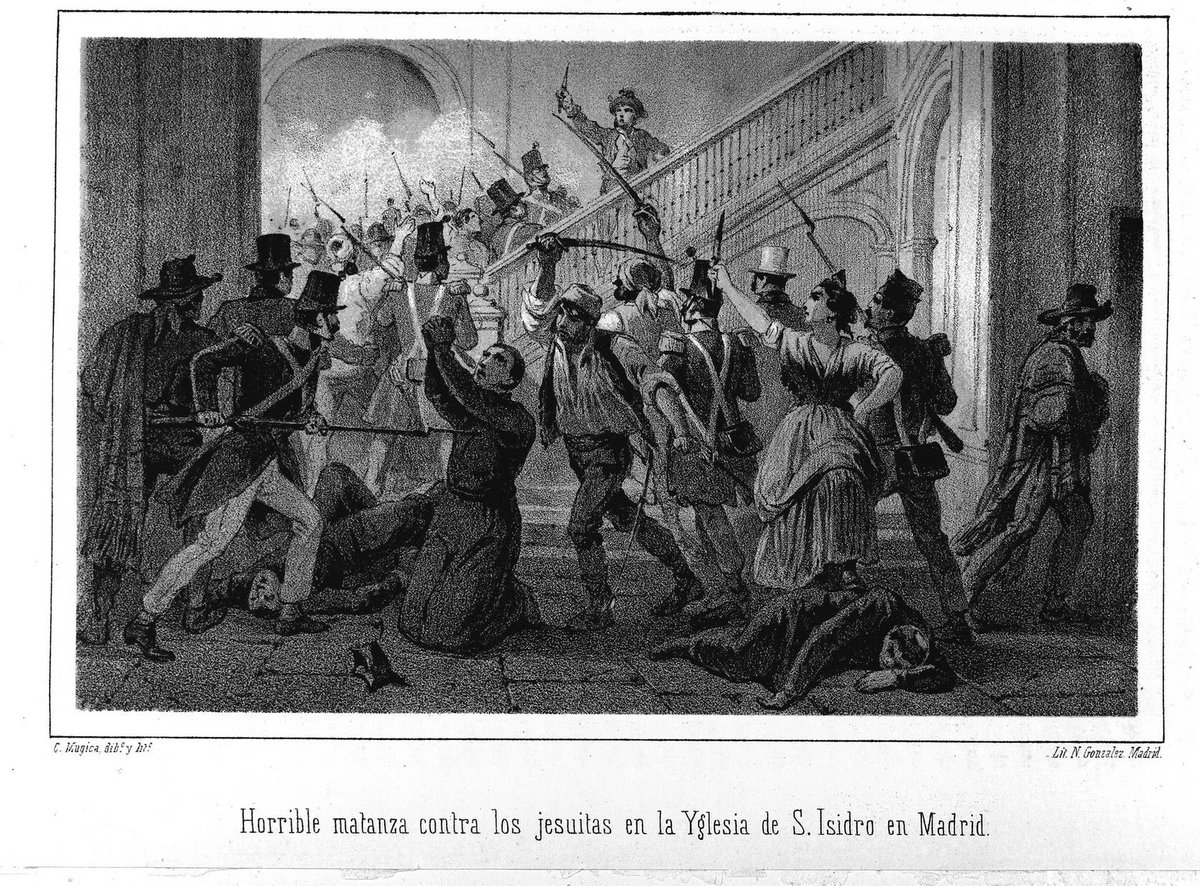
In 1767, King Charles III expelled the Jesuits from Spain, resulting in the closure of the Colegio Imperial and the confiscation of its assets (UPM PDF). The complex was repurposed: the church became the Real Colegiata de San Isidro, and the educational mission continued under the Reales Estudios de San Isidro, which later evolved into today’s Instituto San Isidro (IES San Isidro).
Legacy and Preservation
Despite significant changes, the Colegio Imperial’s legacy persists. The Instituto San Isidro remains one of Spain’s oldest public secondary schools, and the church is a protected landmark. Digital humanities projects, such as virtual recreations of the original library, continue to highlight the institution’s importance (Comillas). The site is recognized as a Bien de Interés Cultural, ensuring ongoing preservation and public engagement (Revive Madrid).
Notable Figures
Over the centuries, the Colegio Imperial has been associated with luminaries such as Lope de Vega, Francisco de Quevedo, Calderón de la Barca, the Machado brothers, and King Juan Carlos I (Revive Madrid). Its faculty and alumni have played key roles in Spanish literature, politics, and cultural life.
Visitor Information
Visiting Hours
-
Colegiata de San Isidro (church):
- Monday to Saturday: 10:00 AM – 1:30 PM and 4:30 PM – 7:00 PM
- Sundays: 10:00 AM – 1:30 PM
- Hours may vary on religious holidays. Check official sources before visiting.
-
Instituto San Isidro (school):
- Public access is generally limited as it functions as an active school. Visits are mainly possible during special open days or pre-arranged guided tours (Instituto San Isidro website).
Tickets and Admission
- Church: Entry is free; donations are encouraged to support maintenance.
- Guided Tours: Available for a modest fee (typically €5–€10 per person). Advance booking is recommended, especially during events or festivals.
- Instituto San Isidro: Visits are free on open days. For group or guided tours, prior arrangement via the school or local tourism office is required.
Accessibility
- The church is partially accessible for visitors with reduced mobility (ramps and accessible entrances are available).
- Some areas of the Instituto San Isidro have limited accessibility due to historic architecture. Contact ahead to arrange assistance.
Guided Tours and Virtual Experiences
- Guided tours (in Spanish and English) cover the church, historic classrooms, cloisters, and artistic highlights. Tours last around 45–60 minutes.
- Virtual reality projects allow visitors to explore the historic library and other features online (Comillas).
Travel Tips
- Location: Calle de Toledo, 39, 28005 Madrid, Spain (La Latina neighborhood)
- Metro: La Latina (Line 5); several bus routes serve the area.
- Nearby: Plaza Mayor, Royal Palace, Mercado de la Cebada, Museo de San Isidro (Google Maps)
- Best time to visit: Weekday mornings or late afternoons for fewer crowds; May’s San Isidro Festival offers cultural events.
- Dress code: Modest attire is recommended, especially during religious services.
- Weather: Summers are hot; visit early or late in the day and dress accordingly (Madrid Traveller).
Frequently Asked Questions (FAQ)
Q: What are the Colegio Imperial de Madrid visiting hours?
A: Church: Monday to Saturday, 10:00 AM–1:30 PM & 4:30 PM–7:00 PM; Sunday, 10:00 AM–1:30 PM. School: Public access during special events or by appointment.
Q: Are tickets required?
A: Entry to the church is free; guided tours require a small fee. School visits require advance booking.
Q: Is the site accessible for visitors with disabilities?
A: The church is partially accessible; some historic areas have limited access. Contact in advance for arrangements.
Q: Are guided tours available in English?
A: Yes, tours are available in Spanish and English.
Q: Can I take photographs?
A: Photography is allowed in most areas but may be restricted during services or in classrooms. Always ask permission.
Q: When is the best time to visit?
A: Early mornings on weekdays, or during the San Isidro Festival in May for cultural events.
Related Articles
- Top Historical Sites to Visit in Madrid
- Exploring Jesuit Architecture in Spain
- The History of the Society of Jesus in Madrid
Plan Your Visit
- Address: Calle de Toledo, 39, 28005 Madrid, Spain
- Official Sites:
- Contact: Check respective websites for phone/email.
- App: Download the Audiala app for exclusive guided tours and virtual experiences.
Summary and Final Tips
The Colegio Imperial de Madrid is a living symbol of Spain’s educational evolution and Baroque splendor. From its Jesuit origins to its current role as Instituto San Isidro and the Colegiata de San Isidro church, the site intertwines tradition and innovation, offering visitors a unique window into Madrid’s Golden Age and enduring cultural legacy. Plan your visit with the information above, take advantage of guided and virtual tours, and explore the vibrant La Latina neighborhood for a complete Madrid experience (Official Madrid Tourism; Revive Madrid).
Listen to the full story in the app
The whole Colegio Imperial De Madrid,
told well.
Audio guides for 1,100+ cities across 96 countries. History, stories, and local insight — offline ready.
Verified, and shown.
Researched and written by the Audiala editorial team from historical records, architectural archives, and local expertise.
Researched from Wikidata, Wikipedia & official sources · fact-checked · How we make our guides →
