Plan and listen to Bridge Of Toledo with Audiala.
Audio guide in your pocket, itinerary in your browser. Built for the way you actually visit.
Introduction
The Bridge of Toledo (Puente de Toledo) stands as one of Madrid’s most captivating historical landmarks, embodying Spanish Baroque architecture and the city's evolving urban landscape. Spanning the Manzanares River, this bridge not only historically connected Madrid to Toledo and its royal hunting grounds but also represents the artistic ambition of early 18th-century Spain. Today, the bridge is seamlessly integrated into the revitalized Madrid Río park, serving as a pedestrian-friendly monument open to all, day or night (art-facts.com, My Guide Madrid, esmadrid.com).
Whether you are an architecture enthusiast, history lover, or casual traveler, this guide provides all the essential information you need: visiting hours, accessibility, nearby attractions, cultural events like the San Isidro Festival, and practical travel tips to enrich your experience.

Historical Background and Significance
Origins and Construction
The current Bridge of Toledo was constructed between 1718 and 1732 during the reign of King Philip V, replacing earlier crossings destroyed by floods. Commissioned to connect Madrid with Toledo, it reflects both the city's strategic ambitions and its Baroque artistry (art-facts.com).
Pedro de Ribera’s Masterpiece
Renowned architect Pedro de Ribera designed the bridge, infusing it with his signature ornate style. His work is evident throughout Madrid, but the Bridge of Toledo stands as a pinnacle of his career, exemplifying robust engineering paired with elaborate ornamentation.
Role in Madrid’s Urban Development
As Madrid's southern gateway, the bridge served as a vital economic and social artery, facilitating trade and processions. Over centuries, the surrounding area transformed from rural outskirts to a bustling urban district, with the bridge remaining a constant symbol of the city’s growth (My Guide Madrid).
Architectural Highlights
Baroque Elegance
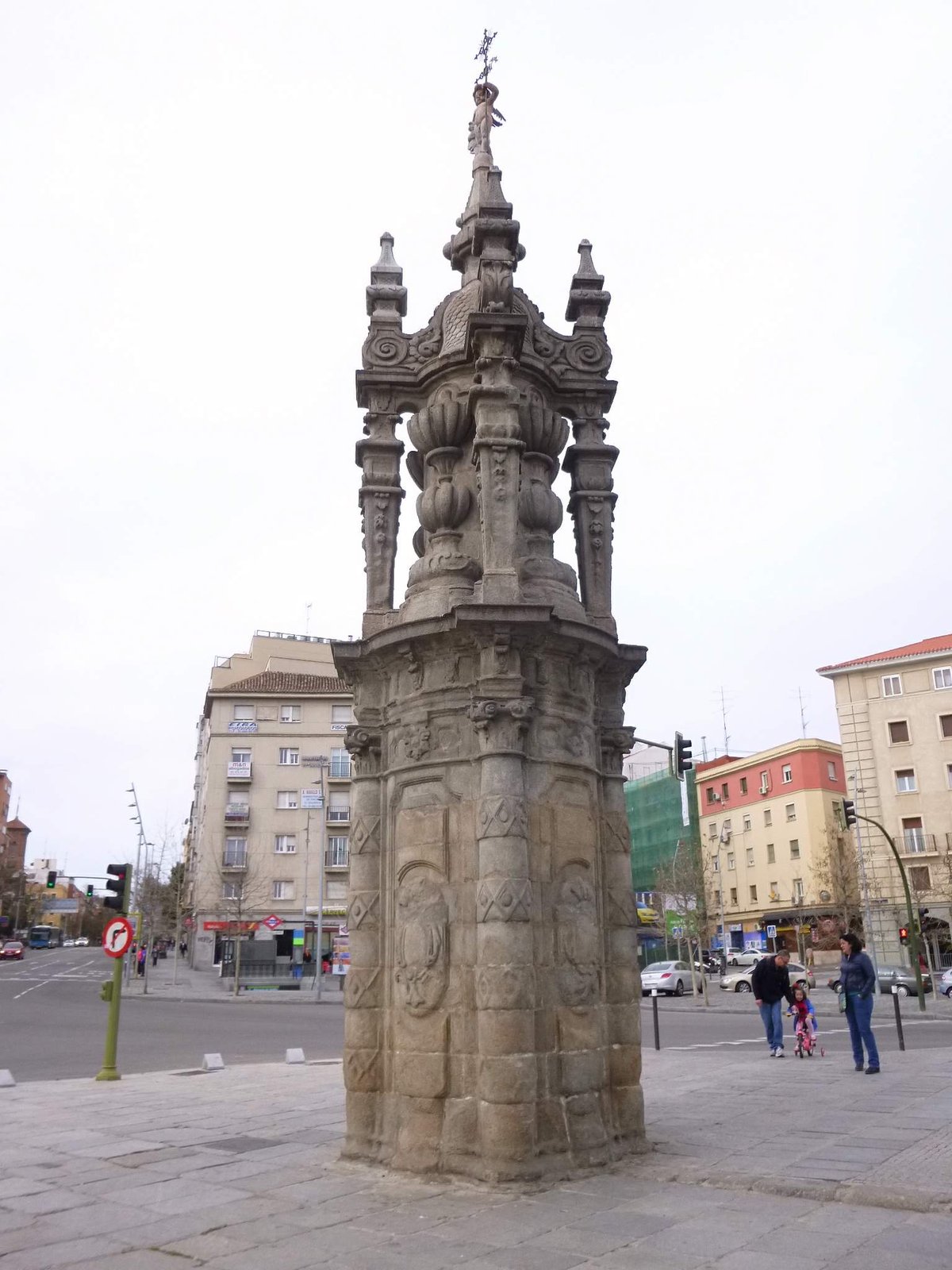
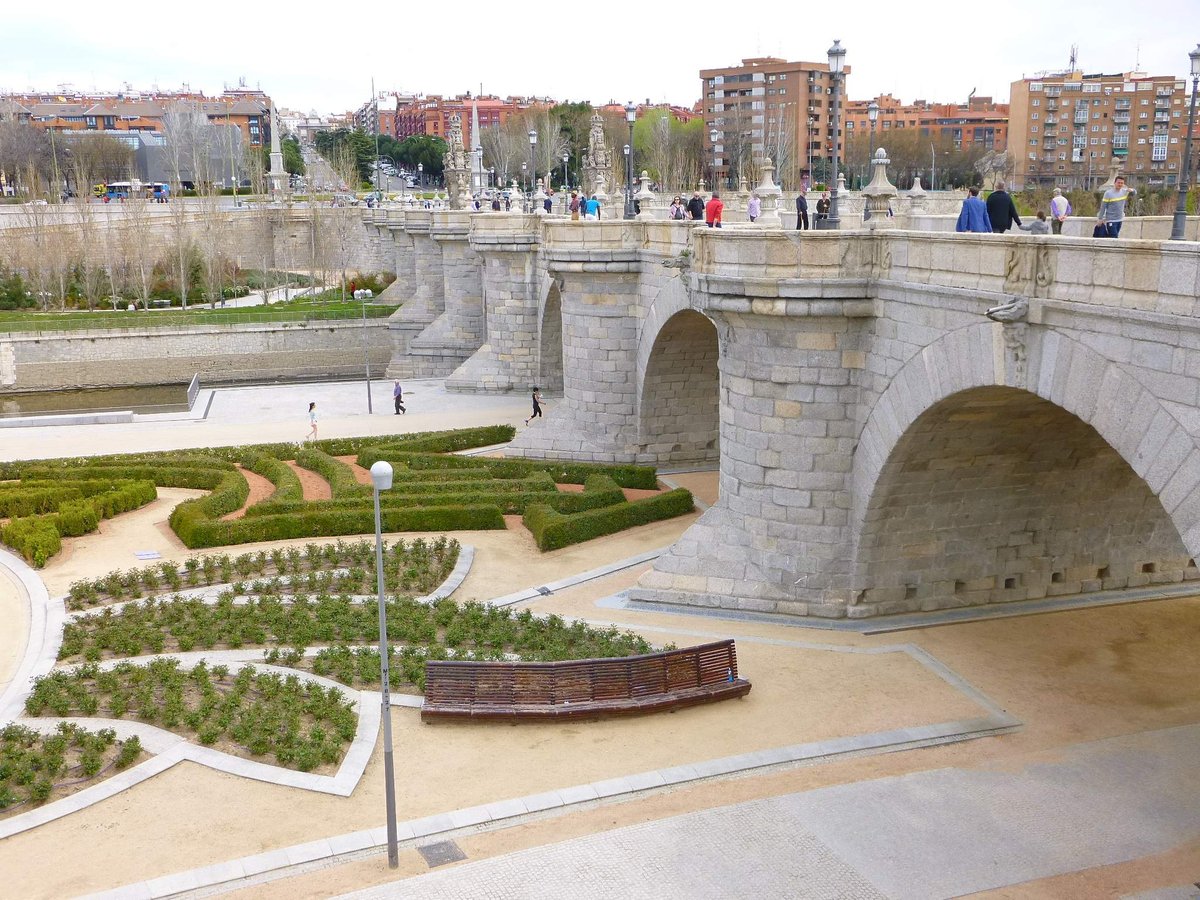
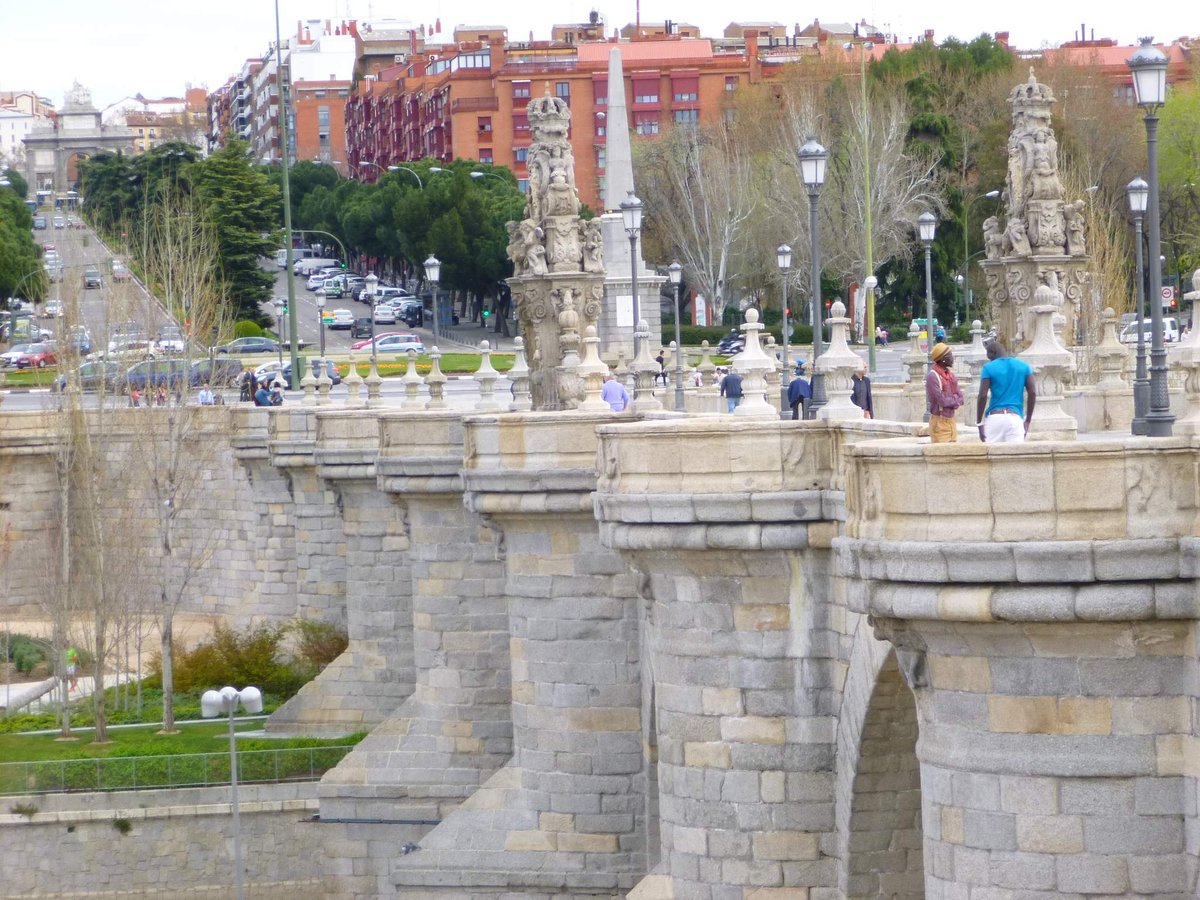
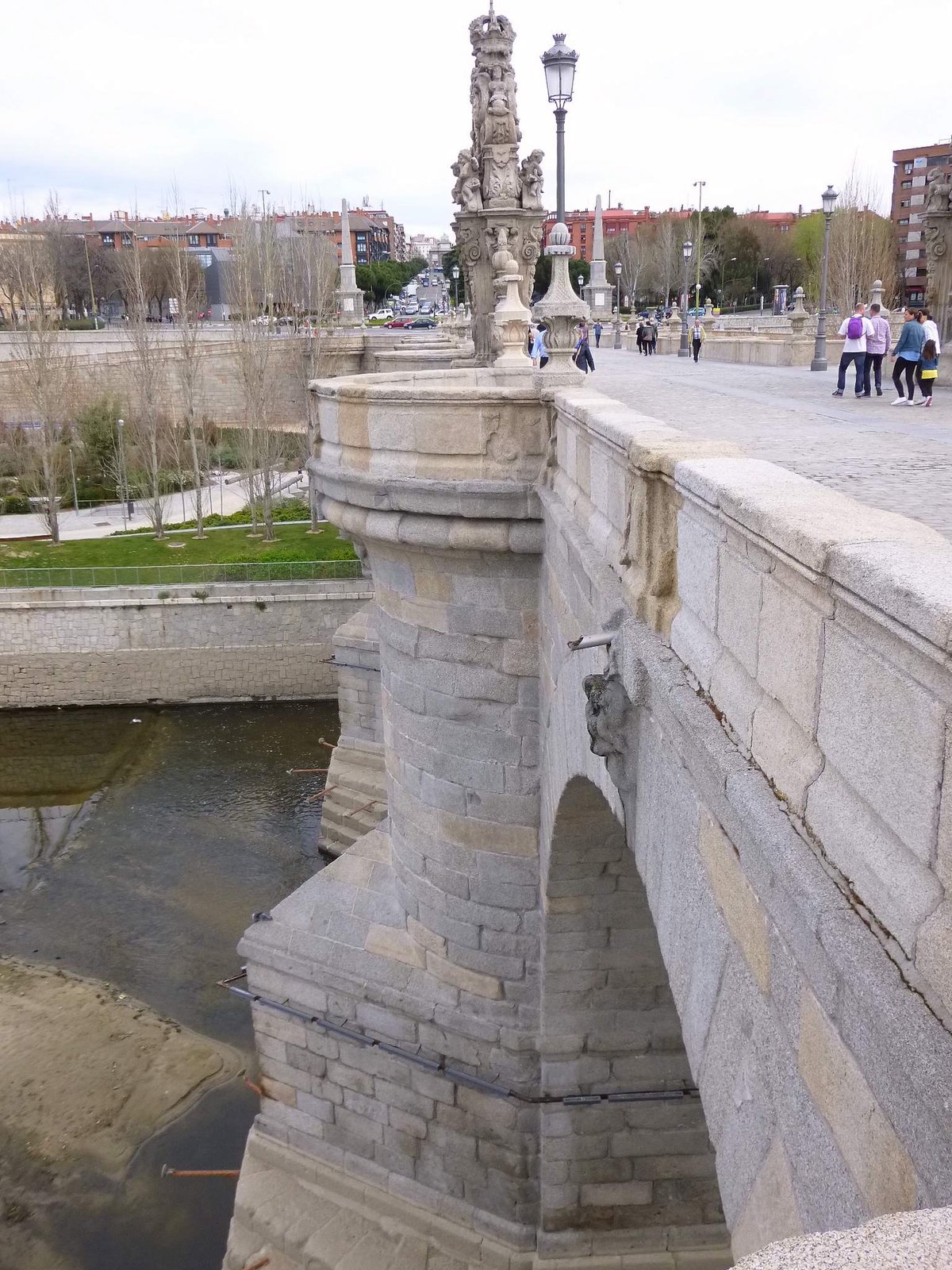
The bridge measures approximately 180 meters in length and 9 meters in width, featuring nine semicircular granite arches. Its balustrades, scrolls, and floral motifs showcase the exuberance of Spanish Baroque design (esmadrid.com).
Monumental Sculptures
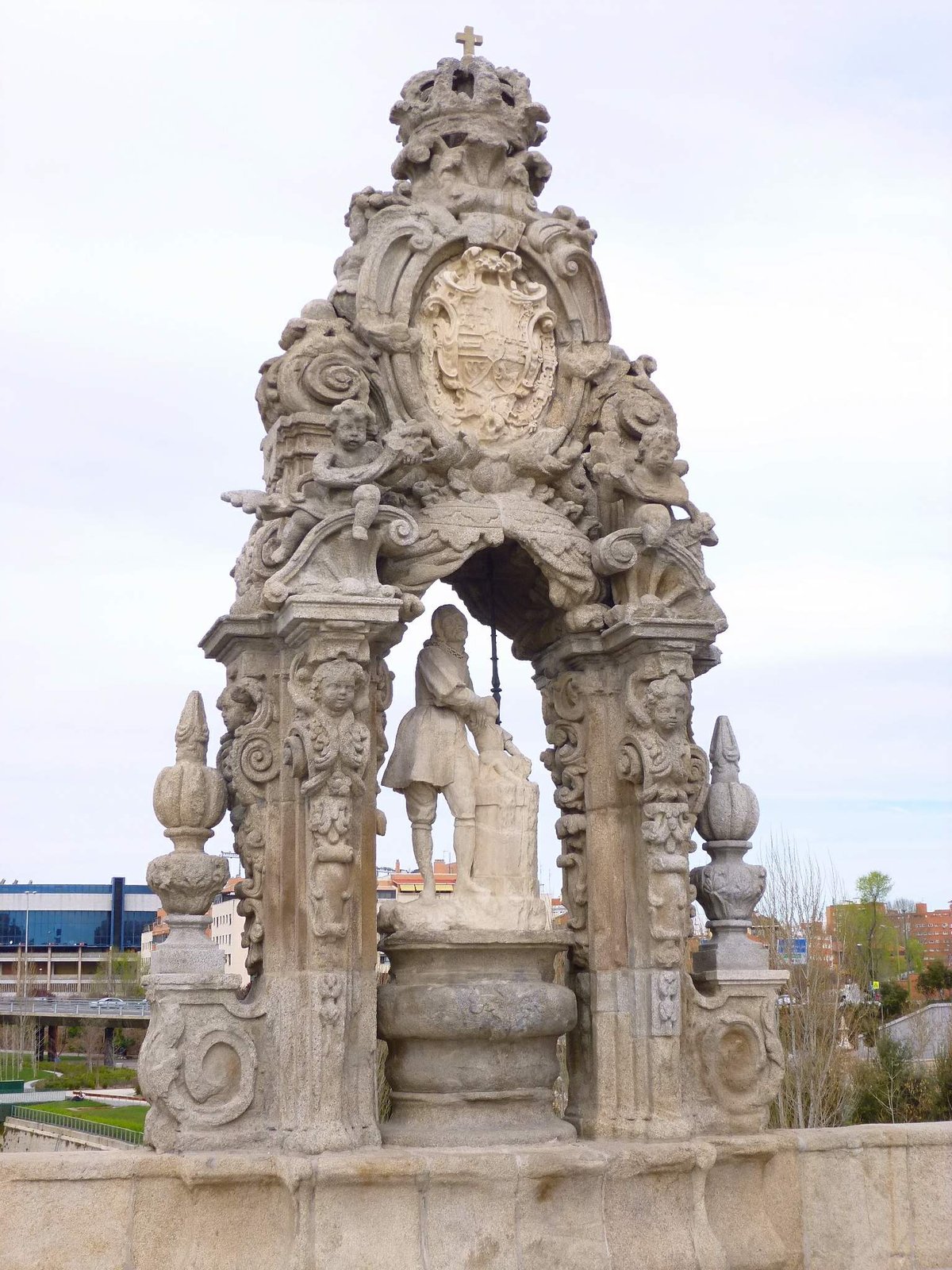
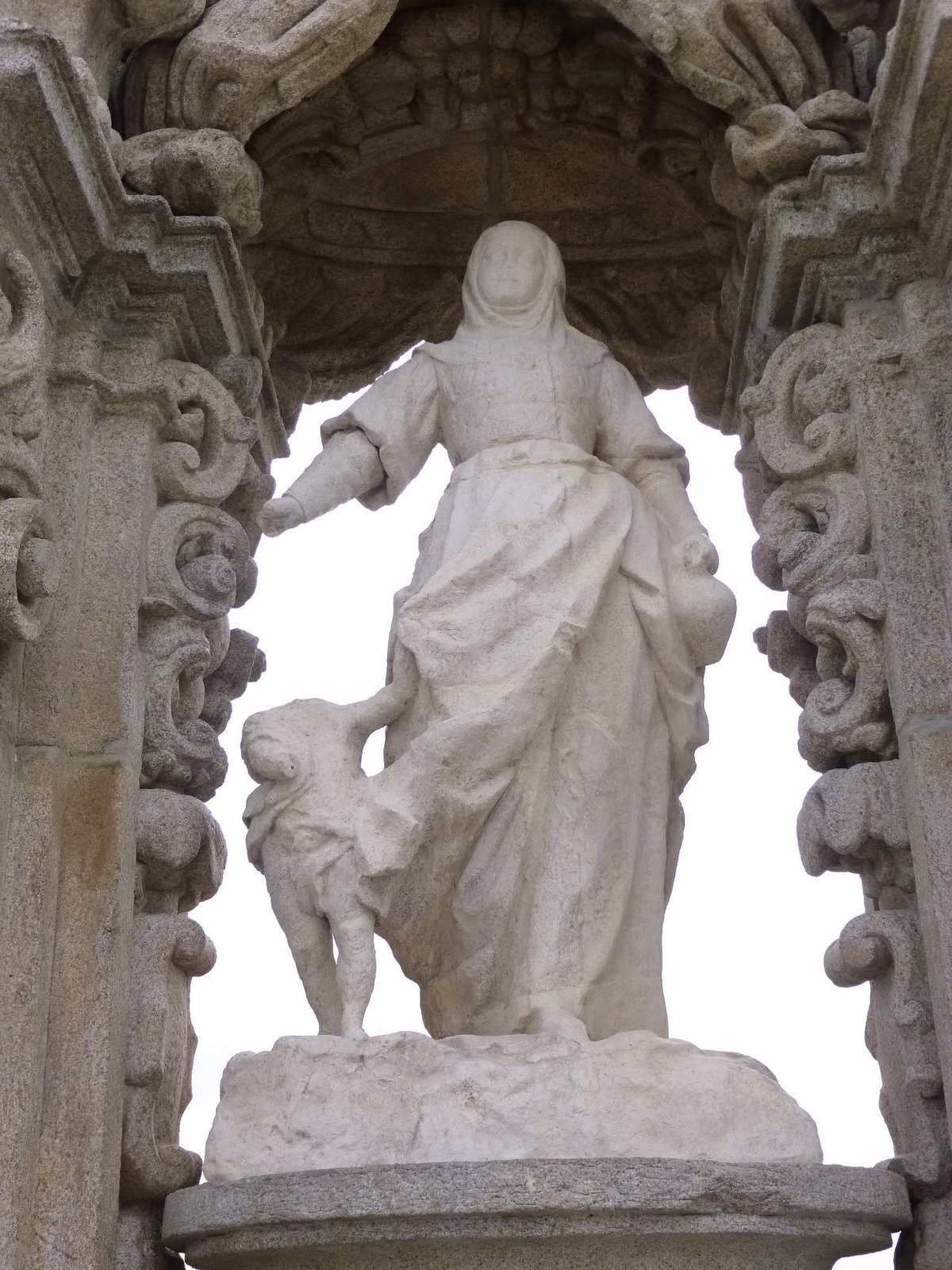
Central pavilions display statues of Madrid’s patron saints:
- San Isidro Labrador: Depicted with agricultural tools, honoring the city’s rural heritage.
- Santa María de la Cabeza: Shown with a pitcher, symbolizing her miracles.
These sculptures reinforce the bridge’s spiritual and communal significance.
Engineering Innovations
Ribera’s use of semicircular arches distributes weight efficiently, granting the bridge resilience against river currents and traffic. Cutwaters protect the foundations, and the design originally accommodated both pedestrians and carriages—a forward-thinking feature for its time.
Preservation and Restoration
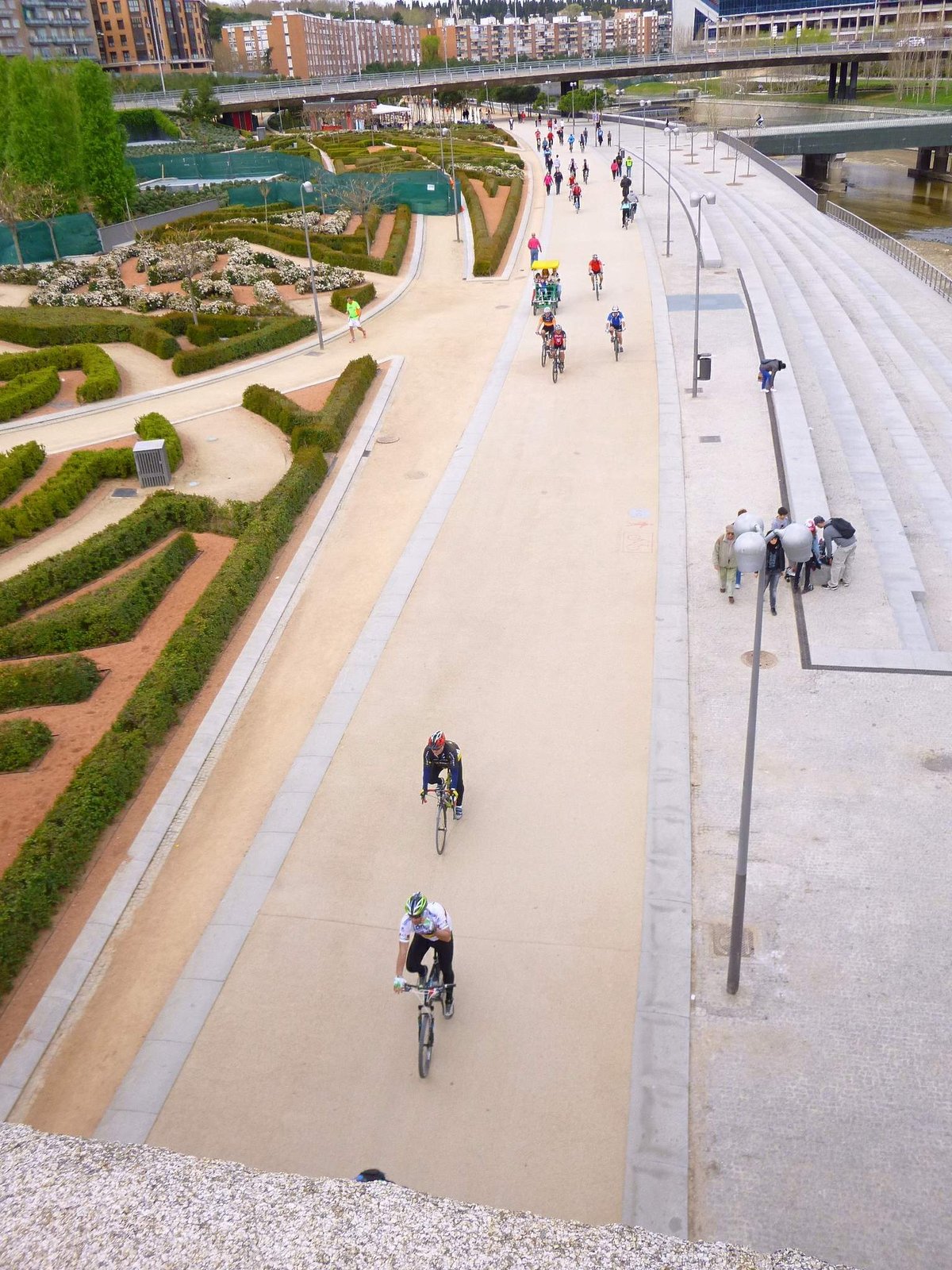
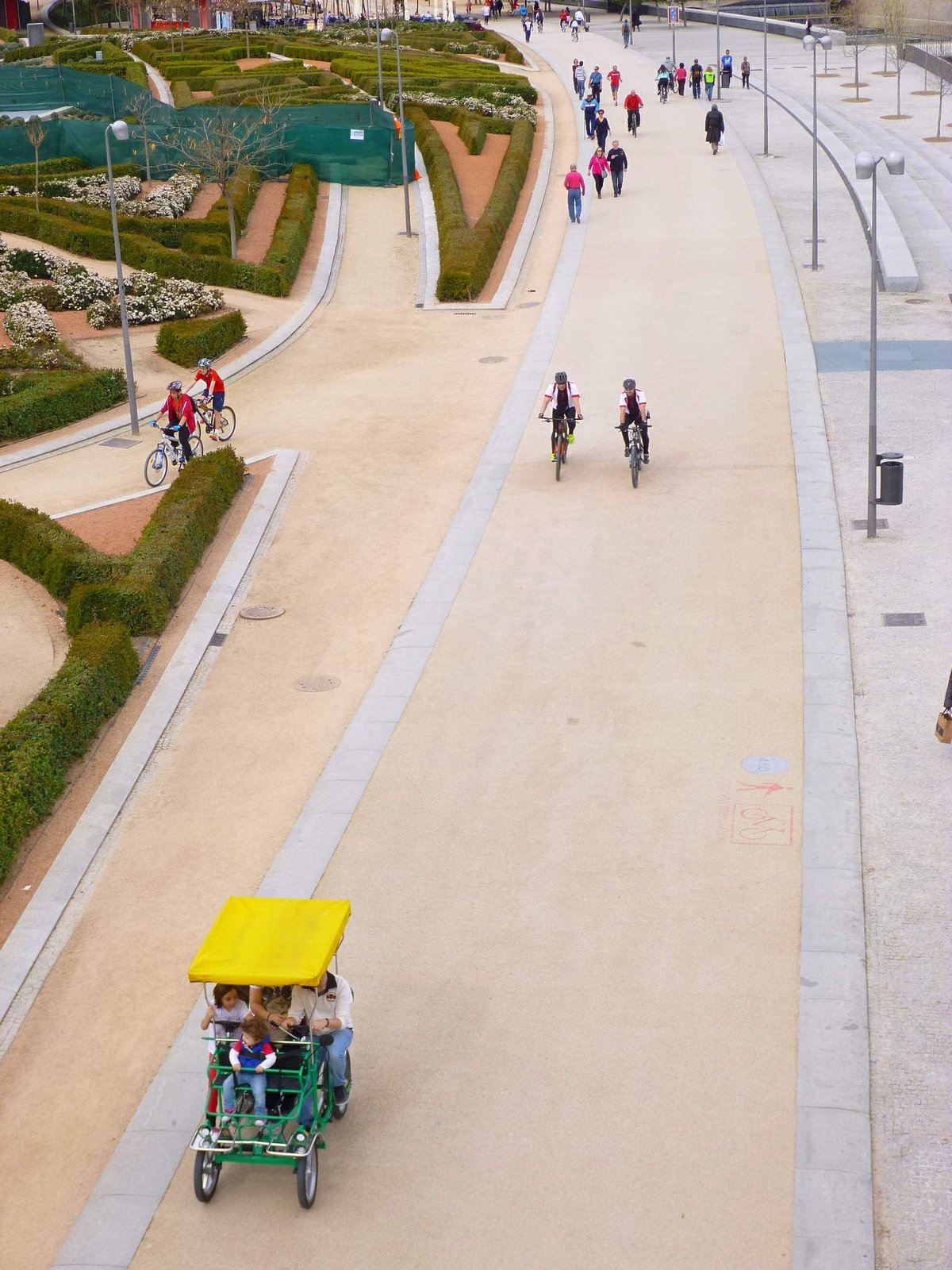
Incorporated into the Madrid Río project, the bridge has undergone careful restoration. Closed to vehicles, it is now dedicated to pedestrians and cyclists, with its original stonework and sculptures meticulously preserved (Wikipedia).
Visiting the Bridge of Toledo
Visiting Hours and Entry
- Hours: Open 24/7, year-round (lookbridges.com).
- Entry Fee: Free; no tickets required.
Accessibility
- Wheelchair Accessible: Smooth ramps and wide paths throughout.
- Family and Pet Friendly: Ideal for strollers and leashed dogs.
How to Get There
- Metro: Line 5 – Marqués de Vadillo or Pirámides stations (Evendo).
- Bus: Lines 23, 35, and 47 serve the area.
- By Bike/Foot: Easily accessed via Madrid Río park, with city bike stations nearby.
Facilities
- Restrooms: Available in the adjacent park.
- Seating: Benches on the bridge and in the park.
- Nearby Dining: Tapas bars, cafés, and restaurants near Marqués de Vadillo and Pirámides.
Best Times to Visit
- Season: Spring and autumn offer the most pleasant weather (Spain.info).
- Time of Day: Early morning or sunset for photography; evenings to enjoy the bridge’s illumination.
Cultural and Social Impact
Community Life
The bridge connects the lively districts of Arganzuela and Carabanchel, acting as a social artery for locals. Madrid Río park’s transformation has turned the area into a hub for recreation, festivals, and community events, especially during the San Isidro Festival each May (TravelTriangle).
Artistic and Religious Symbolism
The bridge’s image frequently appears in paintings, photographs, and literature, inspiring generations of artists. The statues of San Isidro and Santa María de la Cabeza serve as focal points during religious processions, reinforcing the bridge’s role as a living monument.
Contemporary Uses
The bridge and its surroundings host concerts, art installations, and workshops, blending heritage with modern cultural life (My Guide Madrid).
Urban Renewal and Sustainability
Integration into Modern Madrid
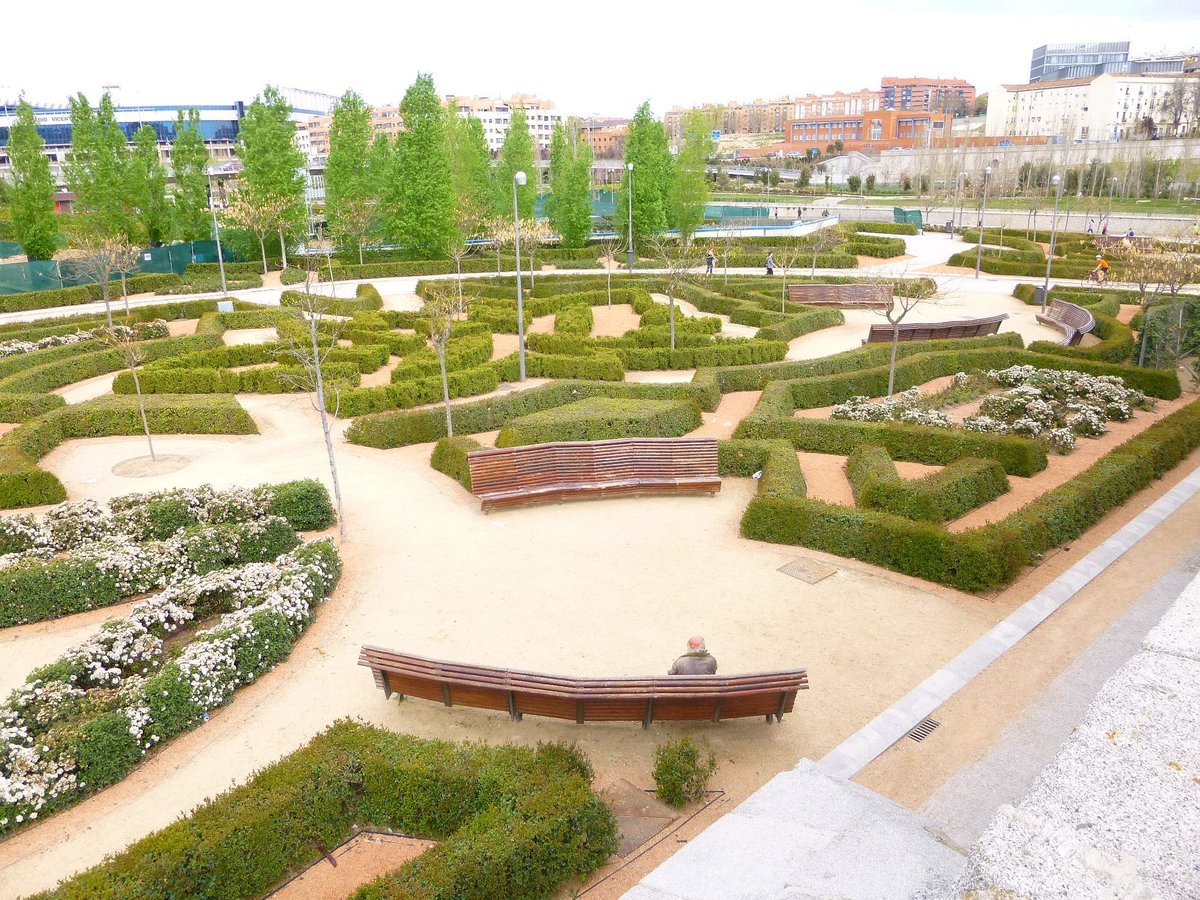
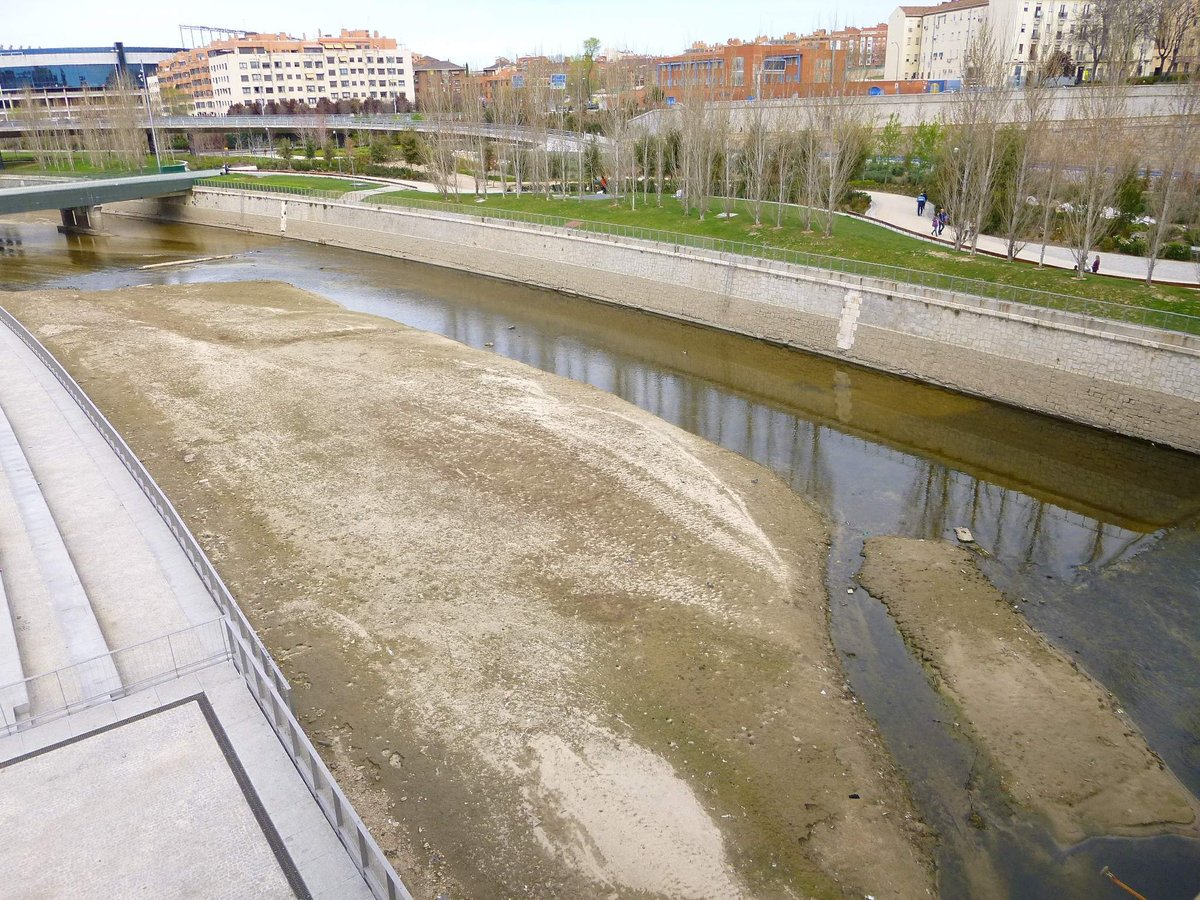
Madrid Río park’s development has revitalized the riverbanks, creating green corridors and pedestrian paths. The bridge’s preservation is a testament to the city’s commitment to sustainable tourism and heritage conservation (Turispanish).
Environmental Initiatives
Eco-friendly travel is encouraged, with public transport and cycling routes prioritized to reduce congestion and environmental impact. Waste management and maintenance ensure the bridge and its surroundings remain clean and accessible.
Practical Visitor Tips
- Combine Attractions: Pair your visit with nearby sites such as Puerta de Toledo, La Casa Encendida, or the Royal Palace.
- Weather Preparedness: Summers can be hot; bring water and sun protection. The bridge is exposed, so be prepared for rain or heat.
- Photography: Tripods are allowed; golden hour provides the best light.
- Safety: The area is well-lit and patrolled, but stay alert for pickpockets during crowded events.
- Respect the Monument: Climbing on statues or balustrades is prohibited; use bins for litter.
Frequently Asked Questions (FAQ)
Q: What are the Bridge of Toledo’s opening hours?
A: The bridge is open 24 hours a day, every day.
Q: Is there an entrance fee or ticket required?
A: No, visiting the bridge is completely free.
Q: How do I get there by public transport?
A: Metro Line 5 (Marqués de Vadillo or Pirámides); bus lines 23, 35, and 47.
Q: Is the bridge accessible for wheelchairs and strollers?
A: Yes, the bridge and park paths are wheelchair and stroller friendly.
Q: Are guided tours available?
A: Many guided walking tours of Madrid’s historic sites include the Bridge of Toledo (TravelTriangle).
Q: What else is nearby?
A: Puerta de Toledo, Madrid Río park, La Casa Encendida, and vibrant neighborhoods with markets and tapas bars.
Listen to the full story in the app
The whole Bridge Of Toledo,
told well.
Audio guides for 1,100+ cities across 96 countries. History, stories, and local insight — offline ready.
Verified, and shown.
Researched and written by the Audiala editorial team from historical records, architectural archives, and local expertise.
Researched from Wikidata, Wikipedia & official sources · fact-checked · How we make our guides →
