The Port of Huelva: History and Economic Impact
Ancient Origins and Industrial Expansion
Huelva’s port is among Europe’s oldest, its natural harbor shaping trade and settlement since the Tartessan era. The city became a hub for Phoenician, Greek, and Roman merchants, leveraging the estuary’s sheltered access for commerce across the Mediterranean and Atlantic (Spain.info). The modern period began in earnest in the late 19th century with the construction of the Mineral Wharf (Muelle de Mineral) in 1876, enabling rail-bound mineral exports from the Riotinto mines and cementing Huelva’s industrial and maritime transformation.
Creation and Role of the Port Authority
As Spain modernized its port infrastructure, the Autoridad Portuaria de Huelva was established to oversee the port’s management, development, and compliance with international standards (HuelvaPort). Its headquarters, located at Avda. Real Sociedad Colombina Onubense, s/n, 21001 Huelva, coordinates all administrative, logistical, and strategic activities.
Modernization, Sustainability, and Connectivity
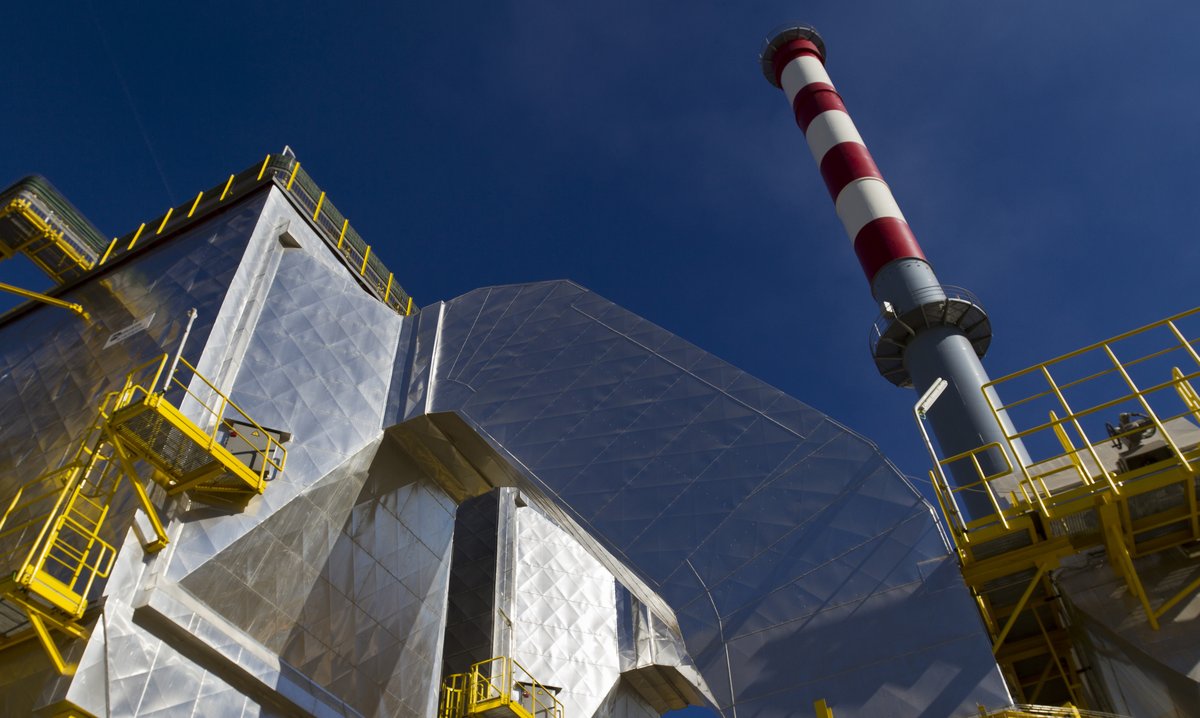
Today, the Port of Huelva is one of Spain’s largest in both surface area and cargo volume, with 8.5 kilometers of docks and advanced intermodal connections linking it to Spain and Portugal (HuelvaPort). It is recognized for its rapid growth, sustainability measures (including green energy initiatives), and integration into the EU’s Trans-European Transport Network (TEN-T).
The port generates over 36,500 jobs, contributing €2.122 billion in gross value added to the regional economy, and ranks among Europe’s fastest-growing maritime gateways (PortusOnline).
Visiting the Sede de la Autoridad Portuaria de Huelva
Architectural Features and Visitor Experience
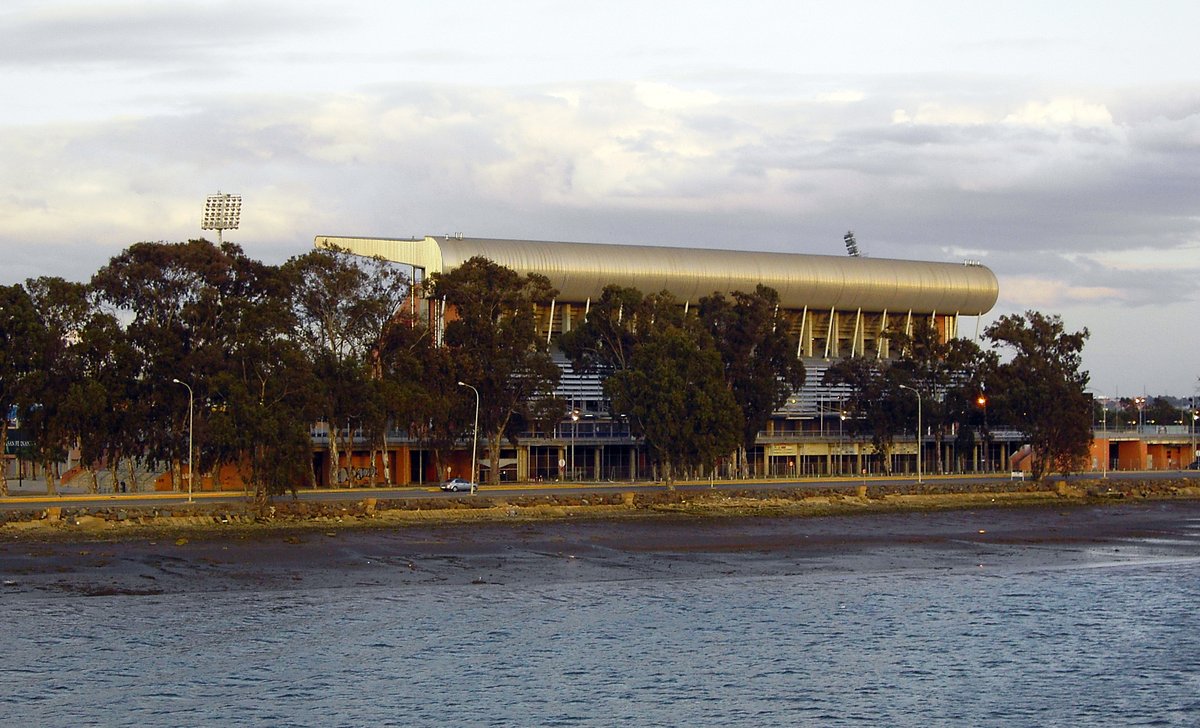
The headquarters is a contemporary, accessible facility located near the Muelle de Levante. Designed to blend industrial function with urban aesthetics, it offers panoramic port views and easy pedestrian access to the city center. Large windows, robust coastal materials, and open public spaces reflect Huelva’s maritime identity.
Highlights:
- Permanent and temporary exhibitions on port history, engineering, and innovation
- Guided tours (in Spanish and, upon request, English) featuring behind-the-scenes access
- Interactive educational programs for students and families
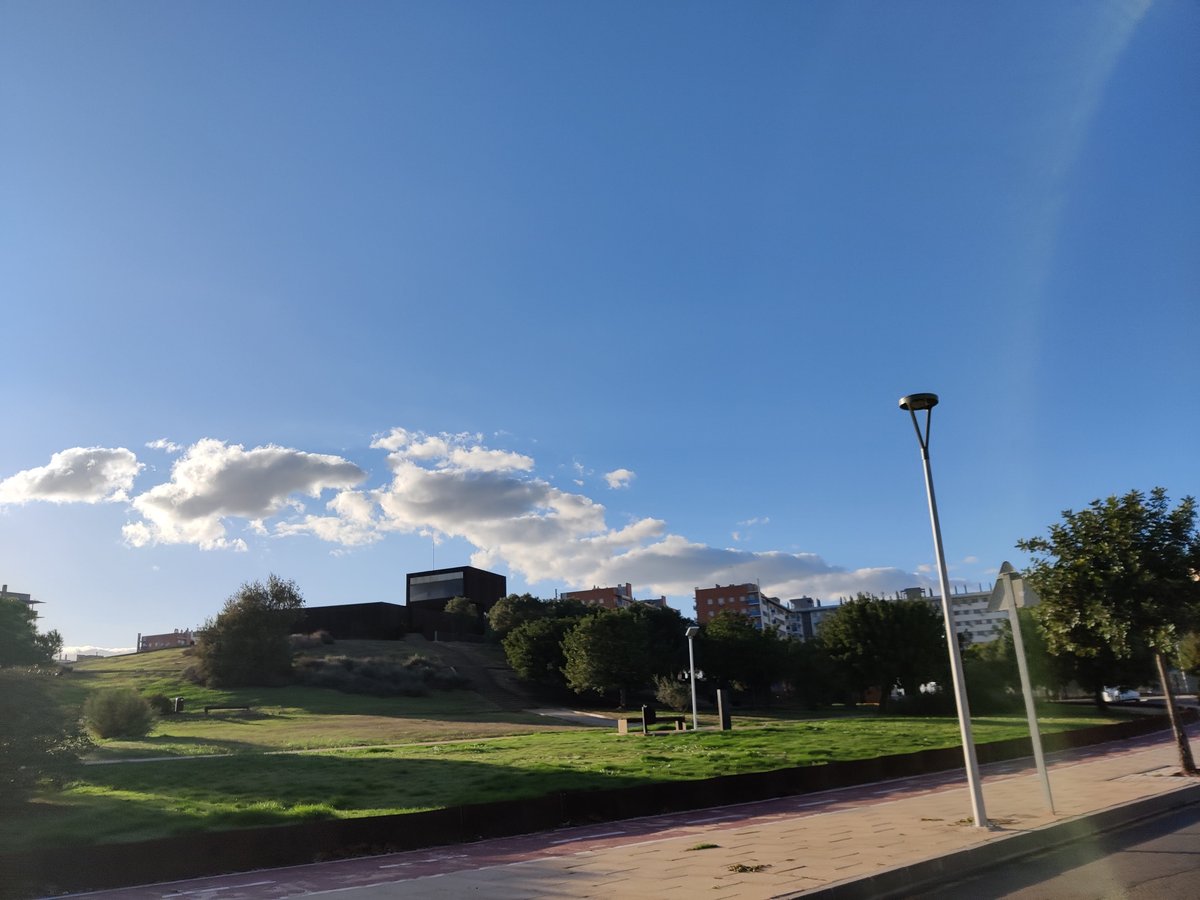
- Panoramic viewpoints and nearby sculptures and art installations
Port Archive: A Heritage Resource
One of the site’s most notable features is the Archivo del Puerto de Huelva (Port Archive), preserving nearly 150 years of documents, photographs, and artifacts. The archive is accessible by appointment or as part of guided tours, offering a unique insight into the port’s evolution and its social and economic influence (portusonline.org).
Nearby Historical and Natural Attractions
- Muelle de Riotinto A restored 19th-century iron pier, formerly used for mineral exports, now a scenic pedestrian walkway (en.wikipedia.org).
- Odiel Marshes A UNESCO Biosphere Reserve renowned for birdwatching, guided nature walks, and ecological tourism.
- Columbus Monument Honoring Christopher Columbus’s voyages, located near the port.
- Historic City Center Explore plazas, shops, regional cuisine, and sites like Gran Teatro and Casa Colón.
- Museo de Huelva Regional museum of archaeology and industrial history (Museo de Huelva).
Visitor Information: Hours, Tickets, and Accessibility
Sede de la Autoridad Portuaria de Huelva
- Location Avenida Real Sociedad Colombina Onubense, s/n, 21001 Huelva, Spain (puertohuelva.com)
- Opening Hours Monday to Friday, 9:00 AM to 2:00 PM (administrative hours; guided tour times may vary)
- Entry Fee General admission is free; some special events or exhibitions may require tickets
- Guided Tours & Archive Access Available by prior arrangement; contact [email protected] or (+34) 959 49 31 00 for booking
- Accessibility Fully accessible for visitors with reduced mobility; ramps, elevators, and adapted restrooms are provided
How to Get There
- By Car Parking available nearby (may be limited at peak times)
- By Public Transport Huelva’s main train and bus stations are within a 15–20 minute walk; frequent local buses serve the port area
- By Bicycle/On Foot Pedestrian-friendly promenades connect the port to the city center
Travel Tips and Practical Information
- Language Spanish is the main language; English available on guided tours and in some signage
- Facilities Public restrooms, ATMs, and tourist information points close by
- Photography Permitted in public areas; restrictions may apply in administrative offices or during exhibitions
- Safety Supervise children near waterfronts and historic structures; follow all posted safety instructions
- Best Time to Visit Spring and autumn offer mild weather and active wildlife; summer features vibrant festivals
- Digital Resources The Port Authority provides an electronic headquarters for online administrative services (puertohuelva.com); the Audiala app offers interactive maps and guided tours
Frequently Asked Questions (FAQ)
Q: Do I need a ticket to visit the Port Authority Headquarters?
A: General visits are free; some events or tours may require advance booking or a ticket.
Q: How do I book a guided tour or access the Port Archive?
A: Contact the Port Authority via email at [email protected] or by phone at (+34) 959 49 31 00.
Q: Is the site accessible for visitors with disabilities?
A: Yes, the headquarters and main public areas are fully accessible; some older structures may have limitations.
Q: Are there family-friendly activities?
A: Yes, educational tours, workshops, and safe walking areas make the site suitable for families.
Q: What are some nearby attractions?
A: Muelle de Riotinto, Odiel Marshes, the Columbus Monument, and Huelva’s city center are all within easy reach.