Introduction
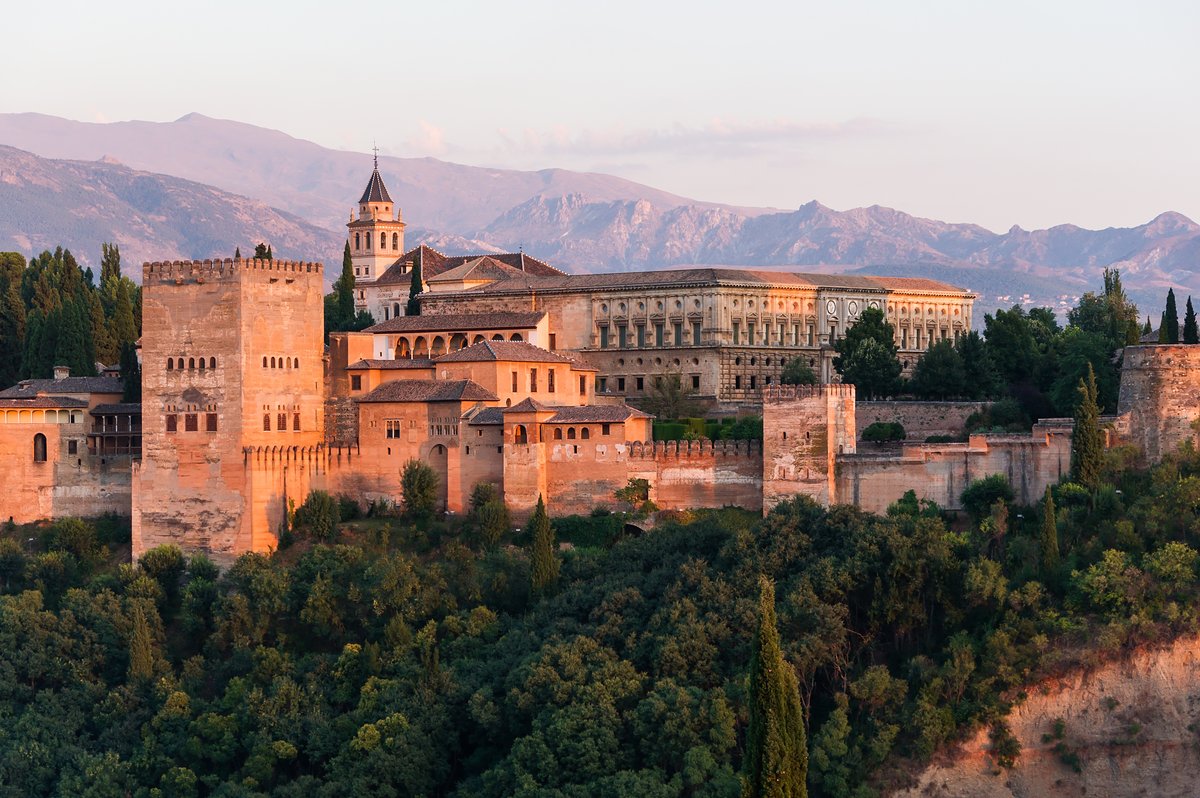
Nestled within the UNESCO-listed Alhambra in Granada, Spain, the Mirador de Daraxa (also known as Daraxa’s Balcony or Lindaraja) is a masterpiece of Nasrid architecture. This intimate viewpoint is renowned for its intricate craftsmanship, tranquil atmosphere, and breathtaking vistas over the lush Daraxa Garden. As an architectural gem of the 14th century, the mirador encapsulates the Nasrid ideal of blending art, poetry, and spirituality with nature. To help you plan a memorable and meaningful visit, this comprehensive guide covers the history, visiting hours, ticketing, accessibility, and practical tips for exploring one of Granada’s most treasured sites.
For official tickets and updates, consult the Alhambra Patronato website, Alhambra de Granada, and Visit Andalucia.
- Historical Background and Evolution
- Visiting the Mirador de Daraxa: Hours, Tickets, and Tips
- Architectural Layout and Features
- Decorative Elements
- The Garden of Daraxa
- Acoustic Marvels: Hall of the Secrets
- Symbolism and Cultural Significance
- Visitor Experience and Practical Advice
- Frequently Asked Questions (FAQ)
- Conclusion and Call to Action
- References and Further Reading
Photo Gallery
Explore Mirador De Daraxa in Pictures
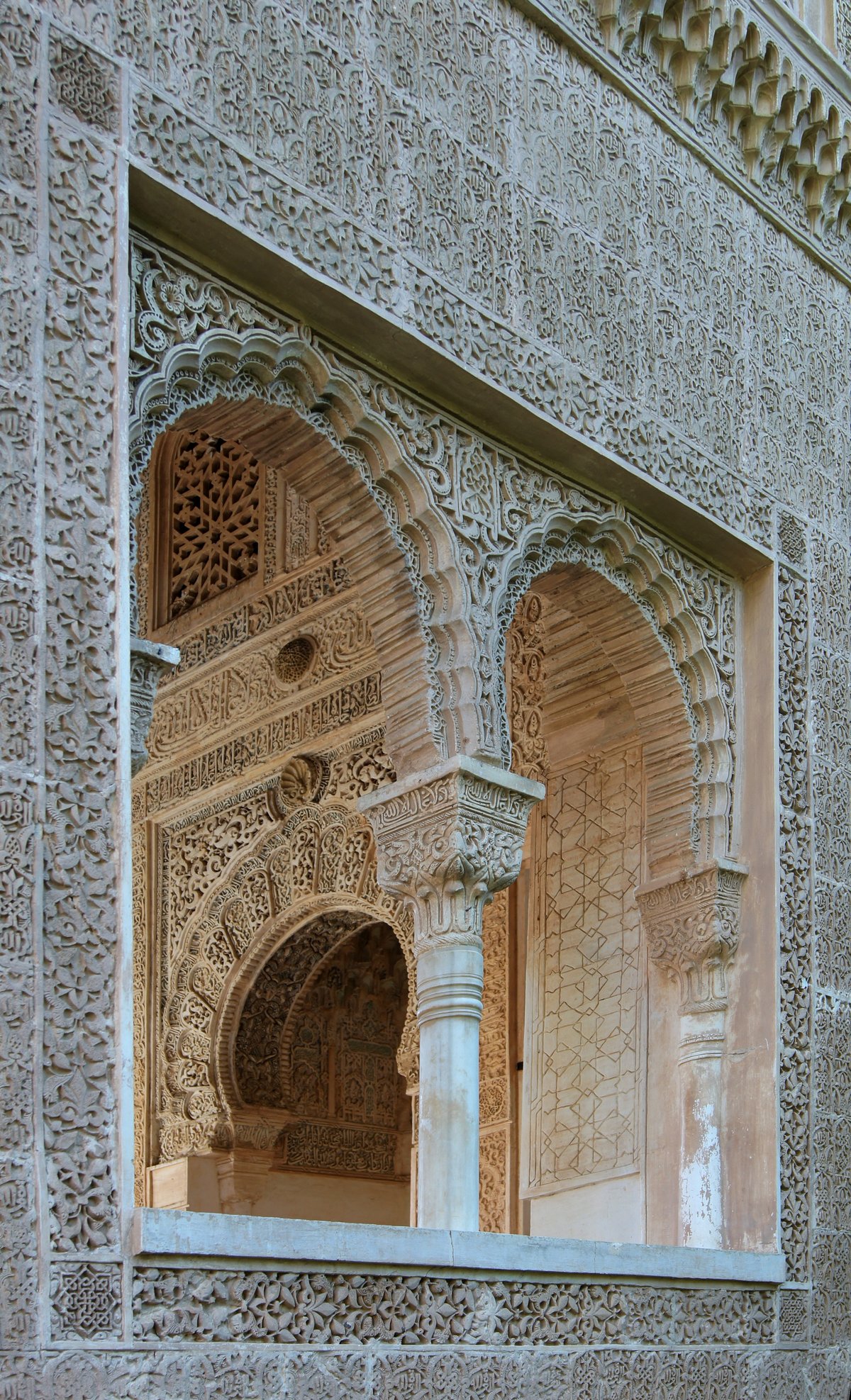
Close-up of the two intricately designed windows on the Daraxa balcony in the Lions Palace at the Alhambra, located in Granada, Spain, showcasing Islamic architectural detail.
Beautiful reflections of the Nasrid Palaces at the Alhambra in Granada, Andalusia, Spain, showcasing intricate Moorish architecture and serene water features.
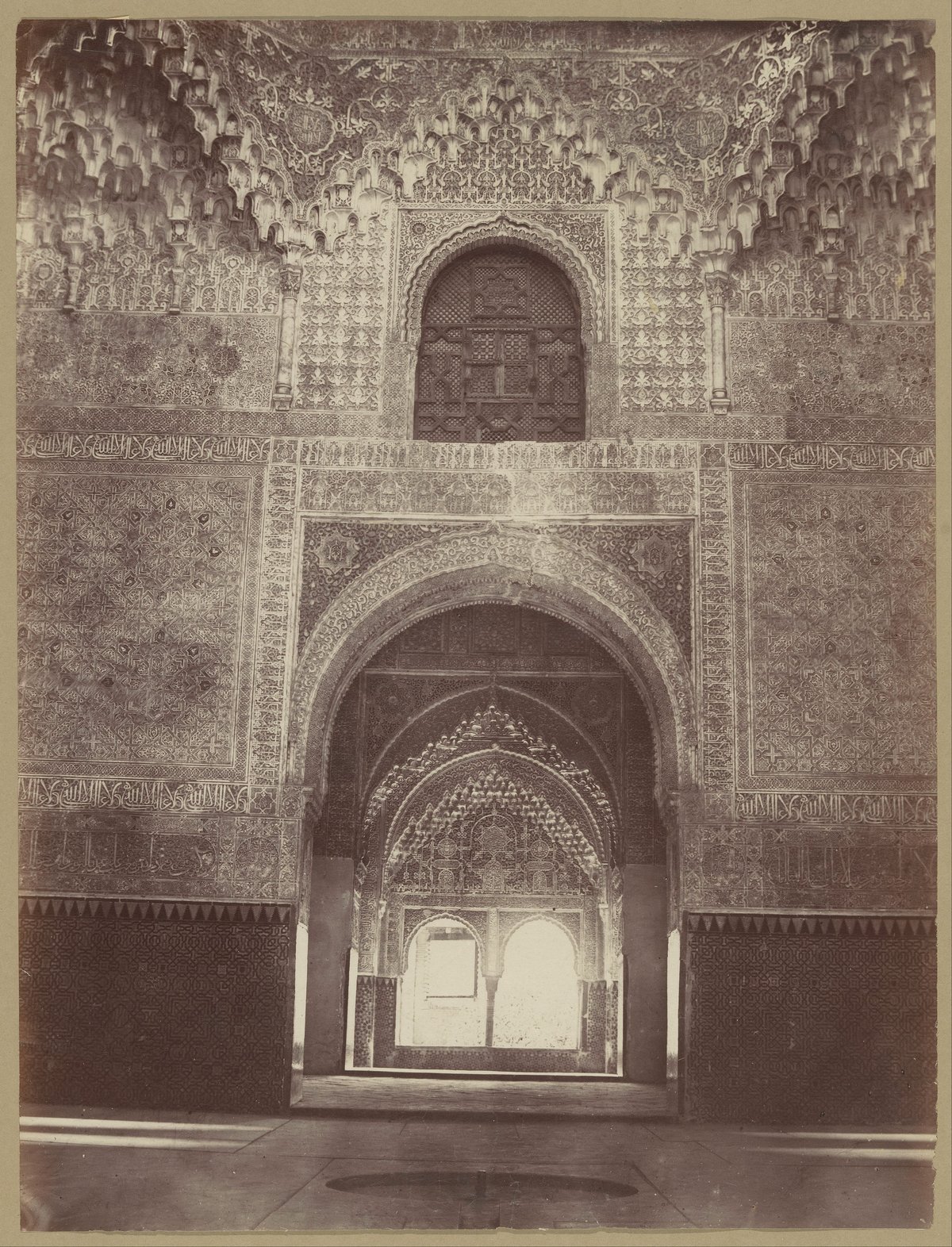
Historic interior photograph of Alhambra palace in Granada showcasing detailed Moorish architecture from around 1850 to 1880, captured using albumen print technique.
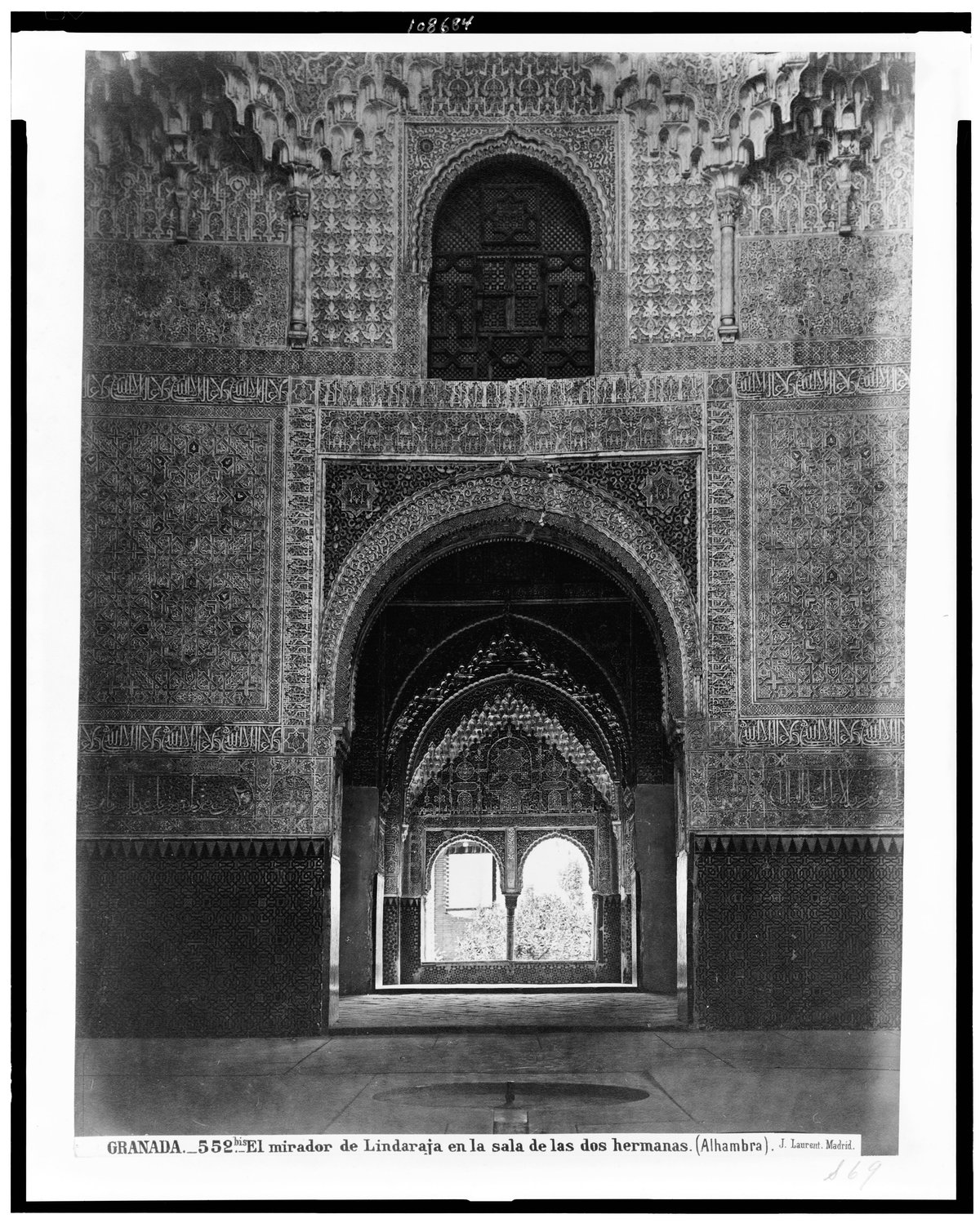
Photographic print of El Mirador de Lindaraja located in the Sala de las Dos Hermanas within the Alhambra palace in Granada, captured by J. Laurent in Madrid using albumen print technique.
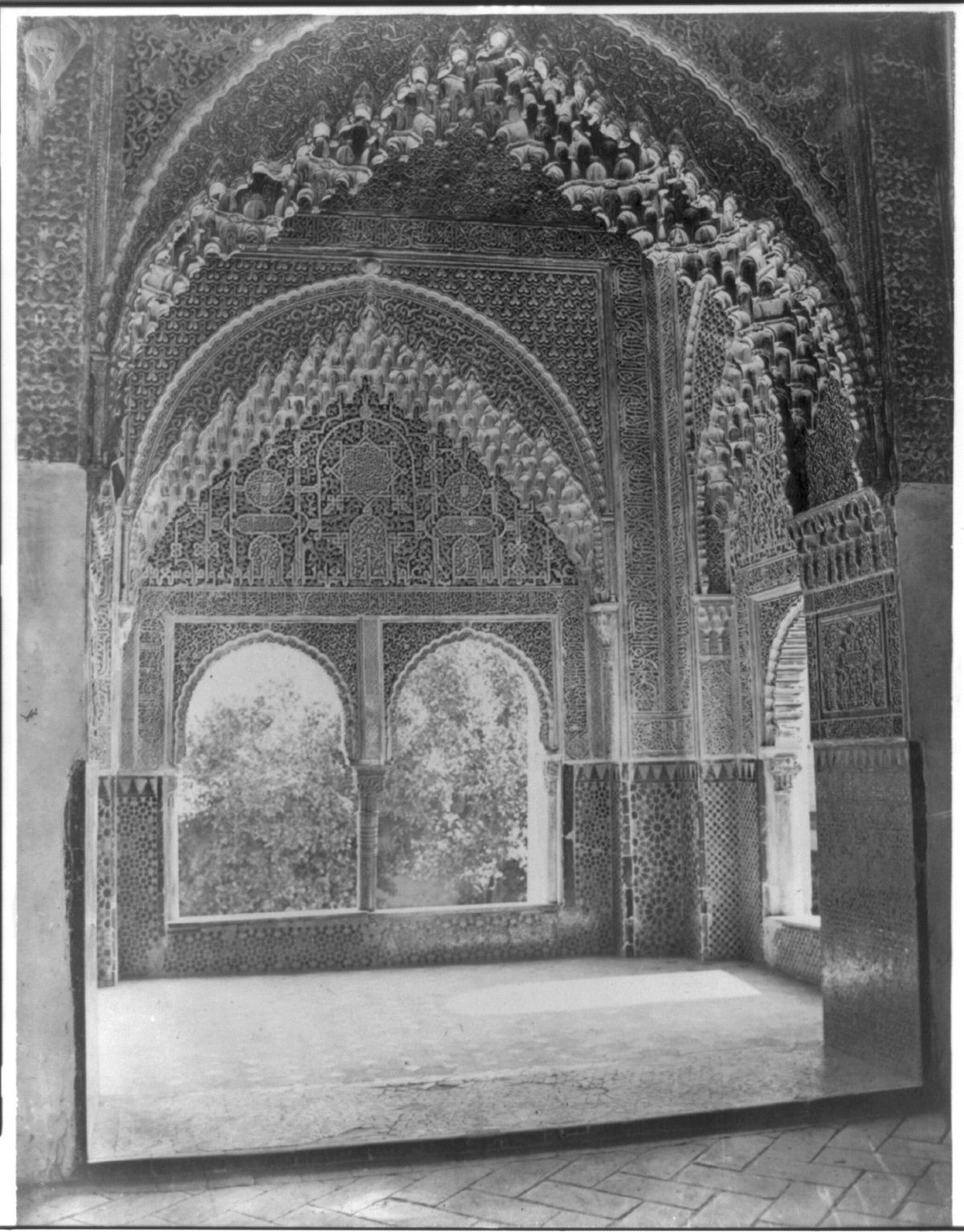
Photograph of the Hall of Linderara in the Alhambra, Spain, showcasing intricate architectural details and design from the historic site.
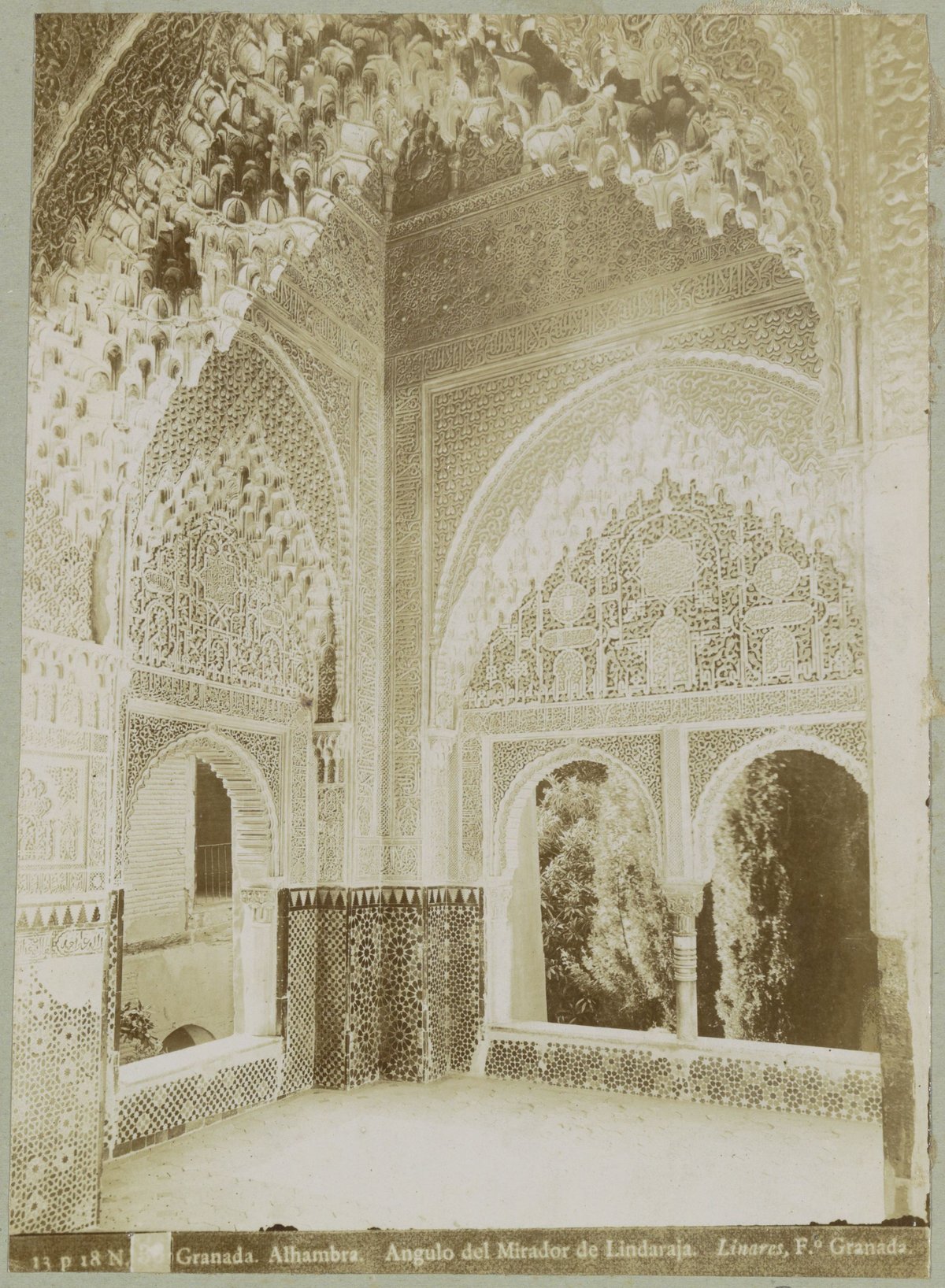
Historic photograph of the corner of the Mirador de Lindaraja at the Alhambra palace fortress in Granada, featuring detailed stucco relief sculpture dating from 1860 to 1900, captured by photographer F. Linares.
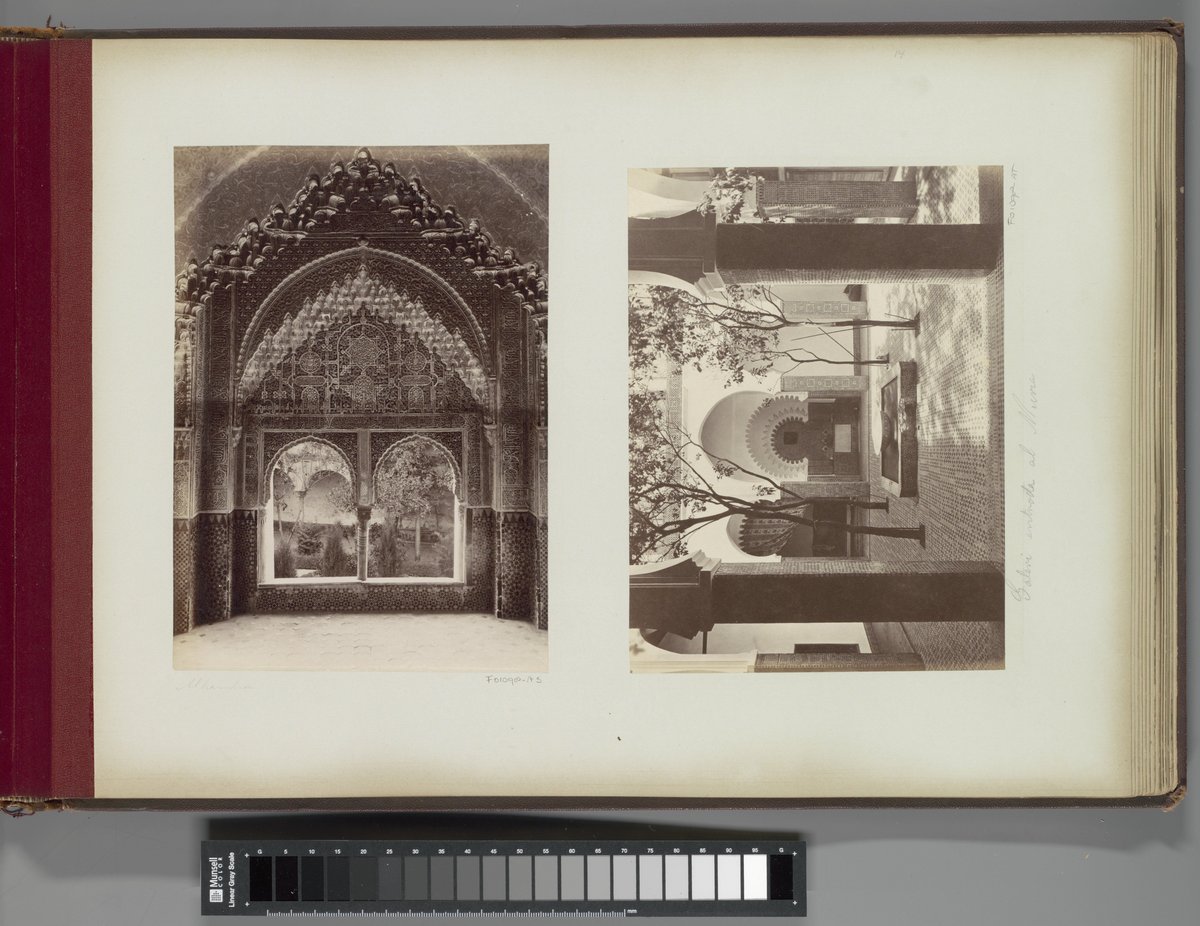
Historical photograph showcasing the intricately carved arches of the Alhambra palace arcade in Granada, Spain. This circa 1860-1880 albumen print is part of a travel album featuring notable landmarks in Spain and Morocco, highlighting the exquisite architectural details of the Alhambra.
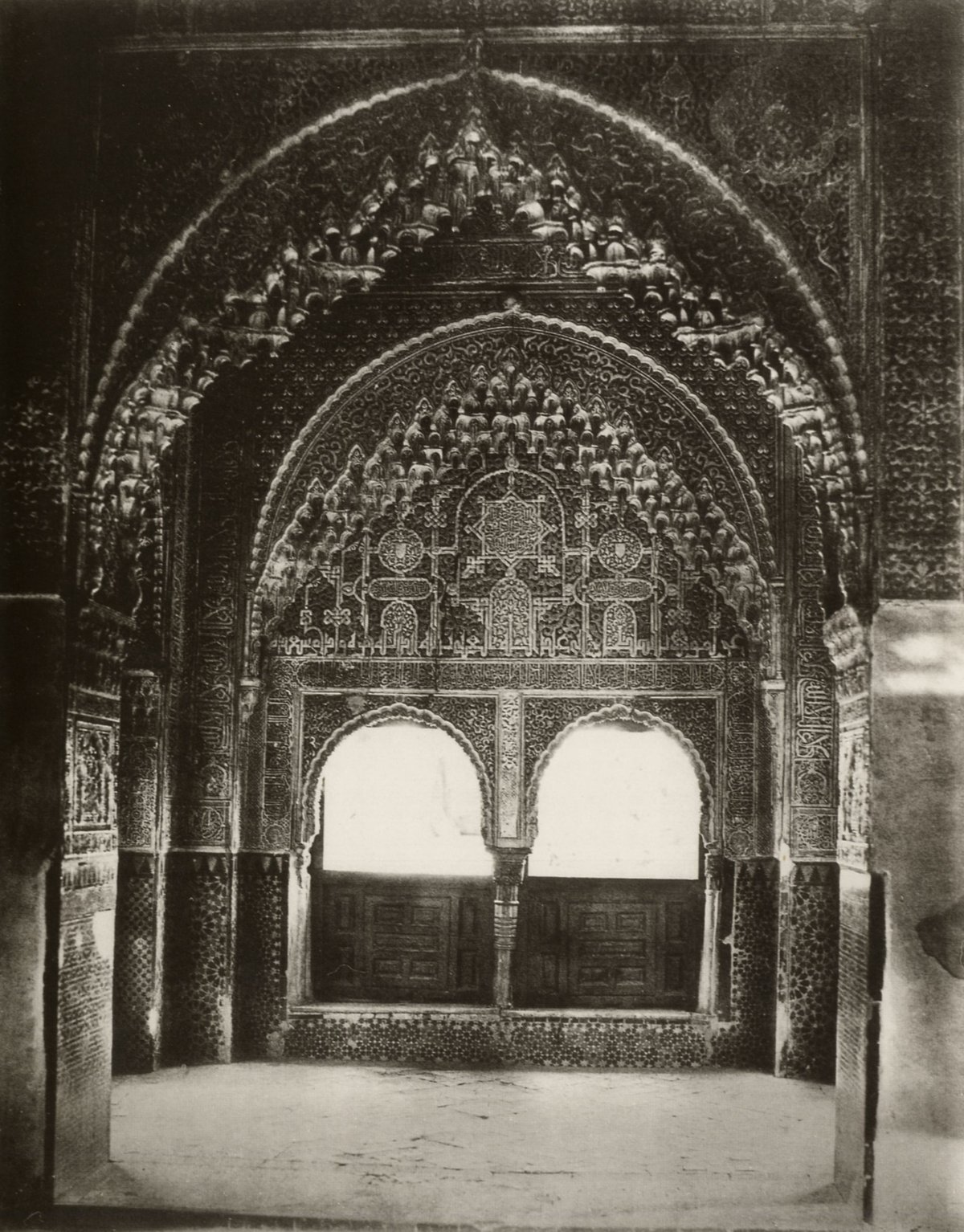
Detailed interior of Zimmer der Lindaracha in the Alhambra palace, Granada, captured by Jakob August Lorent
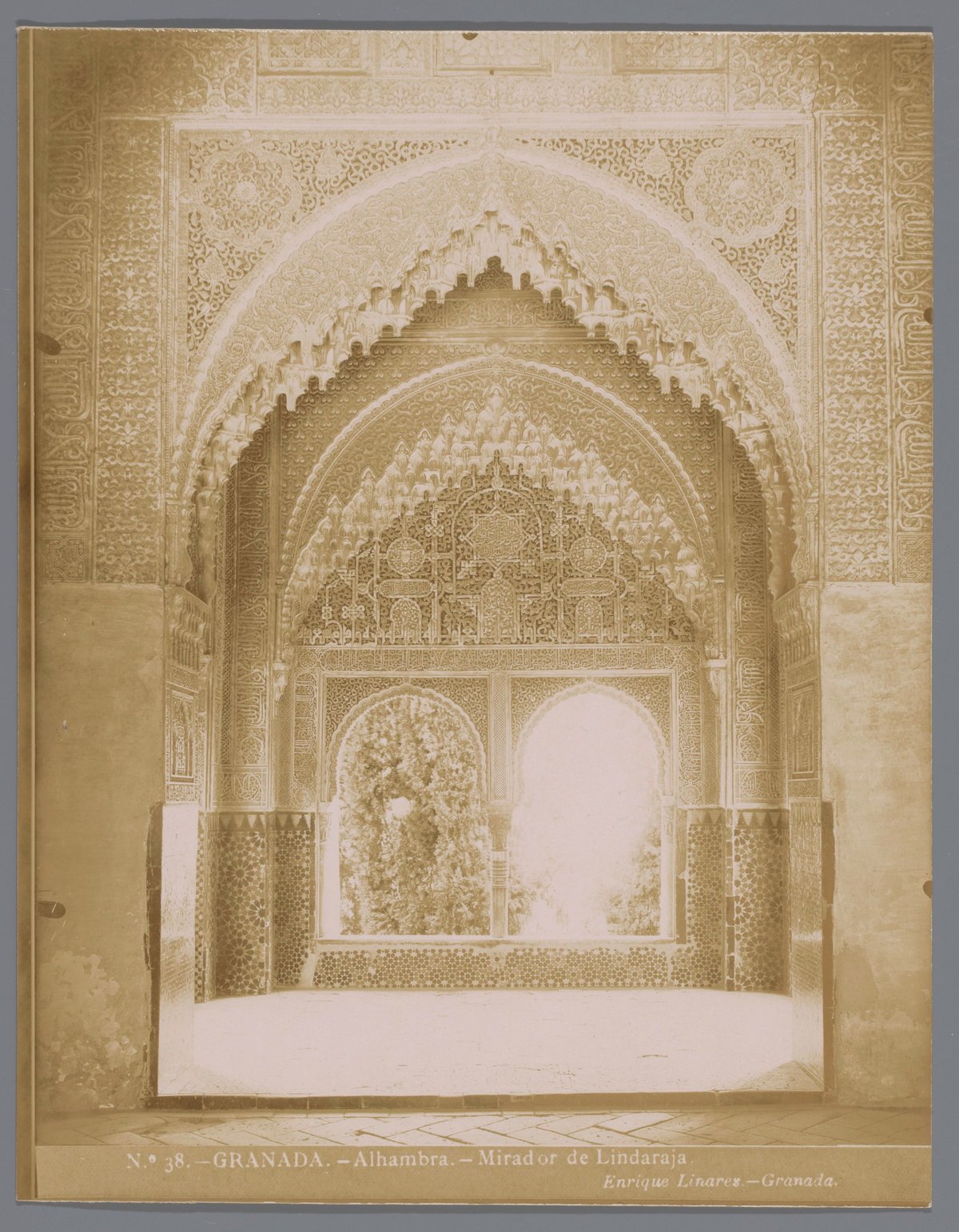
Historical photo depicting the mosaic in the tower Mirador de Lindaraja located at the Alhambra palace in Granada. Photo taken by Enrique Linares between 1880 and 1920 using albumen print technique on paper.
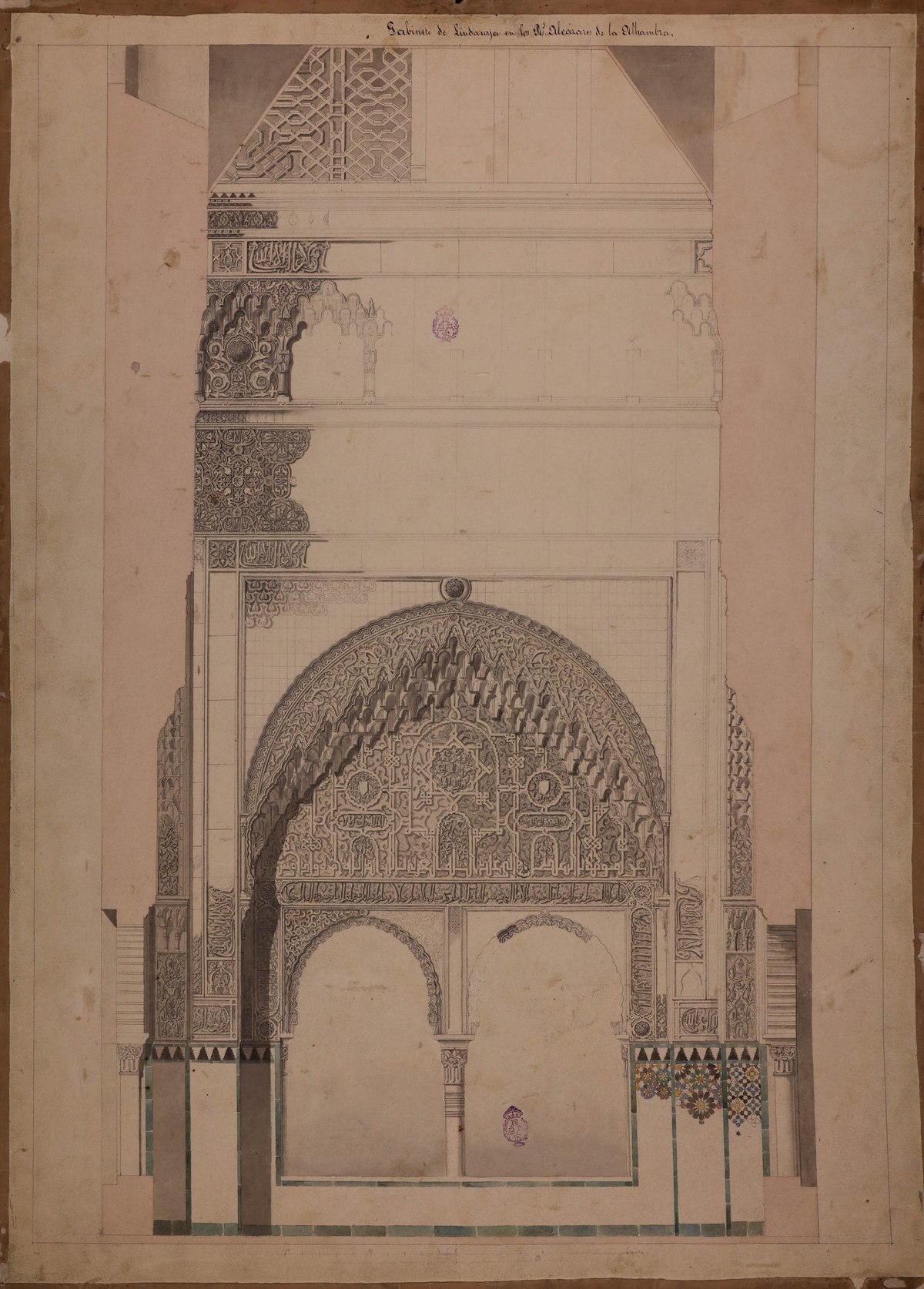
Detailed cross-sectional architectural drawing of the Lindajara lookout located within the historic Alhambra fortress
Historical Background and Evolution
Origins and Nasrid Construction
The Mirador de Daraxa was constructed during the reigns of Yusuf I and Muhammad V in the 14th century. As with much of the Nasrid Palace complex, the mirador was conceived as a private retreat and observation point for the sultans and their court. Its architectural design allowed unobstructed views of the gardens and countryside, symbolizing both power and the Nasrid appreciation for harmony with nature (Nomads Travel Guide; Alhambra de Granada).
Etymology and Cultural Significance
The name “Daraxa” is rooted in the Arabic “Ayn Dar Aisa,” meaning “the eyes of Aisa’s house.” Over centuries, the term evolved through “Lindaraja” to “Daraxa,” reflecting Andalusia’s linguistic and cultural blending (Nomads Travel Guide). The mirador’s poetic inscriptions and architectural details reinforce the Nasrid ideals of spirituality, beauty, and unity with nature (Alhambra de Granada).
Evolution Through the Christian Era
Following the Christian conquest of Granada in 1492, the Alhambra underwent significant modifications. The construction of the Emperor Charles V’s Chambers in the 16th century altered the garden landscape, but the mirador retained its essential character and continued to inspire visitors and artists (Nomads Travel Guide; Alhambra Info).
Visiting the Mirador de Daraxa: Hours, Tickets, and Tips
Visiting Hours
- April to October: 8:30 AM – 8:00 PM
- November to March: 8:30 AM – 6:00 PM
Last entry is typically one hour before closing. Always verify current hours on the official Alhambra website.
Tickets and Admission
- Included With: General Alhambra ticket (Nasrid Palaces)
- Price Range: €14–€18 (adults), discounts for EU citizens under 25, free for children under 12
- Booking: Strongly recommended to book online in advance (Alhambra Patronato)
Accessibility
- The Nasrid Palaces and mirador have uneven floors and steps; wheelchair access is limited.
- Contact visitor services for the latest accessibility updates and assistance (Visit Andalucia).
Travel Tips
- Visit early in the morning or late afternoon to enjoy fewer crowds and optimal lighting for photography.
- Guided tours provide rich historical context and highlight architectural details.
- Allow at least three hours for the Alhambra complex, with 30–45 minutes for the Nasrid Palaces and mirador.
Architectural Layout and Features
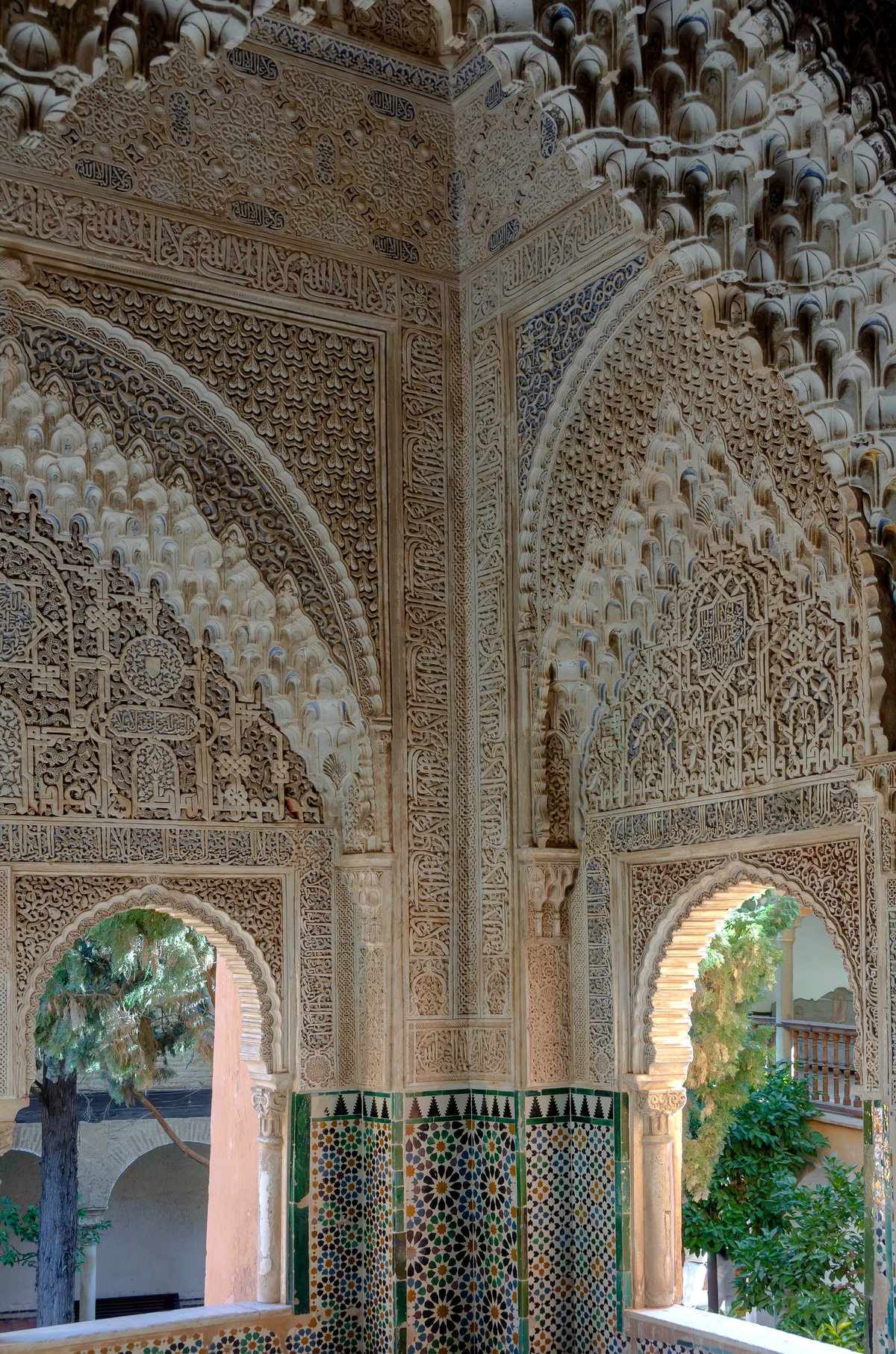
The Mirador de Daraxa is a rectangular balcony projecting from the heart of the Nasrid Palaces. Three elegantly arched windows, set low for seated contemplation, frame the Daraxa Garden below. The space is accessed through the Hall of the Ajimeces and is supported by slender marble columns. The integration of interior and exterior spaces is quintessentially Nasrid, fostering tranquility and reflection (Alhambra de Granada).
Decorative Elements
Stucco Work
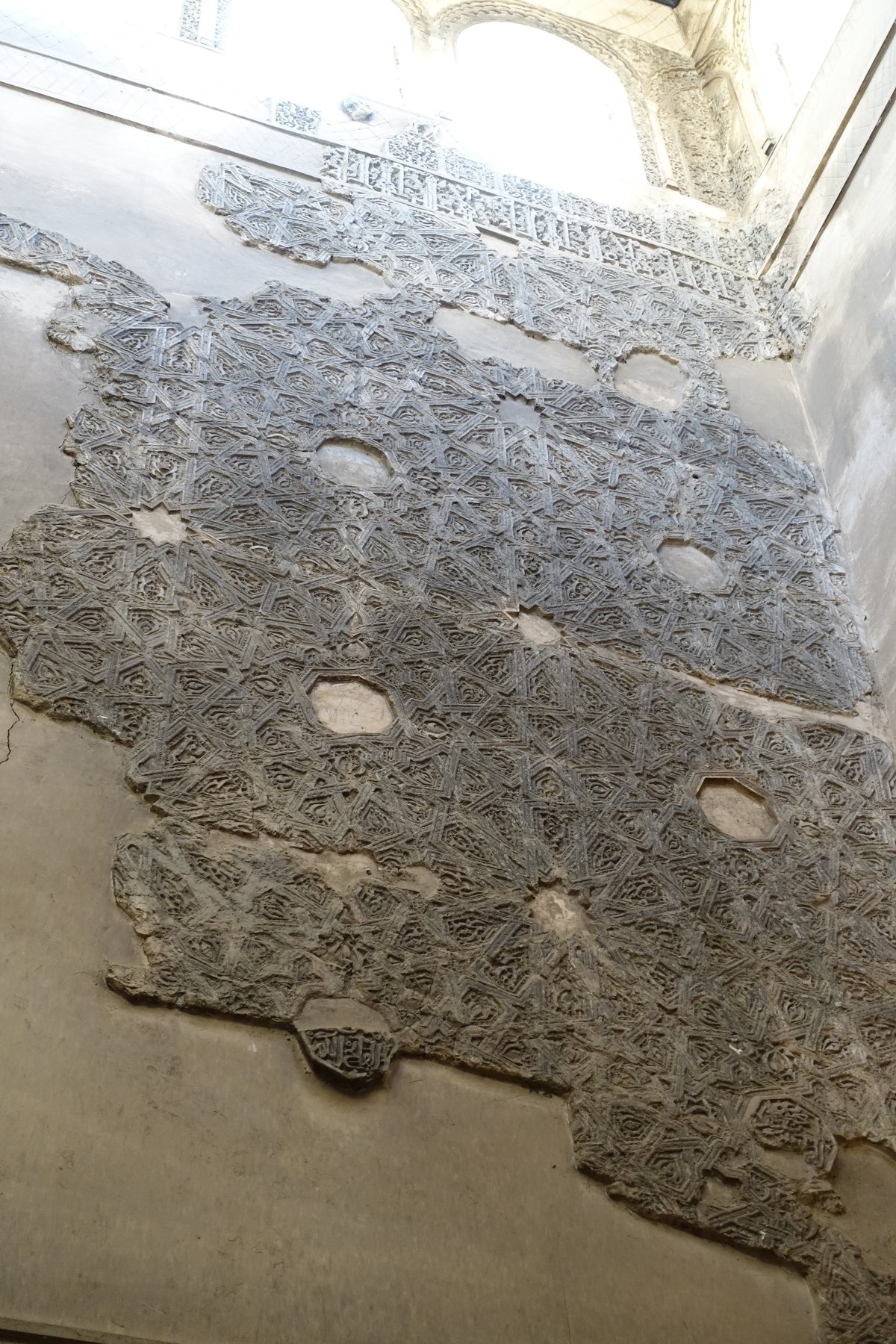
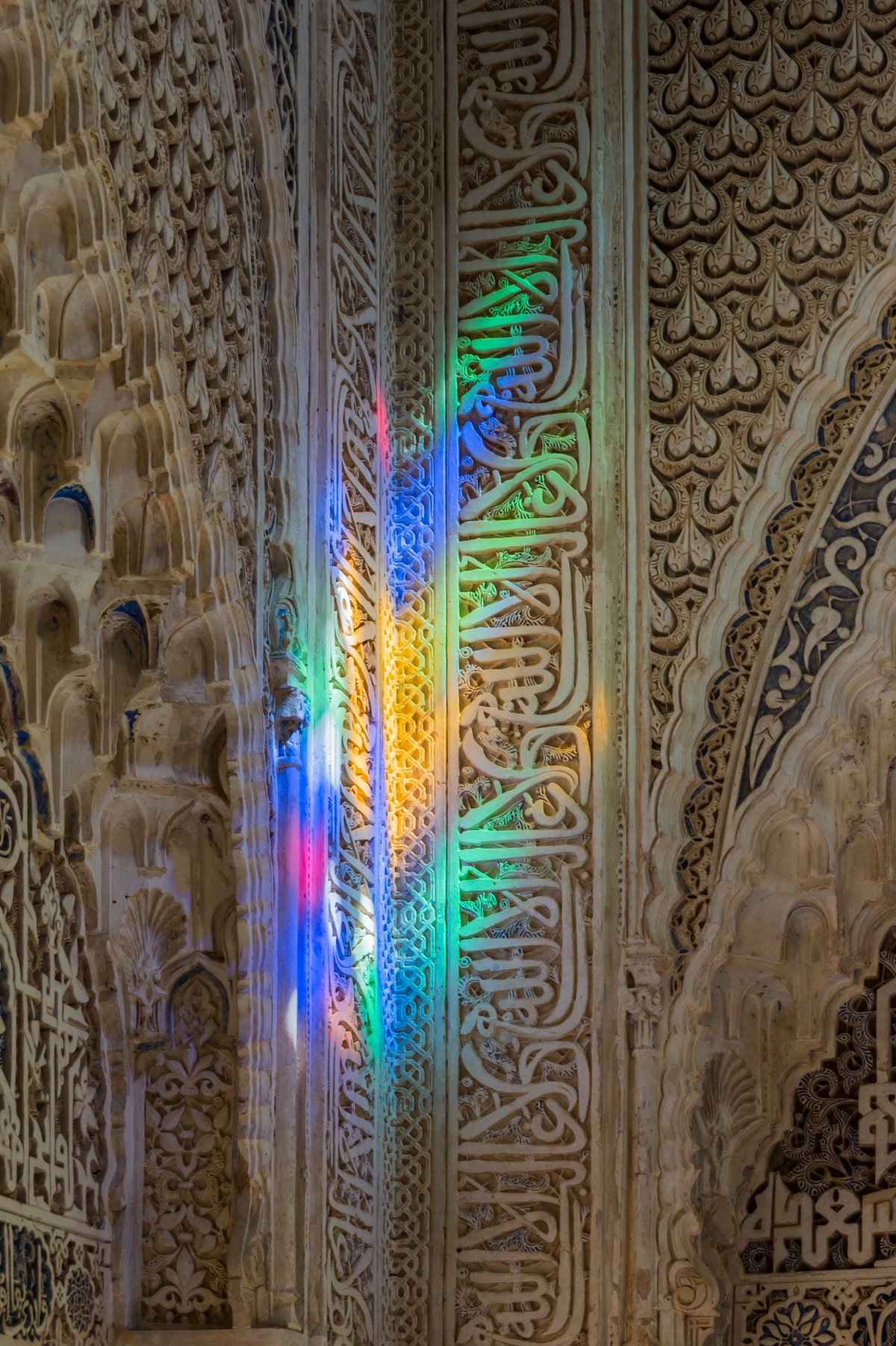
Walls and arches are adorned with carved stucco arabesques, geometric motifs, and poetic inscriptions, evoking the infinite and the divine. The Nasrid artisans’ mastery is evident in the delicacy and complexity of these decorations.
Zellij (Tilework)
Colorful mosaic tiles arranged in intricate patterns line the lower walls, adding both vibrancy and durability. The tiles’ interlocking shapes reflect mathematical sophistication and Islamic artistic ideals.
Wooden Ceiling
The artesonado (coffered) ceiling is carved and painted with stars and floral motifs, a testament to Andalusian craftsmanship and the importance of ornamentation in Nasrid architecture.
The Garden of Daraxa
The mirador overlooks the Daraxa Garden, a rectangular courtyard filled with cypresses, orange trees, and a central marble fountain. The garden’s design—orderly paths, water features, and lush plantings—mirrors the Islamic vision of paradise (Alhambra de Granada).
Acoustic Marvels: Hall of the Secrets
Beneath the Hall of the Two Sisters, adjacent to the mirador, lies the Hall of the Secrets. Its ingenious vault design allows whispers in one corner to be clearly heard across the room, showcasing the Nasrid architects’ command of acoustics (Alhambra de Granada).
Symbolism and Cultural Significance
The Mirador de Daraxa’s inscriptions, geometric patterns, and harmonious interplay of light and water encapsulate the spiritual and artistic aspirations of the Nasrid dynasty. Following the Christian conquest, Renaissance elements were added, but the mirador’s essential Moorish character endures (Rough Guides).
Visitor Experience and Practical Advice
- Dress comfortably for variable Granada weather and uneven surfaces.
- Photography is allowed (no flash or tripods inside); early and late hours provide the best lighting.
- Respect preservation efforts: Do not touch decorations, maintain quiet, and stay on marked paths.
- Bring water and light snacks; facilities are limited inside the Alhambra.
- Consider guided tours for enhanced understanding.
Frequently Asked Questions (FAQ)
Q: Are tickets to the Mirador de Daraxa sold separately?
A: No, access is included with the Nasrid Palaces ticket.
Q: Is the Mirador de Daraxa wheelchair accessible?
A: Accessibility is limited due to historic architecture; check the official website for updates.
Q: Best time to visit for photography?
A: Early morning or late afternoon for soft natural light and fewer crowds.
Q: Can I use a tripod inside?
A: No, tripods are prohibited inside the Nasrid Palaces.
Q: How far in advance should I book?
A: At least several weeks ahead in peak season.
Discover More
The Mirador de Daraxa is a captivating highlight of Granada’s Alhambra, seamlessly uniting centuries of Islamic and Spanish history with exquisite artistry and serene garden views. To ensure a rewarding visit, book tickets early via the official Alhambra website, consider a guided tour, and follow preservation guidelines. For further insights, download the Audiala app, explore related articles, and follow us for up-to-date travel recommendations.
Embrace the timeless allure of the Mirador de Daraxa and let its artistry and history inspire your Granada adventure.
Listen to the full story in the app
Your Personal Curator, in Your Pocket.
Audio guides for 1,100+ cities across 96 countries. History, stories, and local insight — offline ready.
Audiala App
Available on iOS & Android
Join 50k+ Curators
Sources
- verified
- verified
- verified
- verified
- verified
- verified
- verified
- verified
Last reviewed: