Iberian & Roman Period
castle
c. 650 BCE
Bastetani Settle the Albaicín Ridge
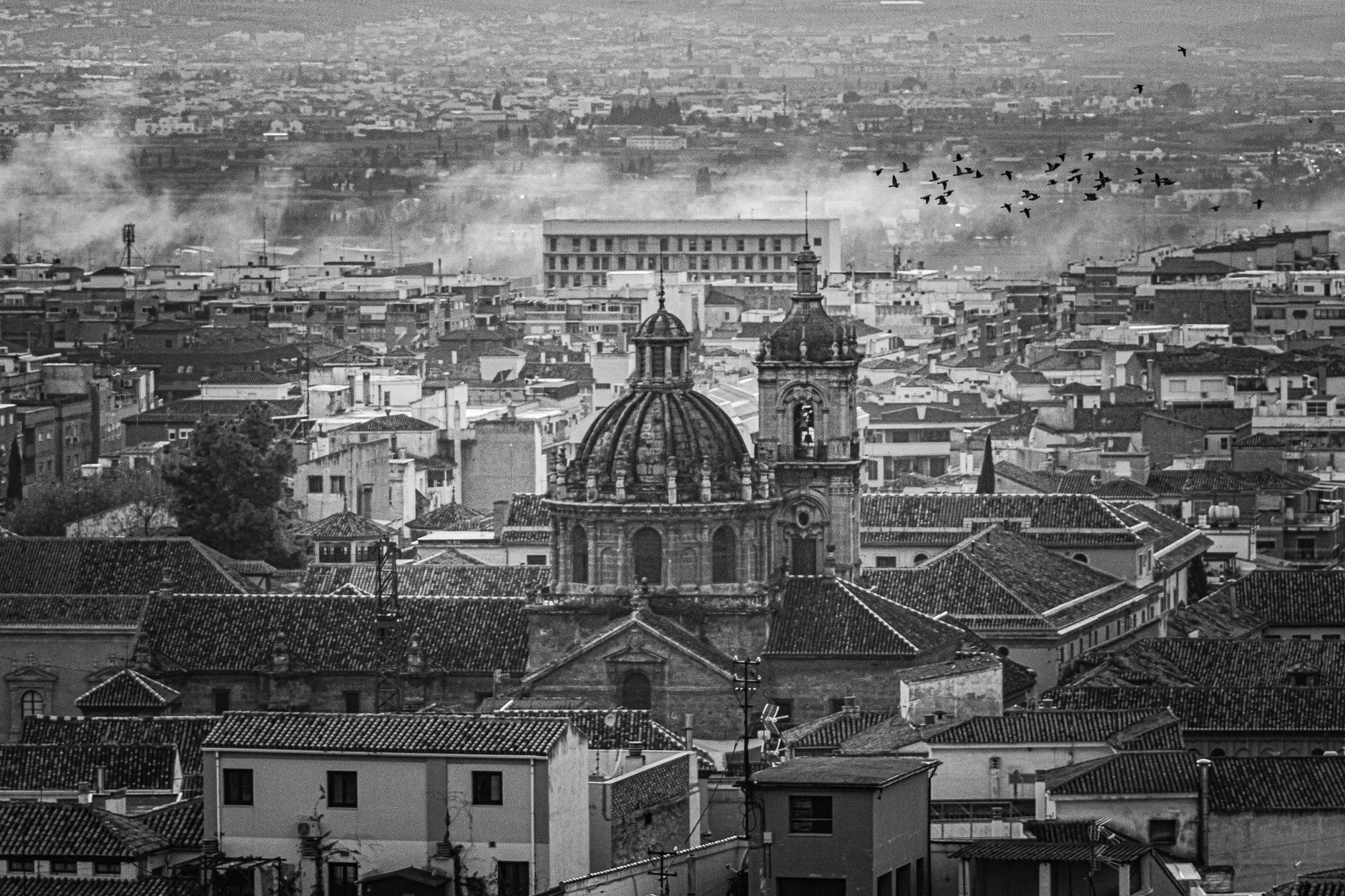
The Bastetani, an Iberian people known mostly through pottery shards and Carthaginian trade records, built their settlement on the hill that would eventually become the Albaicín. They called it Ilturir — five hectares, defensive walls, a position commanding the river valley below. Three thousand years of subsequent construction would stand on their foundations.
castle
44 BCE
Rome Makes Granada a Colony
Julius Caesar granted colonial status to the hilltop settlement, renaming it Florentia Iliberritana — flourishing Iliberri. Augustus elevated it further to a municipium, folding it into the province of Baetica. The Romans built roads, temples, and the administrative apparatus of empire. Archaeologists digging beneath the Albaicín still turn up mosaics in the dirt.
Early Islamic Period
swords
711
Muslim Forces Cross the Strait
In 711, a Berber-Arab army crossed from North Africa and dismantled the Visigothic kingdom in a campaign so swift it reads more like a collapse than a conquest. Granada fell quickly, absorbed into the Umayyad Caliphate's administrative machinery. The city, already layered with Iberian, Roman, and Visigothic memory, began its seven-century reinvention under Islamic rule.
Zirid Dynasty
castle
1013
Zawi ibn Ziri Makes Granada a Capital
When the Umayyad Caliphate of Córdoba fractured and the nearby city of Madinat Ilbira was sacked in 1010, its surviving population fled uphill to the small settlement of Gharnāṭa. Zawi ibn Ziri, a Berber nobleman, seized the moment: he declared an independent taifa kingdom and named the hilltop city its capital. The fortress at Al-Qasbah Qadima rose on the Albaicín ridge. Granada was no longer secondary.
Nasrid Dynasty
person
1238
Muhammad I Founds the Last Kingdom
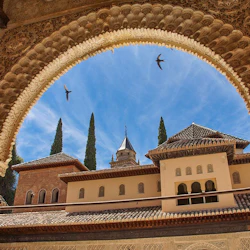
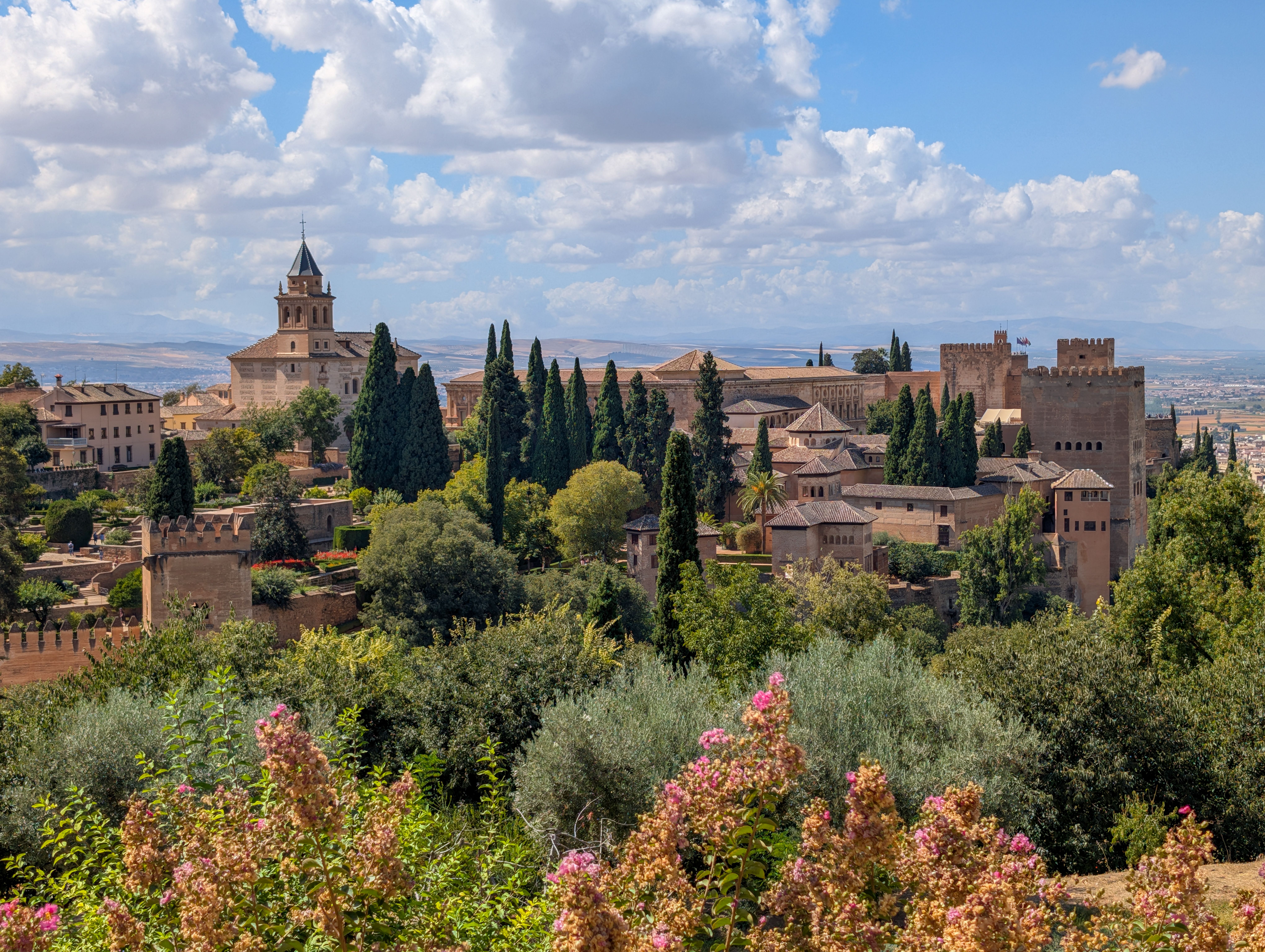
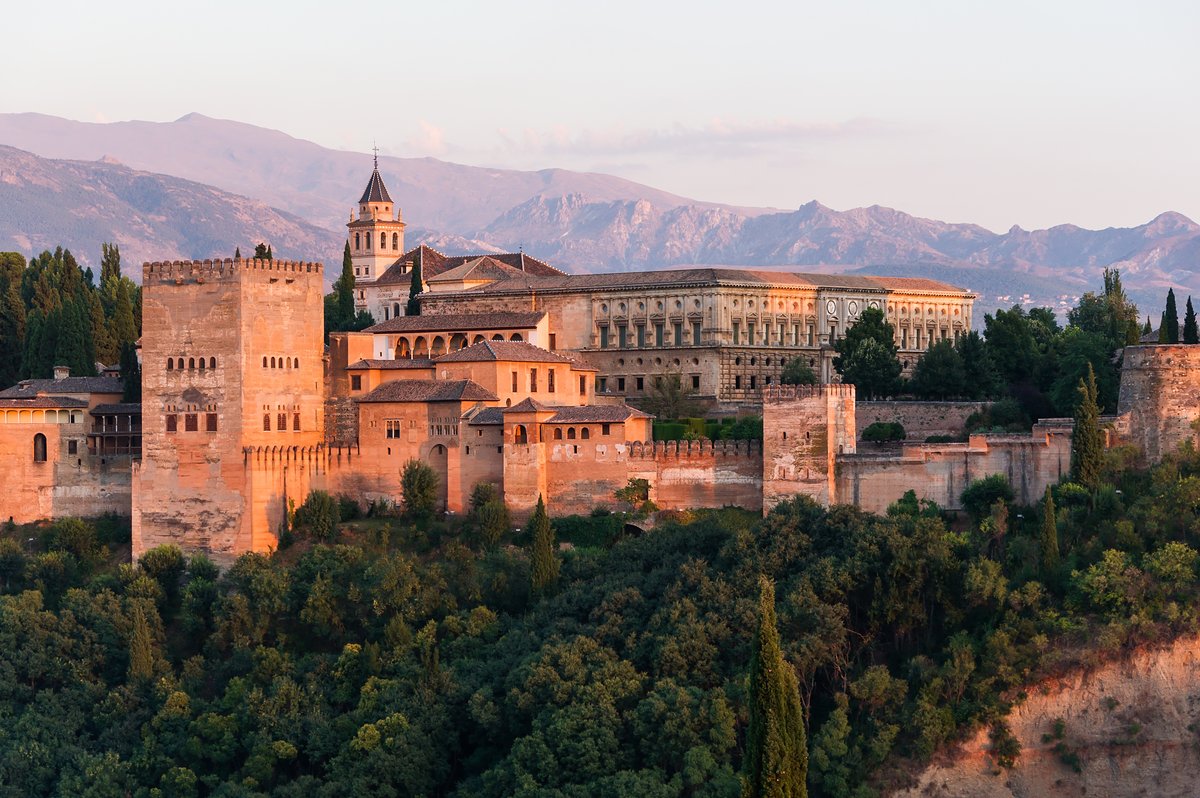
Muhammad I ibn al-Ahmar arrived in Granada in 1238 with a diplomatic shrewdness uncommon for the era — he actually helped Castile besiege Seville in exchange for being left alone to rule his corner of Iberia. The arrangement held for 254 years and 23 sultans. He founded the Nasrid dynasty, began laying the Alhambra's walls on Sabika hill, and created the last Muslim-ruled state in medieval Europe.
palette
1313
Ibn al-Khatib: Granada's Chronicler
Born in Loja, 50 kilometers west of Granada, Lisān al-Dīn ibn al-Khatib became the most important chronicler the city ever produced. He served as Grand Vizier to two sultans, wrote over 70 works in poetry, history, and medicine, and assembled the multi-volume Al-Iḥāṭah — a history of Granada from 711 to his own decade. Political enemies eventually had him accused of heresy. He was strangled in a Moroccan prison in 1374.
castle
1333
Yusuf I Builds the Hall of Comares
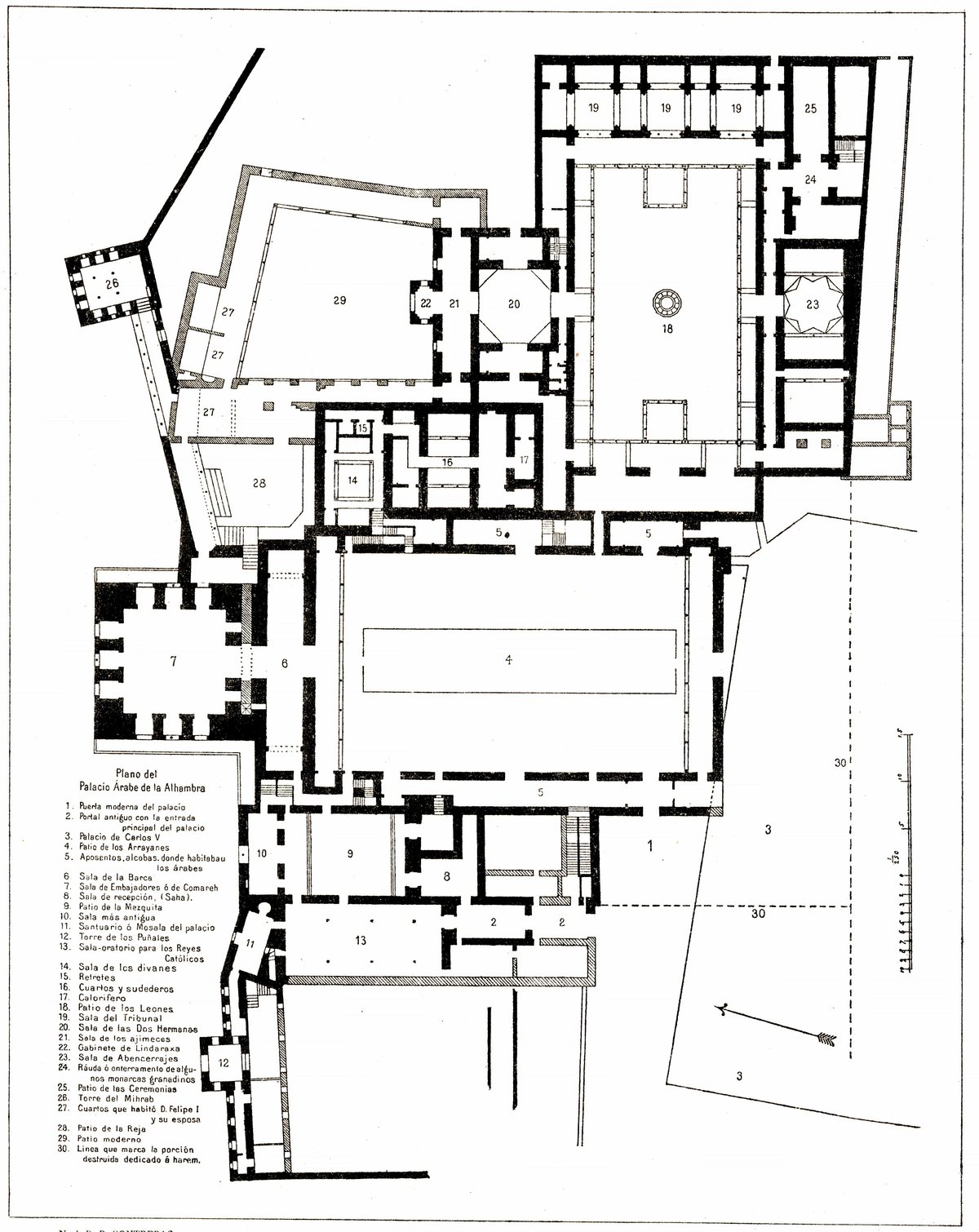
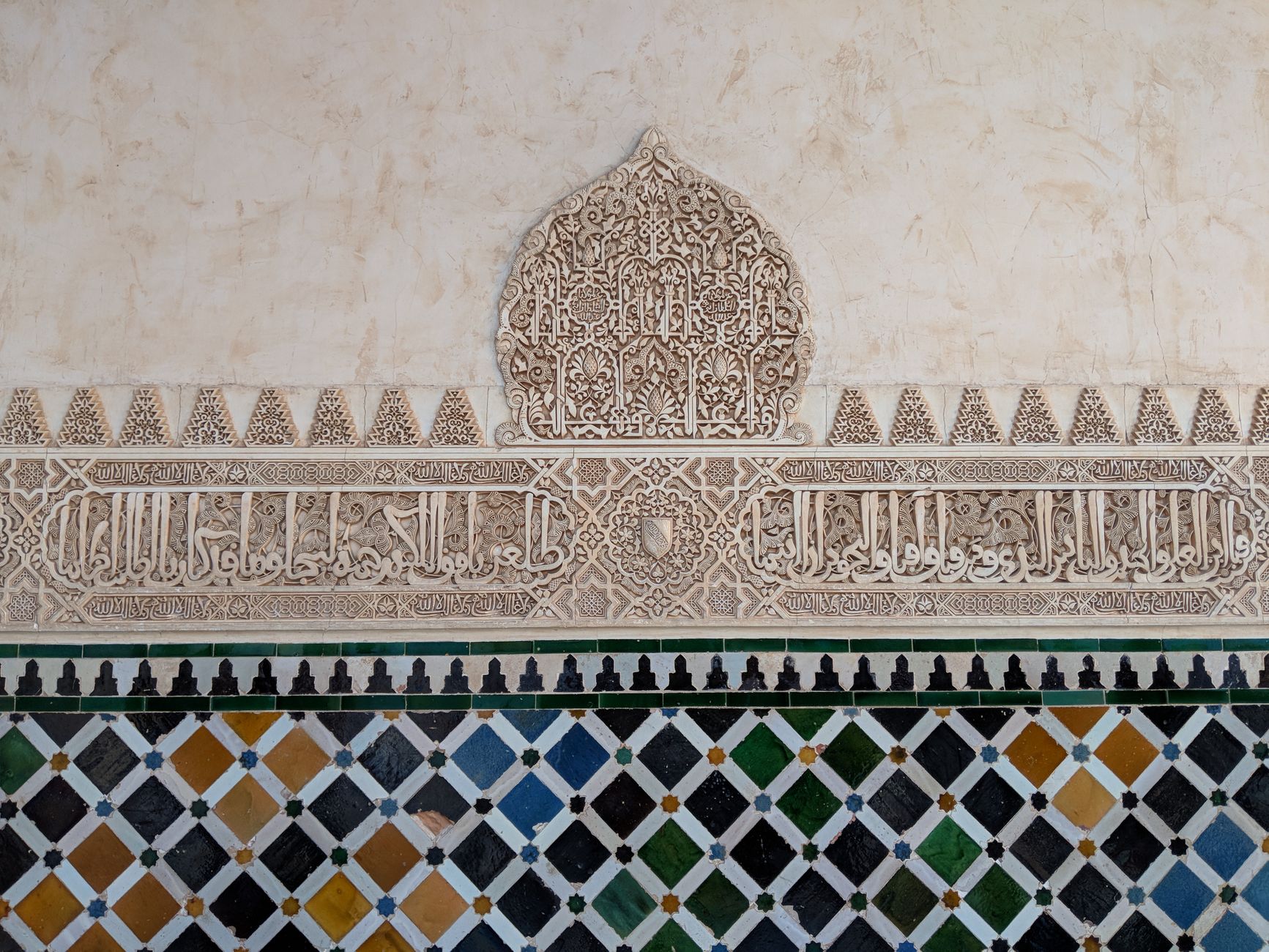
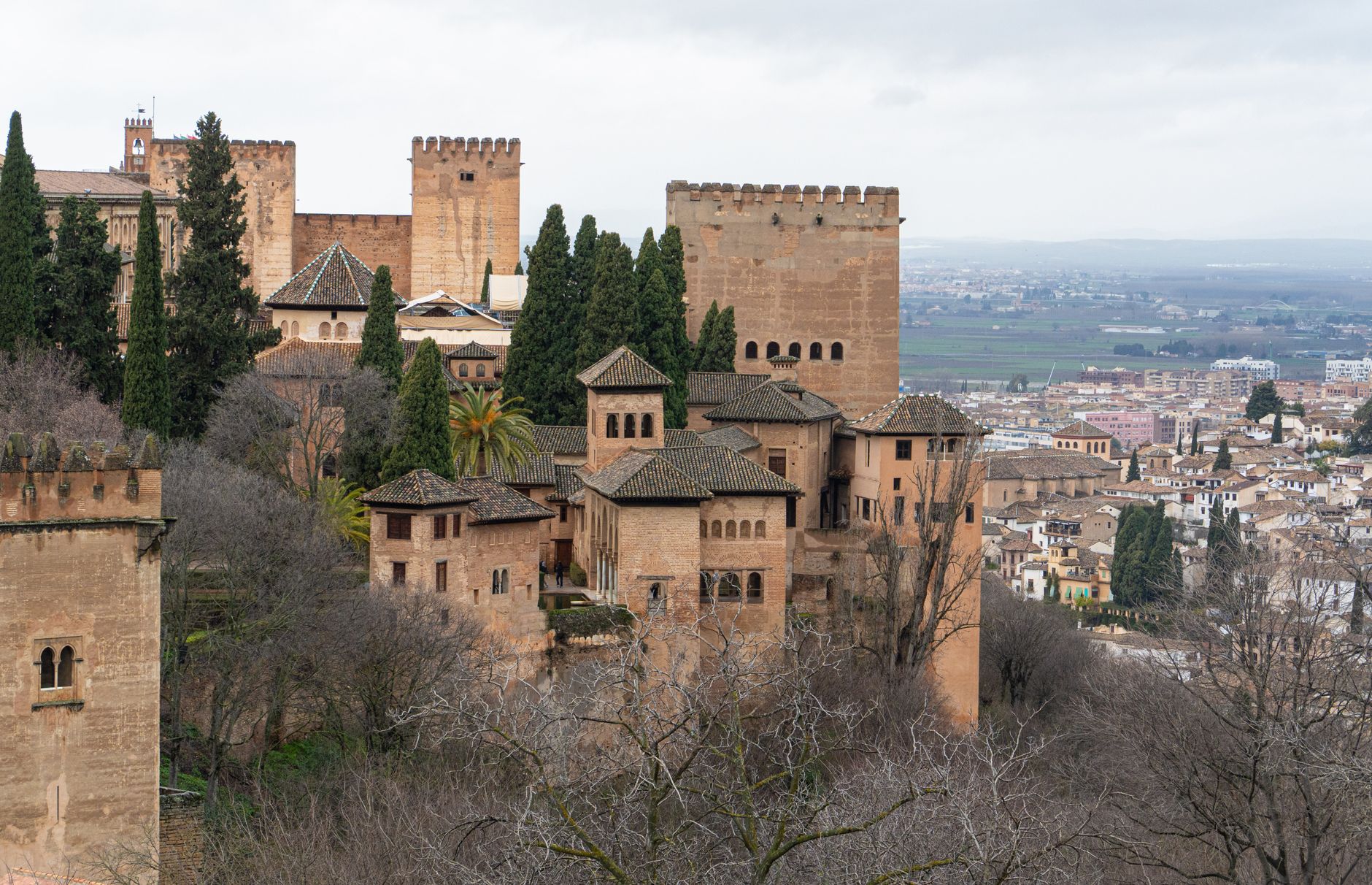
Yusuf I became sultan in 1333 and immediately began building. The Hall of Comares — the Alhambra's largest space and its grandest statement — rose under his patronage, its walls dense with stucco calligraphy and geometric work of such precision that modern restorers still struggle to replicate it. He completed the Gate of Justice in 1348, a horseshoe arch in honey-colored stone whose carved hand and key remain the most recognizable symbols in Andalusia. An assassin ended his reign in 1354.
person
1339
Muhammad V: The Alhambra's True Architect
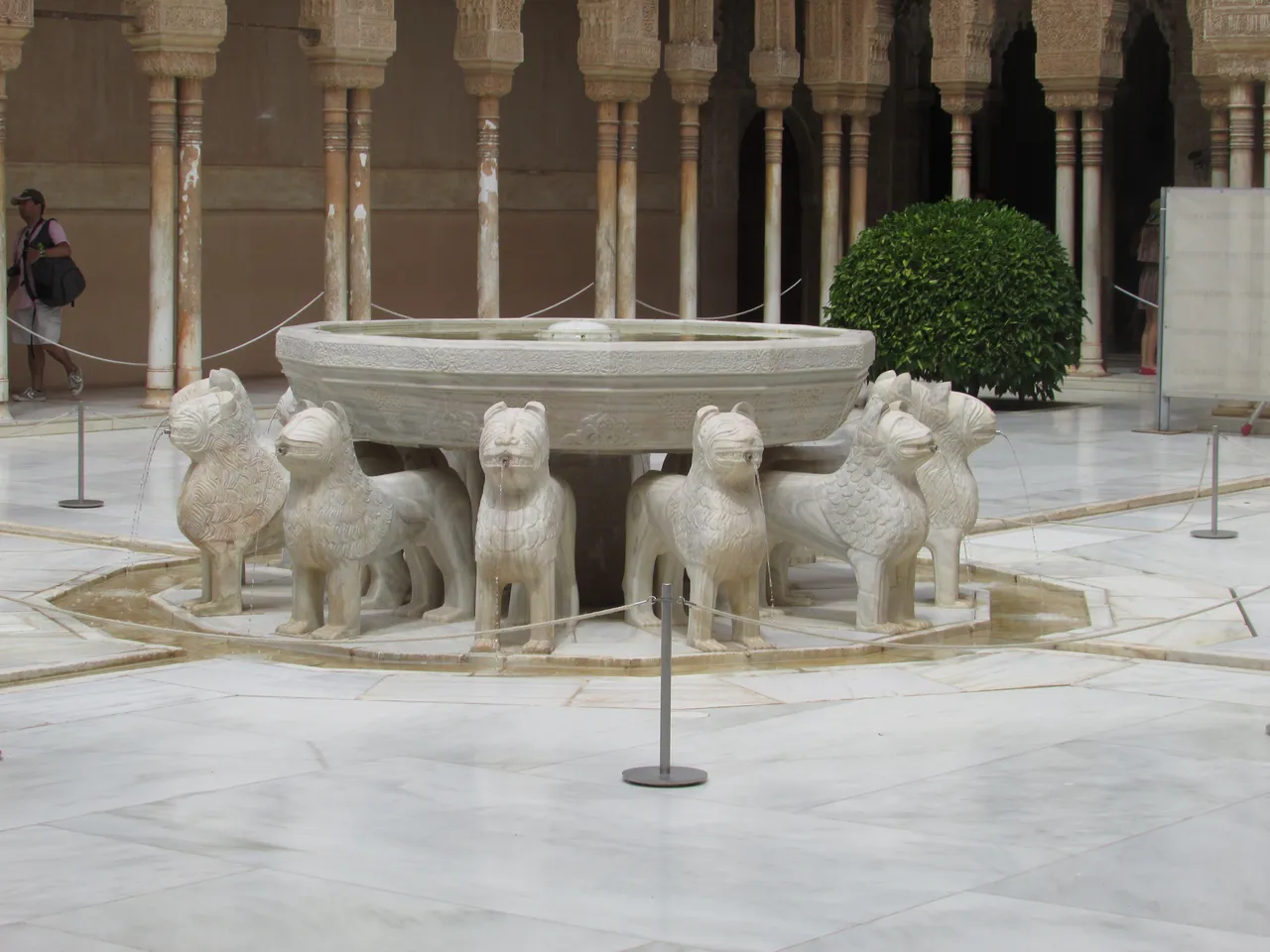
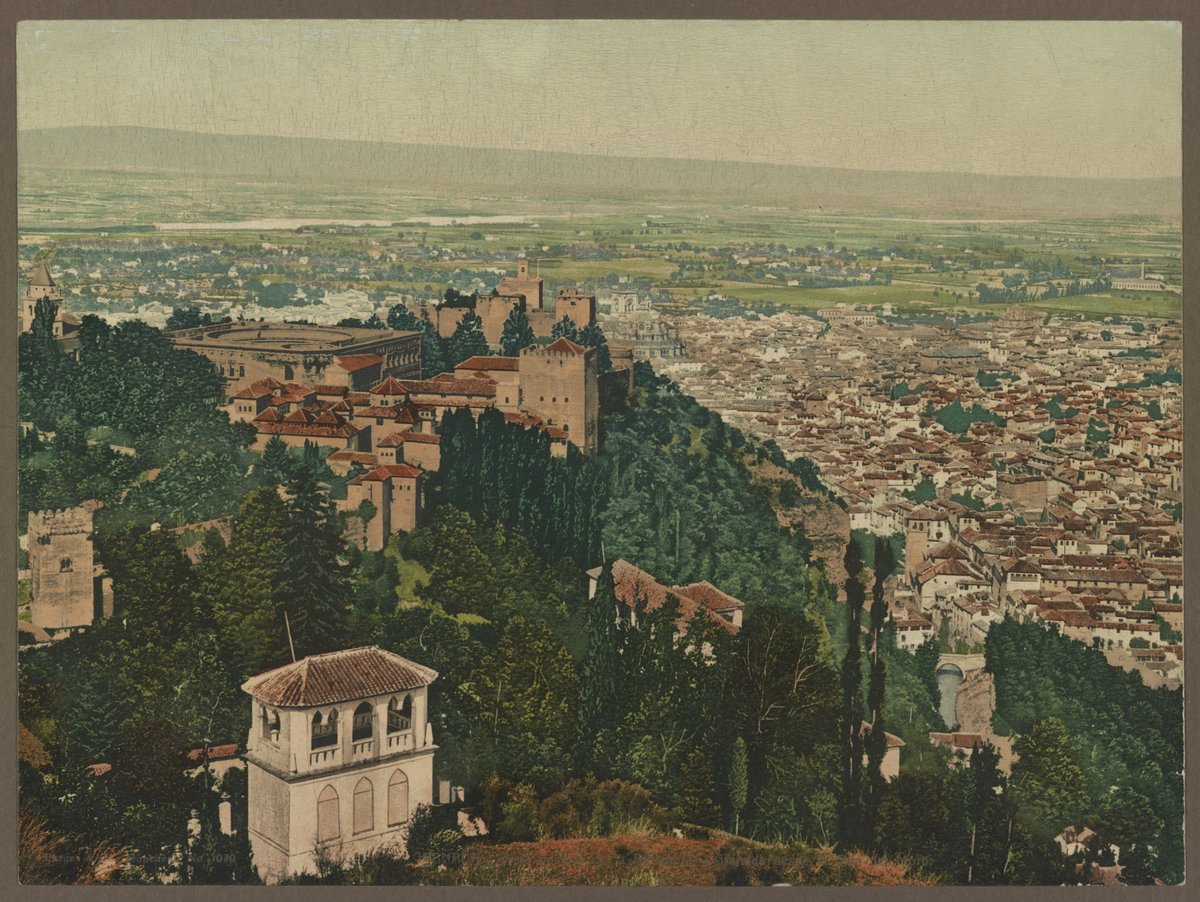
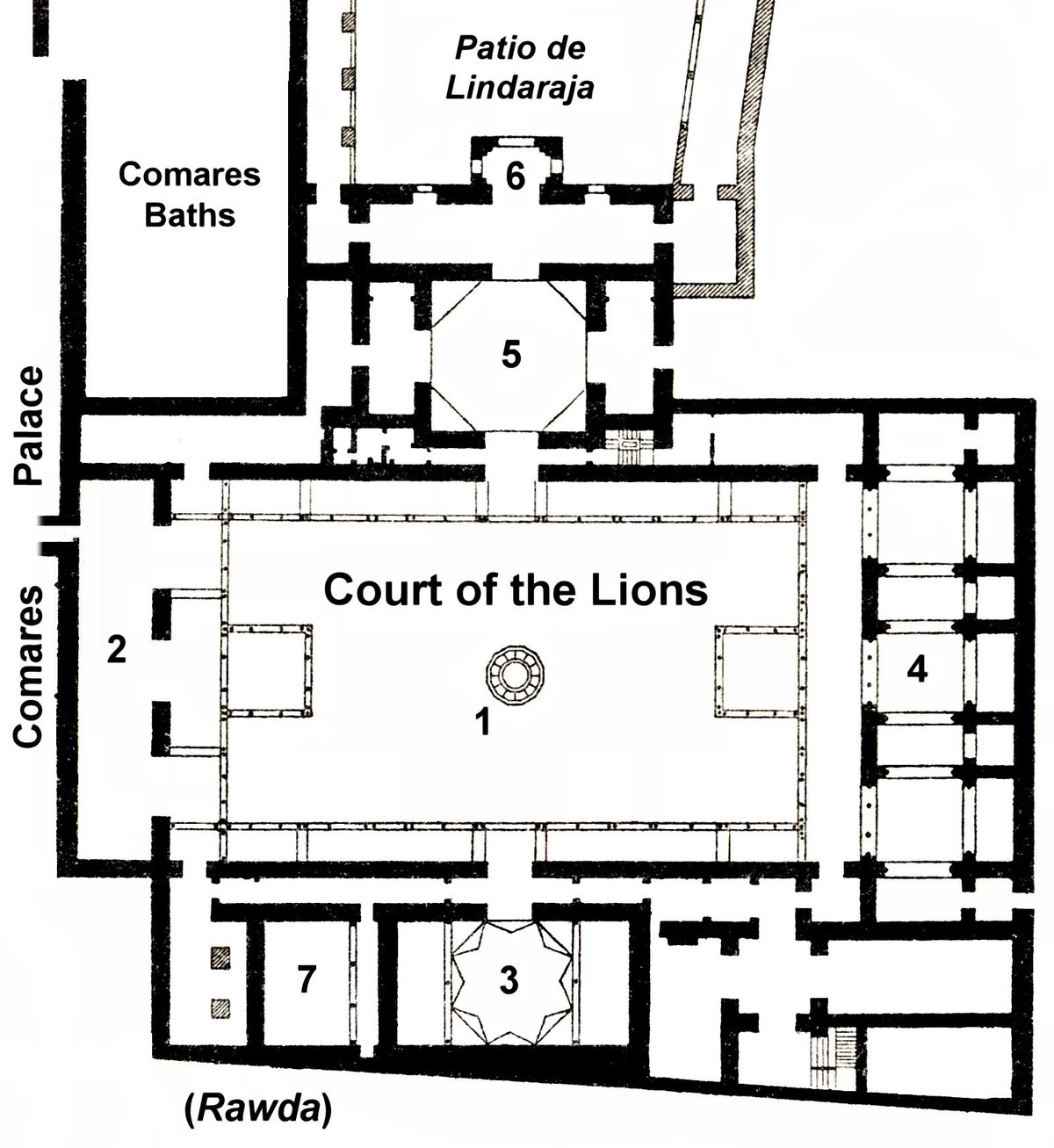
Born in the Alhambra on January 4, 1339, Muhammad V commissioned the spaces that define the palace complex today. The Court of the Lions, the Hall of the Two Sisters, the carved plasterwork that stops visitors cold — all his patronage. Deposed in 1359 by a half-brother, he spent three years in exile before returning with an army and finishing what he'd started. His poet-vizier Ibn Zamrak composed the verses carved directly into the walls — poetry and architecture made, on purpose, indistinguishable.
The Fall of Granada
swords
1482
Ten Years of War for the City
Emir Abu al-Hasan's refusal to pay tribute to Castile — followed by a raid on the town of Zahara — gave Ferdinand and Isabella the pretext they had probably been waiting for. What followed was not a single decisive battle but ten years of methodical siege warfare: castle by castle, town by town, the Emirate slowly strangled while Nasrid dynastic quarrels handed free openings to Castile. By April 1491, Ferdinand and Isabella had established a siege camp outside Granada's walls and named it Santa Fe. The end was no longer in question.
swords
January 2, 1492
Boabdil Hands Over the Keys
On January 2, 1492, Boabdil — Muhammad XI, the last Nasrid emir — rode out of the Alhambra and surrendered the keys of Granada to Ferdinand and Isabella. The capitulation terms were generous: Muslims could stay, keep their property, practice their religion. Most promises were broken within a decade. Legend says Boabdil wept at a mountain pass south of the city; his mother told him he wept like a woman for what he could not defend as a man. The pass is still called El Suspiro del Moro.
gavel
March 31, 1492
The Alhambra Decree Expels the Jews
Ninety days after the conquest, Ferdinand and Isabella signed the Alhambra Decree from inside the Alhambra itself. Every unconverted Jew in Spain had until July 31 to leave. Between 40,000 and 150,000 people departed — to Portugal, North Africa, the Ottoman Empire, anywhere that would have them. Granada's Jewish community, present in the city since before the Romans, was gone by summer. Spain formally revoked the decree in 1968, 476 years later.
Catholic Monarchy
church
1505
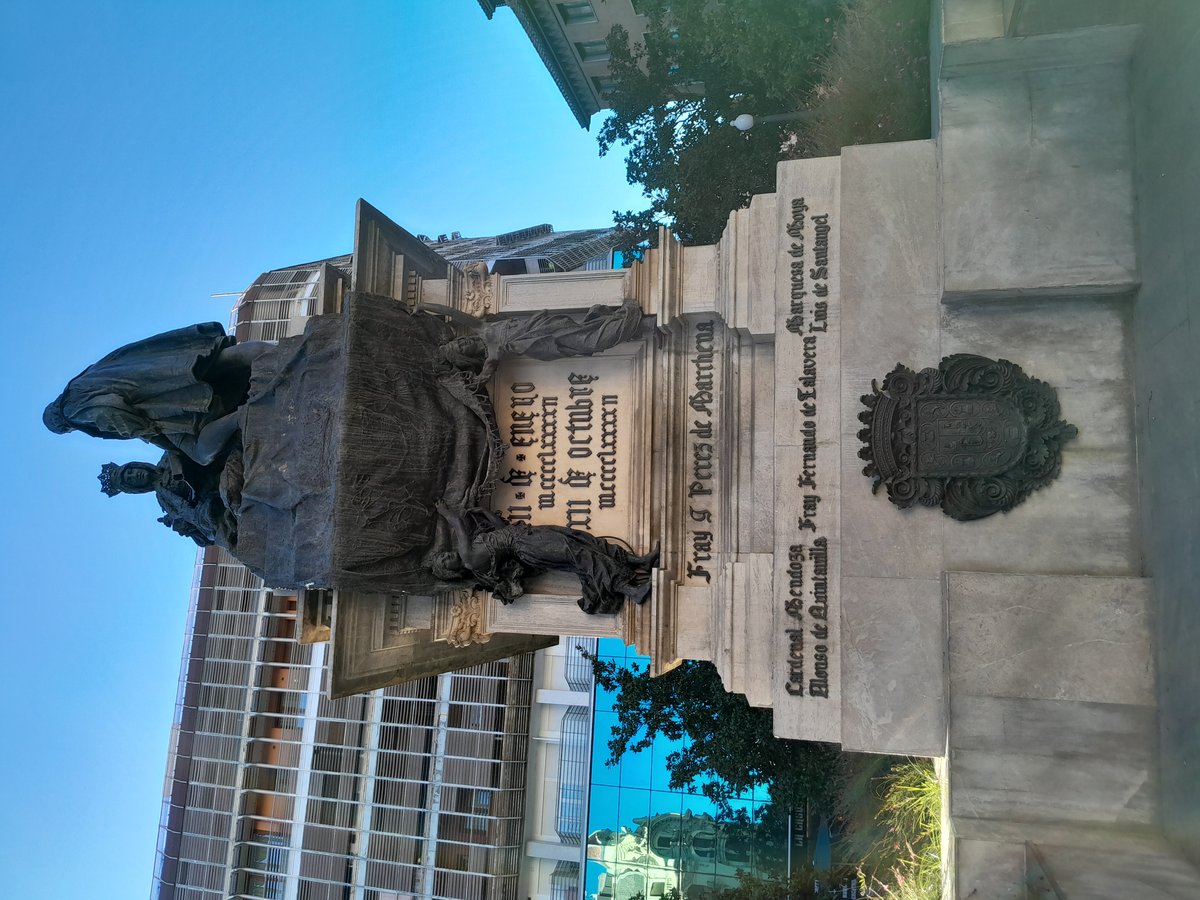
The Catholic Monarchs Choose Granada's Earth
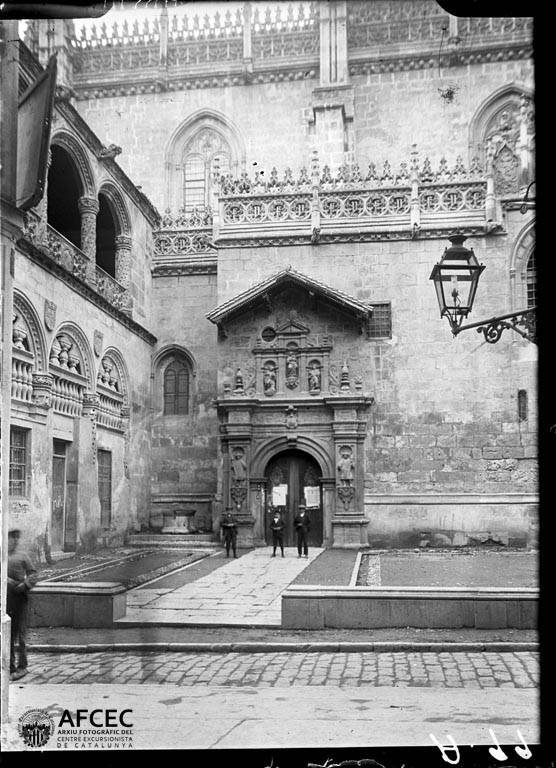
Ferdinand and Isabella chose Granada as their burial place — a deliberate statement about where the Reconquista had ended. Construction of the Capilla Real began in 1505 and was completed in 1517. The Gothic chapel holds marble effigies of both monarchs alongside tombs for their daughter Joanna and her husband Philip I, and a painting collection of Flemish masters assembled by Isabella herself. This is where the architects of modern Spain chose to sleep permanently.
Habsburg Era
church
1523
A Cathedral Built Over 181 Years
Construction on the cathedral began in 1523 on ground that had recently held a mosque. When Diego de Siloé took over in 1529, he proposed something radical: a Renaissance design in a country that had barely built one. Work continued for 181 years, across five reigns and at least three architectural philosophies — the Baroque facade by Granada-born sculptor Alonso Cano came in the 17th century, almost as an afterthought. Every change of direction shows in the stone, which makes it more honest than a cathedral that always knew what it wanted to be.
school
July 14, 1531
Charles V Founds the University
Pope Clement VII authorized the studium generale at the request of Emperor Charles V, who funded its construction on ground that had supported Nasrid madrasahs — the infrastructure of Islamic scholarship converted, like much else in the city, into something new. Today the University of Granada enrolls 60,000 students. For over a decade it received more incoming Erasmus students than any other institution in Europe. The city has always known how to receive strangers.
Morisco Expulsion
swords
December 1568
Morisco Revolt in the Alpujarras
Philip II's 1567 Pragmática Sanción was a cultural death sentence: Moriscos — Muslims who had converted under duress — must abandon Arabic, traditional dress, and every practice that still marked their heritage. Aben Humeya raised a rebellion in the Alpujarra mountains south of Granada in December 1568, framing it as a jihad to restore Muslim rule. Don Juan of Austria crushed it by November 1570. Then came the real punishment: 80,000 to 150,000 Moriscos were forcibly dispersed to inland Castile. The artisans and farmers who had sustained Granada's economy for centuries left in a column and did not return.
Napoleonic Occupation
swords
1810
Napoleon's Forces Occupy and Nearly Destroy the Alhambra
French forces occupied Granada in 1810 as part of Napoleon's attempt to absorb Spain into his empire. Four years of occupation meant four years of looting: artifacts removed, structures damaged, the Alhambra used as a military barracks. The close call came on evacuation in 1814 — French engineers planted explosives to demolish the complex before withdrawing. A Spanish soldier, acting alone, disarmed most of the charges. Several towers still bear the permanent scars of the ones he didn't reach.
Romantic Rediscovery
palette
May 4, 1829
Washington Irving Sleeps in the Alhambra
Washington Irving arrived on May 4, 1829, having talked his way into living quarters inside the Alhambra — then half-ruined, partly inhabited by squatters, largely unknown to the outside world. He spent four months exploring its rooms and corridors, collecting stories from caretakers and locals. His Tales of the Alhambra, published in 1832, ignited European fascination with Granada and drove the first serious restoration campaigns. Irving didn't save the Alhambra. But he made enough people care that others did.
Modern Spain
local_fire_department
December 25, 1884
Christmas Night Earthquake
At 9:08 PM on Christmas Day, a magnitude 6.7 earthquake struck the Alpujarra region south of Granada. Over 1,200 people died. Nearly 5,000 buildings collapsed entirely; 17,000 more were damaged beyond repair, and aftershocks continued until May 1885. The destruction triggered a wave of emigration from the province that reshaped Andalusia's demographics for generations — the villages south of Granada lost populations they have never fully recovered.
palette
June 5, 1898
Lorca Born in Granada's Shadow
Federico García Lorca was born in Fuente Vaqueros, 17 kilometers west of Granada, and grew up in the city itself — absorbing its flamenco rhythms, its Roma quarter on the Sacromonte hillside, the particular quality of light on whitewashed walls. Granada gave him everything he needed to become Spain's greatest 20th-century poet. On the night of August 18–19, 1936, Falangist forces shot him on a road north of the city and buried him in an unmarked grave. His remains have never been found.
swords
August 1936
Lorca Arrested, Shot, Buried in Secret
Granada fell to Nationalist forces within days of the July 1936 military coup — the city garrison sided with Franco and the repression began immediately. On August 16, Falangist militiamen arrested Federico García Lorca at the house of a friend where he had taken refuge. Two nights later, they drove him to a road near Alfacar and shot him. His books were burned in the Plaza del Carmen. His burial site remains unknown — the most famous unmarked grave in Spanish history.
public
1984
UNESCO Seals What Granada Already Knew
UNESCO added the Alhambra to its World Heritage List in 1984, extending the designation to the Albaicín district a decade later in 1994. The formal recognition changed little about what the city already understood. The Alhambra now draws 2.5 million visitors a year — 300 people per 30-minute slot in the Nasrid Palaces, tickets selling out months in advance, your ID and exact payment card checked at the gate. The tension between access and preservation is, by now, the defining problem of modern Granada.