Plan and listen to Archaeology Museum Of Catalonia (Girona) with Audiala.
Audio guide in your pocket, itinerary in your browser. Built for the way you actually visit.
Introduction
The Archaeology Museum of Catalonia in Girona (Museu d'Arqueologia de Catalunya – Girona, or MAC-Girona) is a cornerstone of Catalan heritage, housed within the magnificent 12th-century Romanesque monastery of Sant Pere de Galligants. This museum not only preserves and presents a remarkable collection of artifacts spanning from prehistory to the Middle Ages, but also immerses visitors in the evolution of societies that shaped northeastern Iberia. Its blend of architectural beauty, rich archaeological holdings, and educational initiatives makes it a must-visit for travelers, historians, and culture enthusiasts alike (Pedres de Girona; Visitmuseum).
Origins and Historical Development
Founded in 1846 as the Provincial Museum of Antiquities and Fine Arts, MAC-Girona is one of Spain’s oldest archaeological museums. Its establishment marked a pivotal step in safeguarding Catalonia’s rich archaeological legacy during a time of significant urban growth and discovery. The museum has been located in the cloister of the expropriated Benedictine monastery of Sant Pere de Galligants since 1857, with its doors open to the public since the late 1870s (Pedres de Girona).
Throughout the 20th century, the museum adapted through political and cultural shifts, expanding its collections and exhibition spaces, notably becoming exclusively archaeological in 1976. In 1992, MAC-Girona became part of the broader Museu d’Arqueologia de Catalunya network, connecting it to other significant sites such as those in Barcelona, Empúries, Olèrdola, and Ullastret (Visitmuseum).
Architectural Significance: The Monastery of Sant Pere de Galligants
The museum occupies the Sant Pere de Galligants monastery, a jewel of 12th-century Romanesque architecture. Its robust stonework, semicircular arches, and ornate capitals are masterpieces of medieval Catalonia.
The Cloister
The cloister, dating from the mid-12th century, is the heart of the monastery. Its arcaded galleries and paired columns feature capitals decorated with biblical scenes, mythical creatures, and plant motifs, creating a serene and historic setting for the museum’s exhibits (Pedres de Girona).
The Church
Adjacent to the cloister, the Romanesque church—with its barrel-vaulted nave and semicircular apse—now serves as a dramatic exhibition hall for the museum’s key artifacts.
Later Additions
In the 19th century, an upper cloister (sobreclaustre) was added to accommodate growing collections, designed to harmonize with the original Romanesque style.
Collections and Archaeological Context
MAC-Girona’s collections document the development of human societies in the Girona region from prehistory through the Middle Ages, drawing on finds from sites like Empúries, Ullastret, and Mas Castellar de Pontós (Pedres de Girona).
Prehistoric Period
Stone tools from Paleolithic sites such as Puig d’en Roca and El Cau del Duc de Torroella de Montgrí, along with Neolithic and Bronze Age pottery and ornaments, illustrate early human life and technological advances.
Iberian and Roman Periods
Noteworthy are the marble altar from Mas Castellar, Ionic capitals, amphorae, fibulae, and bronze decorations from Empúries, all reflecting the region’s role in Mediterranean trade and cultural exchange.
Medieval and Early Christian Artifacts
Medieval Christian artifacts, including liturgical objects and Visigothic stonework, bridge the ancient and medieval heritage preserved within the monastery walls.
Visitor Information: Plan Your Visit
- Location: Sant Pere de Galligants, Carrer de Santa Llúcia, 8, 17007 Girona, Spain
- Opening Hours:
- Tuesday to Saturday: 10:00 AM – 7:00 PM
- Sundays and public holidays: 10:00 AM – 2:00 PM or 2:30 PM (check official site for current times)
- Closed Mondays (except public holidays), January 1, May 1, and December 25
- Tickets:
- General admission: €6 (sometimes €4, check latest rates)
- Reduced rates for students, seniors, groups
- Free entry: children under 16, Girona residents, and on the first Sunday of each month
- Buy tickets online or at entrance
- Guided Tours: Available in multiple languages; advance booking is recommended
- Accessibility: Wheelchair-accessible areas, ramps, elevators, and accessible restrooms
- Facilities: Cloakroom, restrooms, gift shop, multilingual signage, and interactive exhibits
- Getting There: Central old quarter location, 15-minute walk from the train station; limited parking—public transport or walking is recommended
Travel Tips and Nearby Attractions
- Best Time to Visit: Weekdays and early hours offer a quieter experience
- Combine with: Girona Cathedral, Jewish Quarter, Arab Baths, and city walls—all within walking distance
- Dining: Numerous cafes and restaurants nearby serve Catalan cuisine
- Photography: The cloister and church interiors are perfect for photos; non-flash photography is generally allowed
- Family and Group Visits: Educational activities, family workshops, and school programs are available (Visitmuseum)
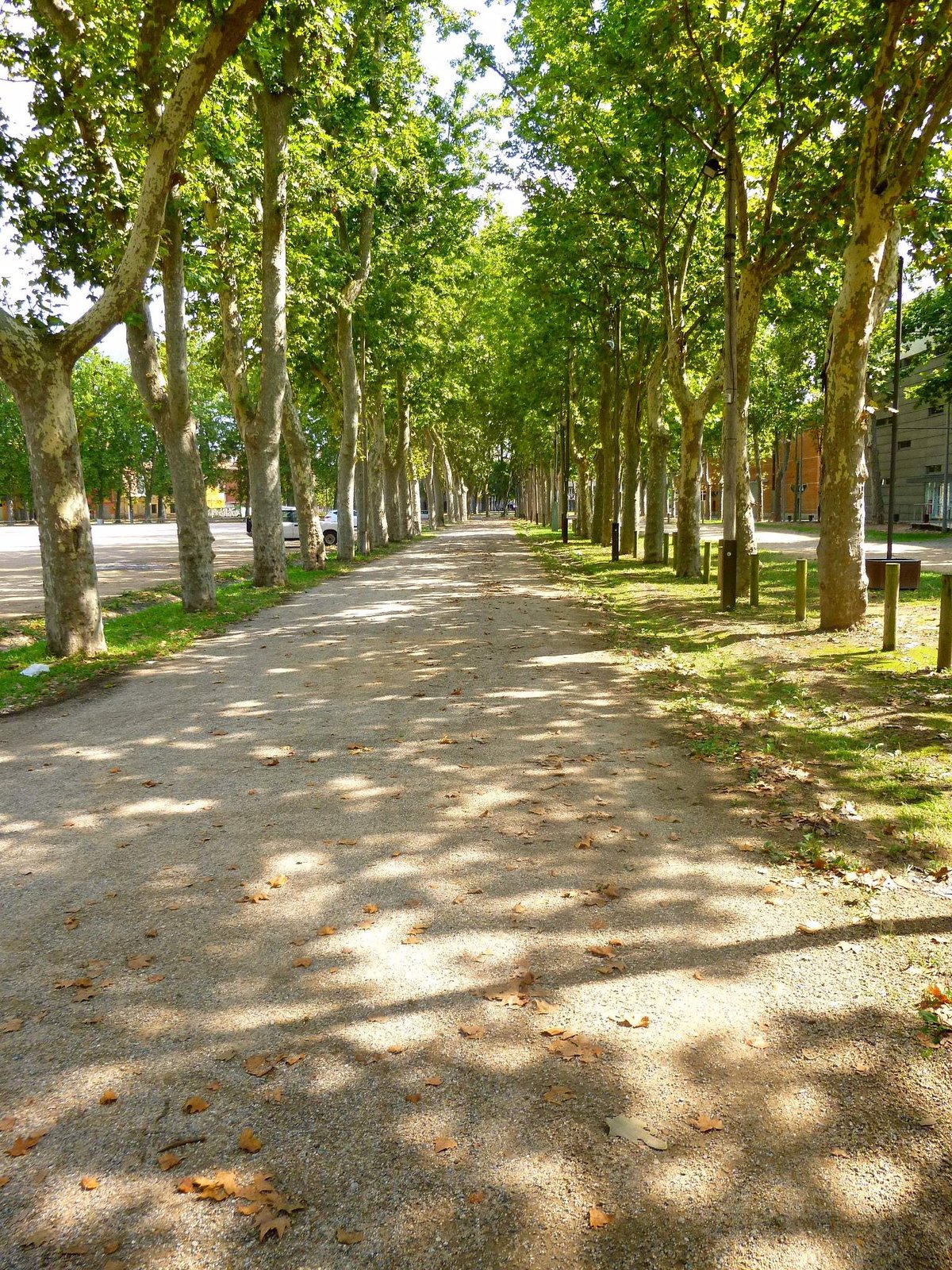
- Nearby Green Spaces: La Devesa Park is a relaxing spot after your visit
Frequently Asked Questions (FAQs)
Q: What are the Archaeology Museum of Catalonia Girona visiting hours?
A: Generally, Tuesday to Saturday from 10:00 AM to 7:00 PM; Sundays and public holidays from 10:00 AM to 2:00 or 2:30 PM; closed Mondays.
Q: How much do tickets cost?
A: General admission is usually €6 (or €4, depending on current policy), with discounts and free days available.
Q: Is the museum wheelchair accessible?
A: Yes, with accessible facilities and restrooms.
Q: Are guided tours available?
A: Yes, in multiple languages by advance booking.
Q: Can I buy tickets online?
A: Yes, via the official website or on-site.
Q: Are there virtual tours or digital exhibitions?
A: Yes, the museum offers digital experiences through its website.
Discover More
The Archaeology Museum of Catalonia in Girona provides an unparalleled opportunity to explore Catalonia’s ancient and medieval past in a breathtaking Romanesque setting. With its extensive collections, educational programs, and commitment to accessibility, it stands as a vital cultural institution for both locals and visitors. Whether your interest is in prehistoric artifacts, Roman mosaics, or medieval ecclesiastical art, a visit to MAC-Girona is both enlightening and memorable.
Plan your visit today by checking the official website for current hours and tickets. Enhance your experience by downloading the Audiala app for interactive guides and updates, and follow us on social media for travel inspiration and event news.
Listen to the full story in the app
The whole Archaeology Museum Of Catalonia (Girona),
told well.
Audio guides for 1,100+ cities across 96 countries. History, stories, and local insight — offline ready.

Verified, and shown.
Researched and written by the Audiala editorial team from historical records, architectural archives, and local expertise.
Last reviewed
Researched from Wikidata, Wikipedia & official sources · fact-checked · How we make our guides →