Plan and listen to Torre De La Malmuerta with Audiala.
Audio guide in your pocket, itinerary in your browser. Built for the way you actually visit.
Introduction: A Medieval Sentinel in the Heart of Córdoba
Nestled within Córdoba’s historic Santa Marina district, the Torre de la Malmuerta rises as a striking example of late medieval military architecture and a living testament to the city’s layered history. Built between 1404 and 1408 under King Henry III of Castile, this octagonal albarrana tower was constructed by Muslim artisans atop earlier Almohad foundations, originally serving as a vital defensive structure. Over centuries, it has become the subject of enduring legends—most famously the story of the “wrongly dead woman”—and today stands as a powerful symbol of justice, memory, and the cultural crossroads that define Córdoba.
This comprehensive guide delves into the Torre de la Malmuerta’s architectural features, folklore, practical visitor information, and its significance within the broader context of Córdoba’s historical landscape. Whether you are a history enthusiast or a curious traveler, this monument offers both tangible and intangible insights into the city’s rich past (Siente Córdoba; Spain.info; Travel Córdoba).


What is the Torre de la Malmuerta?
The Torre de la Malmuerta is a robust octagonal albarrana tower, set apart from the city walls but connected by a broad arch, once forming part of Córdoba’s northern defenses. Built under the orders of King Henry III, it replaced an earlier Islamic structure and was intended to guard the city gates of Rincón and Colodro. Its unique architecture and storied past make it a must-see for visitors interested in Córdoba’s medieval heritage.
Architectural Highlights
Albarrana Tower Design: The tower exemplifies the albarrana style, where a defensive tower is constructed outside the line of walls and linked by a bridge or arch, maximizing the defensive scope over access points.
Octagonal Layout: Its eight-sided base, approximately 21 meters in height, gives it both stability and a distinctive silhouette. The thick stone walls, crenellated battlements, and vaulted interior chamber (now closed to visitors) reflect the martial needs of the era (Spain.info).
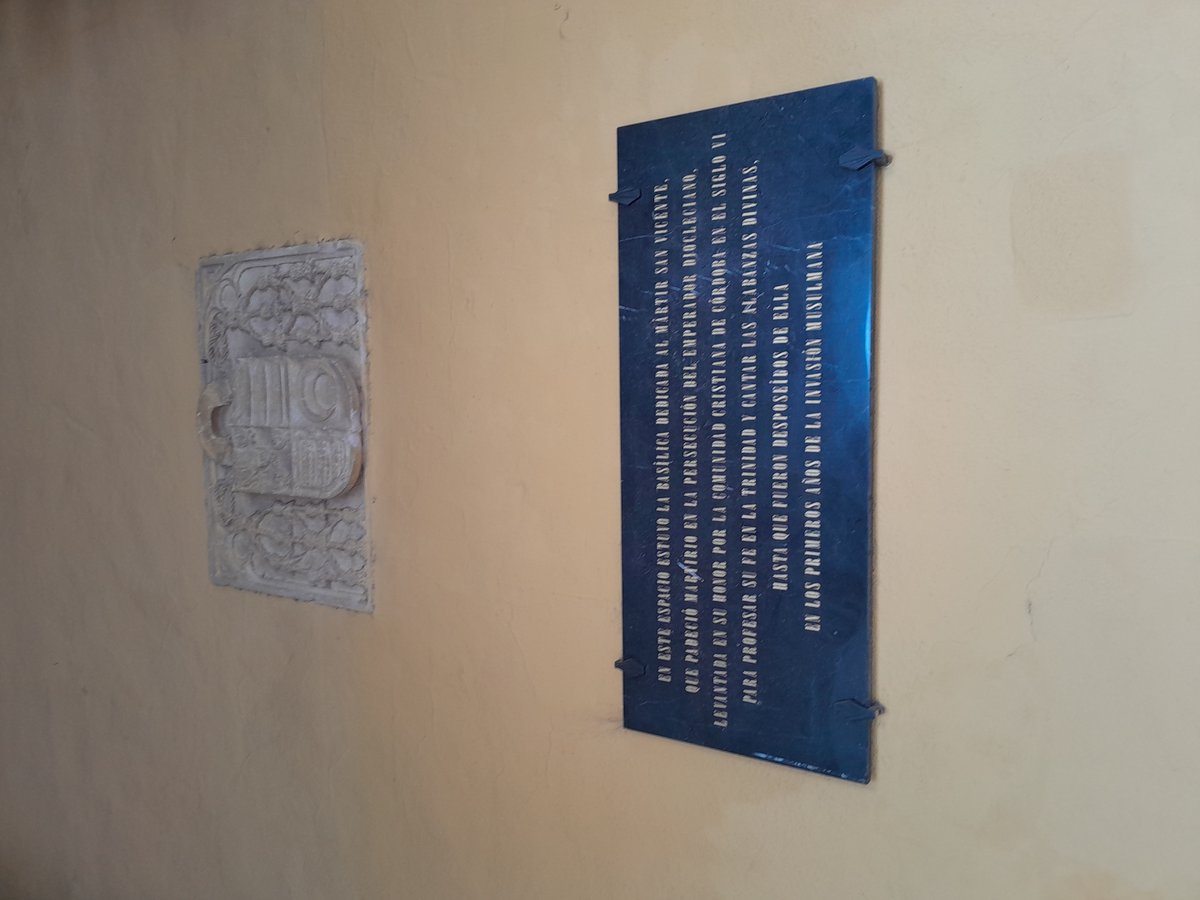
Decorative Details: The arch connecting the tower to the wall features surviving stone tablets—one bearing the royal shield of Henry III and another (now mostly illegible) with a commemorative inscription about its construction.
Later Uses: Beyond its defensive function, the tower was repurposed as a prison for nobles in the era of the Catholic Monarchs and, in the 18th century, as an astronomical observatory (Travel Córdoba).
Legends and Cultural Significance
The Tragic Tale of the “Wrongly Dead Woman”
The most famous legend gives the tower its name: "Malmuerta" (“wrongly dead woman”). It tells of a nobleman who, in a fit of jealousy, killed his wife and her alleged lover, only to discover her innocence afterward. As penance, King Enrique III ordered the tower’s construction, memorializing the tragedy and imparting a message about justice and remorse (Siente Córdoba; Spotting History).
The Hidden Treasure
Another enduring legend claims a treasure lies beneath the tower, destined to be revealed if a rider can gallop through the arch and read the entire inscription aloud without pausing—a feat never achieved (Travel Córdoba).
Symbolism and Influence
The Torre de la Malmuerta stands as a cultural and architectural bridge between Córdoba’s Islamic and Christian periods. It features in local festivals, art, and educational programs, serving as a symbol of the city’s resilience and the complexities of its past (Evendo; Explored by Marta).
Practical Visitor Information
Visiting Hours & Tickets
Interior Access: As of July 2025, the interior of the Torre de la Malmuerta is closed to the public for preservation. No entrance tickets are required; visitors may admire the exterior at any time (Travel Córdoba).
Exterior Viewing: The area around the tower is accessible 24/7.
Accessibility
- Location: Avenida de Ollerías, s/n, 14001 Córdoba, near Plaza de Colón and Jardines de la Merced.
- Mobility: The surrounding area is flat and pedestrian-friendly, though some cobblestones may pose difficulty for visitors with reduced mobility (Spain.info).
How to Get There
- On Foot: Easily walkable from Córdoba’s historic center.
- By Car: Paid street parking and public lots nearby (Quever en Córdoba).
- By Bus: City lines stop at Ollerías (Puerta del Colodro), Colón Este, and Colón Norte.
- Tourist Bus: Stop 10 on the Córdoba City Sightseeing hop-on-hop-off route (Quever en Córdoba).
What to See and Do
- Exterior Details: Observe the octagonal base, battlements, arch with royal shield, and faded inscription.
- Religious Icon: Note the small image of the Virgin of Fátima on the arch’s eastern face.
- Local Culture: In spring, sample traditional snail dishes from nearby stalls.
- Photography: Visit at golden hour for dramatic cityscape shots.
Nearby Attractions
- Palacio de la Merced: Baroque former convent, now government offices.
- Cristo de los Faroles: 18th-century sculpture and pilgrimage site.
- Palacio de Viana: Renowned for its patios and gardens.
- Santa Marina Church: Gothic-Mudejar church in the neighborhood.
- Shopping: Explore Cruz Conde and Ronda de los Tejares, including El Corte Inglés (Travel Córdoba).
Tips for Visitors
- Combine Your Visit: Plan a walking route covering the tower and nearby historical sites for a richer experience.
- Best Times: Early morning and dusk provide ideal lighting and fewer crowds.
- Guided Tours: While there are no interior tours, local guides may include the site on themed walks—check with official operators for schedules.
Frequently Asked Questions (FAQs)
Q: What are the Torre de la Malmuerta’s visiting hours?
A: The exterior is accessible at all hours; the interior is closed as of July 2025.
Q: Is there an entrance fee or do I need tickets?
A: No tickets or fees are required to visit the exterior.
Q: Can I access the tower’s interior?
A: The interior is not open to visitors.
Q: Are guided tours available?
A: No interior tours, but the tower may be included in guided walks of the Santa Marina district.
Q: How do I reach the tower?
A: On foot from the city center, by car, by bus, or via the hop-on-hop-off tourist bus.
Listen to the full story in the app
The whole Torre De La Malmuerta,
told well.
Listen to sourced travel stories with local history and practical context — ready offline.
Verified, and shown.
Researched and written by the Audiala editorial team from historical records, architectural archives, and local expertise.
Built from cited sources · see the method · How we make our guides →