Plan and listen to Torre De La Calahorra with Audiala.
Audio guide in your pocket, itinerary in your browser. Built for the way you actually visit.
Introduction
The Torre de la Calahorra stands as an enduring symbol of Córdoba’s rich and multicultural heritage. Located at the southern end of the Roman Bridge (Puente Romano), this iconic medieval tower has protected the city since its Islamic Almohad origins in the 12th century. Over centuries, it has evolved from a crucial military stronghold to a vibrant cultural venue—today housing the Museo Vivo de al-Andalus, which celebrates the golden age of coexistence between Muslim, Christian, and Jewish communities (Wikipedia; Cordoba24.info; Torre Calahorra Official Site).
This guide offers a detailed exploration of the tower’s history, architectural significance, visiting hours, ticketing, accessibility, museum exhibits, and tips for making the most of your visit to Córdoba’s historic center.
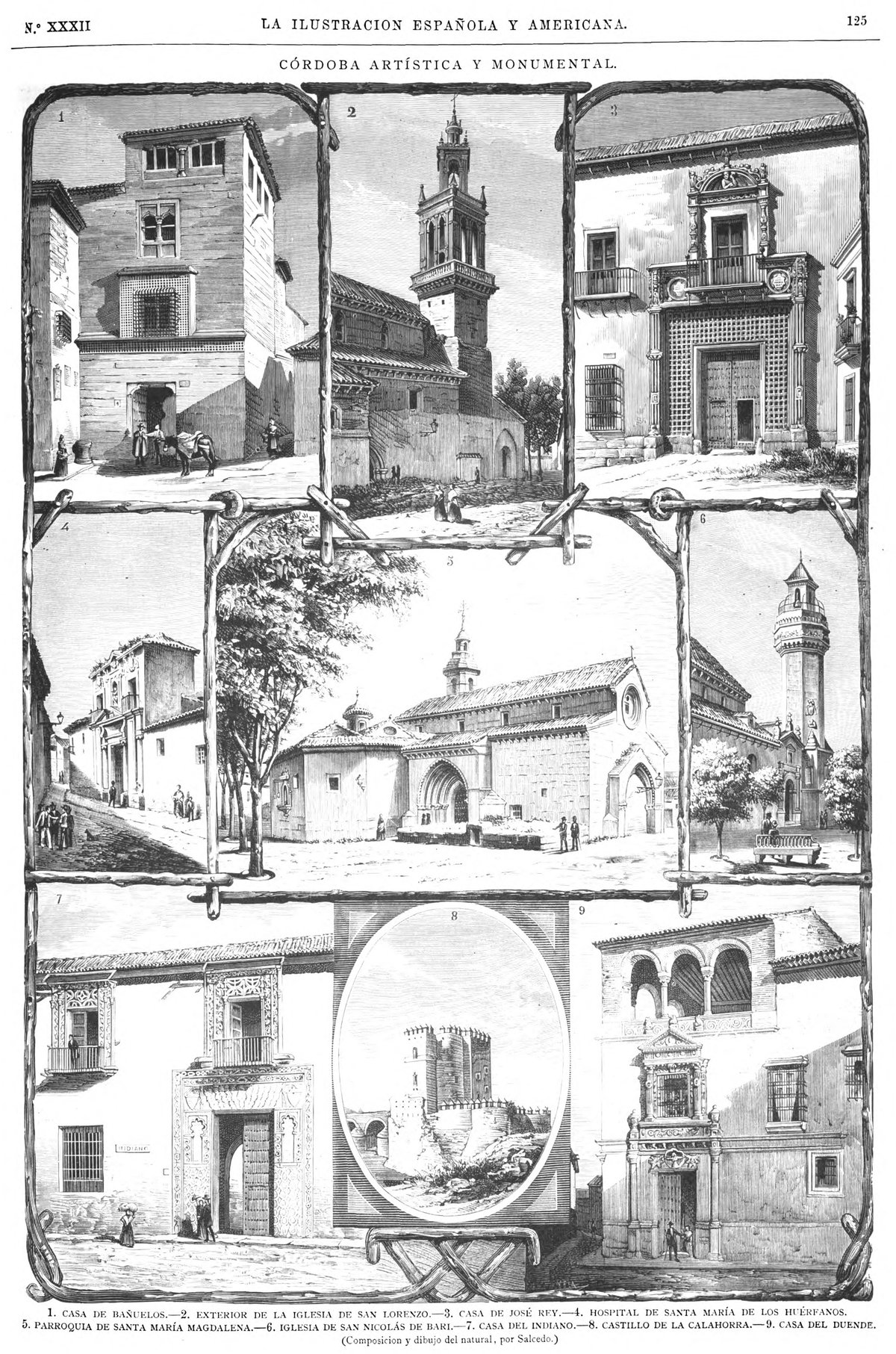
The Torre de la Calahorra traces its roots to Córdoba’s Islamic period, originally constructed in the 12th century by the Almohad dynasty. Its strategic position at the southern end of the Roman Bridge made it the city’s first line of defense, controlling access across the Guadalquivir River (Wikipedia; Turismo de Córdoba). The earliest structure consisted of two rectangular towers joined by a horseshoe-arched gateway, an architectural hallmark of the Islamic world (Mezquita de Córdoba).
In 1369, Christian King Enrique II of Trastámara further fortified the tower by adding a third cylindrical section, giving it the distinctive cross-shaped plan seen today. These modifications reflected the need to adapt to new military technologies and the city’s changing political landscape (Andalucia Lovers; Nomads Travel Guide).


Architectural Evolution
The architectural fabric of the Torre de la Calahorra is a blend of Almohad, Mudéjar, and later Christian influences. The structure’s robust masonry, thick walls, and defensive loopholes speak to its military function, while the elegant horseshoe arch entrance and cylindrical towers evoke Córdoba’s Islamic past (Siente Córdoba; ToCórdoba).
Over time, the tower adapted to evolving warfare—embracing new features like cannon embrasures and a reinforced battlement. The use of local stone integrated the structure visually with the Roman Bridge and surrounding cityscape. Significant restoration campaigns in the 20th and 21st centuries have preserved these unique features, earning the tower European and national recognition (Wikipedia; Torre Calahorra Official Site).
Cultural and Modern Significance
Today, the Torre de la Calahorra houses the Museo Vivo de al-Andalus, an immersive museum dedicated to Córdoba’s era of convivencia—when Muslim, Christian, and Jewish communities flourished together. Eight themed rooms present multimedia exhibits and artifacts on science, art, religion, and daily life in medieval Córdoba (Torre Calahorra Official Site; Spain.info).
The tower is also the seat of the Fundación Paradigma Córdoba para la Convivencia, promoting interfaith dialogue and cultural understanding inspired by the city’s history (Torre Calahorra Official Site).
Visiting Information
Location and Access
Torre de la Calahorra is located on the left (south) bank of the Guadalquivir River, forming the southern gateway to Córdoba’s UNESCO-listed old town. It’s a short walk from the Mezquita-Catedral and the Jewish Quarter, making it an essential stop on any city tour (Andalucia Lovers).
- By Foot: Easily accessible via the Roman Bridge pedestrian walkway.
- By Public Transport: Local buses stop nearby.
- By Car: Limited parking is available; public transport or taxis are recommended during peak periods.
Visiting Hours
- Tuesday to Sunday: 10:00 AM – 6:00 PM (last admission 5:30 PM)
- Closed: Mondays and select public holidays
Always verify the latest hours on the official website before your visit, as they may vary during holidays or special events.
Ticket Prices
- Adults: ~€5
- Reduced (students, seniors): ~€3
- Children under 12: Free
Tickets are sold both on-site and (subject to availability) online. Audioguides in multiple languages are included.
Accessibility
Due to its medieval design, accessibility within the tower is limited. There are no elevators; upper levels require climbing a narrow spiral staircase. Most exhibits are on upper floors, so visitors with mobility challenges should take this into account (Andalucia Lovers).
Travel Tips
- Wear comfortable shoes—stairs and uneven stones are common.
- Visit in the morning or late afternoon for fewer crowds and better lighting for photography.
- The area around the tower is pedestrian-friendly, but cobblestones may be slippery when wet.
Museum Experience
The Museo Vivo de al-Andalus inside the tower presents Córdoba’s multicultural legacy through eight themed rooms:
- Daily Life: Dioramas and objects illustrating home life and social customs.
- Science and Innovation: Interactive displays on medicine, astronomy, and engineering.
- Religious Coexistence: Exhibits on synagogues, mosques, churches, and prominent scholars.
- Art and Architecture: Models of the Mezquita and Alhambra, tapestries, and artifacts.
Audioguides (included in admission) provide in-depth commentary in several languages (Spain.info).
Panoramic Views and Photography
The terrace atop the tower offers panoramic vistas of the Guadalquivir River, Roman Bridge, and historic Córdoba skyline—including the Mezquita-Catedral. This spot is ideal for photography, especially at sunset. Interior spaces and exhibits are also photo-friendly.
Image suggestions:
- Exterior: “Torre de la Calahorra, Córdoba historic site”
- Terrace: “Panoramic view from Torre de la Calahorra over Guadalquivir River and Mezquita-Catedral”
- Museum: “Living Museum of Al-Andalus exhibits inside Torre de la Calahorra”
Nearby Attractions
Combine your visit to the tower with other must-see sites in Córdoba’s historic center:
- Roman Bridge (Puente Romano): Directly adjacent (Spain.info)
- Mezquita-Catedral de Córdoba: UNESCO World Heritage masterpiece
- Alcázar de los Reyes Cristianos: Medieval palace and gardens
- Jewish Quarter: Picturesque district with synagogues and artisan shops
Events, Workshops, and Exhibitions
The museum occasionally hosts temporary exhibitions, cultural workshops, and educational programs focused on Al-Andalus history. Check the official website for current schedules.
Restoration and Heritage Status
The Torre de la Calahorra has undergone extensive restorations, notably in the mid-20th and early 21st centuries. It was declared a Monumento Histórico Artístico in 1931 and later received the European Union Prize for Cultural Heritage / Europa Nostra Award for excellence in preservation (Wikipedia; Torre Calahorra Official Site).
Frequently Asked Questions (FAQ)
What are the Torre de la Calahorra visiting hours?
Tuesday to Sunday, 10:00 AM – 6:00 PM. Closed on Mondays and some holidays.
How much are tickets?
Approximately €5 for adults, €3 for students/seniors, free for children under 12.
Is the site accessible for people with disabilities?
Due to narrow staircases and no elevator, accessibility is limited.
Are guided tours or audioguides available?
Yes, audioguides are included with admission; guided tours may be booked in advance.
Can I take photos inside the tower?
Yes, photography is permitted throughout the museum and on the terrace.
Where can I park?
Nearby parking is limited; public transport or taxis are recommended.
Listen to the full story in the app
The whole Torre De La Calahorra,
told well.
Listen to sourced travel stories with local history and practical context — ready offline.
Verified, and shown.
Researched and written by the Audiala editorial team from historical records, architectural archives, and local expertise.
Built from cited sources · see the method · How we make our guides →