Plan and listen to Historic Centre Of Córdoba with Audiala.
Audio guide in your pocket, itinerary in your browser. Built for the way you actually visit.
Introduction
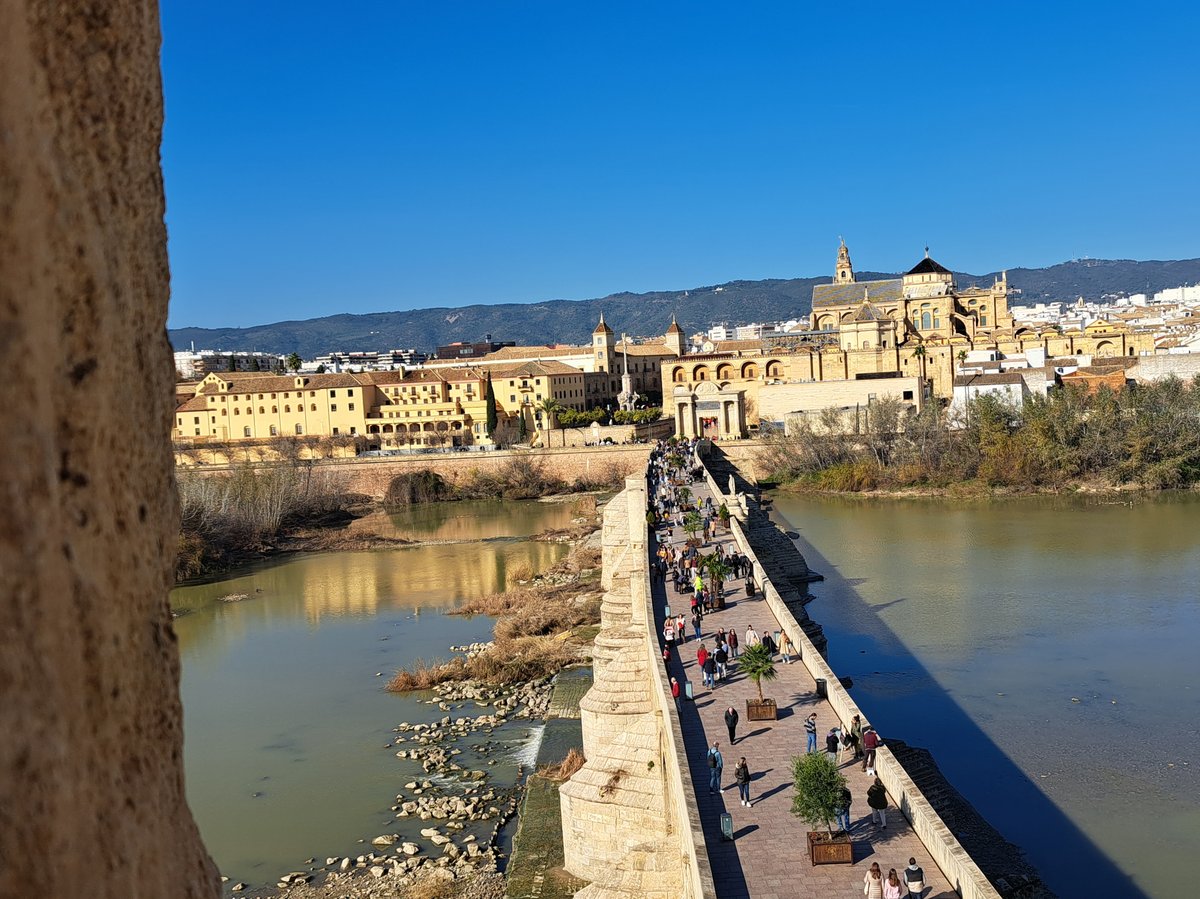
Nestled in the heart of Andalusia, the Historic Centre of Córdoba is a living testament to over two thousand years of history and cultural exchange. Designated a UNESCO World Heritage Site, Córdoba’s old town is renowned for its harmonious blend of Roman, Islamic, Jewish, and Christian legacies. From the iconic Mezquita-Catedral with its distinctive arches to the ancient Roman Bridge spanning the Guadalquivir River, visitors encounter a city where every street and courtyard tells a story of coexistence and transformation.
This comprehensive guide provides everything you need for a memorable visit: historical context, practical information on visiting hours and ticketing, tips for accessibility, nearby attractions, and essential travel recommendations. For official resources and further reading, see UNESCO Urban Heritage Atlas, Turismo de Córdoba, and the Mezquita-Catedral official site.

Layers of Civilizations
Córdoba’s urban fabric is shaped by successive civilizations: Roman, Visigothic, Islamic, Jewish, and Christian. Founded in the 2nd century BCE as Corduba, the city became a major Roman provincial capital, as evidenced by landmarks such as the Roman Bridge and Temple. In the Visigothic era, Christian churches rose from Roman foundations, foreshadowing later religious transformations.
Córdoba’s golden age began with the Islamic conquest in the 8th century, when it became the capital of the Caliphate of Al-Andalus. By the 10th century, Córdoba was Western Europe’s largest city, celebrated for its scholarship, architecture, and religious tolerance. The Mezquita, constructed during this period, remains a masterpiece of Islamic art and engineering.
Following the Christian reconquest in 1236, Córdoba’s monuments evolved again. The Mezquita became a cathedral, and Christian rulers built new palaces and fortifications, such as the Alcázar de los Reyes Cristianos. The Jewish Quarter continued to thrive, adding to the city’s rich multicultural identity (UNESCO Urban Heritage Atlas).
Urban Fabric and Authenticity
The Historic Centre preserves its medieval layout: a maze of narrow, winding streets, whitewashed buildings, and intimate plazas. The Judería (Jewish Quarter) features picturesque courtyards and flower-lined alleys, while Calleja de las Flores offers iconic views of the Mezquita’s bell tower (Paradores).
UNESCO World Heritage Status
Córdoba’s historic centre was inscribed as a UNESCO World Heritage Site in 1984, initially for the Mezquita-Catedral, and in 1994 the protected area was expanded to encompass the entire old town. The site is recognized for:
- Its architectural innovation and creative genius (Mezquita-Catedral).
- The blending of Islamic, Christian, and Jewish traditions.
- Exceptional testimony to the vanished Caliphate civilization.
- Outstanding examples of urban and architectural development (UNESCO).
The protected area includes the Mezquita-Catedral, Roman Bridge, Alcázar de los Reyes Cristianos, Calahorra Tower, Judería, and more. Córdoba’s Festival of the Patios (UNESCO Intangible Cultural Heritage), the archaeological site of Medina Azahara, and its designation as a UNESCO Creative City of Gastronomy further emphasize its global cultural significance (Facts.net).
Essential Visitor Information
Mezquita-Catedral de Córdoba
- Visiting Hours:
- Monday–Saturday: 10:00–19:00
- Sundays/Public Holidays: 8:30–11:30, 15:00–19:00
- Tickets: General admission ~€11; discounts for students, seniors, groups. Free early entry (8:30–9:30) is often available (Mezquita Official Site).
- Highlights: Forest of columns, mihrab, Capilla Mayor, Patio de los Naranjos. Climb the bell tower for panoramic city views.
Alcázar de los Reyes Cristianos
- Visiting Hours:
- Tuesday–Sunday: 8:30–18:45
- Closed Mondays (except holidays)
- Tickets: General admission ~€5; reduced rates for students, seniors; free for children under 14 and residents. Combined site tickets sometimes available.
- Highlights: Towers, mosaics, and lush gardens with pools and fountains.
Roman Bridge & Calahorra Tower
- Roman Bridge: Open and free at all times.
- Calahorra Tower: Museum tickets ~€6. Rooftop terrace offers excellent views (UNESCO).
Jewish Quarter (La Judería)
- Must-Sees: Córdoba Synagogue (Mudejar style, 1315), Calleja de las Flores, Casa de Sefarad (Sephardic museum).
- Atmosphere: Whitewashed streets, artisan shops, flower-adorned balconies (Vitium Córdoba).
Medina Azahara
- Location: 8 km west of Córdoba.
- Highlights: Ruins of a 10th-century palace-city, on-site museum, guided tours available (UNESCO).
Practical Travel Tips
Getting There
- By Train: High-speed AVE trains from Madrid (1hr 45min), Seville (45min), Málaga (1hr). Book via Renfe or Omio.
- By Bus: ALSA and other companies serve Córdoba; bus and train stations are adjacent.
- By Car: Access via A-4 motorway; parking is limited in the old town—use municipal lots outside the centre.
- By Air: Nearest major airports: Seville, Málaga, Madrid. Continue by train, bus, or car (Visit Andalucia).
Getting Around
- On Foot: The historic centre is best explored on foot; major sites are close together (Touropia).
- Public Transport: Local buses (Aucorsa), taxis, Segway tours, and horse carriage rides are available (Aucorsa).
- Accessibility: Major monuments offer accessible entrances and facilities. Cobblestones and narrow streets may be challenging; see the Accessible Córdoba section for details.
Best Time to Visit
- Spring (March–May): Most pleasant weather; Patios Festival (May) is a highlight (Espanaguide).
- Summer (June–August): Very hot; fewer crowds but midday heat can be intense (Always in Spain).
- Autumn/Winter: Milder temperatures, fewer tourists, and lower accommodation rates.
Tickets and Booking
- Advance booking for Mezquita-Catedral, Alcázar, and Medina Azahara is strongly recommended, especially in spring and during festivals.
- Combined tickets may offer savings for multiple sites.
Nearby Attractions and Experiences
- Patios of Córdoba: Visit during the May festival or explore year-round in the San Basilio district.
- Plaza de la Corredera: Lively square with markets, cafés, and local events (Voyage Tips).
- Palacio de Viana: Mansion with 12 unique patios.
- Museo Arqueológico: Artifacts from Roman, Visigothic, and Islamic periods.
- Capilla Mudejar de San Bartolomé: Exquisite Mudejar-style chapel (World Heritage Site).
Food and Culinary Experiences
Córdoba’s cuisine reflects its multicultural past:
- Salmorejo: Thick, cold tomato soup with egg and jamón.
- Flamenquín: Breaded ham and pork roll.
- Rabo de toro: Oxtail stew.
- Tapas and Markets: Sample local dishes in the historic centre’s taverns or at Mercado Victoria (Explored by Marta).
Accommodation
- Historic Centre/Judería: Stay close to major attractions in boutique hotels or guesthouses (Touropia).
- San Basilio: Quieter area with charming patios.
- Booking: Reserve early for spring festivals.
Essential Visitor Services
- Tourist Information: Main Visitors Centre at Plaza del Triunfo; multilingual staff, maps, and brochures.
- Emergency Numbers: General emergency—112, Police—091, Medical—061.
- Luggage Storage: Available at stations and hotels.
Accessibility
- Physical access: Major sites have ramps and accessible restrooms. Some historic streets remain uneven.
- Resources: See Accessible Córdoba for detailed information.
Frequently Asked Questions (FAQ)
Q: What are the Mezquita-Catedral opening hours?
A: Monday–Saturday 10:00–19:00; Sundays and holidays 8:30–11:30, 15:00–19:00.
Q: Can I buy tickets online for major sites?
A: Yes, tickets for the Mezquita-Catedral, Alcázar, and Medina Azahara can be purchased online via their official websites. Advance booking is recommended.
Q: When is the best time to visit Córdoba?
A: Spring (March–May), especially during the Patios Festival, offers the most vibrant atmosphere.
Q: Is Córdoba accessible for visitors with reduced mobility?
A: Many sites have accessible entrances, but some streets are cobbled. Check official resources for detailed accessibility information.
Q: Are guided tours available?
A: Yes, guided tours and audio guides are widely available in multiple languages.
Sustainable Tourism
Support local businesses, use public transport or walk, and respect residential areas and local customs. Help preserve Córdoba’s unique heritage for future generations.
Recommended Images and Maps
- Mezquita-Catedral interior and exterior views (alt: Mezquita-Catedral Córdoba interior horseshoe arches)
- Alcázar gardens and towers (alt: Alcázar de los Reyes Cristianos panoramic gardens)
- Roman Bridge at sunset (alt: Walking the Roman Bridge with Córdoba skyline)
- Interactive map of key sites and routes
Listen to the full story in the app
The whole Historic Centre Of Córdoba,
told well.
Listen to sourced travel stories with local history and practical context — ready offline.
Verified, and shown.
Researched and written by the Audiala editorial team from historical records, architectural archives, and local expertise.
Built from cited sources · see the method · How we make our guides →