Plan and listen to Ermita Del Socorro with Audiala.
Audio guide in your pocket, itinerary in your browser. Built for the way you actually visit.
Introduction
Nestled in the heart of Córdoba, Spain, the Ermita del Socorro is a captivating religious site that stands as both a spiritual sanctuary and a testament to the city’s layered history. Revered for its Marian devotion, distinctive Andalusian Baroque architecture, and vibrant role in local traditions, the hermitage offers visitors a unique window into Córdoba’s living heritage. This in-depth guide provides carefully curated information on visiting hours, ticket details, architectural highlights, accessibility, notable religious events, travel tips, and nearby attractions—ensuring a rewarding and well-prepared visit.
(Diario Córdoba; ABC Córdoba; artencordoba.com; Turismo de Córdoba)


Origins and Evolution
The Ermita del Socorro’s roots trace back to the early 16th century, arising from a local legend involving the miraculous intervention of the Virgen del Socorro to protect Clemente Cáceres, a young nobleman in distress. This event marked the beginning of widespread Marian devotion at the site, transforming it into a focal point for the community’s spiritual life (Diario Córdoba).
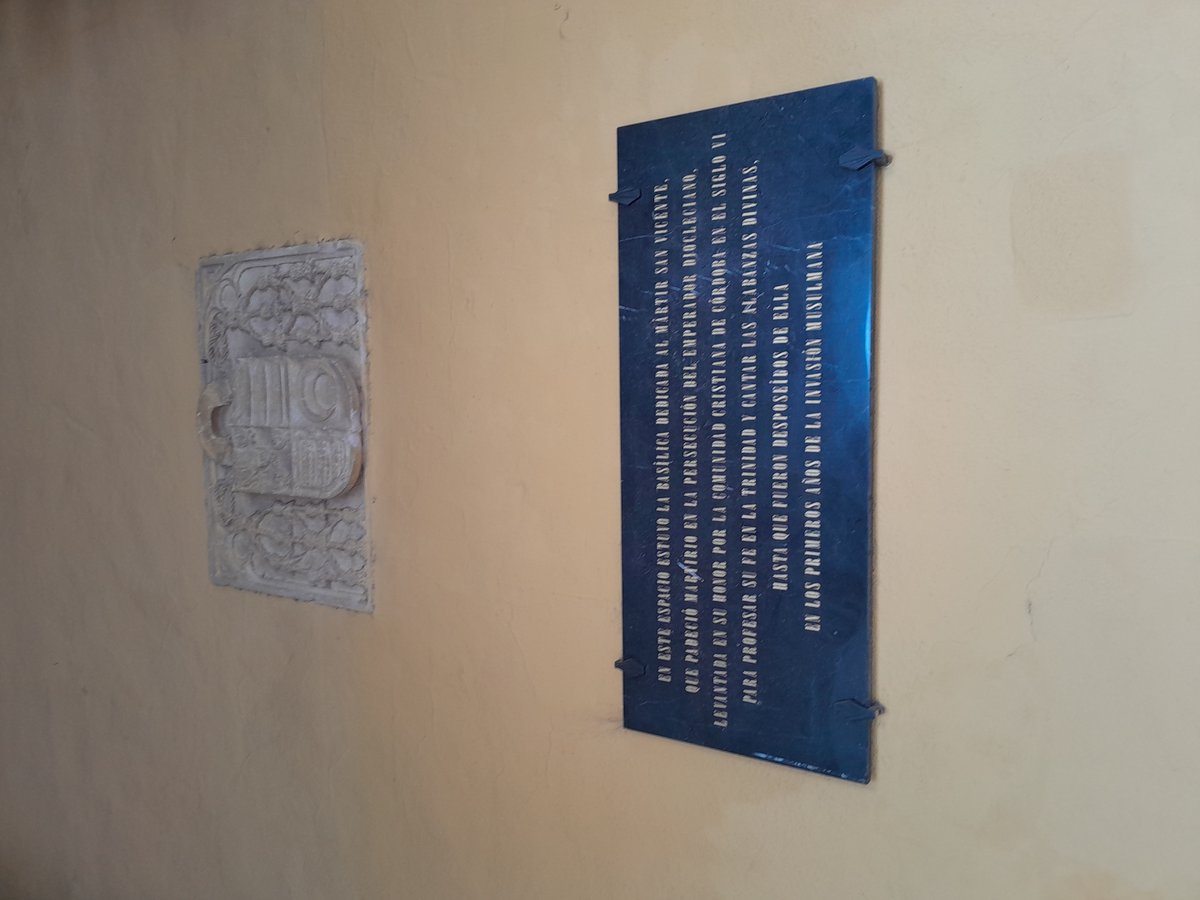
Originally, the site functioned as the Hospital of the Holy Trinity and Our Lady of Angels, later evolving into the Hospital of the Corredera of Our Lady of Help during the 17th-century plague epidemics. Its orientation and function shifted in the late 17th century, when it was adapted into a hermitage during the redevelopment of Corredera Square, solidifying its enduring religious role (artencordoba.com).
Architectural Features
Exterior
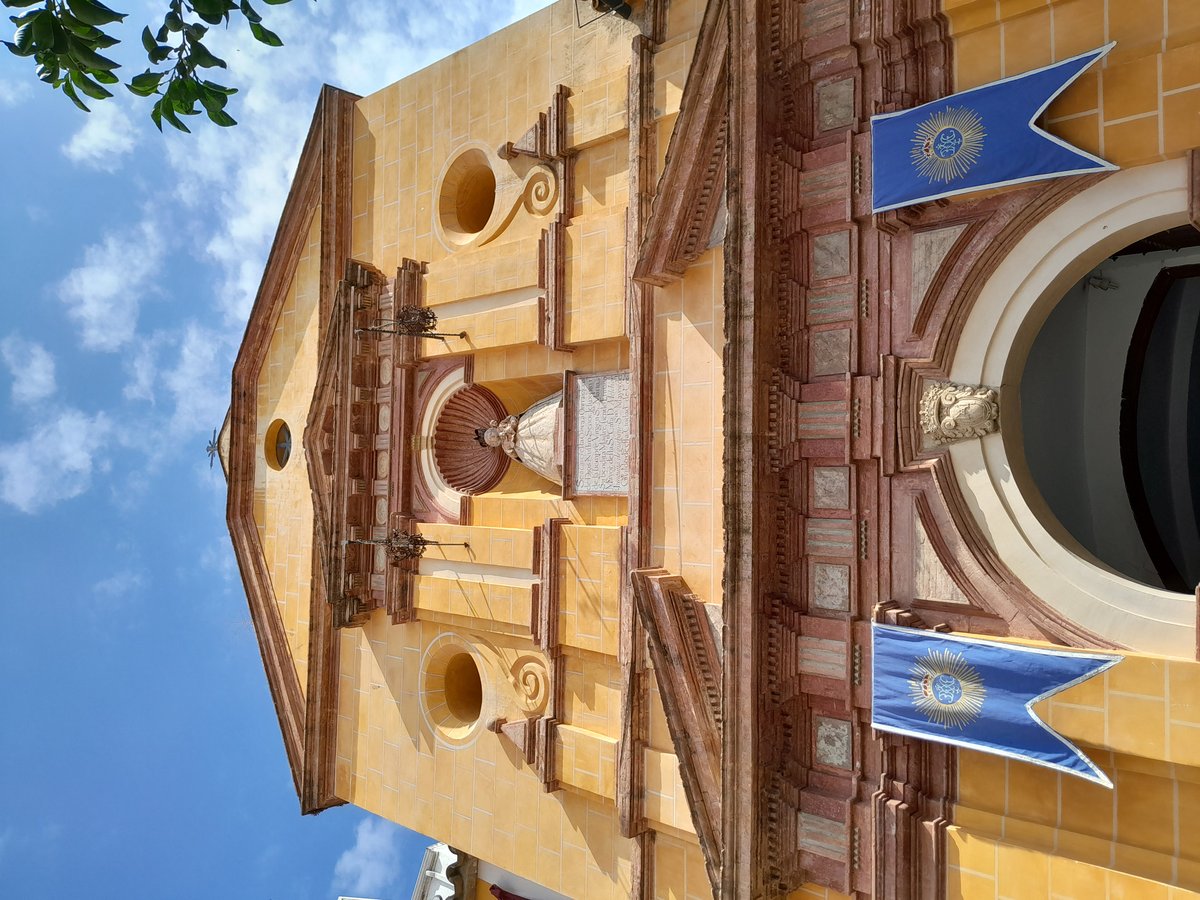
The hermitage is a fine example of modest Andalusian Baroque architecture, characterized by a whitewashed façade, a simple stone portal often adorned with Marian-themed azulejos (ceramic tiles), and a distinctive espadaña (bell gable) above the main entrance. During festivals, the façade is decorated with colorful banners and flowers, enhancing its visual appeal (ABC Córdoba).
Interior
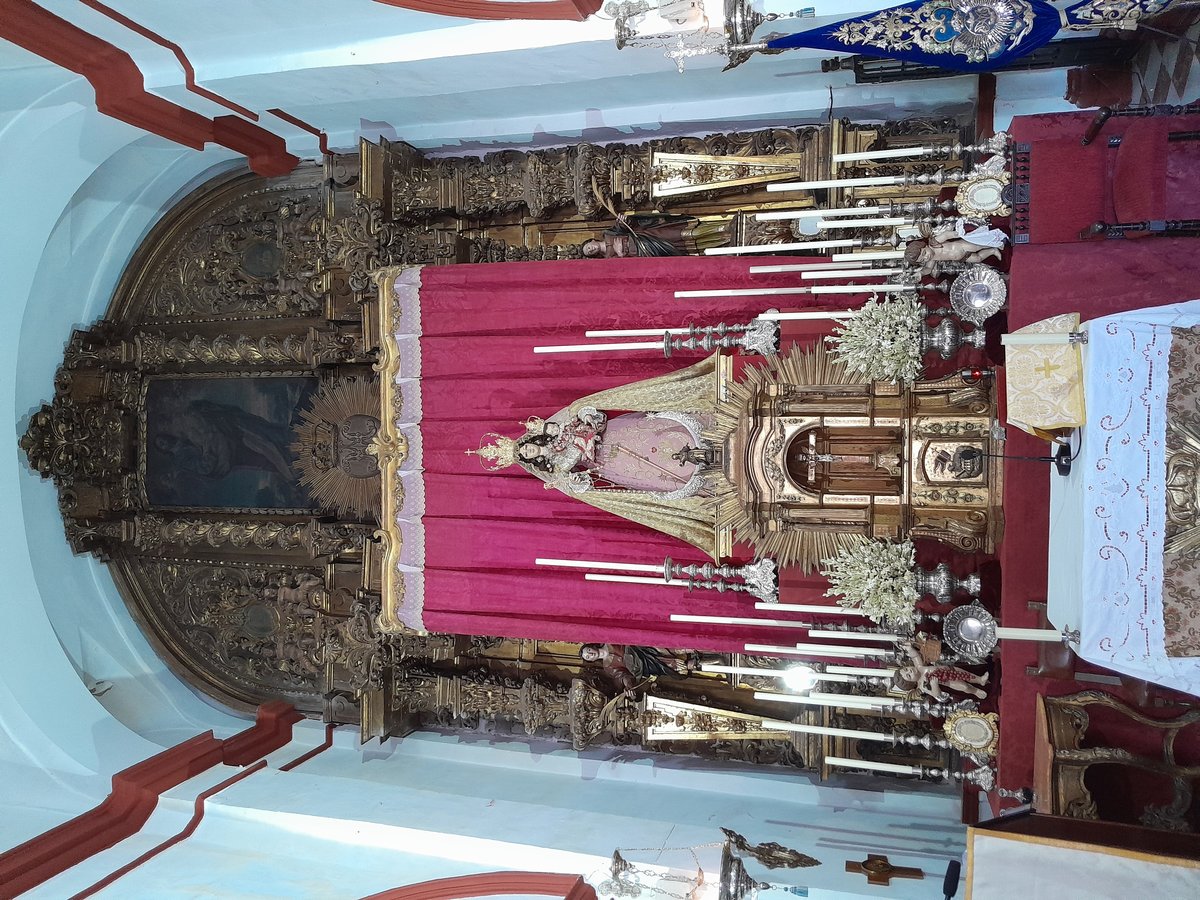
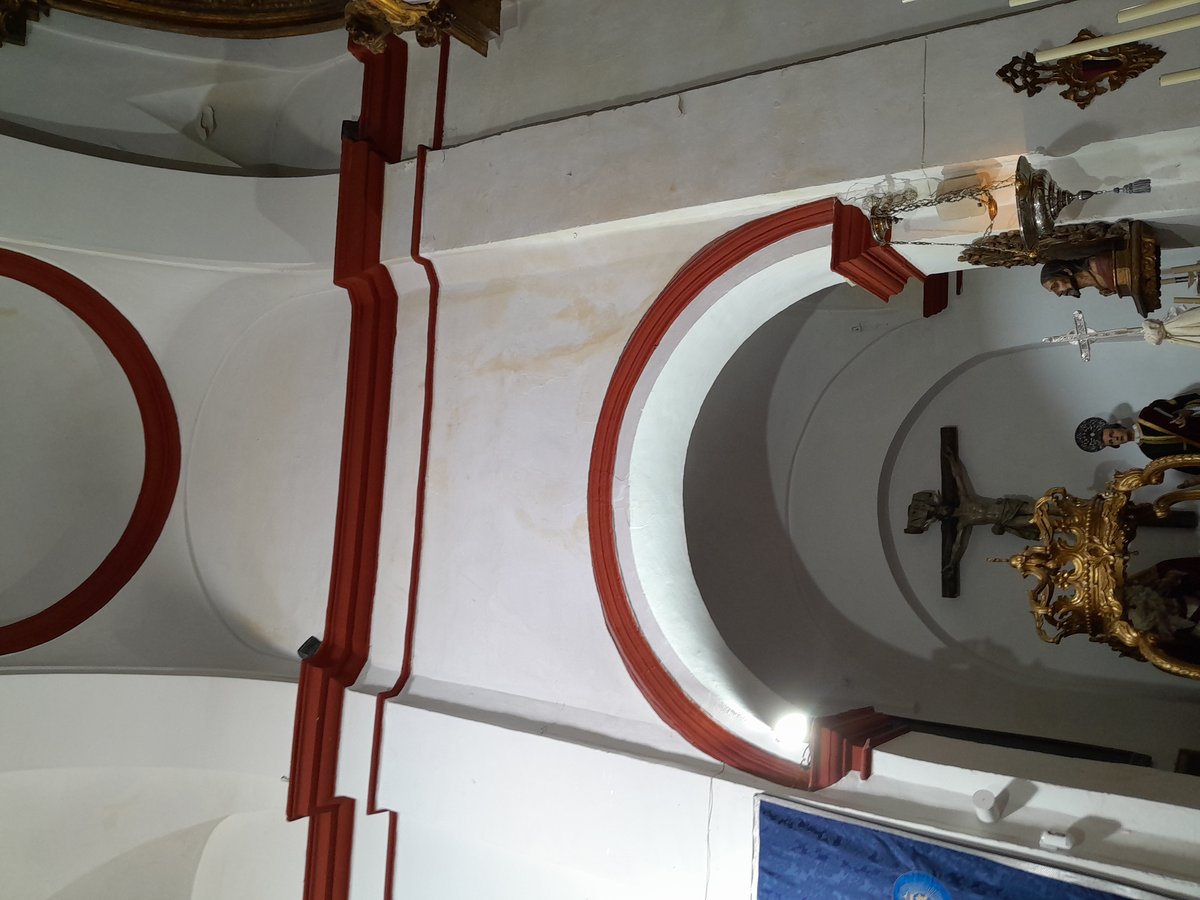
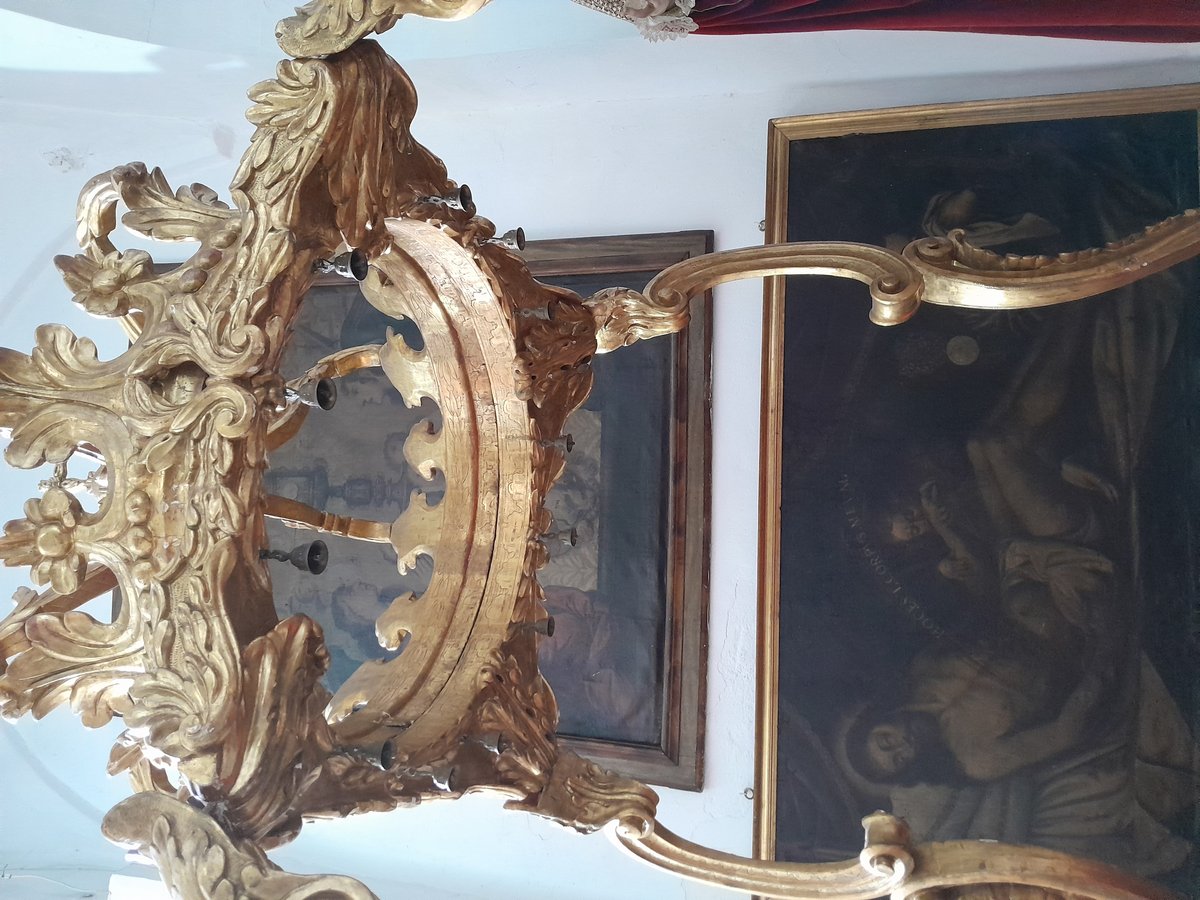
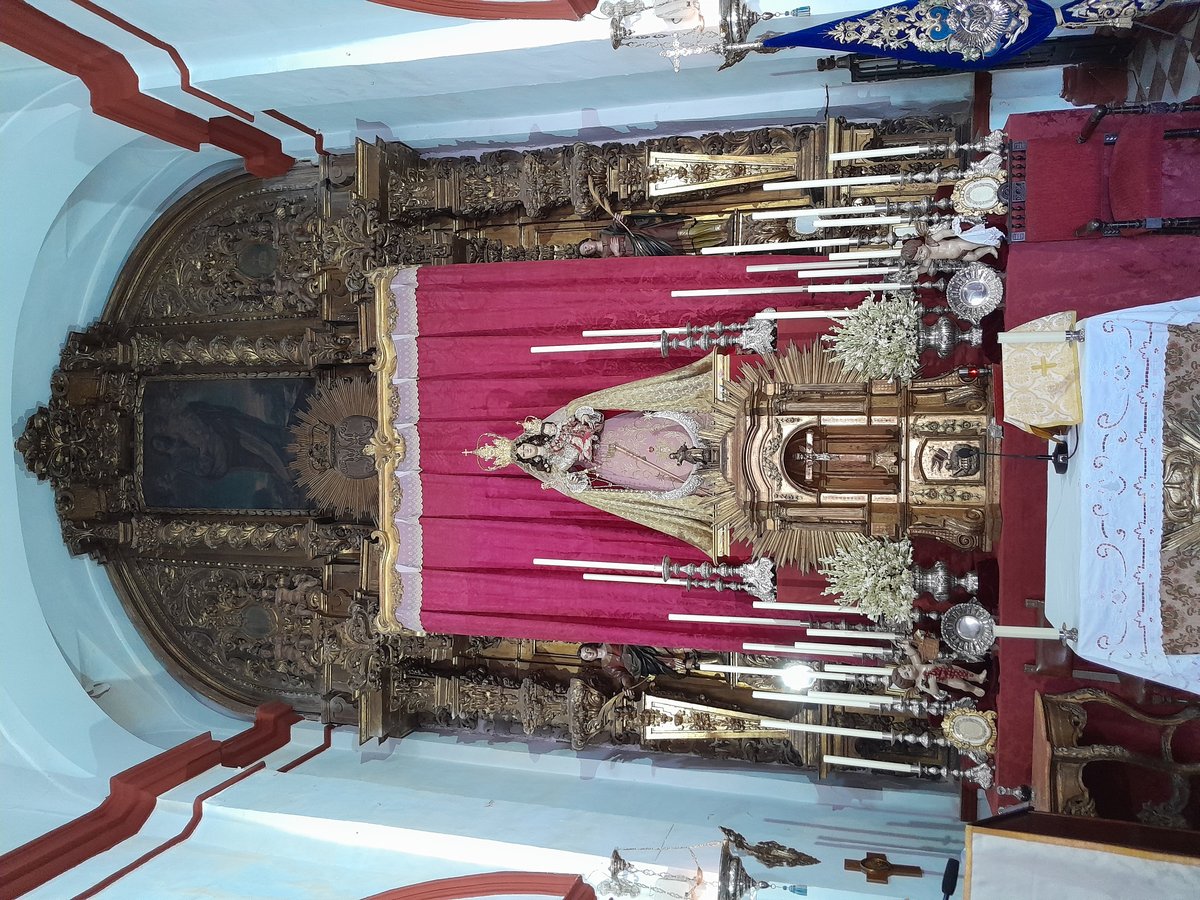
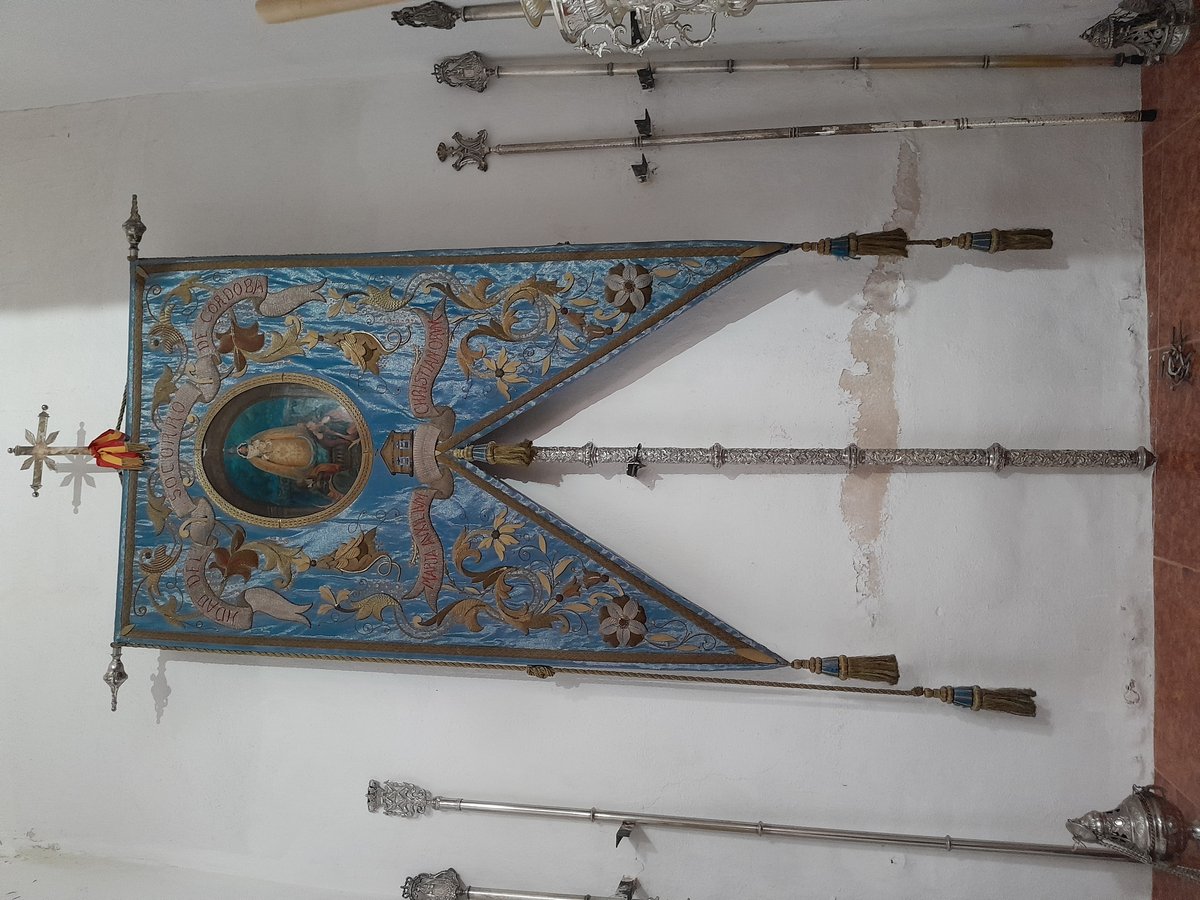
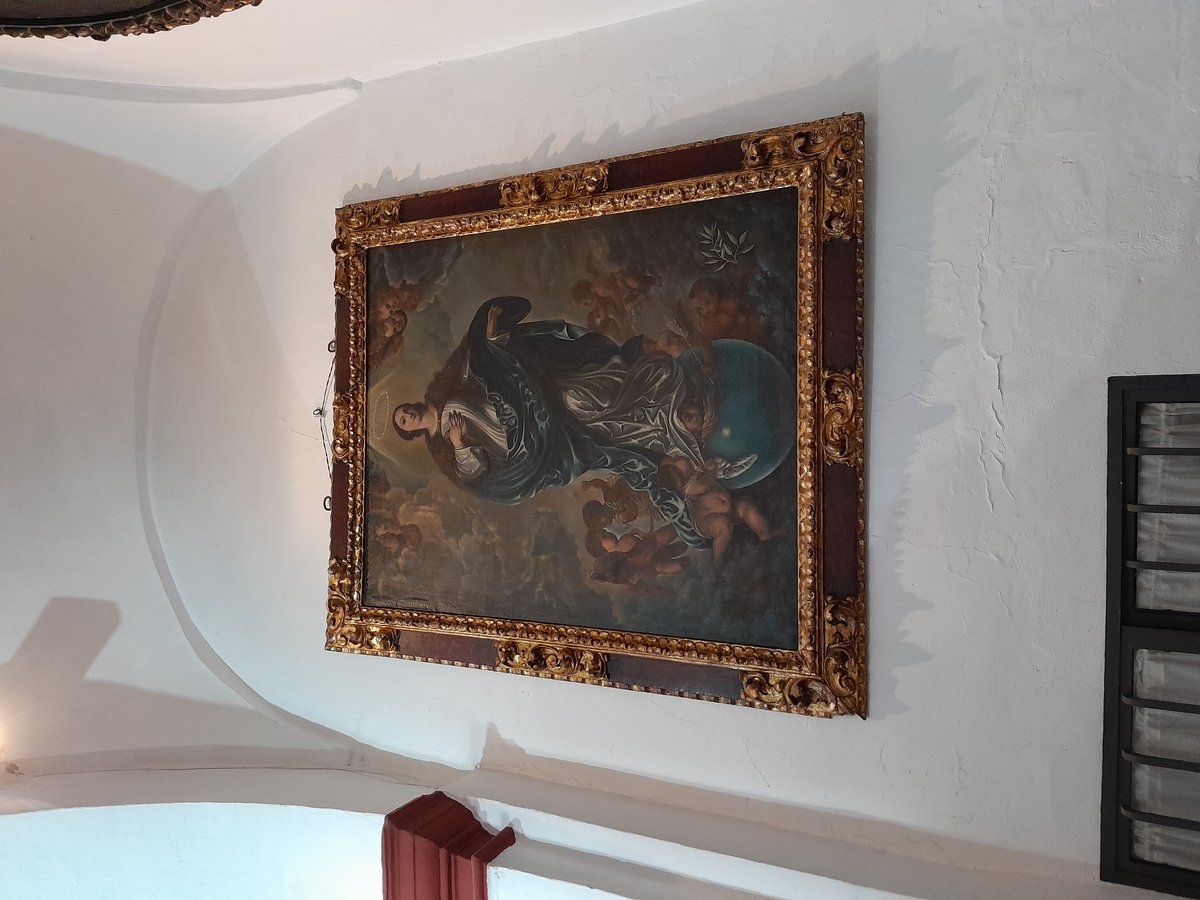
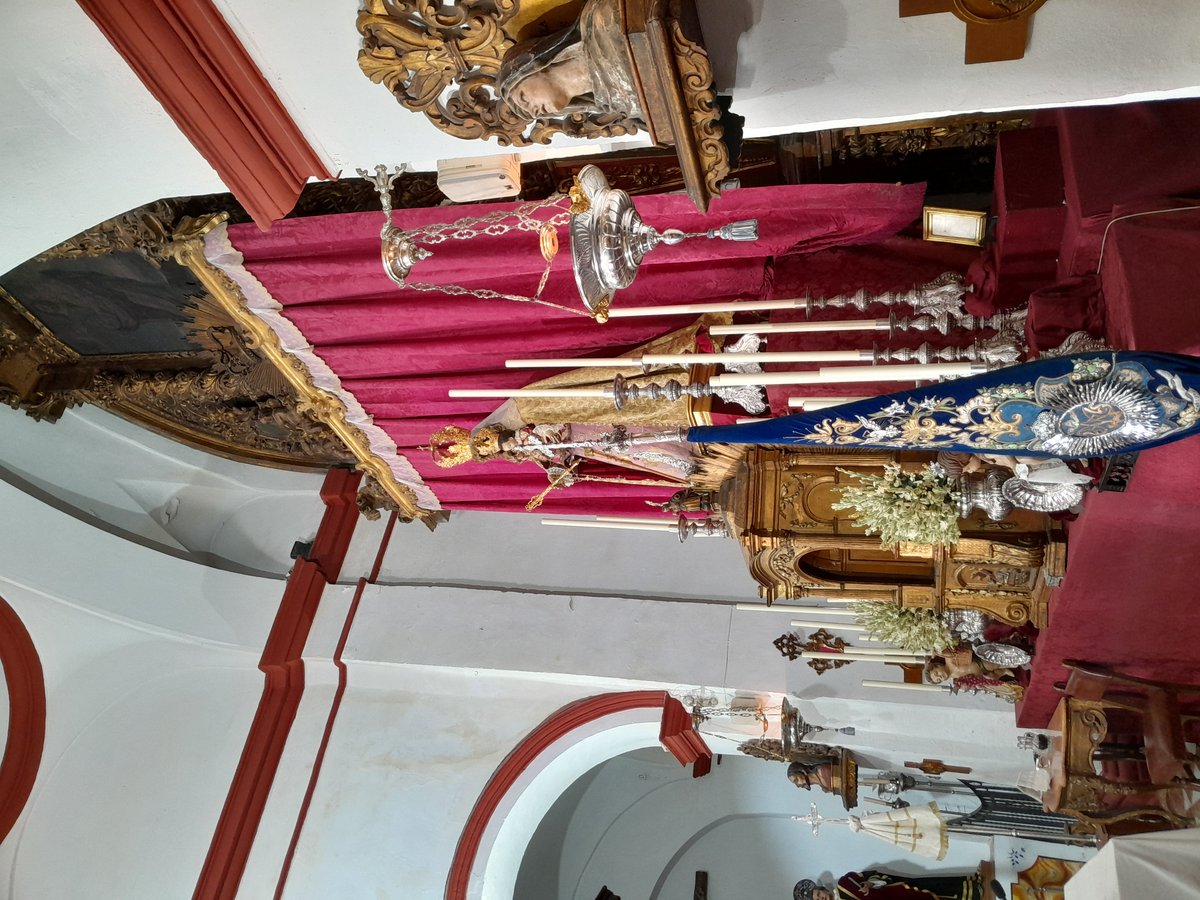
Inside, visitors find a single rectangular nave with whitewashed walls, a simple wooden ceiling, and traditional terracotta flooring. The main altar stands out with its gilded Baroque retablo, created in the early 18th century by Alonso Gómez Caballero. The revered polychrome wooden image of Nuestra Señora del Socorro, attributed to the 17th or early 18th century, forms the spiritual heart of the hermitage. The retablo, commissioned in 1718, showcases intricate woodwork, gilded cherubs, and Solomonic columns (artsandculture.google.com).
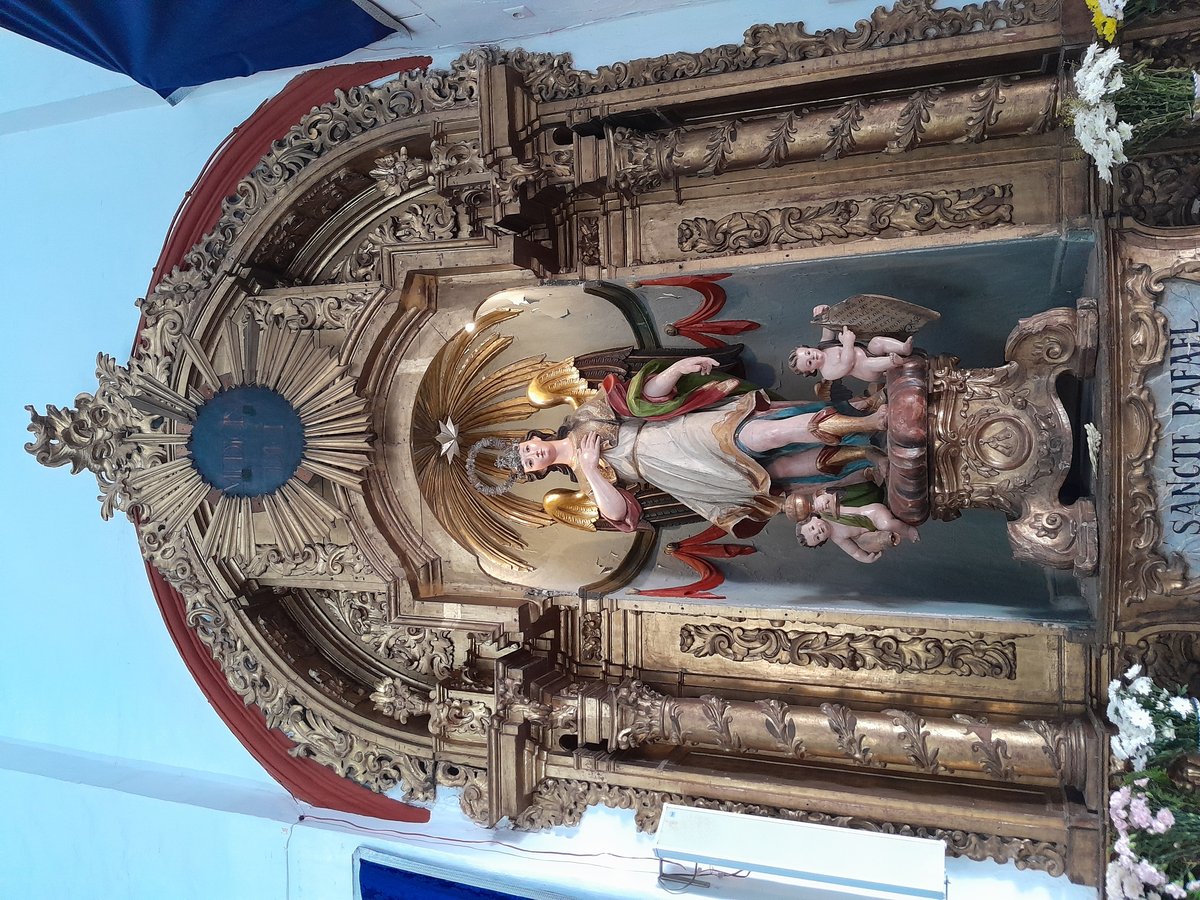
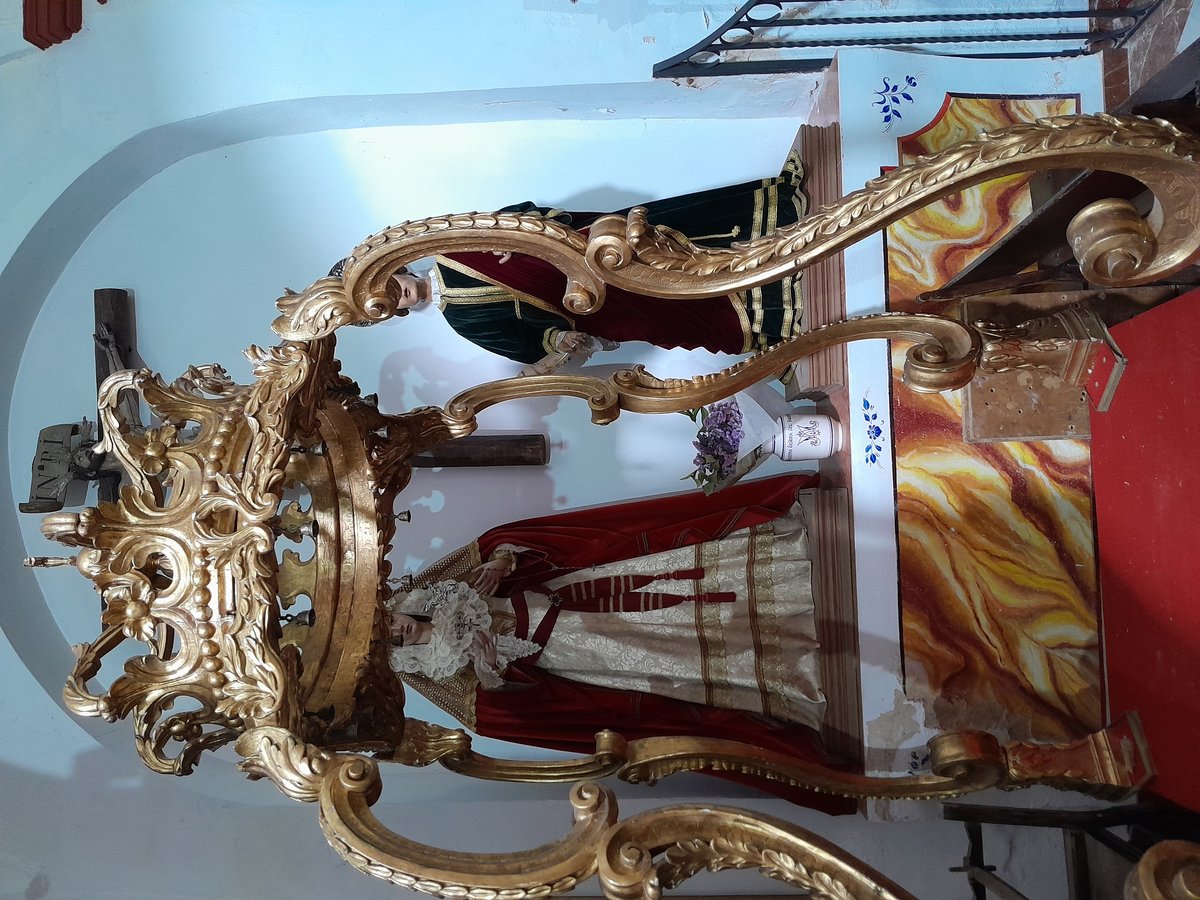
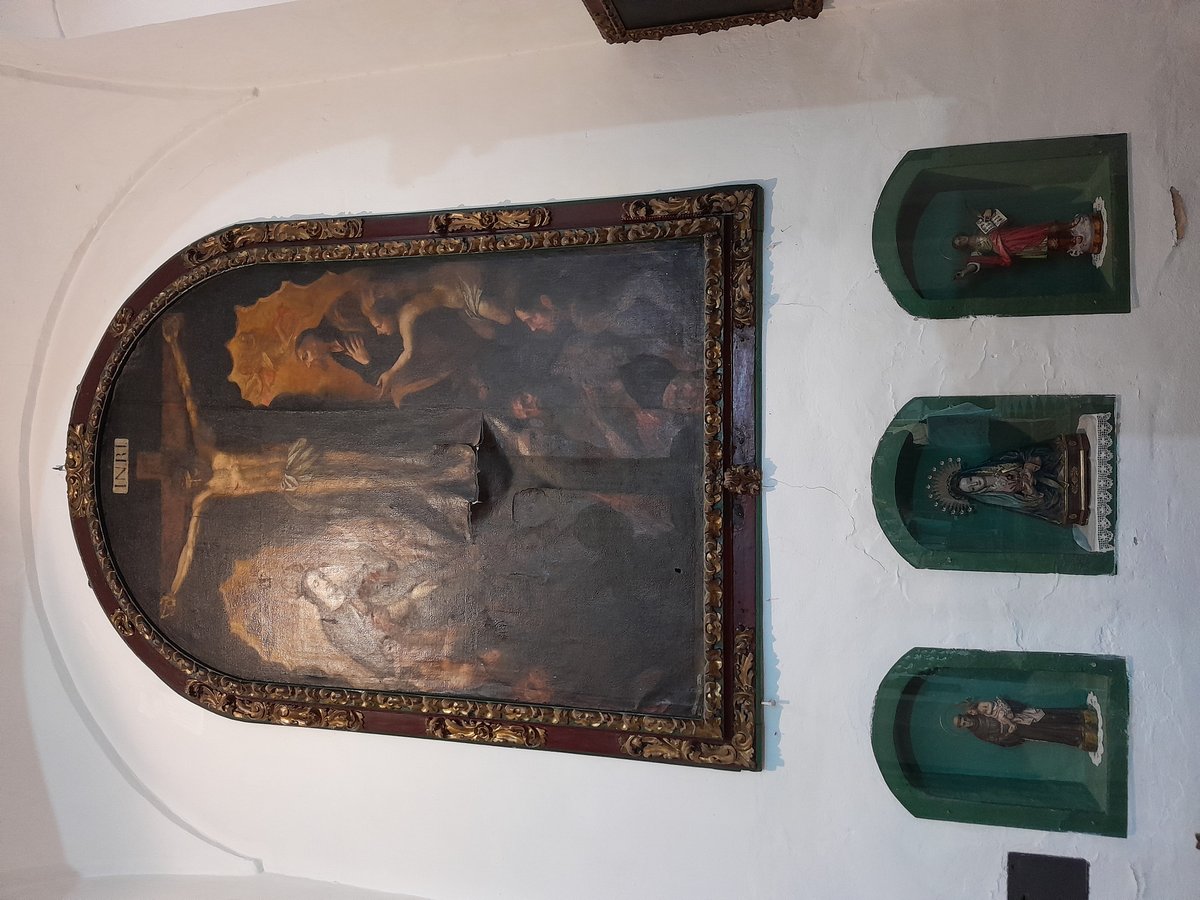
Small side altars and niches, dedicated to other saints, reflect local devotional practices. Lighting candles or leaving floral offerings in honor of the Virgin is a common act of reverence.
Religious and Cultural Significance
Marian Devotion and Brotherhood
The image of Nuestra Señora del Socorro—depicting the Virgin Mary holding the Child Jesus—has inspired deep devotion since the hermandad (brotherhood) was founded in 1695. The Hermandad del Socorro is among Córdoba’s oldest brotherhoods of “glory,” organizing processions, charitable works, and maintaining the spiritual vibrancy of the hermitage (artencordoba.com).
The crowning of the Virgin’s image in 2003, officiated by the papal nuncio, underscored its spiritual and cultural importance (abc.es).
Visiting Hours and Tickets
- General Hours: Open Tuesday through Sunday, 10:00 AM to 6:00 PM. Closed Mondays and select holidays.
- Admission: Free of charge; donations are encouraged to support ongoing conservation.
- Guided Tours: Available on weekends and by prior arrangement, offering in-depth insights into the hermitage’s art and history (artencordoba.com).
- Special Hours: Extended opening during major religious festivals, including the September procession.
Tip: Always verify current hours with the Córdoba Tourism Office or the hermandad before your visit, as hours may change for services or restoration.
Accessibility and Visitor Tips
- Location: Plaza del Socorro, just steps from Plaza de la Corredera. Central and easily accessible on foot from most city-center attractions (Diario Córdoba).
- Mobility: Street-level entrance with a small step; narrow cobblestone streets nearby may present challenges for wheelchair users. Contact the Tourism Office in advance for assistance.
- Dress & Etiquette: Modest dress is required (shoulders/knees covered, hats removed). Silence is appreciated during services, and photography may be restricted during liturgies.
- Best Times: To avoid crowds and heat, visit on weekday mornings or late afternoons, outside major festivals (CN Traveller).
Religious Events and Community Life
- Annual Procession: The highlight is the grand procession of Nuestra Señora del Socorro on the last Sunday of September, with the image carried through historic streets accompanied by music and crowds (Diario Córdoba).
- Triduum and Besamanos: In September, a three-day devotional series and the besamanos (kissing of the Virgin’s hand) draw large numbers of faithful.
- Charity: Festival offerings of food and hygiene supplies are distributed to local charities and convents.
- Regular Worship: Masses and devotional prayers are held throughout the year, and the Niño Jesús is displayed for veneration each Christmas.
Nearby Attractions
- Plaza de la Corredera: Iconic 17th-century square with cafés, tapas bars, and shops.
- Mercado Central: A bustling market adjacent to the hermitage, ideal for local food and crafts.
- Mezquita-Catedral: Córdoba’s most renowned historical landmark, a 10–15 minute walk away.
- Alcázar de los Reyes Cristianos: Royal fortress with stunning gardens and Roman mosaics.
- Jewish Quarter (Judería): Labyrinthine streets, whitewashed patios, and the historic synagogue.
(Travelpander; Turismo de Córdoba)
Visitor Facilities and Safety
- Facilities: The hermitage itself has minimal visitor amenities (no restrooms or cloakrooms). Public restrooms are available in the Mercado Central and nearby venues.
- Tourist Information: The main Córdoba Tourist Office is within walking distance, offering maps and assistance in multiple languages.
- Safety: Following urgent restoration after storm damage in 2024, the building is now structurally sound and open for visitors. Always respect cordoned-off areas and any safety instructions (ABC Córdoba).
Frequently Asked Questions (FAQ)
Q: Are tickets required to visit the Ermita del Socorro?
A: No, entry is free; donations are welcome.
Q: What are the Ermita del Socorro visiting hours?
A: Typically, Tuesday to Sunday from 10:00 AM to 6:00 PM. Hours may vary during festivals or restoration; always confirm in advance.
Q: Is the Ermita del Socorro wheelchair accessible?
A: Access is partially accessible; the entrance is at street level with a small step. Nearby streets may be challenging for wheelchairs.
Q: Can I take photographs inside the hermitage?
A: Generally yes during non-service times; restrictions apply during liturgies.
Q: Are guided tours available?
A: Yes, on weekends and by prior arrangement, including in English and Spanish.
Q: What are the best times to visit for religious events?
A: The last Sunday of September for the grand procession, and during the triduum in early September.
Listen to the full story in the app
The whole Ermita Del Socorro,
told well.
Listen to sourced travel stories with local history and practical context — ready offline.
Verified, and shown.
Researched and written by the Audiala editorial team from historical records, architectural archives, and local expertise.
Built from cited sources · see the method · How we make our guides →