
Historical Foundations and Civic Role
Origins and Media Influence
Founded on July 25, 1941, as the successor to the Falangist newspaper Azul, Diario Córdoba's headquarters have long been a civic and historical anchor in the city. Initially part of Spain’s state-controlled press during the Francoist era, Diario Córdoba was the city’s only daily paper for decades (Wikipedia). Following Spain's transition to democracy, the newspaper shifted to independent ownership, reflecting broader changes in the country’s media landscape. By the late 20th century, the Edificio Diario Córdoba continued to serve as a hub for news production and civic discourse, even as new competitors emerged and digital media began to transform the industry.
Societal Impact
Throughout its history, Edificio Diario Córdoba has chronicled Córdoba’s evolution, from post-war reconstruction to the democratic transition and the recognition of Córdoba’s historic center as a UNESCO World Heritage Site. The building’s archives offer a window into the city’s past, and its editorial work has contributed to civic identity and pride (turismodecordoba.org).
Architectural and Urban Significance
Design and Context
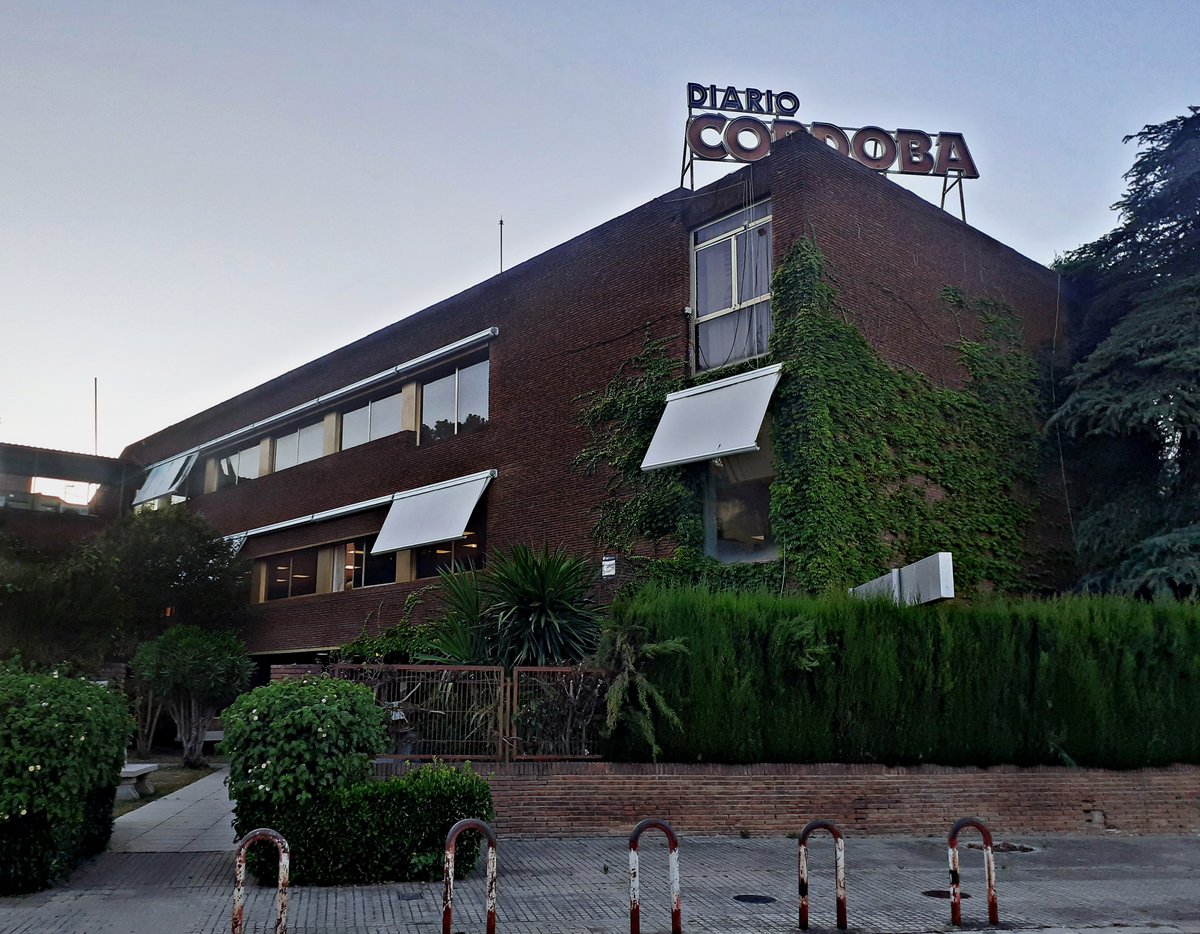
Edificio Diario Córdoba is a notable example of mid-20th-century rationalist architecture, focusing on functionality and accessibility. Its clean lines, modern materials, and restrained decorative approach contrast with the ornate historical landmarks of Córdoba (ArchDaily). The building is strategically located, bridging the historic core and modern neighborhoods and complementing its urban surroundings (UNESCO Urban Heritage Atlas).
Integration and Accessibility
The building’s scale respects its context, ensuring it does not overshadow adjacent structures. Modern construction techniques allow for open-plan interiors, suitable for the dynamic needs of a newsroom. Its proximity to major civic institutions and ease of access by public transportation reinforce its role as a civic landmark (OVPM).
Preservation and Adaptation
Recent efforts have focused on preserving and adapting Edificio Diario Córdoba for contemporary use, including infrastructure upgrades and accessibility improvements. The building continues to serve as a hub for information and community engagement, reflecting the city’s commitment to integrating modernity and tradition.
Visiting Edificio Diario Córdoba: Hours, Tickets, and Tips
Visiting Hours and Admission
- Visiting Hours The building operates primarily during standard business hours (Monday–Friday, 9:00 AM–6:00 PM). Interior access is generally limited to special events or by appointment.
- Tickets No ticket is required to view the exterior. Interior visits, when available during special events or open days, may require prior arrangement or free tickets (official Córdoba cultural agenda).
- Accessibility The site is centrally located and accessible by foot, bus, or taxi. The building and its surroundings accommodate visitors with reduced mobility, but confirm interior accessibility for special events.
Tips for Visitors
- Best Times Mornings or early afternoons on weekdays are ideal for exterior visits and photography.
- Photography Exterior photography is welcomed; for interior shots, seek permission during special events.
- Facilities While the building itself lacks visitor amenities, the area is filled with cafés, restaurants, and public restrooms.
Nearby Historical and Cultural Attractions
Within walking distance of Edificio Diario Córdoba, visitors can explore:
- Mezquita-Catedral de Córdoba The city’s iconic UNESCO World Heritage mosque-cathedral (Mezquita-Catedral de Córdoba).
- Roman Temple Ancient ruins near City Hall.
- Jewish Quarter (La Judería) Picturesque streets with historic sites and artisan shops (Voyage Tips).
- Alcázar de los Reyes Cristianos Fortress-palace with gardens (Alcázar Official Site).
- Palacio de Viana Famous for its patios and gardens.
- Plaza de las Tendillas Central square for shopping and relaxation.
- Local Markets Zoco Municipal de Artesanía for crafts and souvenirs.
Day trips to the archaeological site of Madinat al-Zahra are also recommended.
FAQ
Can I visit inside Edificio Diario Córdoba?
Interior access is usually restricted; check the official website or cultural agenda for special events or tours.
Are tickets required?
No ticket is needed for the exterior. Special events may offer free or included tickets.
Is the building accessible?
Yes, the area and building are generally accessible; confirm specifics for events.
Is photography allowed?
Yes, outside. For interior photography during events, confirm permissions.
What other attractions are nearby?
The Mezquita-Catedral, Roman Temple, Jewish Quarter, Alcázar de los Reyes Cristianos, Palacio de Viana, and more.
Tips and Additional Information
- Transport The building is close to Córdoba’s main train station and served by local buses. Public parking is available nearby.
- Language/Currency Spanish is predominant; English is understood in tourist areas. Currency is the Euro (€).
- Climate Summers are hot—bring water, sunscreen, and comfortable shoes.
- Tourist Info The Córdoba Tourist Office is nearby for maps and assistance.
Cultural and Social Role
Edificio Diario Córdoba not only chronicles the city’s political and cultural life but also supports local initiatives, educational outreach, and social causes (Diario Córdoba). The building’s events and community activities foster dialogue, pride, and participation, making it a living part of Córdoba’s ongoing story.
Discover More
Edificio Diario Córdoba is more than a newspaper headquarters—it is a vibrant symbol of Córdoba’s evolution, civic spirit, and architectural progression. While routine interior visits are limited, its façade and central location make it a must-see for anyone exploring the city’s historic and modern identity.
For up-to-date visiting information, special event schedules, and guided tours, consult the official website or the Córdoba cultural agenda. Enhance your experience by using the Audiala app for guided tours and real-time updates, and follow city channels for the latest news and travel tips.