Plan and listen to Colegio La Aduana with Audiala.
Audio guide in your pocket, itinerary in your browser. Built for the way you actually visit.
Introduction: Colegio La Aduana and Its Significance in Córdoba
Córdoba, situated in the heart of Andalusia in southern Spain, is a city renowned for its rich tapestry of history and architecture. As a UNESCO World Heritage site, Córdoba invites visitors to explore centuries of cultural evolution, evident in its iconic landmarks and intricate urban design. From the awe-inspiring Mezquita-Catedral—a unique fusion of Islamic and Christian architecture—to the imposing Alcázar de los Reyes Cristianos and the maze-like Jewish Quarter, Córdoba encapsulates the enduring legacies of Roman, Islamic, Jewish, and Christian civilizations.
Nestled among these storied monuments is Colegio La Aduana, a mid-20th-century modernist school building that stands as a testament to Córdoba’s commitment to educational and architectural innovation. Built in 1956 as a Jesuit novitiate, Colegio La Aduana exemplifies the principles of Spanish Modernist design, harmonizing functional form with the natural beauty of the Sierra de Córdoba. Although it remains an active school with restricted public access, its exterior and grounds offer an intriguing glimpse into the city’s modern architectural heritage.
This comprehensive guide provides essential information on Córdoba’s must-see historical sites, focusing on visiting hours, ticketing, accessibility, and special events for major attractions—including the Mezquita-Catedral, Alcázar de los Reyes Cristianos, the Jewish Quarter, and Colegio La Aduana. Whether you are captivated by Roman engineering, Islamic artistry, or modernist design, this article supplies practical advice and cultural context to help you make the most of your visit. For the latest updates, consult official resources like the Mezquita-Catedral website, Colegio Público La Aduana website, and reputable travel platforms (Kurby Blog; Diario Córdoba).
Discover Córdoba: A Journey Through History and Architecture
Córdoba’s history is written in its streets, monuments, and neighborhoods—each era leaving an indelible mark on the city’s identity. This guide takes you through Córdoba’s evolving architectural landscape, offering insight into its Roman, Islamic, Christian, and modern chapters, and provides practical details for making your visit seamless and rewarding.
Roman Origins and Early Development
Founded in the 2nd century BCE as a Roman settlement, Córdoba rose to prominence as a key administrative center in Hispania Ulterior. The Romans established the city’s grid-like street pattern, built enduring infrastructure such as the Puente Romano (Roman Bridge), and introduced monumental forums, temples, and baths (Kurby Blog). This foundational period attracted merchants, artisans, and scholars, setting the stage for Córdoba’s future as a cosmopolitan metropolis.
Islamic Golden Age and Umayyad Transformation
Córdoba reached its zenith in the 8th–10th centuries as the capital of Al-Andalus under the Umayyad dynasty. The city became a beacon of culture, learning, and religious coexistence, with a population that rivaled the largest cities in Europe (GoNOMAD Travel). The construction of the Great Mosque (Mezquita) showcased the artistic and engineering prowess of Islamic Córdoba, while palaces, gardens, and public baths reflected the city’s commitment to civic life. During this era, Jewish and Christian communities flourished alongside Muslims, contributing to the city’s unique multicultural fabric (Kurby Blog).
The Reconquista and Christian Reconfiguration
The Christian conquest in 1236 CE ushered in a new era of architectural transformation. The Mezquita was converted into a cathedral, blending Gothic, Renaissance, and Baroque elements with its original Islamic design (Kurby Blog). New churches, convents, and the Alcázar de los Reyes Cristianos were constructed, incorporating Moorish-inspired features into Christian architecture (GoNOMAD Travel). The city’s fortifications and administrative buildings were further developed, affirming Córdoba’s role as a regional power.
The Role of Colegio La Aduana in Córdoba’s Urban Fabric
Colegio La Aduana stands out as a representative of Córdoba’s 20th-century architectural evolution. Its name (“Aduana” means “customs house”) hints at the city’s commercial legacy, but its current function as an educational institution highlights Córdoba’s adaptive reuse of historical structures. Built in 1956 as a Jesuit novitiate, the school reflects postwar priorities of health, function, and integration with the environment while respecting the city’s historical continuity (Kurby Blog).
Multicultural Influences and Architectural Syncretism
Córdoba’s built environment showcases centuries of multicultural coexistence. Roman bridges, Islamic arches, Gothic steeples, and Renaissance courtyards coexist in harmony (Kurby Blog). The Jewish Quarter, with its narrow alleys and preserved synagogue, embodies Sephardic heritage, while the presence of churches and Islamic motifs throughout the city reflects Córdoba’s layered history.
Practical Visitor Information: Hours, Tickets, and Tours
Mezquita-Catedral de Córdoba
- Visiting Hours: 10:00 AM–7:00 PM (seasonal variations apply)
- Tickets: €11 (general), with discounts for students, seniors, and groups
- Guided Tours: Offered on-site and online; highly recommended
- Tips: Online booking is advised; photography (no flash) allowed
Alcázar de los Reyes Cristianos
- Hours: 8:30 AM–8:30 PM (summer); 8:30 AM–6:30 PM (winter); closed Mondays
- Tickets: €5 (general), discounts for youth and residents
Jewish Quarter and Synagogue
- Hours: 10:00 AM–6:30 PM
- Tickets: Around €4
Colegio La Aduana
- Hours: As an active school, interior access is restricted. The exterior and grounds are generally viewable from 9:00 AM–6:00 PM.
- Tickets: No fee for exterior visits
- Special Events: Check Colegio Público La Aduana website for updates
Accessibility
Most major sites are equipped for wheelchair access, though the historic center features cobblestone streets and narrow passages. Consult official sites for detailed accessibility information.
Nearby Attractions
Enhance your visit by exploring Córdoba’s markets, artisan boutiques, and the famous Andalusian patios. The Roman Bridge at sunset and the Jewish Quarter’s winding streets are especially photogenic.
Modern Preservation and Urban Integration
Córdoba’s commitment to heritage preservation is clear in its careful restoration of historic monuments and sensitive integration of modern architecture. Institutions like Colegio La Aduana demonstrate how contemporary needs can coexist with the city’s storied past, maintaining architectural harmony and educational purpose (Kurby Blog).
Frequently Asked Questions (FAQs)
When should I visit Córdoba’s historical sites?
Early morning or late afternoon are best for avoiding crowds and capturing beautiful light.
Can I purchase combined tickets?
Yes, some passes provide entry to multiple monuments.
Are tours available in multiple languages?
Most major sites offer tours in English, Spanish, and other languages.
Is photography allowed in the Mezquita?
Yes, but flash is not permitted.
How can I visit Colegio La Aduana?
The school is centrally located and accessible on foot or by public transport. Check the website for event-based open days.
In-Depth: Visiting Colegio La Aduana
Architectural Origins and Historical Context
Colegio La Aduana was built in 1956 as the Noviciado San Francisco de Borja, under Francisco Cuenca Horcas and architect Carlos Sáenz de Santamaría. It embodies Modernist principles with an emphasis on functional, healthful educational spaces, and integrates seamlessly with the surrounding pine forest (Diario Córdoba).
Recognition and Conservation
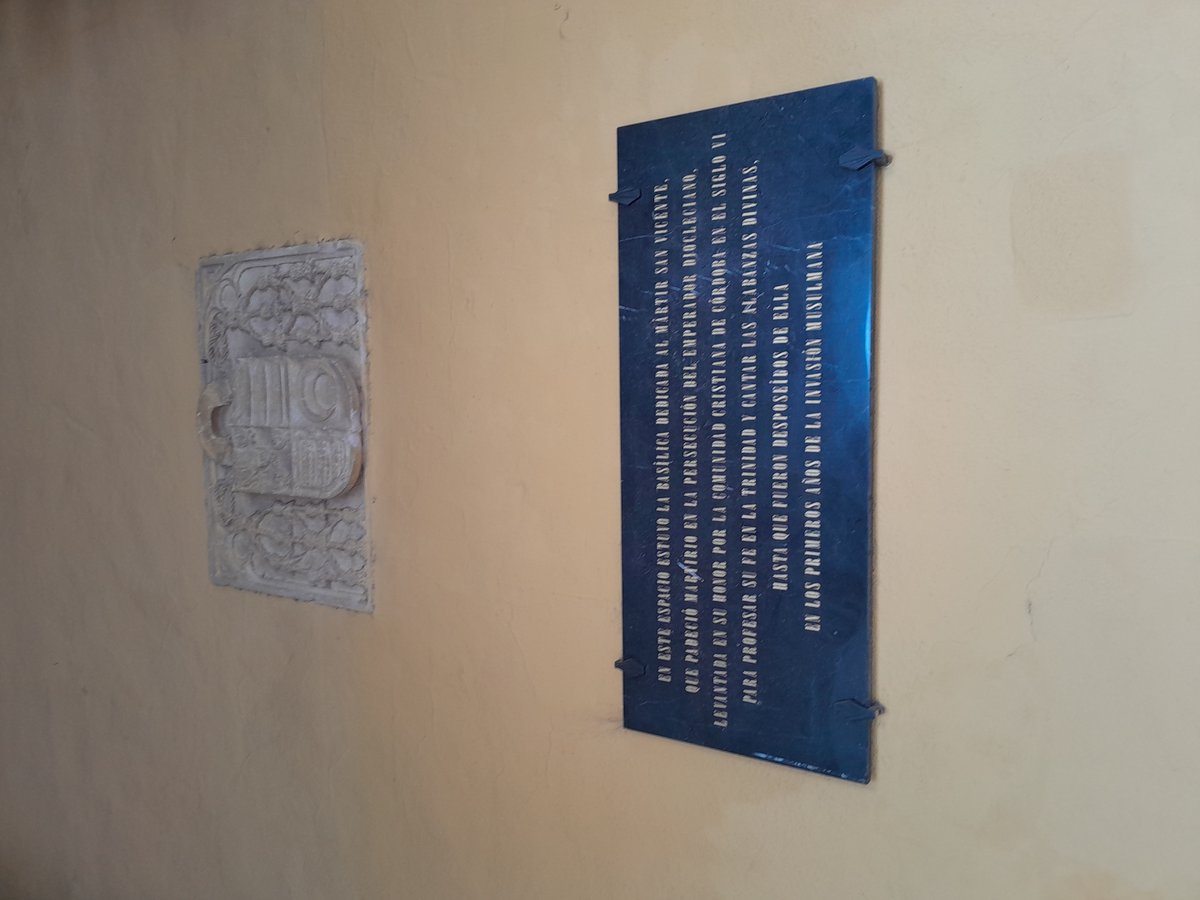
In 2017, the Colegio de Arquitectos de Córdoba and Fundación Docomomo Ibérico commemorated La Aduana’s architectural significance, awarding it a plaque and recognizing it as a heritage site (Diario Córdoba).
Visiting Information
- Hours: Exterior and grounds accessible 9:00 AM–6:00 PM; interior access is restricted.
- Fees: Free to view exterior
- Accessibility: Reachable by car or public transport; grounds are suitable for visitors with mobility needs
- Updates: Visit the official website
Site Layout and Features
Spanning 21,000 square meters, La Aduana features bright, high-ceilinged classrooms, spacious halls, and terraces that invite natural light. Constructed of concrete, stone, and brick, the building’s minimalist design and open corridors reflect Modernist ideals (Diario Córdoba).
Visitor Experience and Nearby Sights
While interior visits are limited, the campus offers a tranquil setting for architecture enthusiasts and photographers. The site’s proximity to Córdoba’s major landmarks makes it a worthwhile addition to any itinerary.
Guided Tours and Events
Occasional guided tours and cultural events are offered—check the school’s website or local tourism offices for announcements.
Visuals and Media
High-quality images and virtual tours are available on the school’s website and cultural heritage platforms, providing virtual access to La Aduana’s architecture.
FAQ
Can I enter the building?
No, interior access is limited to school operations and special events.
Is there a fee?
No, exterior visits are free.
How do I get there?
Accessible by car or public transport from the city center; parking is available.
Is it photogenic?
Yes, especially the exterior and natural surroundings.
Are there guided tours?
Rare, but sometimes offered during special events. Check local listings.
Mezquita-Catedral: Hours, Tickets, and Tips
- Hours: Monday–Saturday 10:00 AM–7:00 PM; Sundays/holidays 8:30 AM–11:30 AM and 3:00 PM–7:00 PM
- Tickets: €11 (adults), €6 (EU residents 18–25), free for children under 10
- Accessibility: Wheelchair accessible; assistance available
- Travel Tips: Visit early or late for a quieter experience; photography (no flash) allowed; guided tours enhance your understanding
- Official Info: Mezquita-Catedral website
- Feria de los Patios details: Córdoba Tourism
Alcázar de los Reyes Cristianos: Hours, Access, and Highlights
- Hours: Tuesday–Sunday 8:30 AM–8:30 PM (April–September); 8:30 AM–6:30 PM (October–March); closed Mondays
- Tickets: €5 general; €3 reduced; free for children under 16 and residents
- Accessibility: Central location; ramps and adapted facilities available
- Highlights: Lush gardens, panoramic towers, archaeological museum, Moorish baths
- Nearby: Mezquita-Catedral, Roman Bridge, Jewish Quarter
Summary: Key Visitor Tips
Córdoba’s unique blend of Roman, Islamic, Christian, and modern influences is visible in every corner of the city. From the breathtaking Mezquita-Catedral and Alcázar de los Reyes Cristianos to the peaceful grounds of Colegio La Aduana, visitors encounter a living history shaped by centuries of cultural exchange. Understanding the city’s past and reviewing practical details on tickets, hours, and accessibility ensures a rewarding visit.
To stay updated, use official sites, local tourism offices, and tools like the Audiala app for real-time information, guided tours, and insider recommendations.
Listen to the full story in the app
The whole Colegio La Aduana,
told well.
Listen to sourced travel stories with local history and practical context — ready offline.

Verified, and shown.
Researched and written by the Audiala editorial team from historical records, architectural archives, and local expertise.
Built from cited sources · see the method · How we make our guides →