Plan and listen to City Walls Of Córdoba with Audiala.
Audio guide in your pocket, itinerary in your browser. Built for the way you actually visit.
Introduction
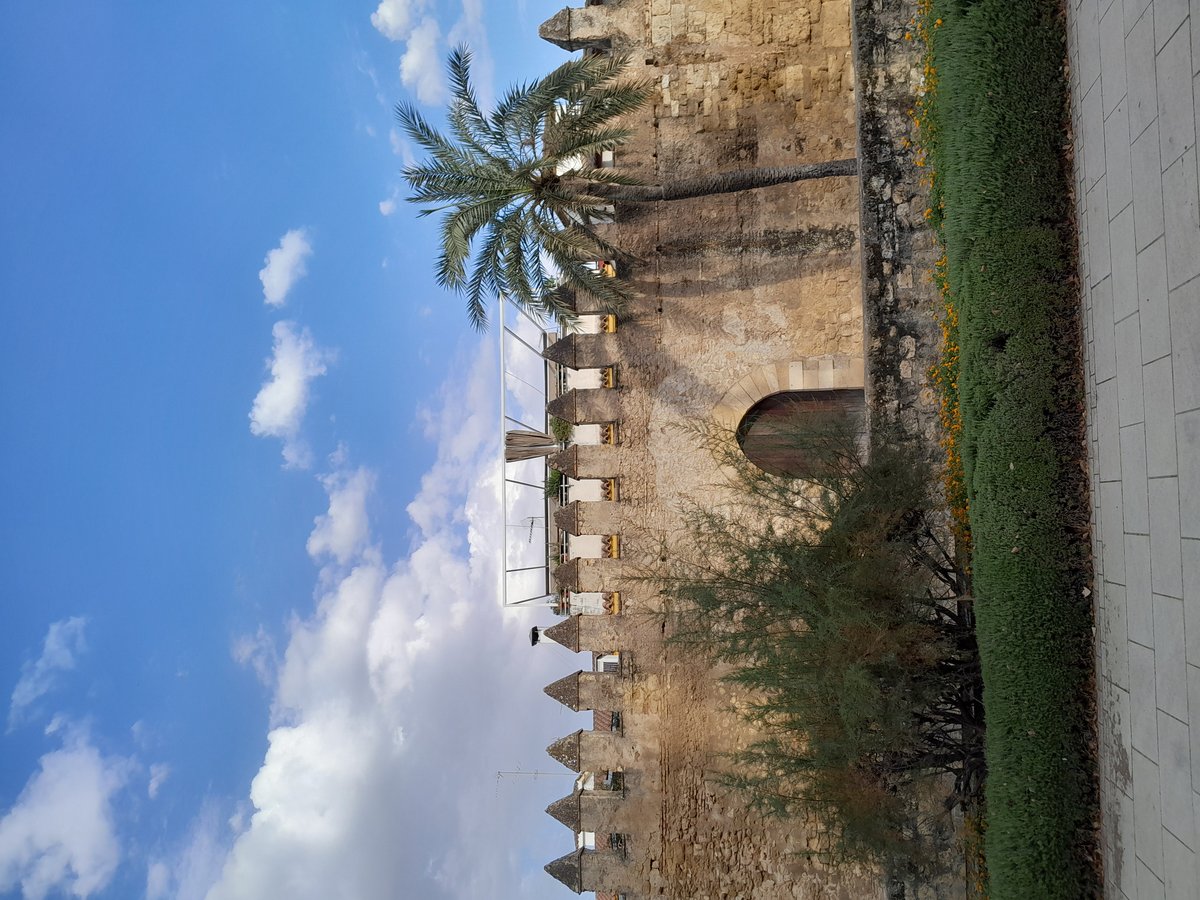
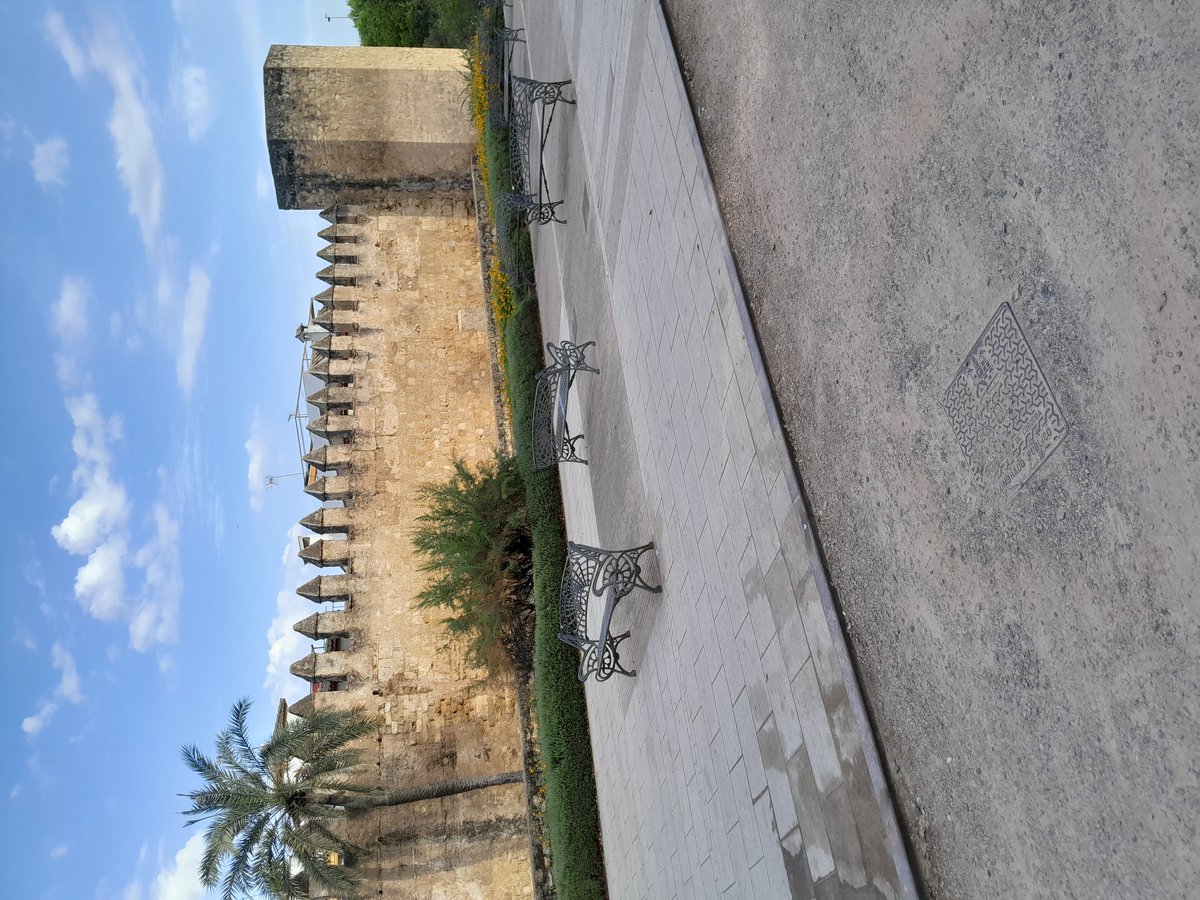
The City Walls of Córdoba are a living testament to the city’s layered past, standing as monumental witnesses to the evolution of Córdoba from a Roman provincial capital to a flourishing Islamic metropolis and later a key center of Christian Spain. Encircling the UNESCO World Heritage historic center, these fortifications showcase a unique blend of Roman engineering, Islamic artistry, and Christian fortification techniques. Today, they provide visitors with a tangible connection to two millennia of history, inviting exploration, reflection, and admiration.
This guide offers detailed, practical information for visiting the City Walls of Córdoba—including opening hours, ticket prices, accessibility, guided tours, and the best photo spots—while providing context on their historical, cultural, and architectural significance. Whether you are a history enthusiast or a cultural traveler, this resource will help you make the most of your journey along one of Andalusia’s most iconic landmarks. For up-to-date details, consult official platforms such as the Córdoba Tourism Website and UNESCO, as well as specialized guides like Itinerartis.

Roman Foundations and Early Development
The origins of the City Walls of Córdoba date back to 206 BCE, when the Romans established Corduba as a provincial capital. Their initial construction spanned approximately 2,650 meters, featuring robust limestone walls with semicircular towers for defense. These fortifications were so integral to city life that unauthorized access was considered a capital offense (Wikipedia; Itinerartis; Infocordoba).
Imperial and Medieval Expansion
Under Emperor Augustus, Córdoba was further fortified, with the southern wall extended towards the Guadalquivir River. Even after the fall of Rome, the Visigoths and briefly the Byzantines maintained the defensive structures, underscoring their lasting importance (Visit Andalucia).
Islamic Golden Age and Christian Reconquest
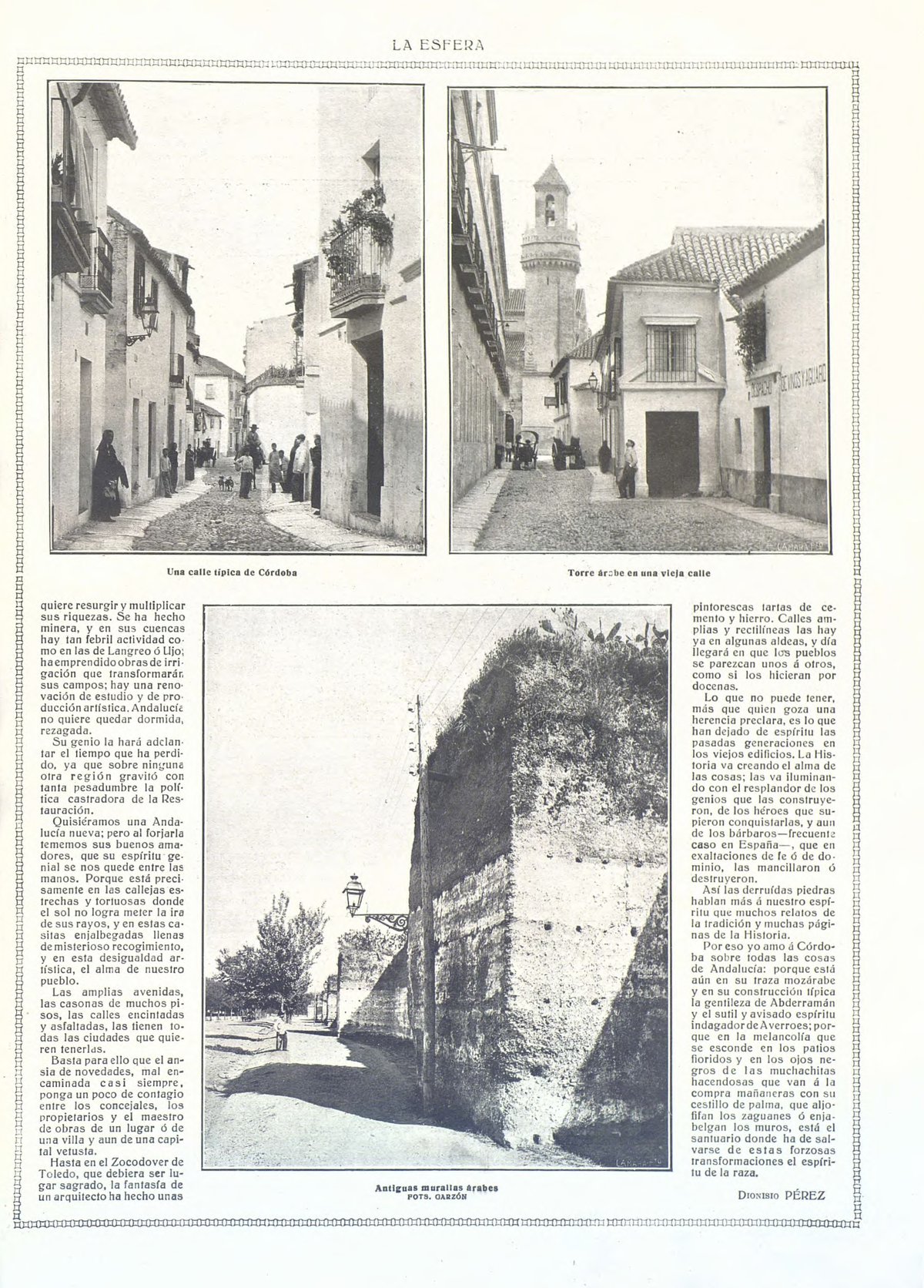
With the Muslim conquest in 711 CE, Córdoba became the capital of Al-Andalus. The city walls were expanded and enhanced using advanced Islamic construction techniques—such as tapial (rammed earth)—and new towers and gates were added. The Caliphate period saw the city’s golden age, with the walls protecting a thriving cultural and economic center (Itinerartis). Following the Christian reconquest in 1236, new fortifications were integrated, and existing walls were adapted, blending Islamic and Christian architectural influences (Oway Tours).
Decline and Modern Preservation
In the 19th century, urban development and the Napoleonic invasion led to the demolition of significant wall sections. Nevertheless, key segments, gates, and towers survive today, thanks to conservation efforts that have preserved approximately 1,200 meters of the original circuit (Nomads Travel Guide).
Architectural Highlights
Defensive Features: Gates, Towers, and Bastions
- Puerta de Almodóvar: The best-preserved medieval gate, located at the western edge of the Jewish Quarter. Its crenellated design is an excellent example of Islamic military architecture.
- Puerta del Puente: This Renaissance gate, reconstructed in the 16th century, marks the historic southern entrance of the city and offers rooftop views over the Roman Bridge and Guadalquivir River.
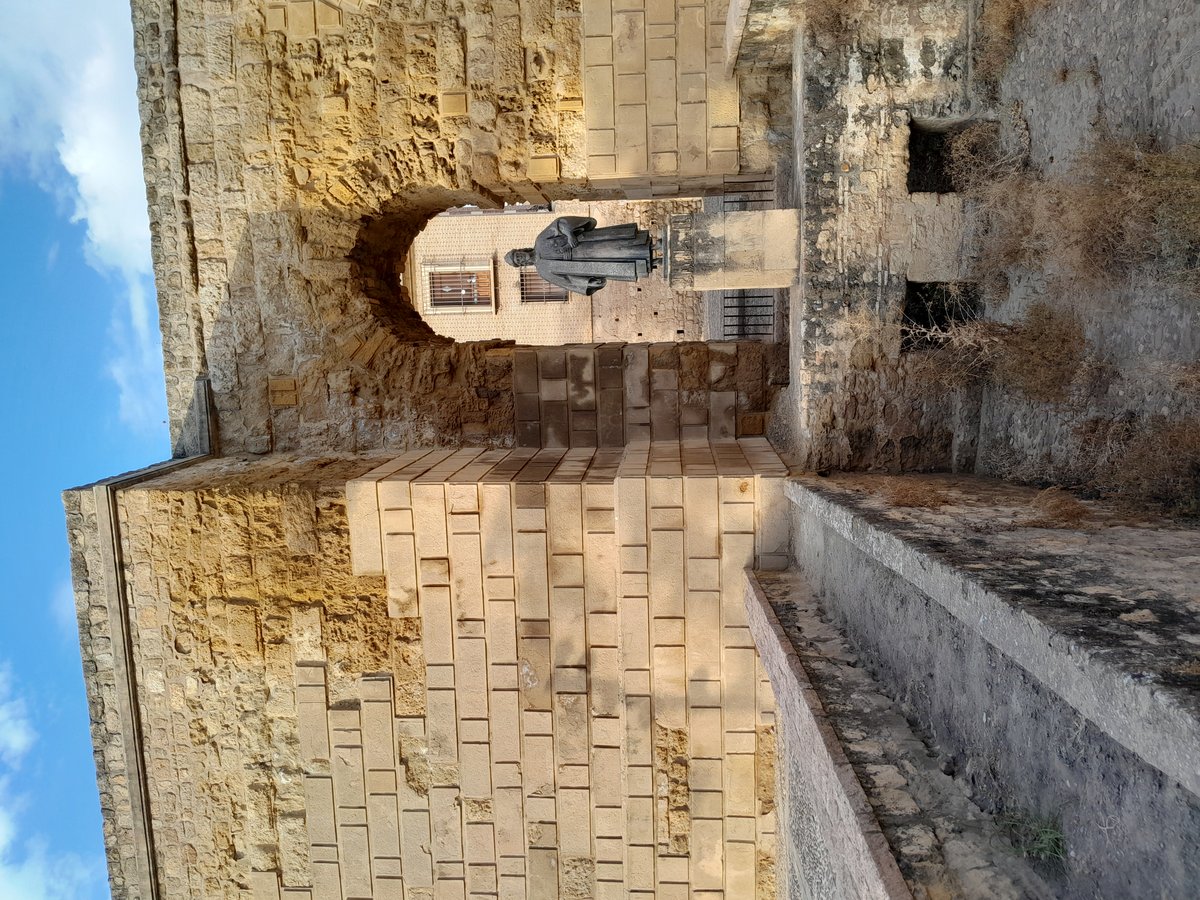
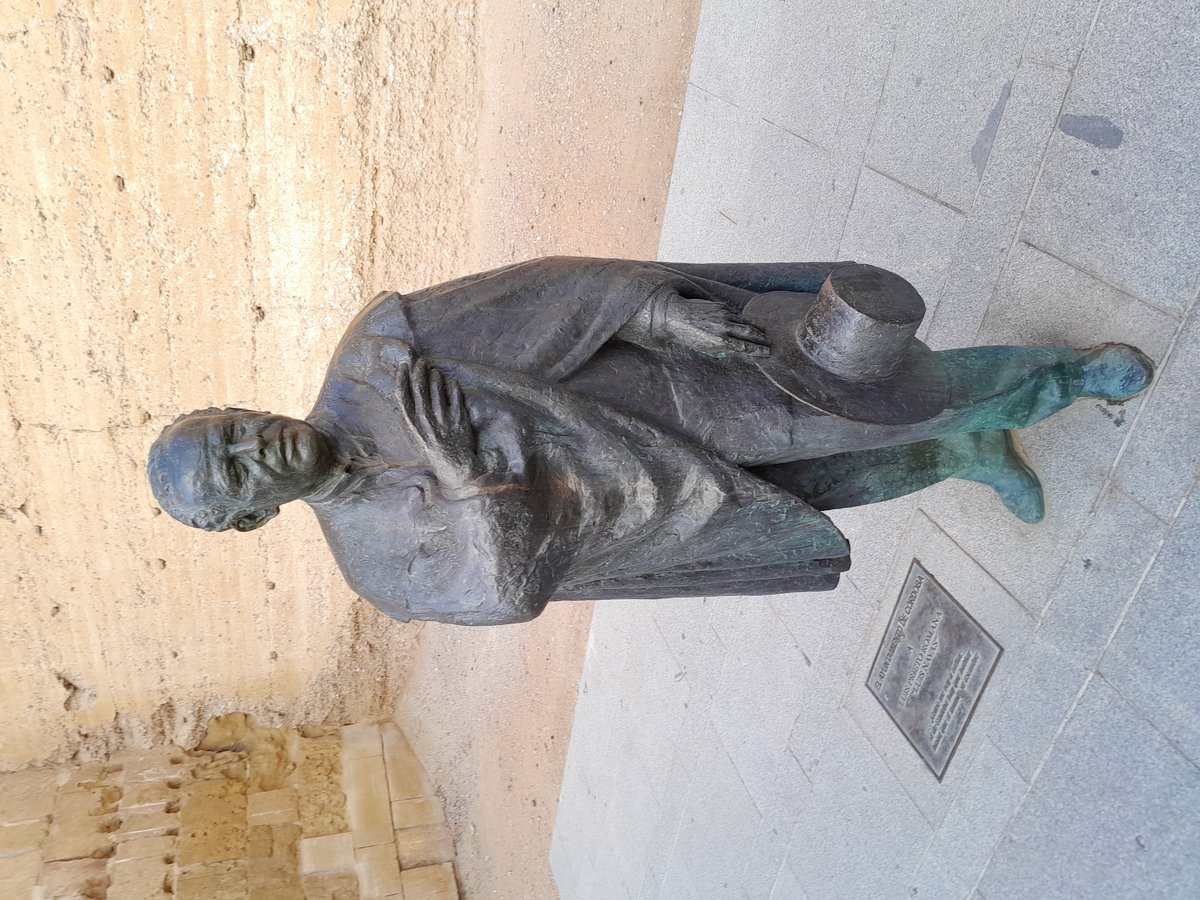
- Puerta de Sevilla: Characterized by twin arches and a statue of poet Ibn Hazm, this gate connects to Córdoba’s famous patios.
- Torre de la Malmuerta: An octagonal tower built in the early 15th century, guarding the northern approach.
- Torre de la Calahorra: Originally Moorish and expanded by King Henry II, this triple-tower fortress now houses the Living Museum of Al-Andalus, with panoramic city views (Explored by Marta).
Wall Circuits and Urban Integration
The walls once enclosed about 80 hectares, following the contours of the river and the city’s hills. Today, they are integrated into the streetscape, bordering lively plazas like Plaza de la Luna and blending with the architecture of the historic center (Travel + Leisure).
Visiting Information
Visiting Hours and Ticketing
- City Walls: Outdoor sections are open to the public 24/7.
- Torre de la Calahorra: Museum open daily, 10:00 AM–6:00 PM (last entry 5:30 PM); tickets €6, with discounts for seniors and students.
- Puerta del Puente: Free to view; rooftop access costs €2; hours 9:00 AM–7:00 PM.
- Other Gates and Towers: External viewing is generally available at all times; interior access may be limited or require advance booking through local tourism offices (Córdoba Tourism).
Accessibility and Guided Tours
- Accessibility: Many exterior sections and adjacent streets are wheelchair-friendly, though some interior areas have steps or uneven cobblestones.
- Guided Tours: Local operators offer walking tours covering the walls, gates, towers, and nearby neighborhoods. These tours can be booked online or at the main tourist office near the Mezquita-Catedral.
Walking Routes and Photo Tips
- Recommended Route: Start at Puerta de Almodóvar, walk south along the walls to the Alcázar, then east to Puerta del Puente and the Roman Bridge.
- Photo Opportunities: Sunrise or sunset at Puerta del Puente and the Alcázar walls; panoramic views from the Calahorra and Alcázar towers; atmospheric shots in the Jewish Quarter.
- Seasonal Advice: Visit in spring or autumn for mild weather and vibrant city life.
Nearby Attractions and How to Combine Your Visit
- Mezquita-Catedral: A world-renowned mosque-cathedral only steps from the walls.
- Alcázar de los Reyes Cristianos: Fortress-palace directly linked to the southern city walls; features lush gardens and panoramic towers.
- Jewish Quarter (Judería): Atmospheric neighborhood bordered by the walls, home to the Synagogue and Calleja de las Flores.
- Roman Bridge: Adjacent to Puerta del Puente and the Calahorra Tower.
Combine your exploration of the City Walls with these sites for a comprehensive historical tour.
Frequently Asked Questions (FAQ)
Q: What are the visiting hours for the City Walls of Córdoba?
A: Outdoor sections are accessible at all times. Museums and towers along the walls have set hours, usually from 10:00 AM to 6:00 PM.
Q: Are tickets required to visit the walls?
A: Walking the walls is free; museum and tower entries require a ticket.
Q: Is the site wheelchair accessible?
A: Most adjacent streets and some wall segments are accessible, but certain historical interiors have steps or cobblestones.
Q: Are guided tours available?
A: Yes. Tours can be booked at the tourist office or through reputable local providers.
Q: What are the best photo spots?
A: Puerta del Puente at sunset, Alcázar towers for city vistas, and the flower-adorned lanes of the Jewish Quarter.
Listen to the full story in the app
The whole City Walls Of Córdoba,
told well.
Listen to sourced travel stories with local history and practical context — ready offline.
Verified, and shown.
Researched and written by the Audiala editorial team from historical records, architectural archives, and local expertise.
Built from cited sources · see the method · How we make our guides →