Plan and listen to Caliphal Baths Of Cordoba with Audiala.
Audio guide in your pocket, itinerary in your browser. Built for the way you actually visit.
Introduction
The Caliphal Baths of Córdoba, or Baños Califales de Córdoba, stand as a magnificent testament to the cultural and architectural achievements of medieval Al-Andalus. Constructed in the 10th century under Caliph al-Hakam II, this bathhouse complex is more than a relic of the past—it is a living symbol of Córdoba's era as a center of science, culture, and governance. Located in the heart of Córdoba’s UNESCO World Heritage historic center and adjacent to the former Caliphal Palaces, the baths encapsulate the sophistication of urban life in one of Europe’s most advanced cities.
This comprehensive guide covers the history, architecture, social role, and practical details for visiting the Caliphal Baths, including updated information on opening hours, tickets, accessibility, guided tours, and travel tips. Whether you are a history enthusiast, a curious traveler, or a family exploring Spain, the Caliphal Baths offer a unique opportunity to connect with Córdoba’s rich Islamic heritage.
For additional details, consult the official Córdoba tourism sources and heritage sites (Siente Córdoba), (Turismo de Córdoba), and (UNESCO).


Origins and Construction
The Caliphal Baths were commissioned by Caliph al-Hakam II in the 10th century, during a period when Córdoba was the flourishing capital of Al-Andalus. Built adjacent to the Caliphal Palaces, the baths served not only the caliph but also the royal court and harem, emphasizing their significance as both private and political spaces (Wikipedia; Siente Córdoba).
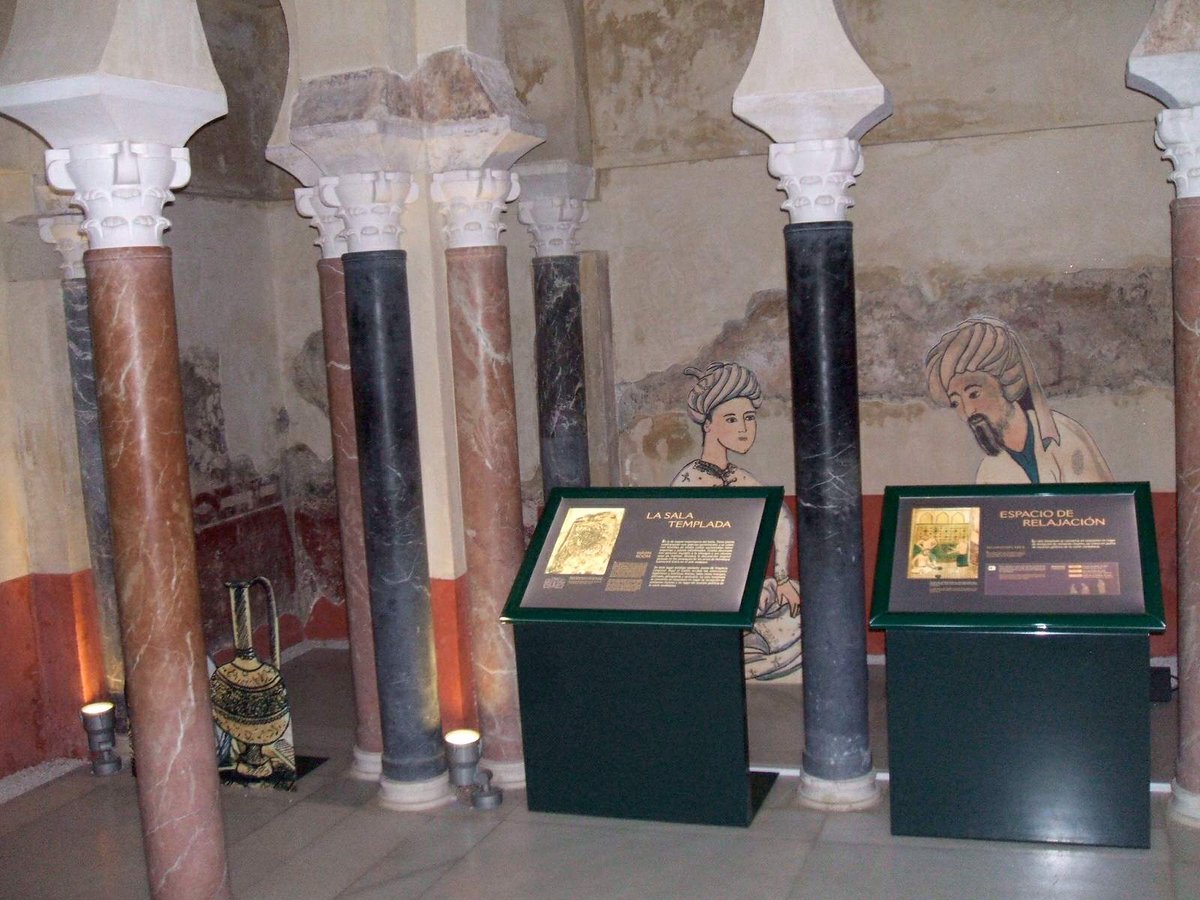
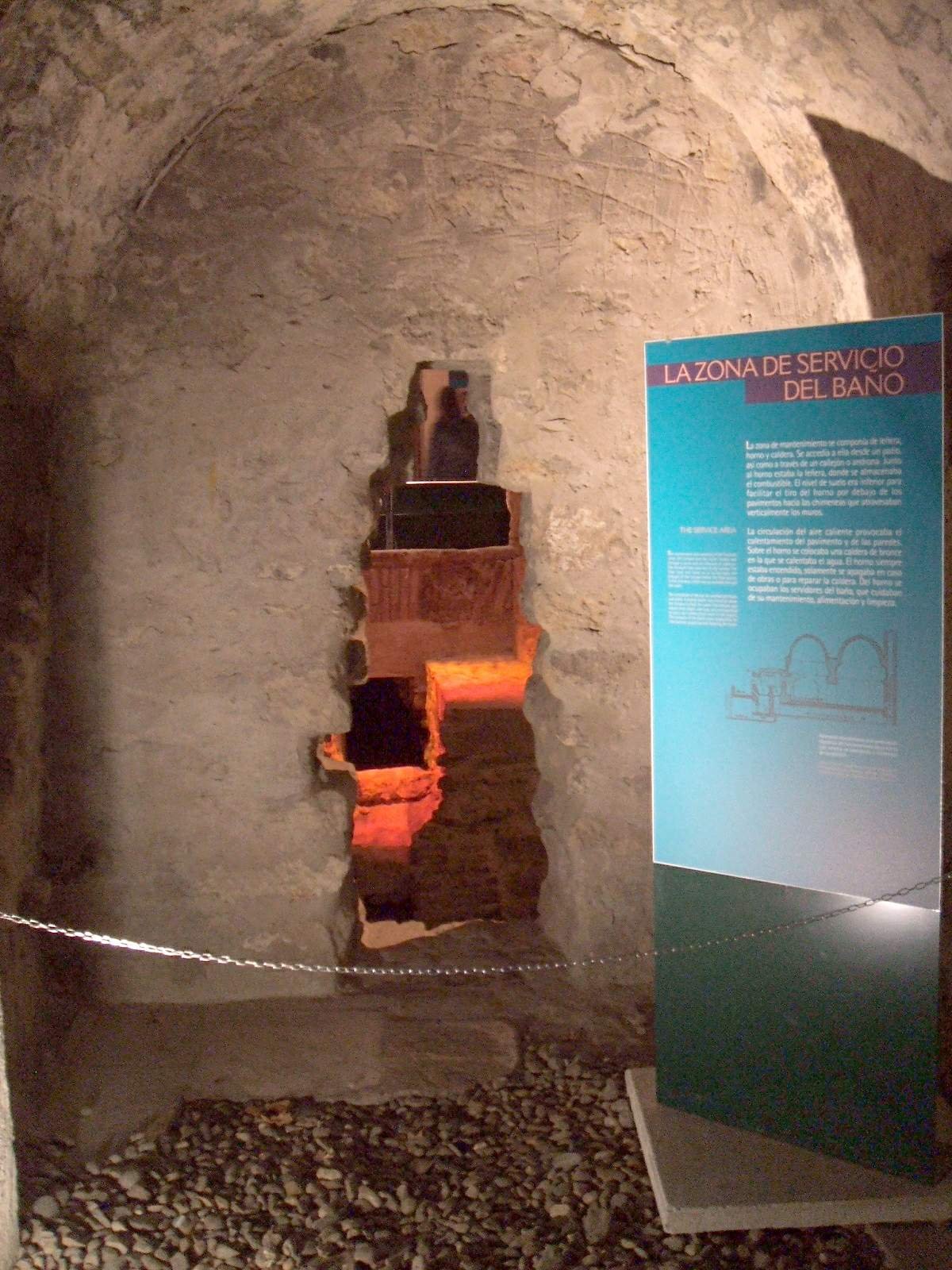
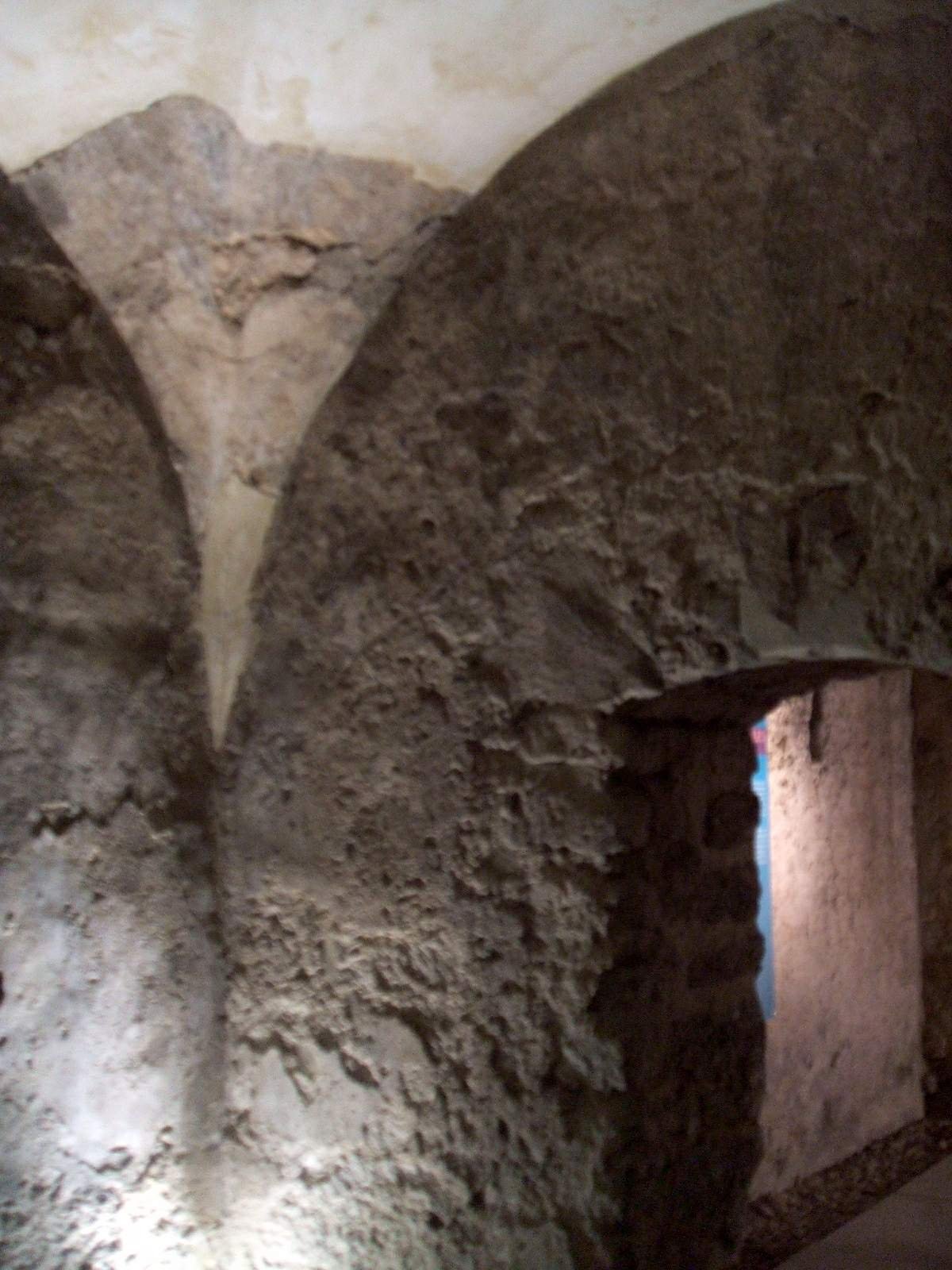
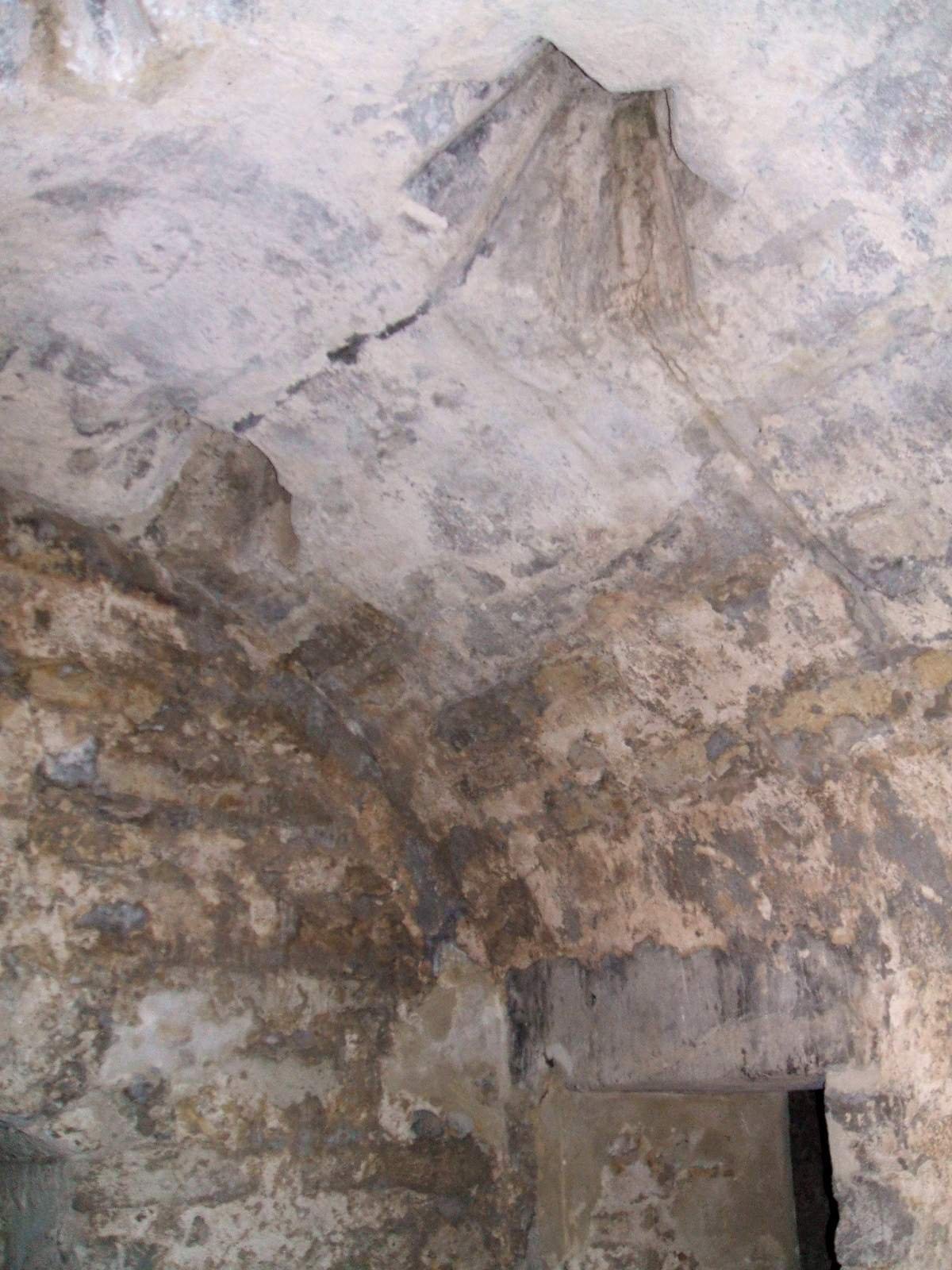
The complex reflects a harmonious blend of Roman bath traditions and Islamic innovations, with a sequence of rooms including the apodyterium (changing room), frigidarium (cold room), tepidarium (warm room), and caldarium (hot room). Vaulted ceilings and star-shaped skylights illuminate the interiors, while remnants of marble columns and decorative murals highlight the era's artistic sophistication (Andalucia Lovers).
Social, Religious, and Political Functions
Bathhouses (hammams) were central to life in Islamic Spain. The Caliphal Baths facilitated ritual ablutions (wudu and ghusl) necessary before prayers, making them vital religiously and socially (Turismo de Córdoba). They were also gathering places for political discussions and social interaction, continuing a tradition inherited from Roman times (Artencordoba).
Architectural Evolution
After the fall of the Umayyad Caliphate, the baths continued to function and were further expanded under the Almoravid and Almohad dynasties. New rooms, decorative plasterwork, and improved hydraulic systems were added. Some Arabic inscriptions from these later periods are now preserved in Córdoba’s Archaeological Museum (Turismo de Córdoba).
Decline and Restoration
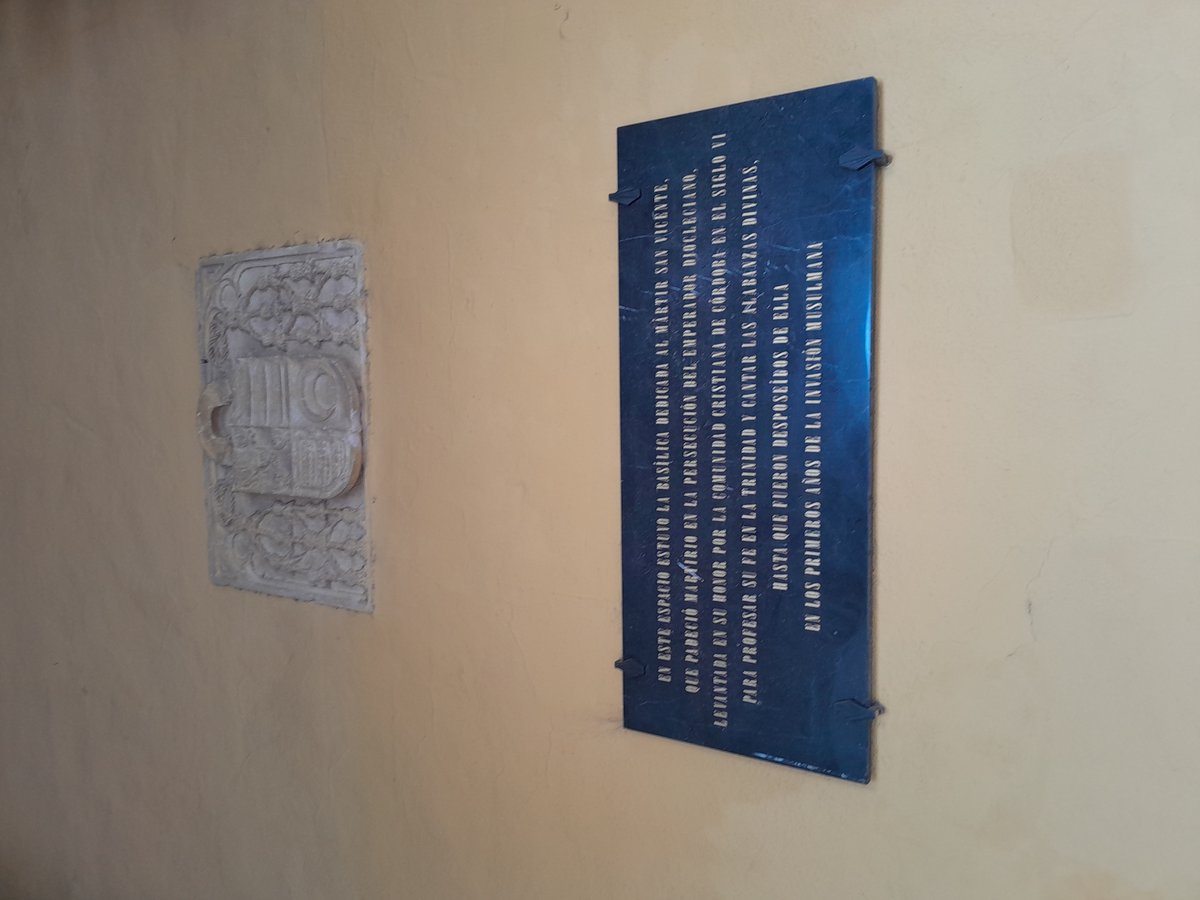
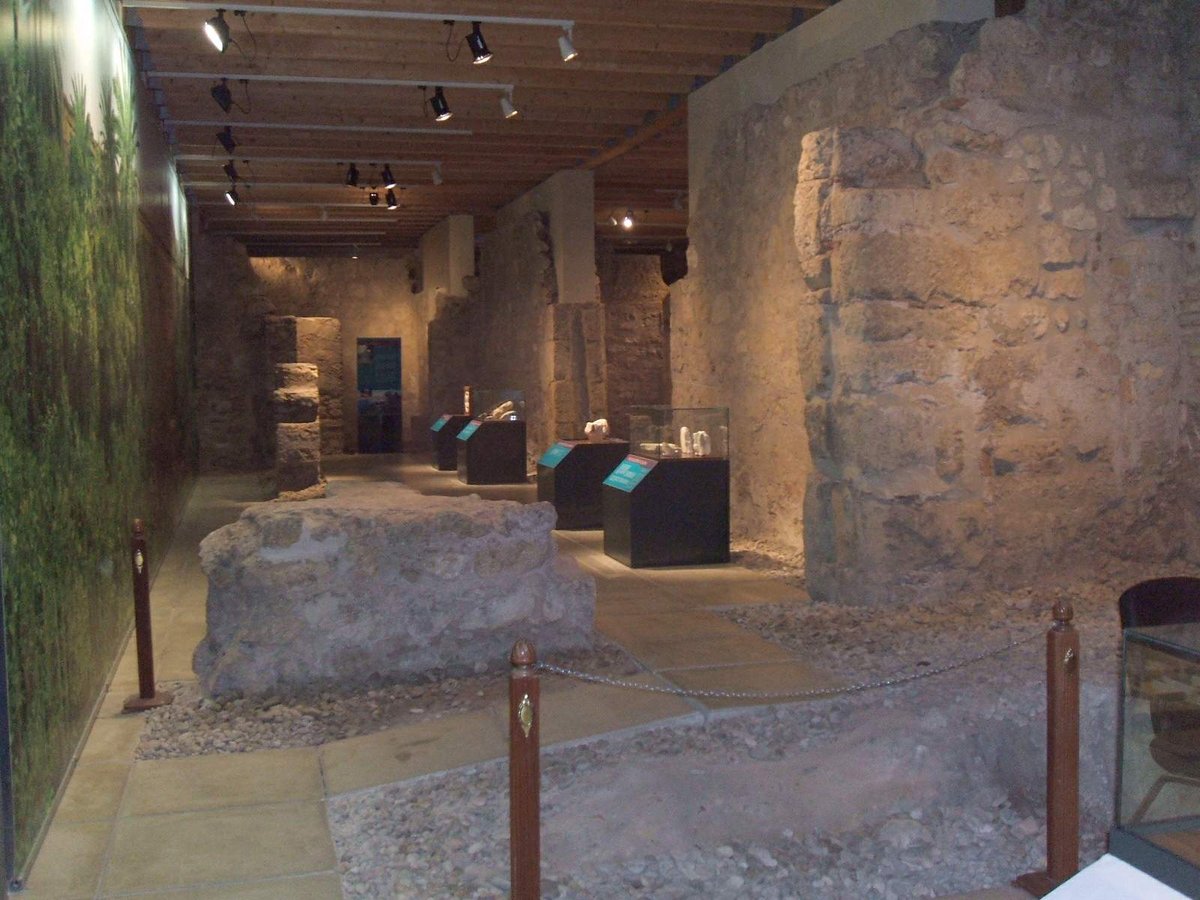
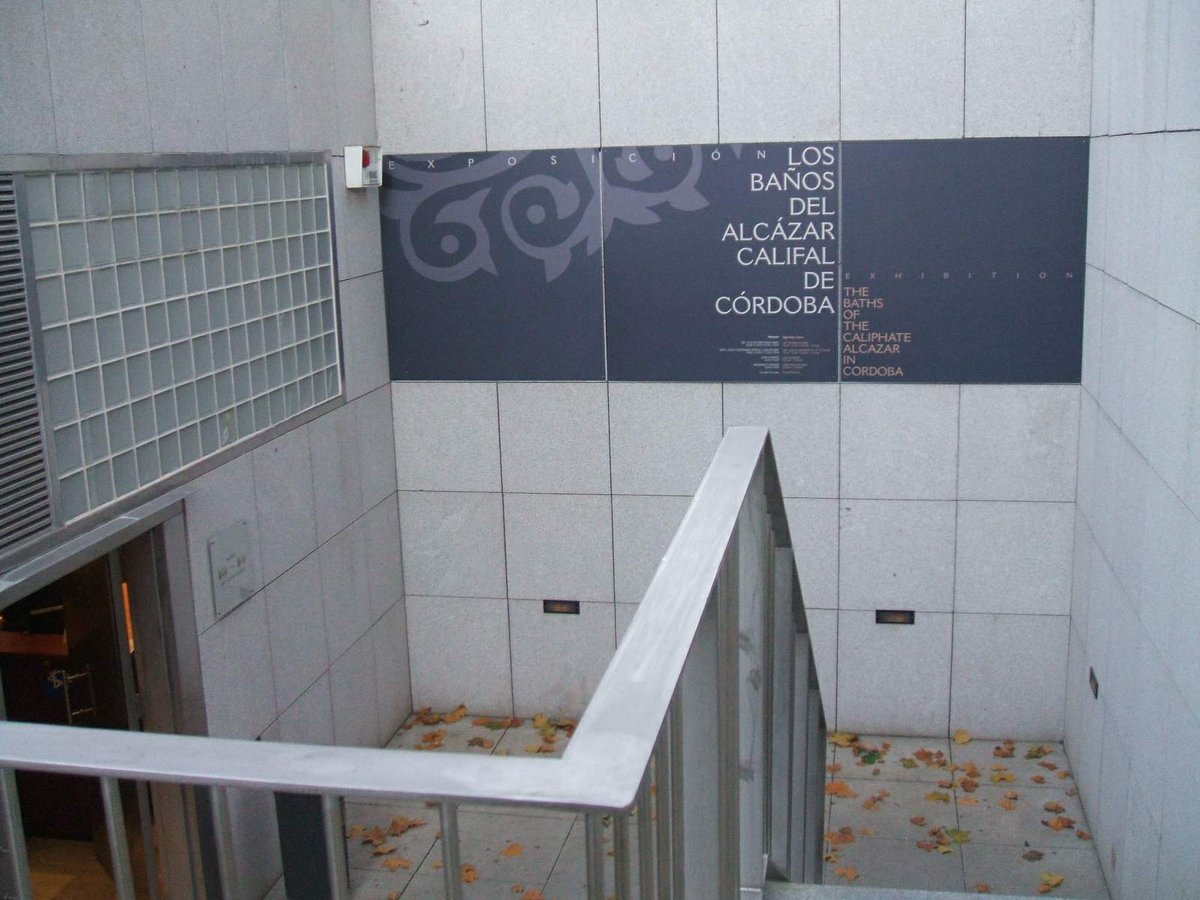
Following the Christian conquest in 1236, the baths fell into disuse, became buried under subsequent construction, and were largely forgotten until rediscovery in the 20th century. Archaeological excavations from 1961 to 1964 revealed their significance, leading to restoration and the establishment of a museum in 2006 (Siente Córdoba).
Cultural Significance
The Caliphal Baths are among Spain’s best-preserved Islamic bath complexes and a vivid illustration of the convivencia (coexistence) that defined Córdoba’s medieval society. Their design influenced later bathhouses and continues to inspire scholars and visitors alike (UNESCO).
Visitor Information
Location and Accessibility
The Caliphal Baths are located at Plaza Campo Santo de los Mártires, s/n, in Córdoba’s historic center. They are within easy walking distance of major sites like the Mosque-Cathedral, the Alcázar de los Reyes Cristianos, and the Roman Bridge (travelcordoba.com). Public transportation is available, and signage from major tourist points makes navigation simple. Limited parking is available nearby.
The site is partially accessible to visitors with reduced mobility. Ramps and accessible restrooms are provided, although some uneven flooring and steps remain.
Opening Hours and Tickets
The baths operate on a seasonal schedule:
-
September 16 – June 15:
- Tuesday to Friday: 8:30 am – 8:15 pm
- Saturday: 8:30 am – 4:30 pm
- Sunday and holidays: 8:30 am – 2:30 pm
- Closed on Mondays
-
June 16 – September 15:
- Tuesday to Saturday: 8:30 am – 2:30 pm
- Sunday and holidays: 8:30 am – 2:30 pm
- Closed on Mondays
Closed on January 1, January 6, May 1, December 24, December 25, and December 31 (travelcordoba.com).
Admission Fees:
- General: €2.50
- Students under 26: €1.25
- Children under 13: Free on Thursdays from 6:00 pm until closing
Tickets are available for purchase on-site; group visits or guided tours should be arranged in advance.
Guided Tours and Special Events
Guided tours are available in multiple languages and provide in-depth historical and architectural context. Occasional special events, workshops, and exhibitions are held at the site. Audio guides and documentary films enhance the educational value of your visit.
Visitor Experience and Facilities
Interpretive panels in Spanish and English, a short documentary, and well-preserved architectural elements (such as the hypocaust heating system and star-shaped skylights) enrich the visitor experience. The tranquil atmosphere and evocative lighting transport visitors back to the time of the caliphs. The site is family-friendly, with educational materials making it accessible for school groups and children.
Restrooms are available, but there are no on-site cafes. Non-flash photography is generally permitted.
Nearby Attractions
- Mezquita-Catedral de Córdoba: A UNESCO World Heritage site, just 500 meters away.
- Alcázar de los Reyes Cristianos: Historic fortress and gardens, 400 meters away.
- Roman Bridge of Córdoba
- Jewish Quarter: A vibrant area with shops, cafes, and historic sites.
Tips for Visitors
- Visit early in the morning or during weekday afternoons to avoid crowds.
- Allow 30–60 minutes for your visit; history enthusiasts may wish to stay longer.
- Wear comfortable shoes due to uneven surfaces.
- Combine your tour with the nearby Alcázar and Mosque-Cathedral for a comprehensive experience.
- Check for any temporary changes in hours or ticketing on the official Córdoba tourism website.
Frequently Asked Questions (FAQ)
What are the Caliphal Baths Córdoba visiting hours?
The baths operate seasonally: longer hours from September to mid-June, shorter in summer. Closed Mondays and select holidays.
How much do tickets cost?
General admission is €2.50, with discounts for students under 26 (€1.25) and free admission for children under 13 on Thursday evenings.
Is the site accessible for visitors with reduced mobility?
The baths are partially accessible; some uneven flooring and steps may be challenging.
Are guided tours available?
Guided tours in multiple languages and audio guides may be available by prior arrangement.
Can I take photographs?
Non-flash photography is generally permitted; check for restrictions upon arrival.
Are the Caliphal Baths the same as Córdoba’s modern Arab baths?
No, the Caliphal Baths are an authentic archaeological site, while modern hammams in the city are contemporary spas designed for wellness, not historical monuments (travelcordoba.com).
Discover More
The Caliphal Baths of Córdoba offer a captivating journey into the sophisticated world of medieval Al-Andalus. With their architectural ingenuity, social significance, and evocative atmosphere, they are essential for anyone seeking to understand the layered history of Córdoba.
Plan your visit today by checking the latest information on the official Córdoba tourism website. Enhance your experience with the Audiala app for guided tours and insider tips. Don’t forget to explore nearby landmarks such as the Mezquita-Catedral and Alcázar de los Reyes Cristianos to complete your immersion in Córdoba’s extraordinary heritage.
Listen to the full story in the app
The whole Caliphal Baths Of Cordoba,
told well.
Listen to sourced travel stories with local history and practical context — ready offline.
Verified, and shown.
Researched and written by the Audiala editorial team from historical records, architectural archives, and local expertise.
Built from cited sources · see the method · How we make our guides →