Plan and listen to Castellón De La Plana Hermitage Of Saint Mary Magdalene with Audiala.
Audio guide in your pocket, itinerary in your browser. Built for the way you actually visit.
Introduction
The Ermitori de la Magdalena, also known as the Hermitage of Santa María Magdalena, is a site of immense historical, cultural, and religious significance located in Castelló de la Plana, Spain. Founded in the 13th century, shortly after the Christian reconquest of the region from the Moors, this hermitage has evolved from a simple chapel to a complex religious and cultural landmark. Over the centuries, it has witnessed numerous architectural transformations and has played a pivotal role in the local traditions and social life of Castelló de la Plana. The annual Romería de les Canyes, part of the Magdalena Festival, is a notable event that celebrates the city's founding and attracts visitors worldwide. This comprehensive guide aims to provide visitors with detailed insights into the history, architectural evolution, and visitor information of the Ermitori de la Magdalena, ensuring a well-rounded and enriching experience. Whether you're a history buff, a culture enthusiast, or a nature lover, this guide will help you explore the roots and traditions of this vibrant Spanish city (Ajuntament de Castelló, Turismo de Castellón).

History of Ermitori de la Magdalena
Origins and Early History
The origins of the Ermitori de la Magdalena date back to the 13th century, shortly after the Christian reconquest of the region from the Moors. The hermitage was established as a place of worship and refuge for the Christian settlers who moved to the area. The original structure was likely a simple chapel, built to honor Saint Mary Magdalene, a revered figure in Christian tradition.
Medieval Period
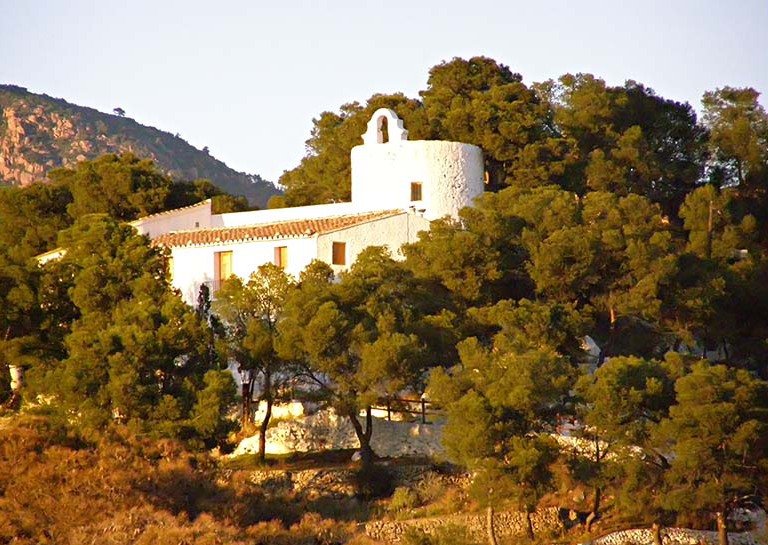
During the medieval period, the Ermitori de la Magdalena played a crucial role in the spiritual and social life of the local community. It served not only as a place of worship but also as a gathering point for the inhabitants of Castelló de la Plana. The hermitage was strategically located on a hill, providing a vantage point over the surrounding landscape and serving as a lookout against potential invaders. The structure underwent several modifications and expansions during this period, reflecting the growing importance of the site.
Architectural Evolution
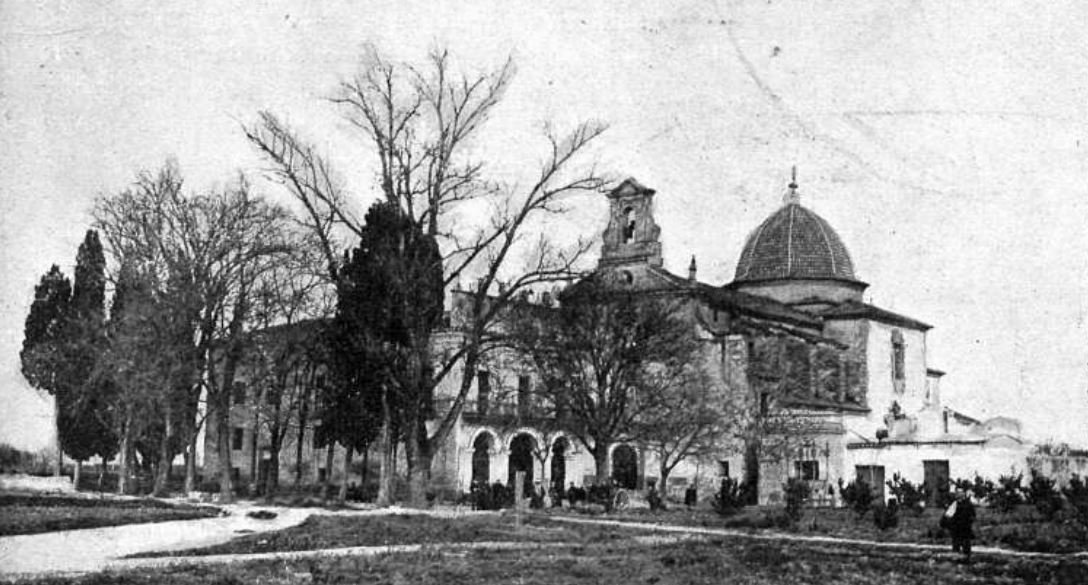
The architectural style of the Ermitori de la Magdalena evolved over the centuries, incorporating elements from different periods and influences. The original Romanesque features were gradually replaced or complemented by Gothic and later Baroque elements. The hermitage's façade, interior decorations, and structural components reflect this rich architectural heritage. Notable features include the bell tower, which was added in the 17th century, and the ornate altarpiece dedicated to Saint Mary Magdalene.
Role in Local Traditions
The Ermitori de la Magdalena is deeply intertwined with the local traditions and cultural identity of Castelló de la Plana. One of the most significant events associated with the hermitage is the annual Romería de les Canyes, a pilgrimage that takes place during the city's Magdalena Festival. This event commemorates the founding of Castelló de la Plana and involves a procession from the city center to the hermitage. Participants carry canes (canyes) and wear traditional attire, reflecting the historical and cultural significance of the pilgrimage. The festival and pilgrimage have been recognized as a Fiesta of International Tourist Interest, attracting visitors from around the world.
Visitor Information
Ticket Prices and Opening Hours
Visitors to the Ermitori de la Magdalena can enter free of charge. The hermitage is usually open to the public daily from 9:00 AM to 6:00 PM, but it is advisable to check the official tourism website of Castelló de la Plana for the most up-to-date information on visiting hours.
Travel Tips
The hermitage is located approximately 3 kilometers from the city center of Castelló de la Plana. It can be reached by car, bicycle, or on foot. The pilgrimage route, which is part of the Magdalena Festival, offers a unique way to experience the site's historical significance. Comfortable walking shoes and a water bottle are recommended for those who choose to walk.
Nearby Attractions
While visiting the Ermitori de la Magdalena, consider exploring other historical sites in Castelló de la Plana, such as the Concatedral de Santa María and the Fadri bell tower. These landmarks provide additional insights into the city's rich heritage.
Special Events and Guided Tours
The hermitage hosts various religious ceremonies and events throughout the year, including weddings and baptisms. Guided tours are available upon request, offering a more in-depth understanding of the site's history and architectural features. Contact the local parish or the official tourism website for more details.
Photographic Spots
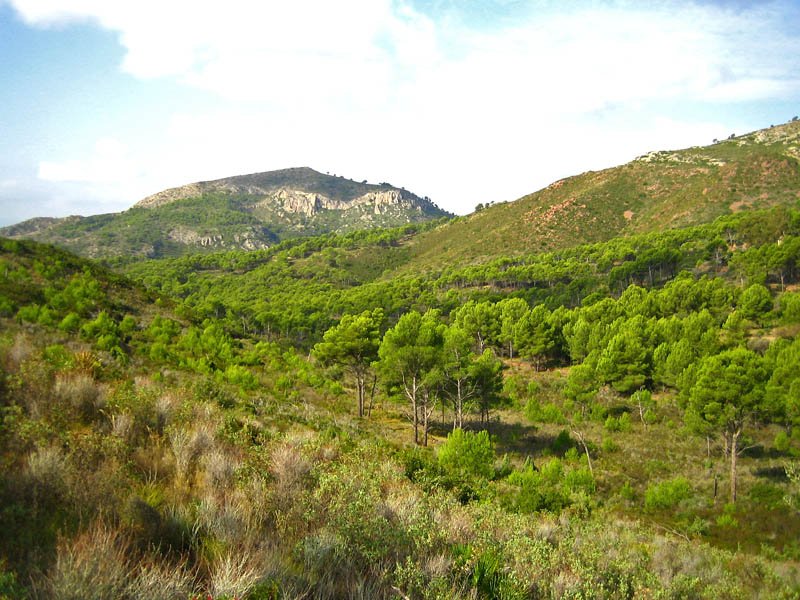
The scenic location of the Ermitori de la Magdalena on a hill provides excellent opportunities for photography. The bell tower, altarpiece, and surrounding landscape are particularly photogenic, making it a popular spot for visitors to capture memorable moments.
FAQ
Q: What are the visiting hours for Ermitori de la Magdalena? A: The hermitage is usually open from 9:00 AM to 6:00 PM. Check the official tourism website for the latest information.
Q: Is there an entrance fee to visit the hermitage? A: No, entry to the Ermitori de la Magdalena is free of charge.
Q: How can I reach the hermitage from Castelló de la Plana city center? A: The site is located about 3 kilometers from the city center and can be reached by car, bicycle, or on foot.
Q: Are guided tours available? A: Yes, guided tours are available upon request. Contact the local parish or the official tourism website for more information.
Listen to the full story in the app
The whole Castellón De La Plana Hermitage Of Saint Mary Magdalene,
told well.
Listen to sourced travel stories with local history and practical context — ready offline.
Verified, and shown.
Researched and written by the Audiala editorial team from historical records, architectural archives, and local expertise.
Magdalena Festival in Castellón
Accessible Tourism
Built from cited sources · see the method · How we make our guides →