Plan and listen to Statue Of Manuel De Falla with Audiala.
Audio guide in your pocket, itinerary in your browser. Built for the way you actually visit.
Introduction
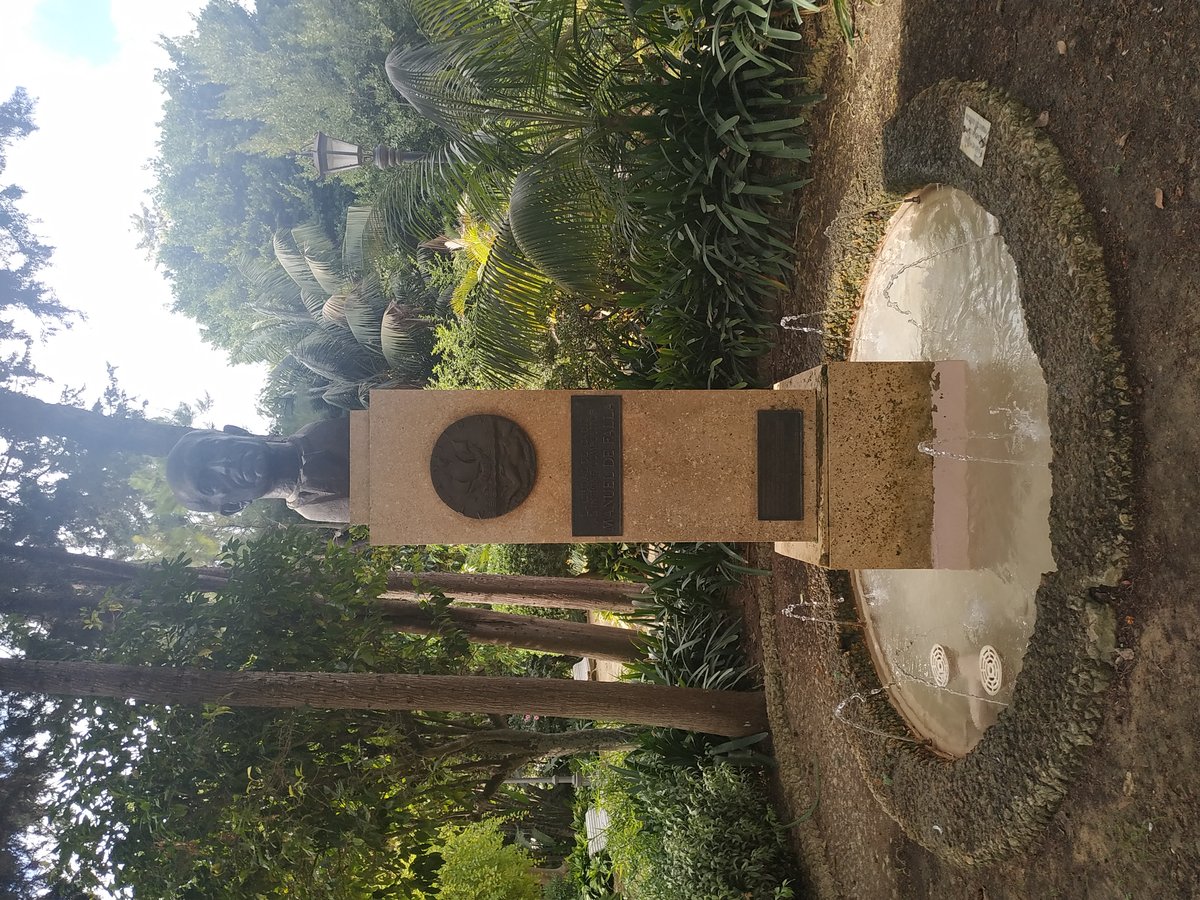
The Statue of Manuel de Falla in Cádiz stands as a tribute to one of Spain’s most influential composers and as a symbol of the city’s rich musical and cultural legacy. Located in the vibrant Plaza Fragela, near the Gran Teatro Falla, this monument commemorates Falla’s profound contributions to Spanish classical music, particularly his integration of Andalusian folk traditions into classical forms. Whether you are a music lover, history enthusiast, or cultural traveler, a visit to the statue offers a unique opportunity to explore Cádiz’s artistic heritage and the enduring legacy of its most famous son (Wikipedia; Cádiz Cultura; Visiting Cádiz).
This guide provides detailed information about the statue’s historical context, accessibility, visiting hours, ticket policies, nearby attractions, and practical tips to help you make the most of your visit.

Historical Context and Significance
Manuel de Falla: Life and Legacy
Born in Cádiz in 1876, Manuel de Falla became one of Spain’s most celebrated composers, renowned for masterpieces such as El amor brujo and Noches en los jardines de España. His music is distinguished by its innovative blend of Spanish folk elements and classical structures, and he is credited with elevating Andalusian culture to international prominence. Falla’s legacy is deeply intertwined with Cádiz’s identity, and his influence is celebrated not only in the city but across Spain (Wikipedia; Famous Composers).
Origins and Placement of the Statue
The statue, located in Plaza Fragela, was erected as part of a national movement to honor cultural luminaries who shaped Spain’s artistic identity. Its strategic placement near the Gran Teatro Falla—a theater renamed in his honor in 1926—underscores Falla’s enduring connection to Cádiz and his status as a symbol of the city’s creative spirit (Gran Teatro Falla Wikipedia).
Symbolism and Design
The monument typically features Falla in a contemplative pose, sometimes incorporating musical motifs. Its design invites reflection on his lifelong dedication to music and his role as a bridge between tradition and modernity, serving as an accessible focal point for both locals and visitors.
Visiting Information
Location and Accessibility
- Address: Plaza Fragela, Cádiz, Spain
- Accessibility: The plaza and statue are fully accessible to wheelchair users and those with limited mobility. Wide, level sidewalks and ramps ensure ease of access (Disabled Accessible Travel).
- Transport: Within walking distance of Cádiz’s main train and bus stations; public transport and taxi stands are nearby. Parking is available in public garages, though spaces may be limited during festivals (Lonely Planet).
Visiting Hours and Tickets
- Statue: Open 24/7 as it is located in a public square. No tickets or entrance fees are required.
- Gran Teatro Falla: Adjacent to the statue, open for guided tours and performances. Usual hours are 10:00–13:00 and 16:30–19:00 on weekdays, with extended schedules during festivals. Tickets for theater performances can be purchased online or at the box office (Diario de Cádiz).
Best Times to Visit
- Season: Spring (March–May) and autumn (September–November) offer pleasant weather and fewer crowds.
- Events: The Cádiz Carnival (February/March) transforms the area into a vibrant festival hub, with performances and music around the statue (Ramblyn Jazz).
What to Expect
- Setting: The statue is surrounded by benches and shaded by trees, creating a welcoming spot for reflection. Informative plaques in Spanish and English provide context about Falla’s life and achievements.
- Atmosphere: Plaza Fragela is lively, with cafes and shops nearby. Local musicians often perform in the area, especially on weekends and during festivals.
- Photography: The open setting is ideal for photos, particularly during early morning or late afternoon light. Please refrain from climbing or sitting on the statue.
Nearby Attractions
- Gran Teatro Falla: Architectural gem and cultural center offering concerts, theater, and guided tours (Gran Teatro Falla Wikipedia).
- Cádiz Cathedral: A 10-minute walk away, featuring a Baroque-Neoclassical design and the crypt where Falla is buried (Spain.info).
- Museo de Cádiz: Showcasing archaeological and art collections (Lonely Planet).
- Parque Genovés: Botanical gardens perfect for a relaxing stroll (The Crazy Tourist).
- La Caleta Beach: A scenic spot for seaside views and relaxation.
Visitor Tips
- Language: Most plaques are bilingual, but a translation app can help with additional information.
- Safety: Plaza Fragela is generally safe, but take standard precautions, especially during crowded events.
- Weather: Cádiz’s Mediterranean climate means warm summers and mild winters. Bring sun protection and stay hydrated.
- Facilities: Public restrooms are available at the Gran Teatro Falla during opening hours; nearby cafes offer additional amenities.
- Dining: Numerous restaurants and tapas bars nearby serve local specialties.
Cultural Etiquette
- Respect the statue and surrounding plaza as a site of local pride.
- During festivals, expect crowds and live music performances.
- Support local businesses and cultural institutions by attending events and purchasing souvenirs.
Frequently Asked Questions (FAQ)
Is there an entrance fee to visit the statue?
No, visiting the statue is entirely free.
Are guided tours available?
Yes, several guided walking tours of Cádiz include the statue, and audio-guided tours are also available (Visit Cádiz Audio Tour).
Is the statue accessible for visitors with disabilities?
Yes, Plaza Fragela and the statue are wheelchair accessible, with accessible tours and transportation options available.
When is the best time to visit?
Daytime hours during spring and autumn are ideal for comfort and crowd avoidance.
Can I take photos?
Yes, photography is welcomed, but please treat the monument with respect.
Suggested Itinerary
- Morning: Visit the statue and Gran Teatro Falla; consider a guided tour.
- Midday: Explore Cádiz Cathedral and Falla’s tomb.
- Afternoon: Enjoy lunch nearby and stroll through Parque Genovés.
- Evening: Attend a performance at the Gran Teatro Falla if available.
Responsible Tourism
Honor the site’s cultural significance and support the local community by attending performances, purchasing local products, and learning about Falla’s legacy. Preservation efforts by city authorities ensure the statue remains a beacon of Cádiz’s pride (Spain.info).
Summary
The Statue of Manuel de Falla is a cultural landmark that encapsulates the spirit of Cádiz and the influence of one of Spain’s greatest composers. Its central location, accessibility, and connection to major historical sites make it an essential stop for visitors. Combine your visit with nearby attractions and local festivals to fully appreciate Cádiz’s musical and artistic traditions. For enhanced experiences, utilize guided tours and digital resources such as the Audiala app (Visiting Cádiz; Wikipedia).
Listen to the full story in the app
The whole Statue Of Manuel De Falla,
told well.
Listen to sourced travel stories with local history and practical context — ready offline.
Verified, and shown.
Researched and written by the Audiala editorial team from historical records, architectural archives, and local expertise.
Built from cited sources · see the method · How we make our guides →

