Plan and listen to Castle Of San Sebastián with Audiala.
Audio guide in your pocket, itinerary in your browser. Built for the way you actually visit.
Introduction
Rising from a small islet at the northwestern edge of Cádiz, the Castle of San Sebastián (Castillo de San Sebastián) is a commanding testament to the city’s maritime heritage and strategic significance. Connected to the mainland by the evocative stone causeway, Paseo Fernando Quiñones, this fortress has stood watch over Cádiz for centuries. With origins stretching back to possible Phoenician and Roman occupations, through its 18th-century military engineering and its iconic 20th-century lighthouse, the castle weaves together legend, architecture, and living culture (Ayuntamiento de Cádiz, Betica Romana).
Today, the Castle of San Sebastián is more than a relic: it is a vibrant venue for exhibitions, concerts, and local festivals, while offering some of the most stunning Atlantic panoramas in southern Spain. This comprehensive guide details its historical evolution, practical visiting information, accessibility, nearby attractions, and tips for making the most of your Cádiz experience.
Ancient and Medieval Origins
The islet that hosts the Castle of San Sebastián has been a focal point of myth and seafaring for millennia. Classical sources suggest it once held a Phoenician temple dedicated to Ba’al Hammon or Kronos, reflecting Cádiz’s ancient role as a crossroads of Mediterranean trade and spirituality (Betica Romana, Travelila). Roman and later Muslim periods continued the site’s function as a lookout and sanctuary.
In 1457, Venetian sailors, quarantined due to plague, built a chapel on the islet. This act of thanksgiving—using remains of an earlier lighthouse—marked the beginning of the Christian era at this site (Betica Romana, Andalucia Rustica).
Fortress Construction and Military History
The current fortress was commissioned in 1706 amidst the War of the Spanish Succession. The Spanish Crown, seeking to protect Cádiz—a vital port for transatlantic trade—built the castle as a formidable defense against Anglo-Dutch threats (Patronato de Turismo de Cádiz, Museu EXEA). Its nine-sided polygonal layout, sentry boxes, bastions, and robust stone walls exemplify 18th-century military engineering.
By the 19th century, the fortress had undergone several reinforcements, including the addition of bunkers and the construction of the stone causeway in 1860. During the Peninsular War (1808–1814), the castle, alongside Santa Catalina Castle, was pivotal in defending Cádiz from French sieges (Betica Romana).
Architectural Features and the Lighthouse
The castle’s irregular polygonal plan adapts to the contours of the islet, with bastions designed to withstand artillery and control maritime access (Andalucia.com, CastlePedia). Notable features include dual moats, drawbridges, and a parade ground.
Crowning the fortress is the 41-meter lighthouse, constructed in 1908 by Rafael de la Cerda. As Spain’s second electric lighthouse and the first with a metal framework, it symbolizes Cádiz’s embrace of modernity (Andalucia Rustica, Nomads Travel Guide). The lighthouse remains operational and is a favored subject for photographers, especially at sunset.
Cultural and Symbolic Significance
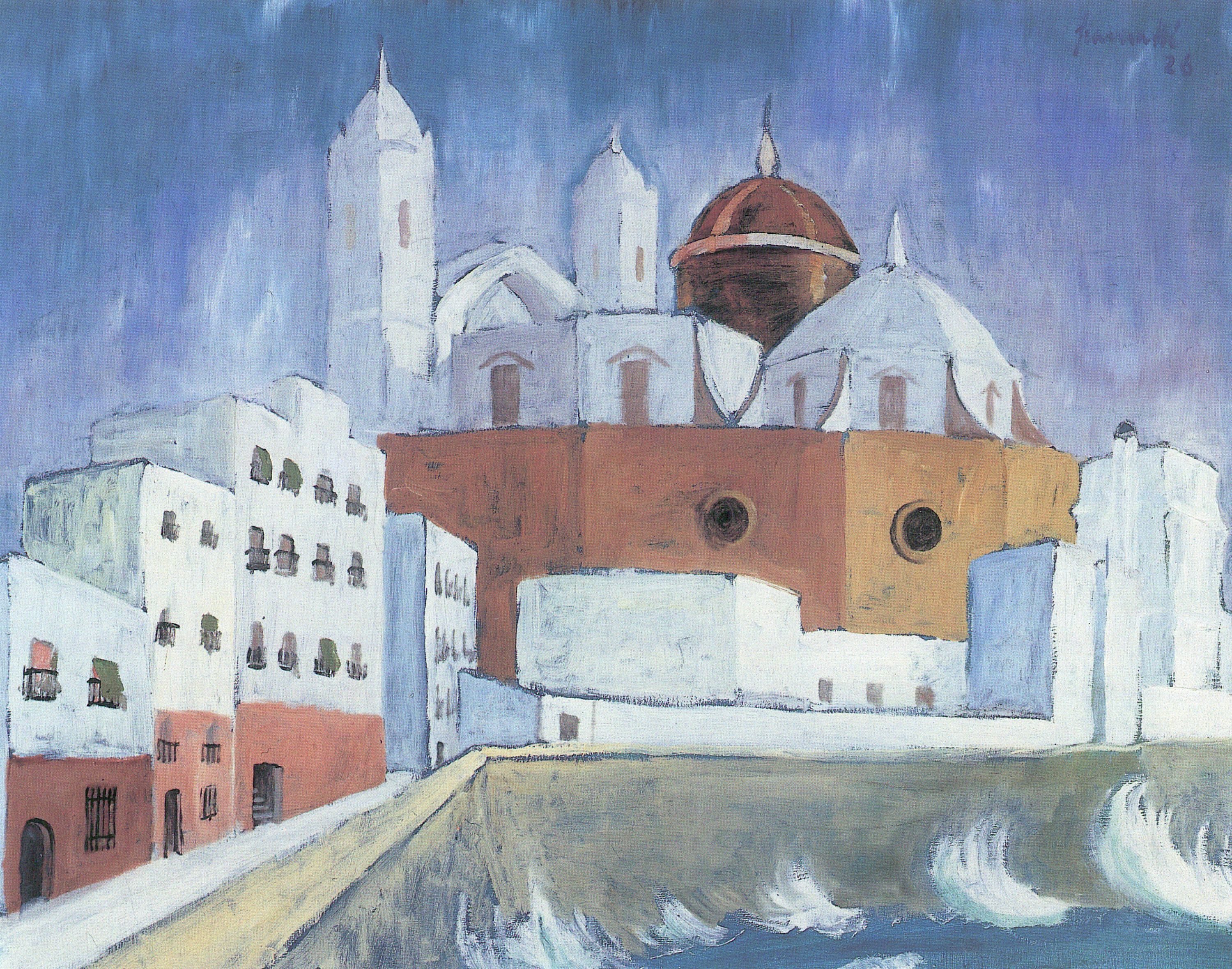
Declared a Bien de Interés Cultural in 1985 (BOE), the Castle of San Sebastián is an enduring symbol of Cádiz’s identity. Its silhouette is featured in art, literature, and film—including as a Cuban fortress in the James Bond movie "Die Another Day" (IMDb). The causeway and fortress inspire both locals and visitors, serving as a stage for cultural events and festivals throughout the year.
Visitor Information
Visiting Hours and Admission
As of July 2025:
The Castle of San Sebastián’s interior is temporarily closed for restoration, with reopening dates to be announced. The causeway and exterior remain accessible at all times (Trip.com).
When Open:
- Days: Tuesday to Sunday (closed Mondays and some holidays)
- Hours: Typically 10:00 AM – 6:00 or 7:00 PM (seasonal variation; last entry 30 minutes before closing)
- Admission: Usually free; special events or exhibitions may require tickets (Andalucia.com, Junta de Andalucía).
Check official sources before your visit:
Accessibility
- Causeway: Flat and paved—suitable for wheelchairs and strollers, though exposed to sun and wind.
- Castle Interior: Some areas may have uneven surfaces and limited accessibility due to historic architecture.
- Facilities: No restrooms or refreshments on the islet; amenities available near La Caleta Beach.
Getting There
- On Foot: 10–15 minute walk from Cádiz city center via Paseo Fernando Quiñones.
- Public Transport: Local buses stop near La Caleta Beach.
- Parking: Limited nearby—walking or cycling is recommended.
Travel Tips
- Best Time: Early morning or sunset for picturesque lighting and cooler temperatures.
- Attire: Comfortable shoes, hat, sunscreen, and water—there is little shade along the causeway.
- Photography: The ramparts, lighthouse, and panoramic ocean views are ideal for photos.
Nearby Attractions
- La Caleta Beach: Iconic city beach with Blue Flag amenities, nestled between San Sebastián and Santa Catalina castles (visitsouthernspain.com).
- Santa Catalina Castle: Star-shaped fortress offering exhibitions and more sweeping views (atlifestylecrossroads.com).
- Historic Old Town: Explore Cádiz’s cathedral, Roman theater, lively plazas, and tapas bars.
Guided Tours and Events
- Guided Tours: Available when the castle is open—book via the tourism office or official websites.
- Cultural Events: Concerts, exhibitions, and festivals are held in the castle courtyards (Museu EXEA, Travelila).
Frequently Asked Questions (FAQ)
Q: What are the current visiting hours for the Castle of San Sebastián?
A: The castle is temporarily closed as of July 2025. The causeway and exterior remain open. Check official sources for reopening updates.
Q: Are tickets required to visit?
A: No tickets are needed for the causeway or exterior. Admission is typically free when the interior is open, with guided tours and events possibly requiring tickets.
Q: Is the site accessible for visitors with mobility issues?
A: The causeway is accessible; some interior castle areas may have barriers.
Q: How do I get there from Cádiz city center?
A: Walk along Paseo Fernando Quiñones from La Caleta Beach (10–15 minutes).
Q: Are guided tours or events available?
A: Yes, when open. Consult Junta de Andalucía’s cultural agenda for schedules.
Q: Is the lighthouse open to visitors?
A: The lighthouse is operational, but not generally open for public tours.
Visual Highlights


Find more images and interactive maps on the official Cádiz tourism website.
Key Dates and Milestones
- 6th century BCE: Possible Phoenician temple dedicated to Kronos.
- 1457: Venetian sailors build a chapel on the islet.
- 1706: Fortress construction begins.
- 1808–1814: Key role during the Peninsular War.
- 1860: Causeway constructed, integrating the fortress into the city.
- 1908: Lighthouse completed—first metal-structured, electric lighthouse in Spain.
- 1985: Declared Bien de Interés Cultural.
- 2002: Featured in "Die Another Day."
- 2020s: Restoration and reopening for cultural events (pending as of July 2025).
Listen to the full story in the app
The whole Castle Of San Sebastián,
told well.
Audio guides for 1,100+ cities across 96 countries. History, stories, and local insight — offline ready.

Verified, and shown.
Researched and written by the Audiala editorial team from historical records, architectural archives, and local expertise.
Last reviewed
Researched from Wikidata, Wikipedia & official sources · fact-checked · How we make our guides →