Origins and Military Function
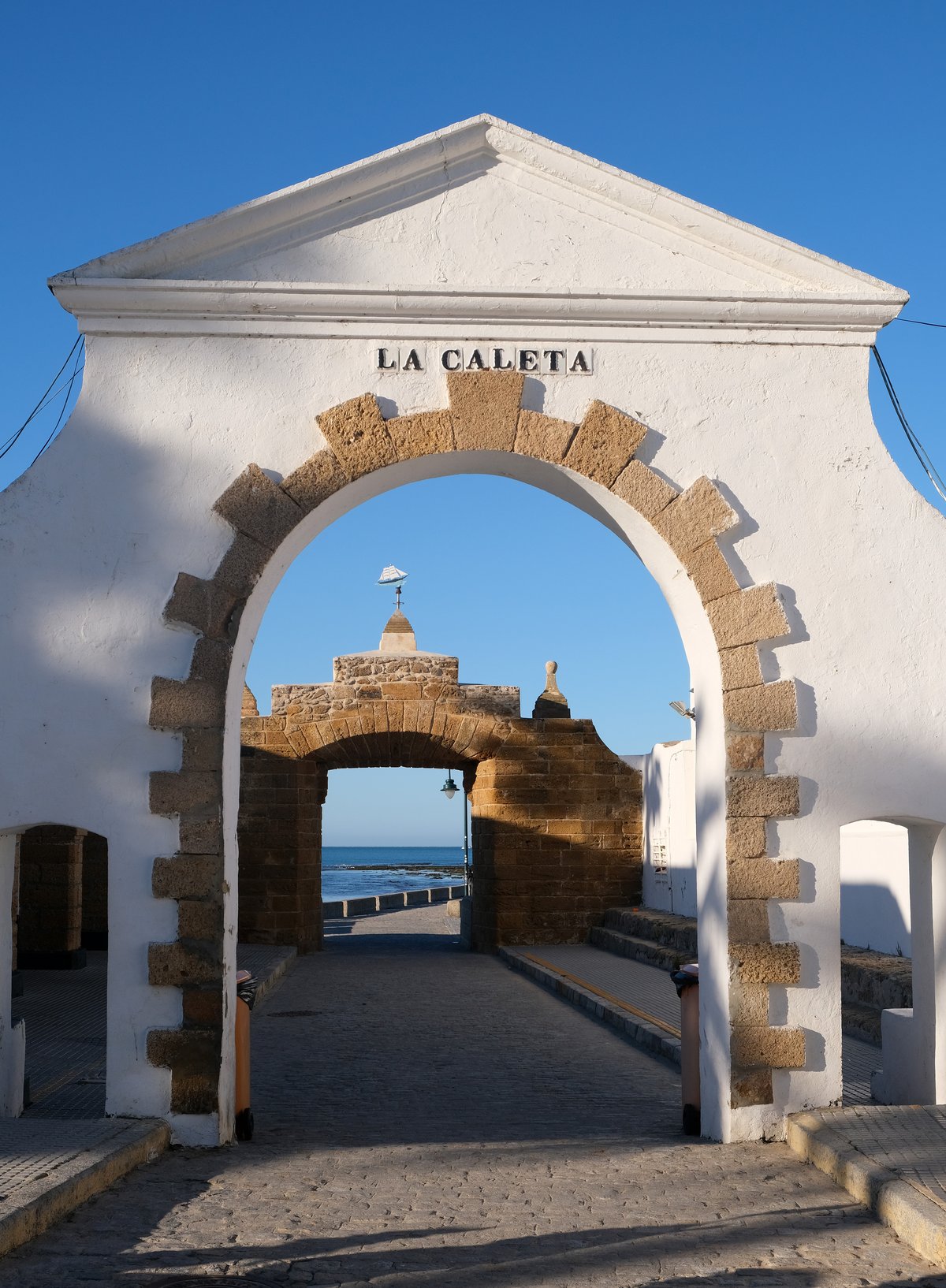
Constructed in 1676, the Baluarte del Orejón formed a crucial link in the chain of bastions defending Cádiz’s vulnerable western coastline. Its proximity to the historic Puerta de la Caleta, a gate that could be sealed during sieges, highlights its dual purpose as both fortification and checkpoint (Urbipedia). The robust design—thick masonry walls, angular projections, and vaulted chambers—enabled it to withstand artillery fire and store supplies, reflecting the city’s importance as a gateway to the Atlantic and the Americas.
Civil Adaptation and Club Marte
As Cádiz’s military threats waned, the bastion transitioned to civilian use. In the 20th century, it housed Club Marte, a social venue for naval sub-officers and their families, which altered the original profile but ensured the baluarte’s continued relevance in local life (Diario de Cádiz).
Architectural Evolution and Restoration
Original Features
The bastion’s original design included:
- Thick masonry walls and angular buttresses for defense.
- Vaulted chambers at its extremities for storage and troop shelter.
- Central open patio for artillery and assembly.
- Elevated position for expansive views over La Caleta and the Atlantic (Diario de Cádiz).
Rehabilitation (2023–2025)
A major restoration, completed in 2025, transformed the baluarte into an accessible cultural space while preserving its historic integrity. Key interventions included:
- Demolition of non-historic additions from the Club Marte era.
- Construction of a single-story structure harmonizing with the original architecture, crowned by a glazed terrace for panoramic events.
- Restoration of vaulted chambers and patios, maintaining historic materials and forms.
- Accessibility improvements with ramps and clear pathways (Cadiz Noticias; La Voz del Sur).
This approach balanced heritage preservation with modern functionality, making the baluarte a benchmark for adaptive reuse.
Visiting Hours, Tickets, and Accessibility
Opening Hours
- General Opening Tuesday–Sunday, 10:00 AM–6:00 PM.
- Closed Mondays and public holidays.
- Event-Based Access During special exhibitions, performances, and workshops, hours may extend or vary. For the most current schedule, check the municipal cultural agenda or official Cádiz cultural portal.
Admission
- Free for Cádiz residents and children under 12.
- General admission €3 (discounts for students, seniors, and groups).
- Special events Some may require advance registration or a modest fee.
- Tickets Available online via the city’s tourism website or at the entrance.
Accessibility
- Main spaces are accessible via ramps and level pathways.
- Upper terrace requires stair access; visitors with mobility needs should contact the venue for assistance.
- Restrooms and seating provided.
Getting There
- On foot Easily accessible from Cádiz’s city center.
- By public transport Several bus routes stop nearby.
- By car Limited parking in La Viña; public transport or walking is recommended due to narrow streets.
Cultural Significance and Programming
From Fortress to Cultural Beacon
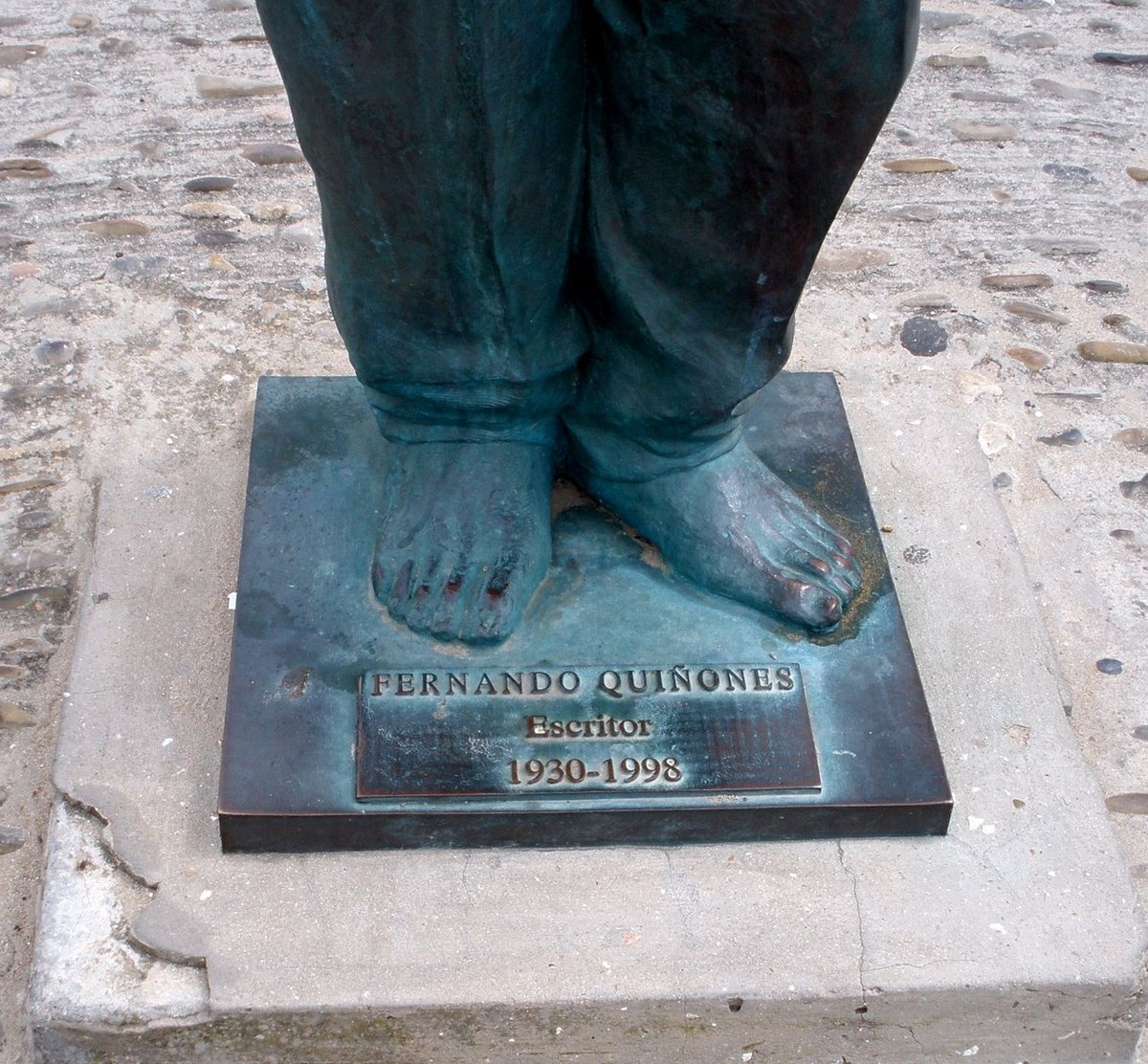
Baluarte del Orejón is now a dynamic cultural venue, reflecting Cádiz’s tradition of repurposing historic sites for public enrichment. It is home to the Asociación Amigos de Fernando Quiñones and hosts:
- Art exhibitions (rotating local and regional displays)
- Workshops (creative, educational, and literary)
- Concerts and performances
- Community events and civic gatherings
The space is managed collaboratively by local associations and the municipal culture foundation, reinforcing its role as a center for participatory culture (Portal de Cádiz; Cádiz Directo).
Integration with City Life
The baluarte’s location near La Caleta beach, Castillo de San Sebastián, and the bustling La Viña neighborhood places it at the heart of Cádiz’s sociocultural network. Its terrace is a celebrated spot for sunset views and photography, while its restored interiors host intimate gatherings and grand events alike.
Practical Tips and Visitor Experience
- Check event calendars The baluarte often operates on an event-based schedule.
- Arrive early for sunset The terrace is popular and can fill quickly.
- Combine with nearby attractions Visit Castillo de San Sebastián, stroll along Paseo Fernando Quiñones, or relax at La Caleta.
- No food or drink service Enjoy local cuisine in the surrounding neighborhood.
- Bring sun protection The terrace is exposed and Cádiz’s coastal weather can be breezy.
- Language Most programming is in Spanish; some major events offer English translation.
Frequently Asked Questions (FAQ)
Q: Is there an entrance fee for Baluarte del Orejón?
A: Admission is free for Cádiz residents and children under 12; general admission is €3. Some events may require registration.
Q: Are guided tours available?
A: Yes, on weekends and during special events (Spanish and English). Booking ahead is advised.
Q: Is the site wheelchair accessible?
A: Main areas are accessible; the upper terrace requires stairs. Contact staff for assistance.
Q: Can I book the venue for private or corporate events?
A: The space is reserved for cultural/community activities; applications via the Fundación Municipal de Cultura.
Q: Where can I find up-to-date schedules and event information?
A: Visit the official Cádiz cultural portal or follow Cádiz tourism on social media.
Visuals and Maps
- View map of Baluarte del Orejón’s location in Cádiz
- Glazed terrace overlooking La Caleta