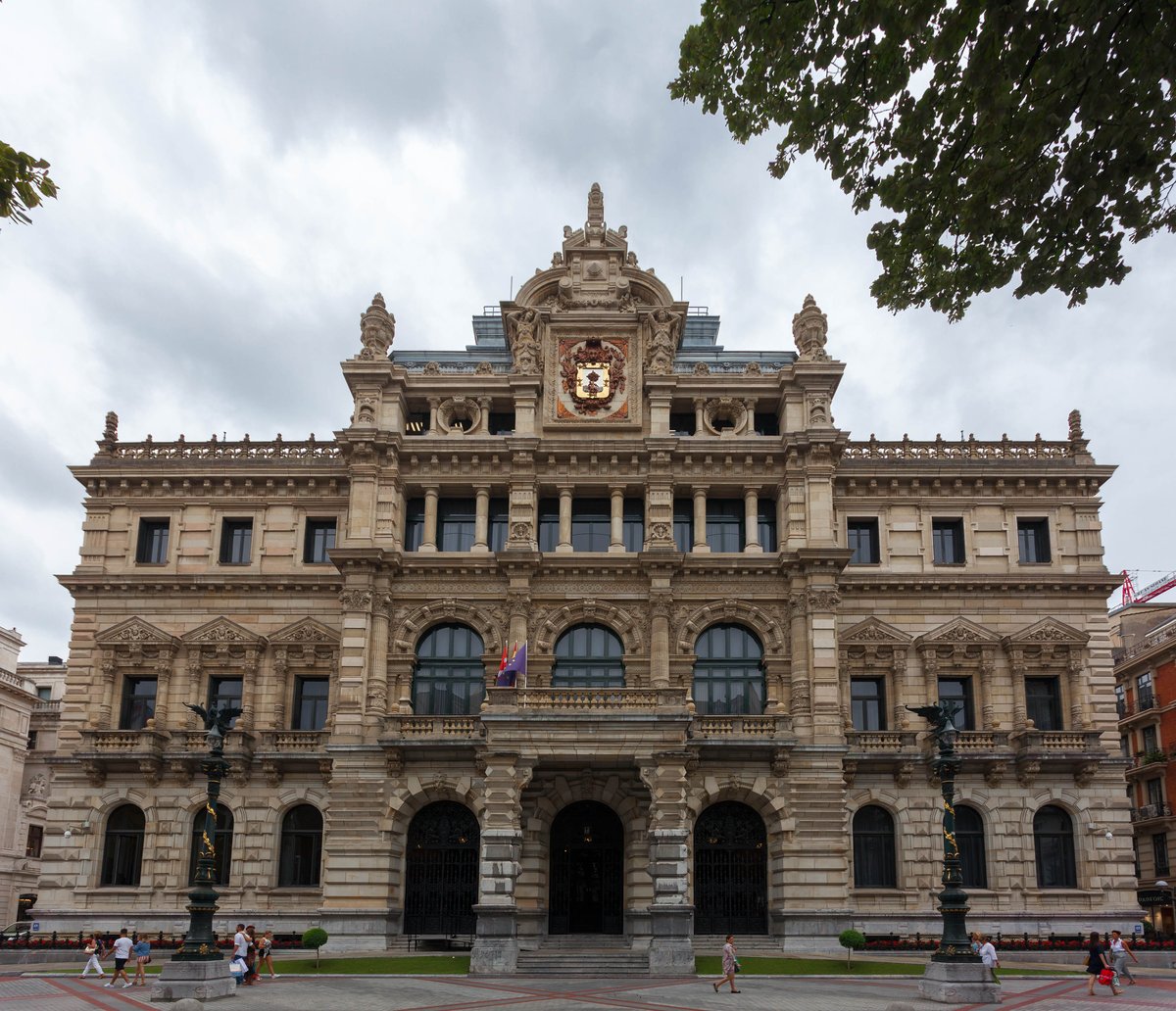
Introduction
Teatro Arriaga, proudly situated at the gateway to Bilbao’s historic Casco Viejo, is a magnificent testament to the city’s artistic heritage and urban transformation. Renowned for its Neo-Baroque architecture inspired by Paris’s Palais Garnier, its storied history, and its dynamic role in Bilbao’s cultural life, the theatre draws locals and travelers alike. Whether you are an architecture enthusiast, a music lover, or a cultural explorer, this guide provides everything you need to plan your visit—covering visiting hours, ticket information, accessibility, architectural highlights, nearby attractions, and practical travel tips.
For the latest updates and bookings, refer to the official Teatro Arriaga website and consult trusted sources such as Euskadi Tourism and Bilbao Turismo.
Photo Gallery
Explore Teatro Arriaga in Pictures
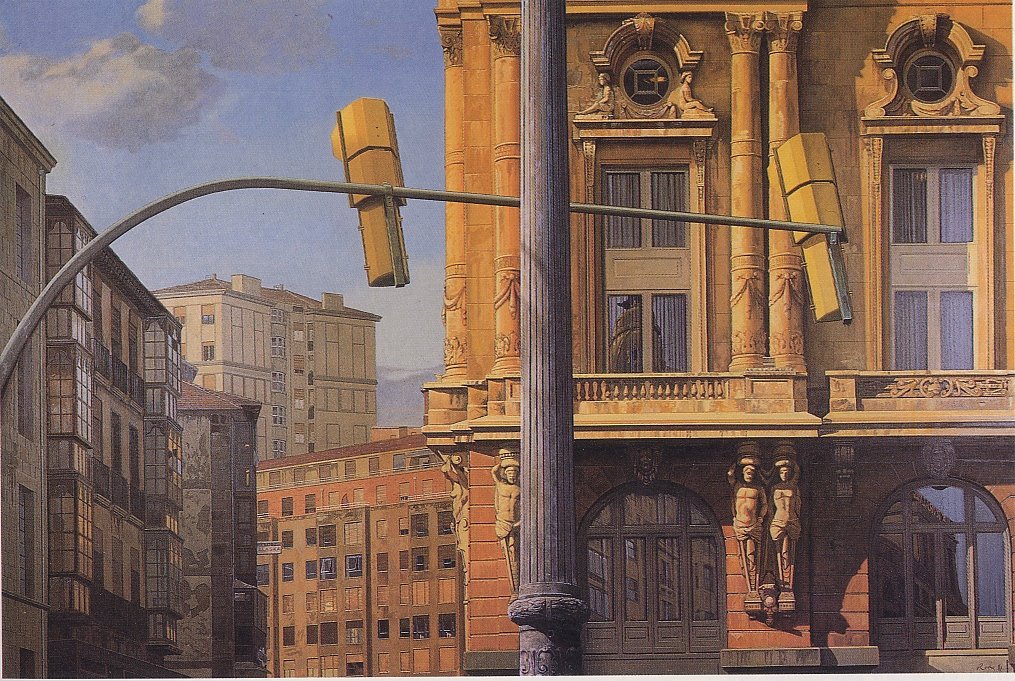
Detailed close-up image showcasing the architectural features of Teatro Arriaga and the La Ribera area in 1987.
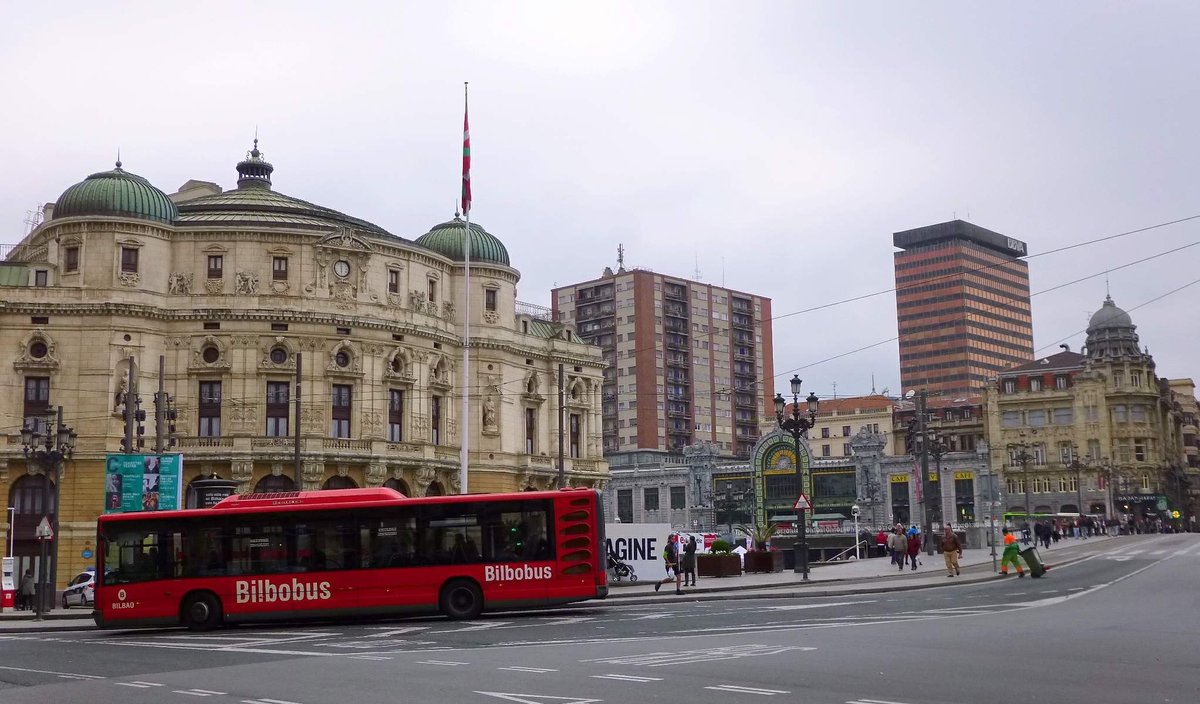
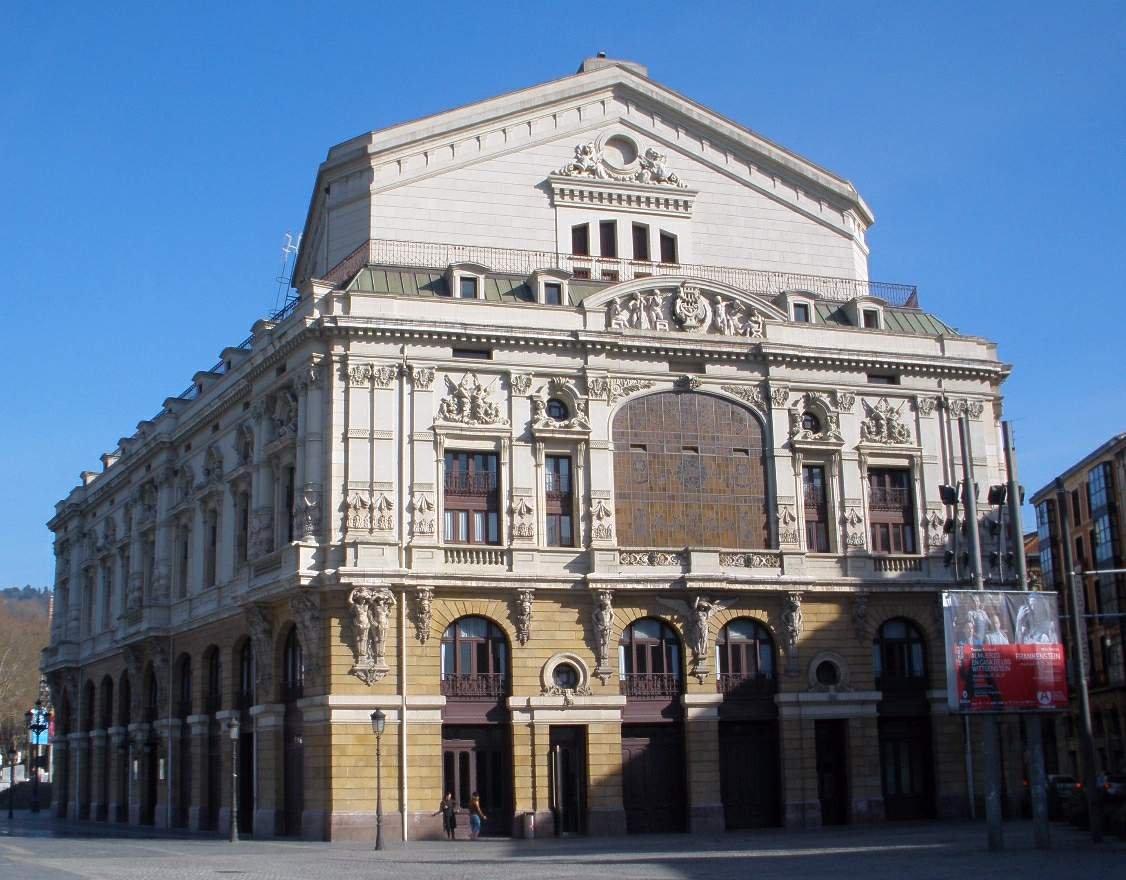
View of El Arenal square and the historic Teatro Arriaga in Bilbao, Spain
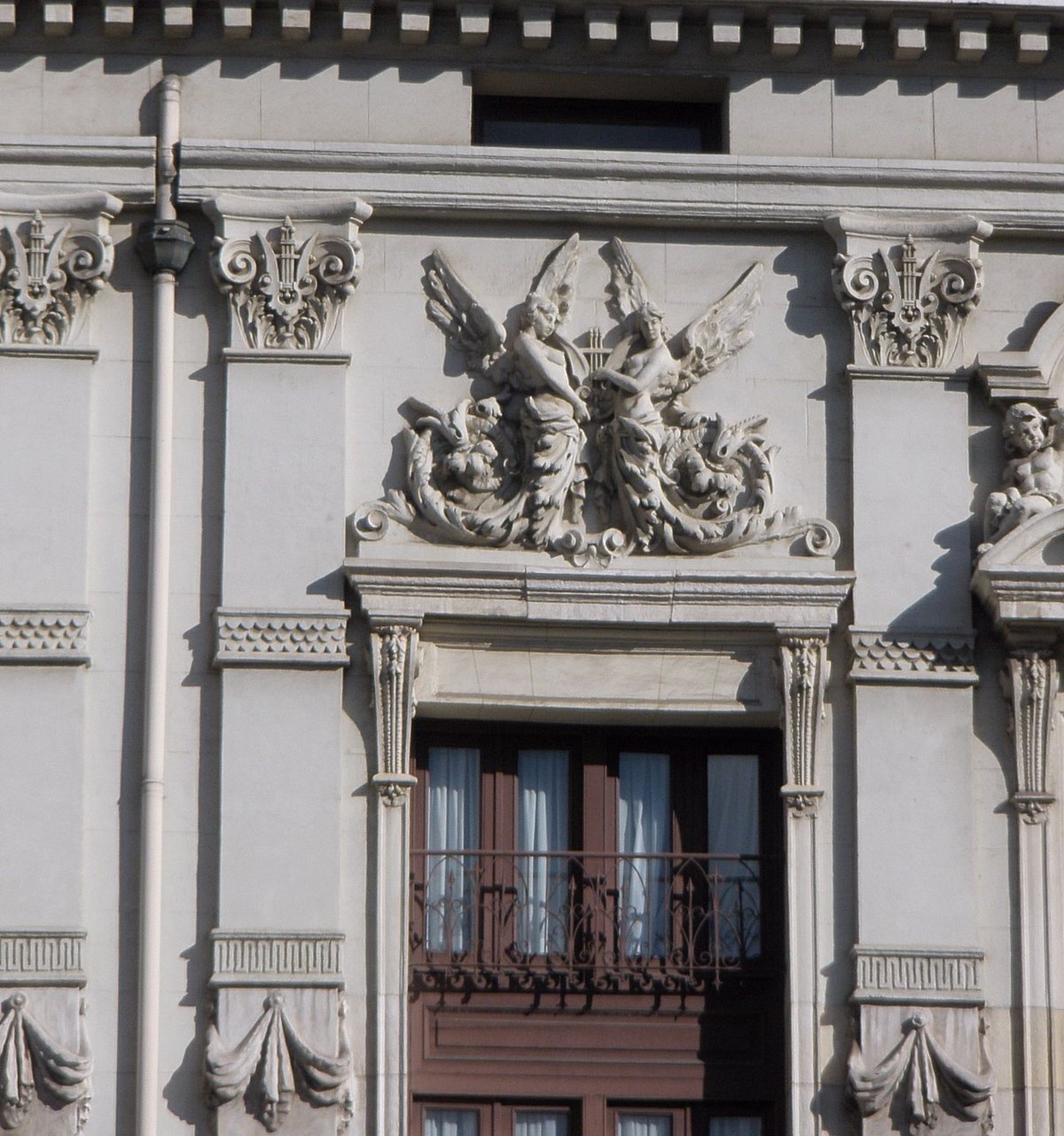
Close-up of the detailed architectural reliefs on the facade of Teatro Arriaga in Bilbao
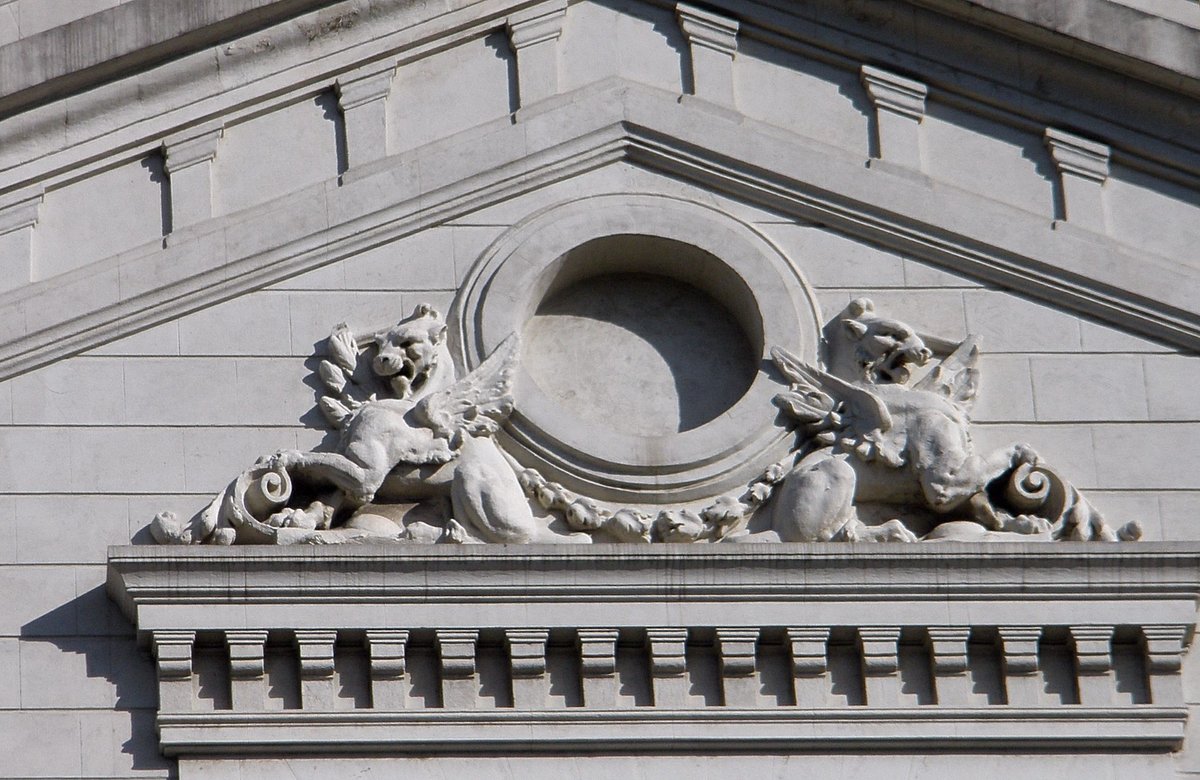
Close-up view of detailed architectural reliefs decorating the exterior facade of Teatro Arriaga, a historic theater located in Bilbao, Spain.
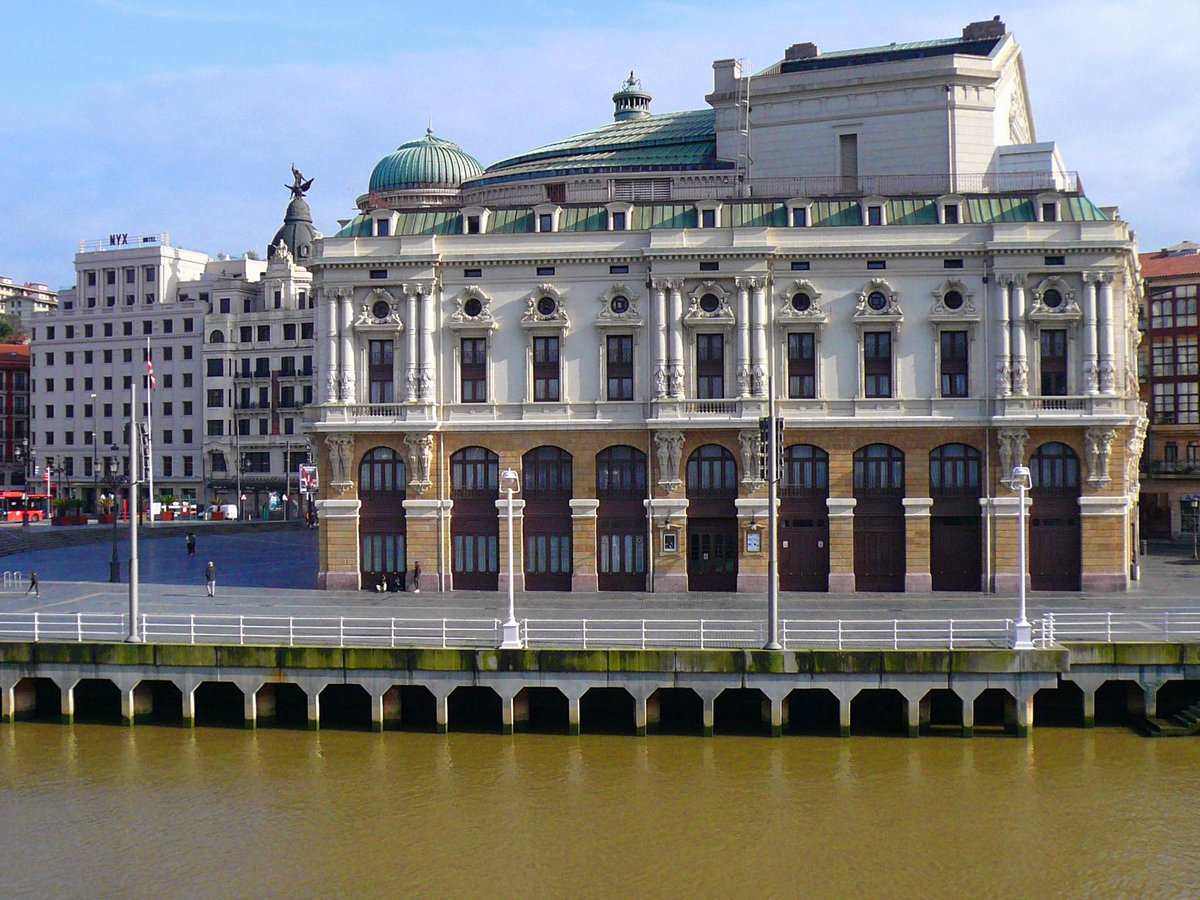
Exterior view of Teatro Arriaga, a historic theater in Bilbao, featuring intricate architectural details and grand entrance
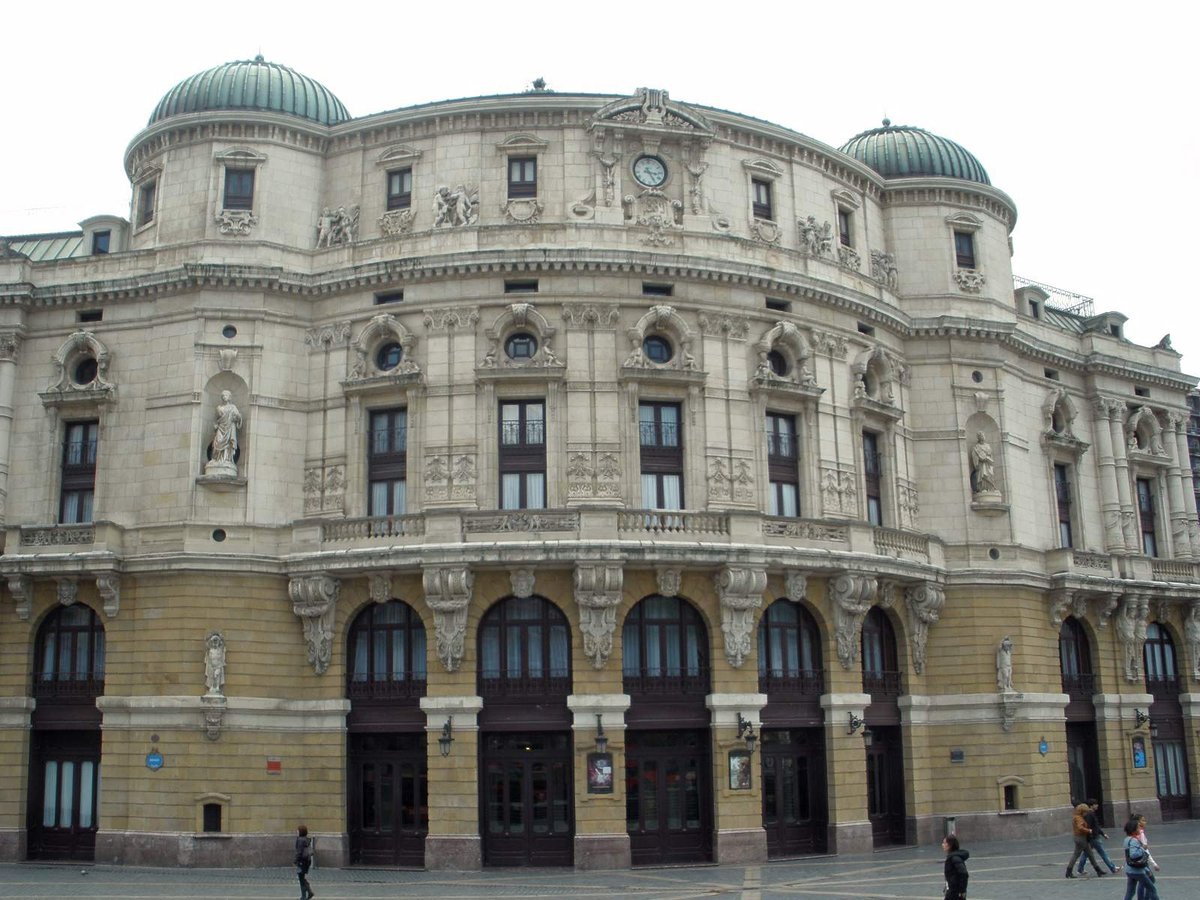
Photograph of the historic Teatro Arriaga building located in Bilbao, showcasing its architectural details and facade.
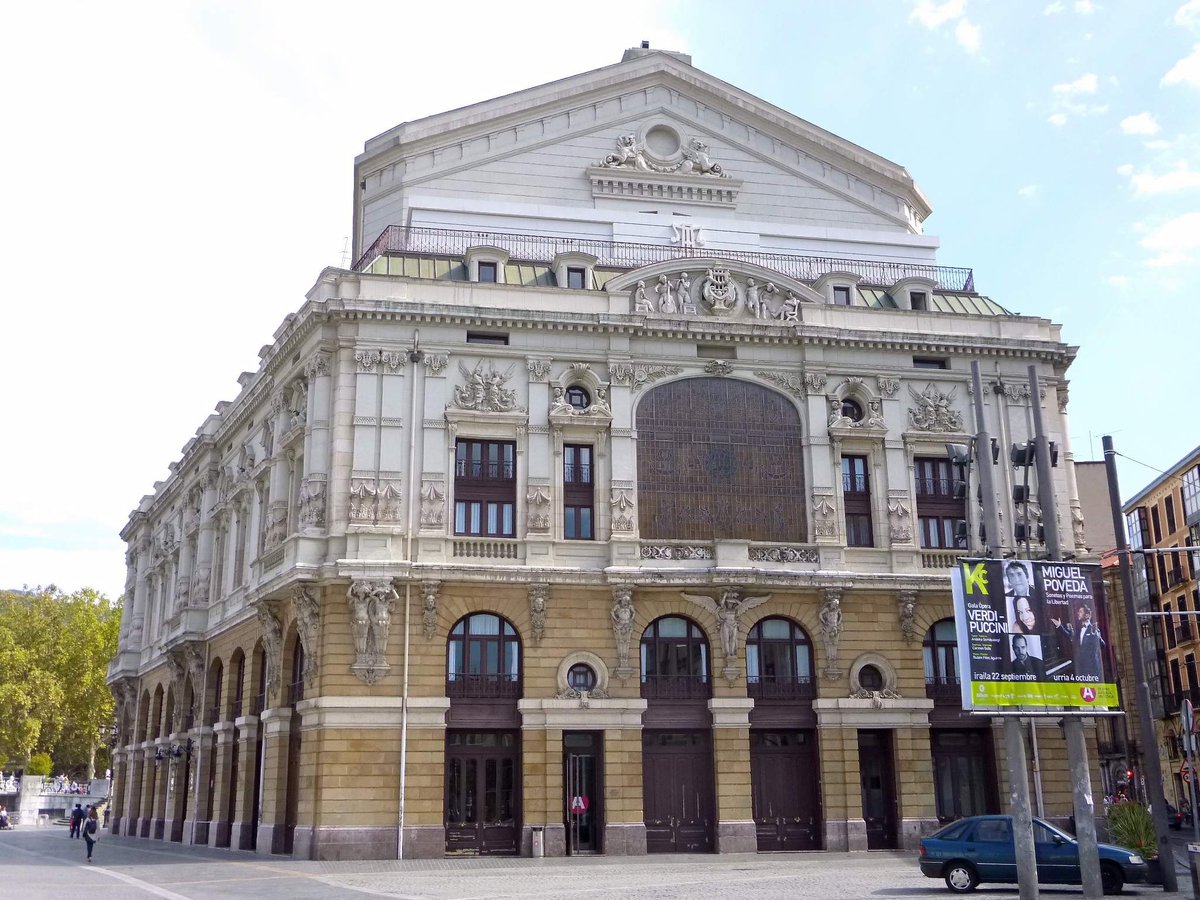
Beautiful exterior view of the historic Teatro Arriaga theater in Bilbao, Spain showing its architectural details and surrounding area.
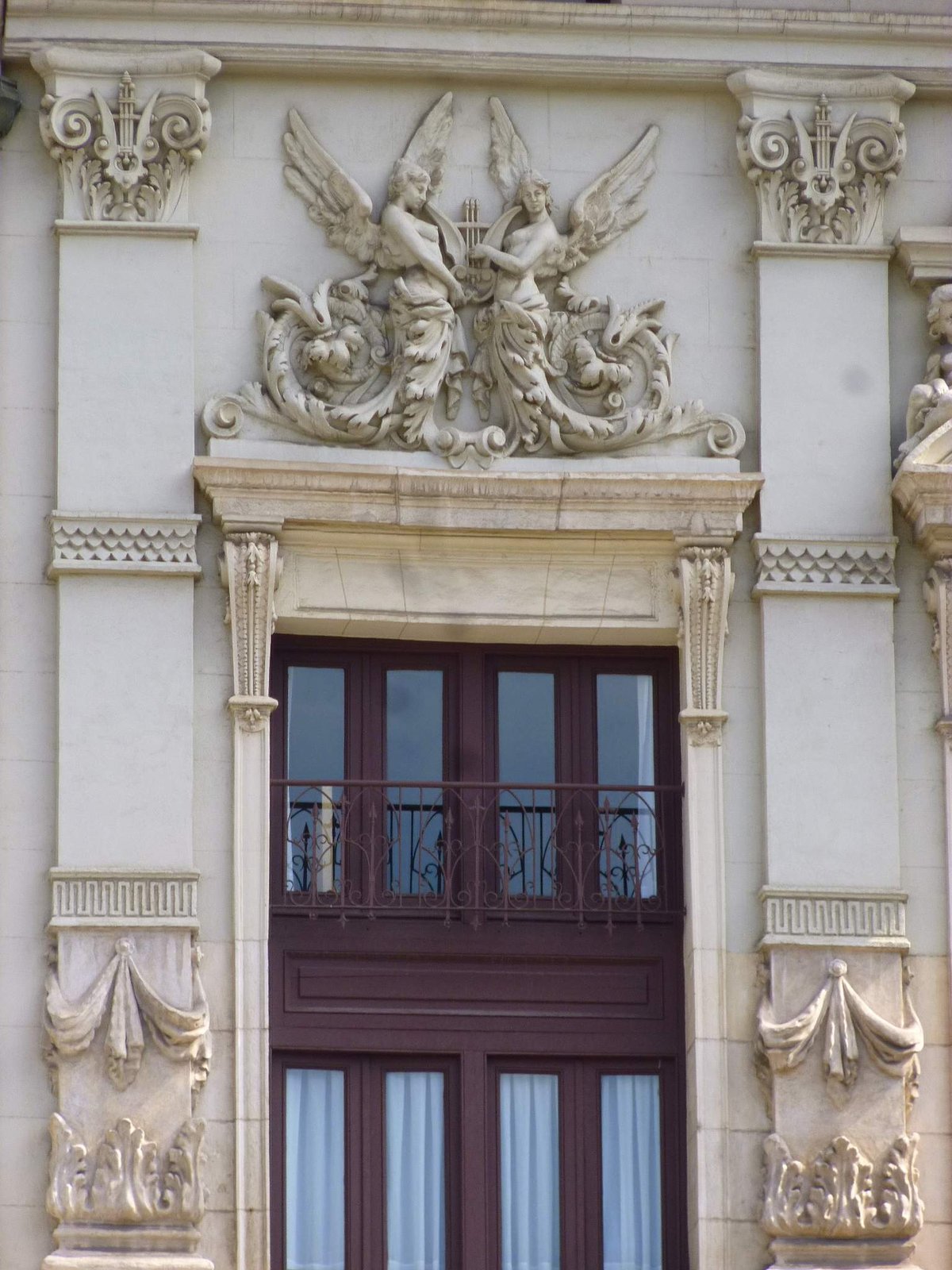
Exterior view of the Teatro Arriaga showcasing its classical architectural style in Bilbao
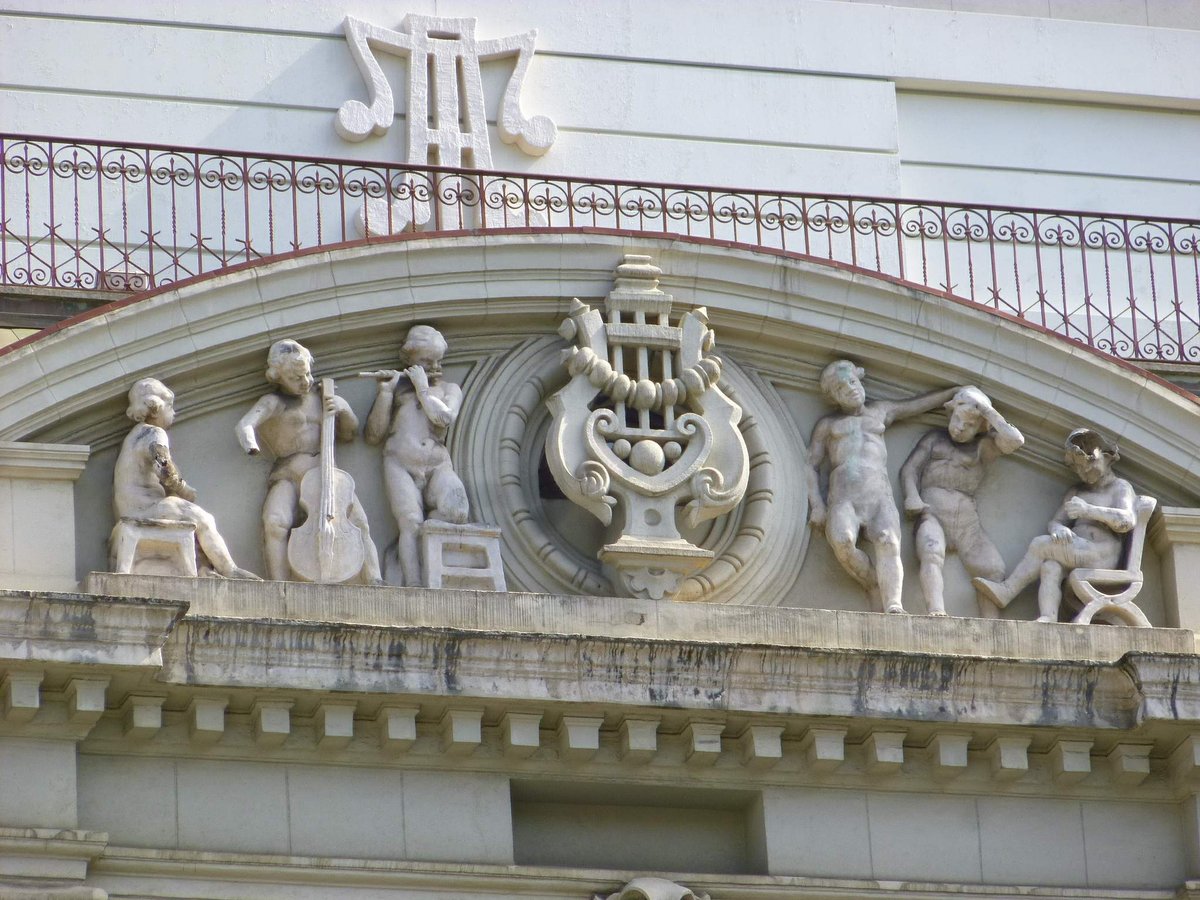
Photograph of Teatro Arriaga, a classical theater located in Bilbao, showcasing its historic façade and architectural details.
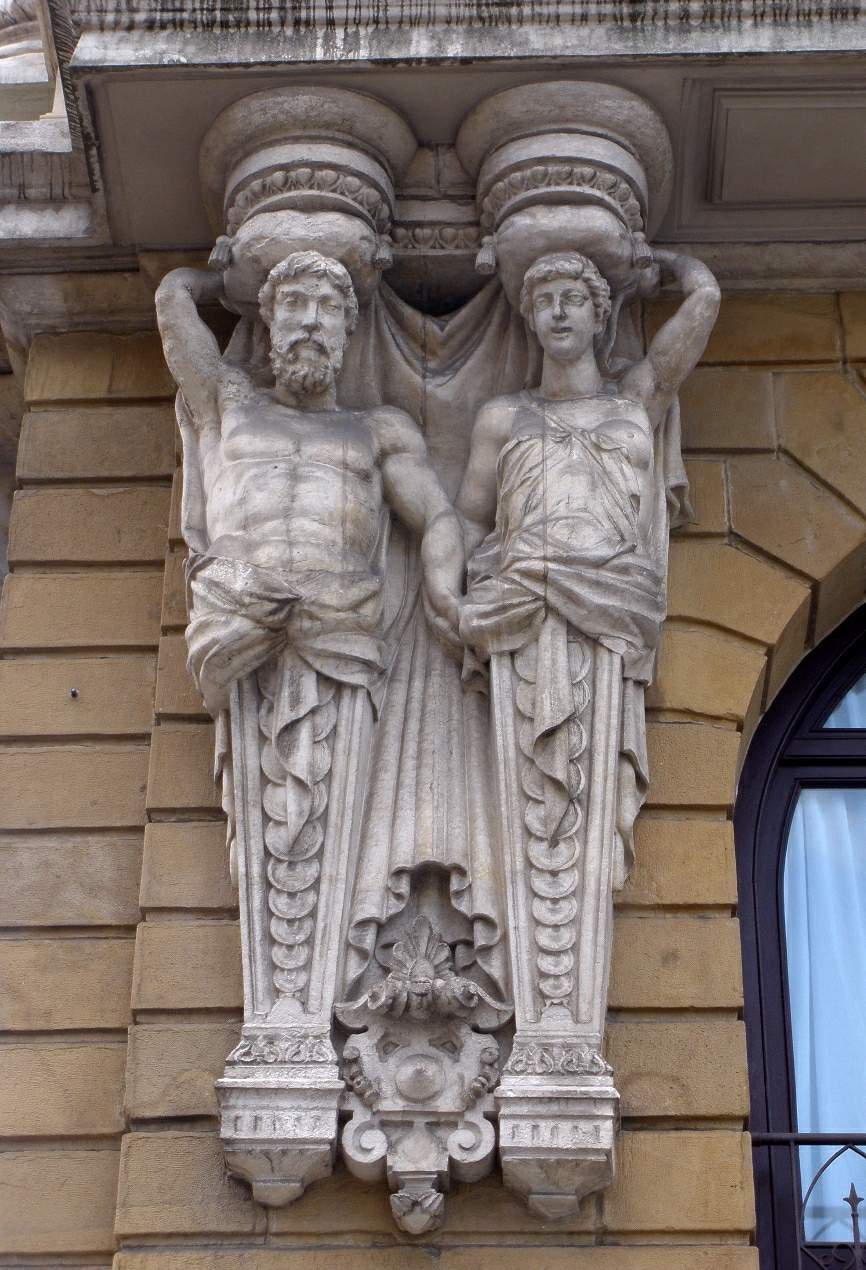
Ornate caryatid sculptures adorning the facade of the Arriaga Theater in Bilbao, showcasing classical architectural elements.
The iconic Teatro Arriaga theater in Bilbao, Spain, captured at dusk with its beautifully illuminated facade showcasing classical architectural details.
1. History and Cultural Significance
Origins and Construction
Teatro Arriaga, or Arriaga Antzokia in Basque, was designed by Joaquín Rucoba and completed in 1890 during a period of rapid urban expansion in Bilbao. Its design drew direct inspiration from the Paris Opera House, evident in its ornate façade, symmetrical towers, and grand clock. Built with the ambition to position Bilbao as a cosmopolitan center, the theatre’s Neo-Baroque style and iron framework—crafted by local foundries—reflected both cultural aspiration and industrial prowess (Spotting History; Euskadi Tourism).
Dedication to Juan Crisóstomo de Arriaga
Named in honor of Bilbao-born composer Juan Crisóstomo de Arriaga, often called the “Spanish Mozart,” the theatre stands as a tribute to local talent. Although Arriaga’s life was brief, his legacy endures, and the theatre’s artistic programming continues to celebrate both Basque and international music (Wikipedia).
Architectural and Historical Resilience
Since its opening, Teatro Arriaga has survived a devastating fire in 1914, significant floods in 1983, and periods of neglect. Careful restorations, particularly the major 1986 renovation by Francisco Hurtado de Saracho, have preserved its historical splendor while updating facilities for contemporary audiences (Nomads Travel Guide; Spain.info; Eusko Ikaskuntza PDF).
2. Architectural Highlights
Exterior Features
- Grand Façade: Neo-Baroque symmetry, twin polygonal towers, central pediment with clock, stone and stucco ornamentation, and a bust of Arriaga above the imperial staircase.
- Iron Framework: An innovative feature for its era, symbolizing Bilbao’s industrial heritage (Eusko Ikaskuntza PDF).
- Cultural Gateway: The building’s riverside location at Plaza Arriaga makes it a focal point between Bilbao’s old town and the modern city (Bilbao Turismo).
Interior Features
- Horseshoe-Shaped Auditorium: Seats approximately 1,200, designed for exceptional acoustics and visibility.
- Imperial Staircase and Grand Foyer: Lavishly decorated with period furniture and Royal National Tapestry Factory carpets (Nomads Travel Guide).
- Salon Isabelina and Orient Express Room: Accessible via guided tours, these exclusive rooms showcase the theatre’s opulent history.
- Historical Costume Collection: Exhibited for visitors during tours.
- Gilded Moldings, Velvet Seats, and Ceiling Frescoes: Embodying the theatre’s grandeur and attention to detail (Spain.info).
3. Visiting Hours and Ticket Information
- Guided Tours: Generally available on weekends in Basque, Spanish, and English. Tours last about 50 minutes and provide access to unique spaces and historical exhibits. Check the official website for current schedules.
- Performance Hours: Vary by event; most evening performances start at 7:30 PM or 8:00 PM, with occasional matinees.
- Box Office: Open Monday to Saturday, 10:00 AM–2:00 PM and 4:00 PM–7:00 PM. Closed Sundays and public holidays (Operabase).
- Ticket Prices: Range from €10–€60 depending on production, with discounts for students, seniors, groups, and children. Guided tour tickets are typically €5 (general) or €3 (reduced), with free entry for minors under 18 and students under 25 (subject to availability).
- Purchasing Tickets: Tickets are available online via the official Teatro Arriaga website, at the theatre’s box office, and through authorized vendors.
4. Accessibility
Teatro Arriaga is committed to inclusivity:
- Mobility: Ramps, elevators, and reserved seating for wheelchair users.
- Hearing & Visual Assistance: Some shows offer audio description and sign language interpretation.
- Accessible Restrooms: Located on main floors.
- Advance Requests: Contact the box office in advance for specific needs (Barceló Guide).
5. Directions and Travel Tips
- Location: Plaza Arriaga, at the entrance to Casco Viejo (Old Town).
- Metro: Lines 1, 2, and 3 stop at Casco Viejo station.
- Train: Bilbao-Abando station is a 10-minute walk.
- Bus: Multiple city lines stop at ‘Arriaga’.
- Parking: Nearby garages available, but public transportation is recommended due to limited street parking and pedestrianized streets.
Arrive 30–45 minutes early to enjoy the architecture. Dress code is smart casual, especially for evening events. Photography is allowed in public areas before shows (but not during performances).
6. Programming and Events
Teatro Arriaga’s annual program features:
- Opera, Ballet, Classical Music, and Musicals: International and Basque productions (Operabase).
- Festivals: Key venue during Aste Nagusia and other cultural festivals (Spain Cultures).
- Family and Educational Shows: Including workshops and school matinees.
- Support for Emerging Artists: Commissions and platforms for new works.
Recent and upcoming events include Beethoven’s “Missa solemnis,” the musical “Mamma Mia!,” and commemorative concerts.
7. Nearby Attractions and Dining
Make the most of your visit by exploring:
- Casco Viejo (Old Town): Medieval streets, boutiques, pintxo bars (Adventure in You).
- Plaza Nueva: Renowned for its vibrant Sunday market.
- Bilbao Cathedral: Iconic Gothic architecture.
- Ribera Market: One of Europe’s largest covered markets (Global Travel Escapades).
- Azkuna Zentroa: Contemporary cultural center (Adventure in You).
- Guggenheim Museum: A short walk along the river.
Local cafes and restaurants offer an opportunity to savor Basque cuisine post-visit.
8. Special Features and Restoration
Teatro Arriaga’s resilience is evident in its survival and restoration after the 1914 fire and 1983 floods. Restoration works have ensured structural integrity while enhancing public spaces and technical capabilities, allowing the theatre to serve 21st-century audiences without sacrificing its historic character (Nomads Travel Guide).
9. Frequently Asked Questions (FAQ)
What are Teatro Arriaga’s visiting hours?
Guided tours usually run on weekends; box office hours are Monday to Saturday, 10:00 AM–2:00 PM and 4:00 PM–7:00 PM. Performance times vary. Check the official website for the latest information.
How do I purchase tickets?
Tickets are available online, at the box office, or through authorized vendors.
Is the theatre accessible?
Yes, Teatro Arriaga is wheelchair accessible with additional assistive services upon request.
Are guided tours available in English?
Yes, guided tours are offered in Basque, Spanish, and English.
What attractions are nearby?
Casco Viejo, Plaza Nueva, Bilbao Cathedral, Ribera Market, Azkuna Zentroa, and the Guggenheim Museum are all within walking distance.
Is photography allowed?
Yes, in public areas before performances, but not during shows.
10. Visuals and Media
Enhance your visit with high-quality images of the theatre’s façade, interiors, and historical salons. Look for official virtual tours and interactive maps on the theatre’s website. Descriptive alt text such as “Teatro Arriaga neo-baroque facade in Bilbao” and “Interior of Teatro Arriaga showcasing historic salons” is recommended for accessibility.
11. Summary: Key Tips and Recommendations
Teatro Arriaga is a living symbol of Bilbao’s artistic resilience, blending Neo-Baroque grandeur with innovative restorations. Accessible, centrally located, and committed to community engagement, it offers a rich program and the chance to explore the city’s history and culture. For an optimal experience:
- Check official hours and ticket info before visiting.
- Book tickets in advance, especially for popular events.
- Arrive early to explore the theatre and nearby sites.
- Consider guided tours for exclusive access and insights.
- Use public transport for convenience.
- Download the Audiala app for real-time updates and interactive tours.
Listen to the full story in the app
Your Personal Curator, in Your Pocket.
Audio guides for 1,100+ cities across 96 countries. History, stories, and local insight — offline ready.
Audiala App
Available on iOS & Android
Join 50k+ Curators
Sources
- verified
- verified
- verified
- verified
- verified
- verified
- verified
- verified
- verified
- verified
Last reviewed: