Introduction
Seberetxe, located on the outskirts of Bilbao, Spain, is a captivating enclave that encapsulates the layered history, architectural richness, and vibrant cultural traditions of the Basque Country. As a lesser-known yet historically significant neighborhood, Seberetxe offers visitors a window into Bilbao’s rural and aristocratic past, showcased through landmarks such as the Baroque Palacio Seberetxe and the ancient Asua farmhouse. These monuments, alongside communal spaces and evolving urban design, reflect the city’s journey from medieval trade crossroads to a modern, sustainable metropolis (Deia, explorecity.life).
This comprehensive guide delivers essential information for exploring Seberetxe: historical context, architectural highlights, visitor hours and tickets, accessibility, travel tips, local gastronomy, and integration with Bilbao’s broader attractions. Whether you’re drawn to history, architecture, art, or cuisine, Seberetxe promises an enriching and authentic Bilbao experience.
History and Cultural Importance
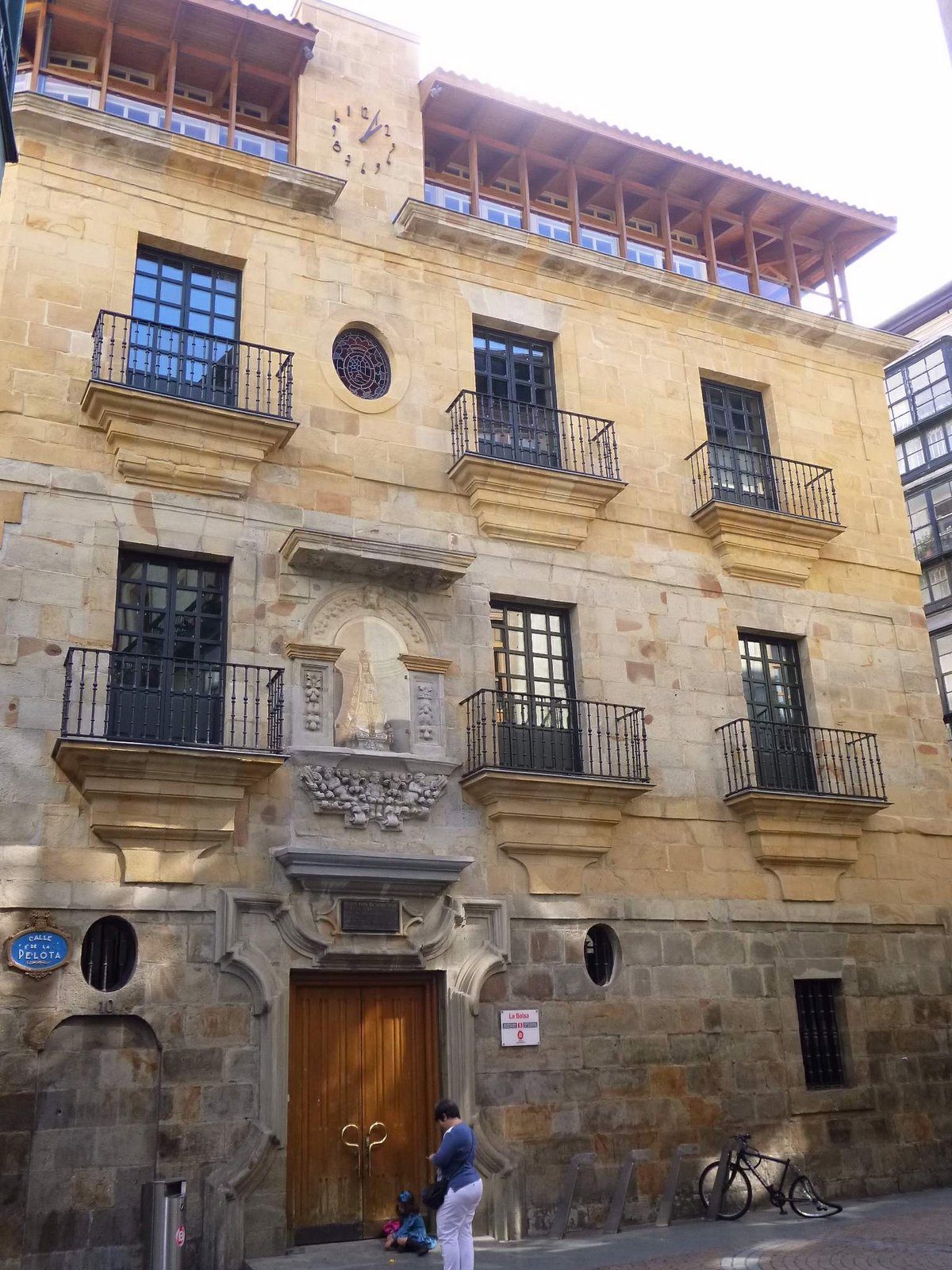
Seberetxe is distinguished by its deep historical roots within the Bilbao region. The 17th-century Palacio Seberetxe stands as one of the city’s rare Baroque palaces, its ornate façade a testament to the area’s aristocratic legacy. Adjacent to it, the Asua farmhouse—dating back to the 16th century—offers a glimpse into the rural traditions that once shaped the region. Both structures are protected monuments, underscoring their significance in the historic landscape traversed by the Camino Real, a trade route connecting Bilbao and Orduña (Deia).
Seberetxe is also notable as the birthplace of Casilda Iturrizar, a philanthropist influential in Bilbao’s social development. Communal spaces like the neighborhood washhouse further illustrate the social fabric and daily life of historic Basque communities (Spain Cultures).
Architectural Significance and Urban Transformation
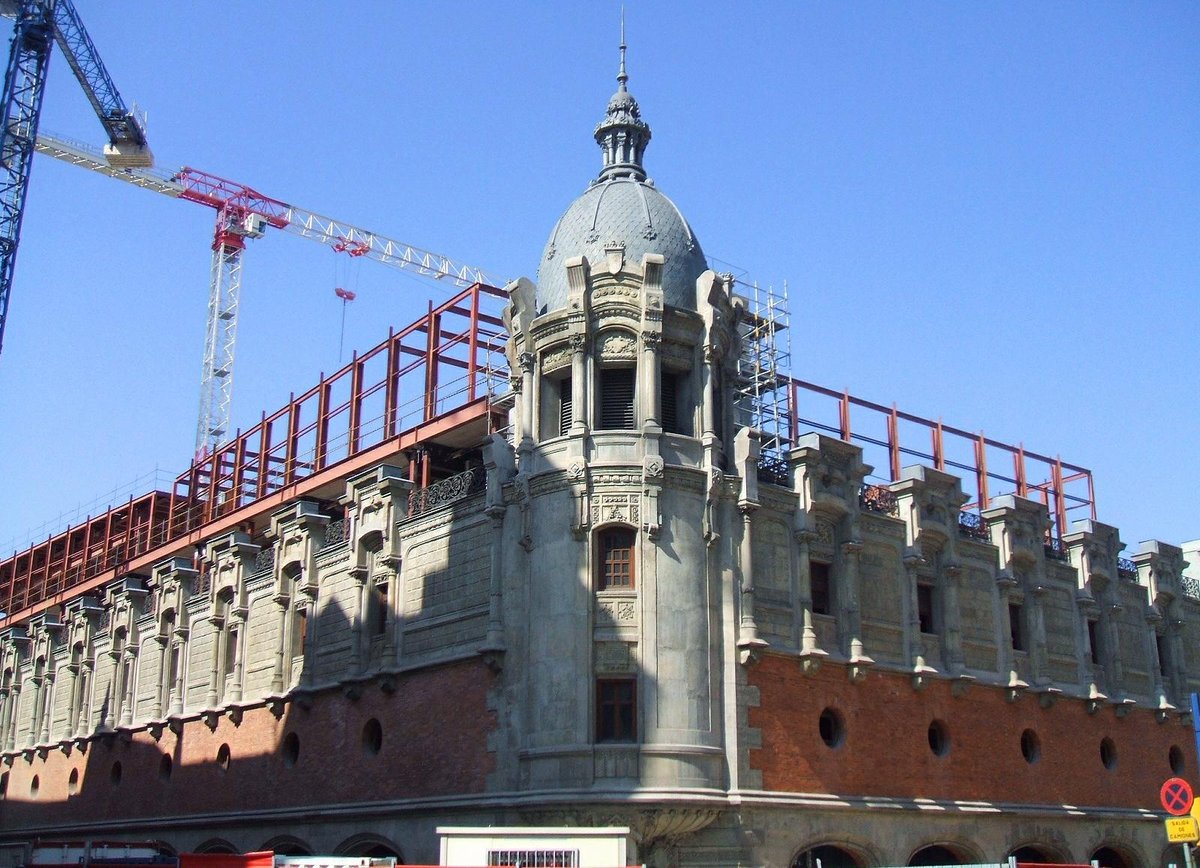
Seberetxe’s built environment reflects Bilbao’s transformation from a medieval and industrial hub to a city known for urban renewal and sustainable design. Baroque, rural, and industrial architectures coexist with contemporary adaptations, echoing the broader “Bilbao Effect” that redefined the city’s identity after the Guggenheim Museum’s arrival (archeyes.com).
Highlights
- Palacio Seberetxe: Exemplifies Baroque architecture, with protected status.
- Asua Farmhouse: One of Bilbao’s oldest rural structures.
- Industrial Heritage: Revitalized warehouses now serve as cultural centers and creative spaces.
- Contemporary Sustainable Design: Newer constructions feature green roofs, solar panels, and pedestrian-friendly layouts (explorecity.life).
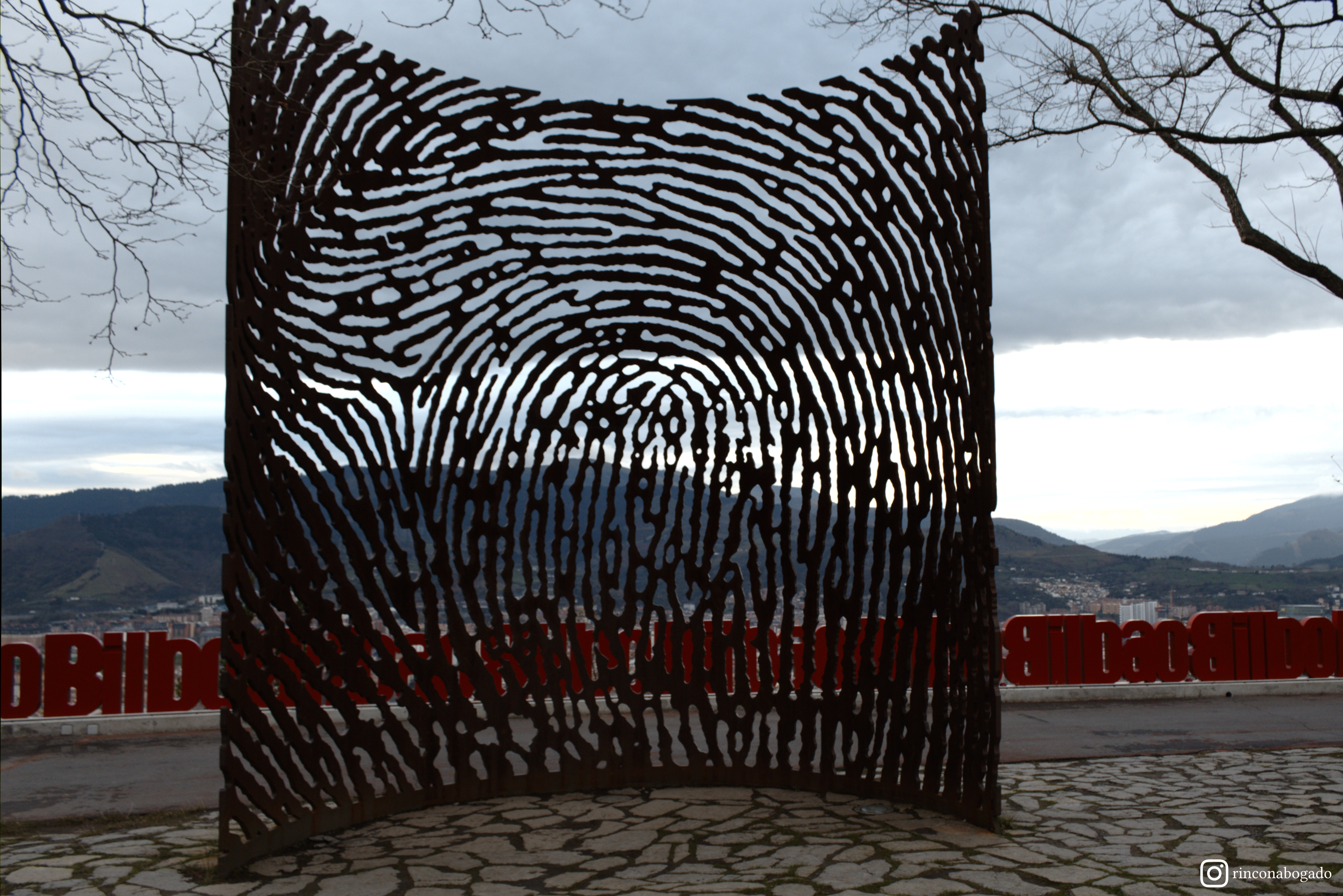
- Public Art: Street murals and installations enliven plazas and promenades, expressing Basque identity (spaincultures.com).
Visiting Seberetxe: Hours, Tickets & Accessibility
Visiting Hours
- Palacio Seberetxe: Tuesday–Sunday, 10:00–18:00.
- Asua Farmhouse & Washhouse: Open for exterior viewing during daylight hours.
Note: Hours may vary for holidays or special events; confirm with official tourism sources before your visit.
Tickets and Entry
- Palacio Seberetxe: €5 general admission, €3 for students and seniors. Guided tours may require an additional fee.
- Other Sites: No entry fee.
Advance booking is recommended during peak travel periods. Tickets are sold online and at the entrance.
Accessibility
Seberetxe’s principal sites offer partial wheelchair access. Palacio Seberetxe provides ramps and accessible restrooms; however, the Asua farmhouse and certain historic areas may pose challenges due to their age. Inquire ahead if you have specific mobility needs.
Getting There and Local Navigation
Seberetxe is easily reached via Bilbao’s public transport network:
- Bus/Taxi: Direct routes from the city center.
- Metro/Tram: Closest stations connect via local bus lines.
- Cycling/Walking: Pleasant routes for those who prefer active exploration (Leisure Cycle Tours).
Parking is limited; public transport is recommended. Seberetxe is best explored on foot.
What to See and Do
- Explore Palacio Seberetxe: Guided tours reveal aristocratic life and Baroque artistry.
- Visit Asua Farmhouse: Experience the oldest rural architecture in the area.
- Discover the Washhouse: Learn about communal traditions and social history.
- Enjoy Scenic Walks: Experience the contrast between rural tranquility and urban proximity.
- Attend Special Events: Check for local festivals or art exhibitions throughout the year.
Cultural Etiquette and Language
Spanish and Euskara (Basque) are spoken. Basic greetings in both languages are appreciated. Dress modestly at historical sites and respect local customs. Photography is generally allowed, but always check for restrictions, especially indoors (Cities Insider).
Culinary Highlights
Seberetxe and Bilbao boast a renowned Basque culinary scene:
- Pintxos: Sample traditional Basque small bites at local bars in Casco Viejo or Seberetxe.
- Bacalao a la Vizcaína & Pil-Pil: Iconic cod dishes.
- Marmitako & Txangurro: Hearty stews and seafood specialties.
- Markets & Michelin Stars: Visit La Ribera Market or reserve at Michelin-starred restaurants for gourmet experiences (Bilbao Turismo, Cozymeal, Tourist Secrets).
Travel Tips and Seasonal Considerations
- Best Time to Visit: Spring and autumn for mild weather; summer for festivals and extended daylight (Turispanish, Bilbao Smart Tours).
- Packing: Layered clothing, waterproof outerwear, comfortable walking shoes, camera, and water.
- Amenities: Pharmacies, supermarkets, and ATMs are accessible in nearby districts.
- Safety: Bilbao is safe, with potable tap water and good healthcare access (Full Suitcase).
Frequently Asked Questions
Q: Are guided tours available?
A: Yes, local guides offer tours of Palacio Seberetxe and the neighborhood. Book in advance for peak season.
Q: Is Seberetxe accessible for people with disabilities?
A: Main sites offer partial accessibility; check with venues for specific needs.
Q: How do I get tickets?
A: Purchase online or at the entrance. Some days offer free or discounted entry.
Q: Where can I eat nearby?
A: Numerous pintxos bars and traditional eateries are found in Seberetxe, Casco Viejo, and the wider Bilbao area.
Q: What else should I see in Bilbao?
A: Combine your visit with the Guggenheim Museum, Casco Viejo, and local festivals for a full experience (authenticbasquecountry.com).
Visuals and Media
Enhance your planning with interactive maps and virtual tours available on official Bilbao tourism websites. View photo galleries of Seberetxe’s architectural highlights for inspiration.
Listen to the full story in the app
Your Personal Curator, in Your Pocket.
Audio guides for 1,100+ cities across 96 countries. History, stories, and local insight — offline ready.
Audiala App
Available on iOS & Android
Join 50k+ Curators
Sources
- verified
- verified
- verified
- verified
- verified
- verified
- verified
- verified
Last reviewed: