Plan and listen to San Antón Bridge with Audiala.
Audio guide in your pocket, itinerary in your browser. Built for the way you actually visit.
Introduction
San Antón Bridge (Spanish: Puente de San Antón, Basque: San Antongo zubia) stands as one of Bilbao’s most iconic and enduring landmarks. Steeped in history, it not only serves as a vital connection across the Nervión River but also stands as a powerful symbol of the city’s resilience, cultural heritage, and civic pride. This detailed guide covers everything you need to know about visiting San Antón Bridge, including its rich history, architectural features, practical visiting information, nearby attractions, and expert travel tips.

Medieval Origins and Early Importance
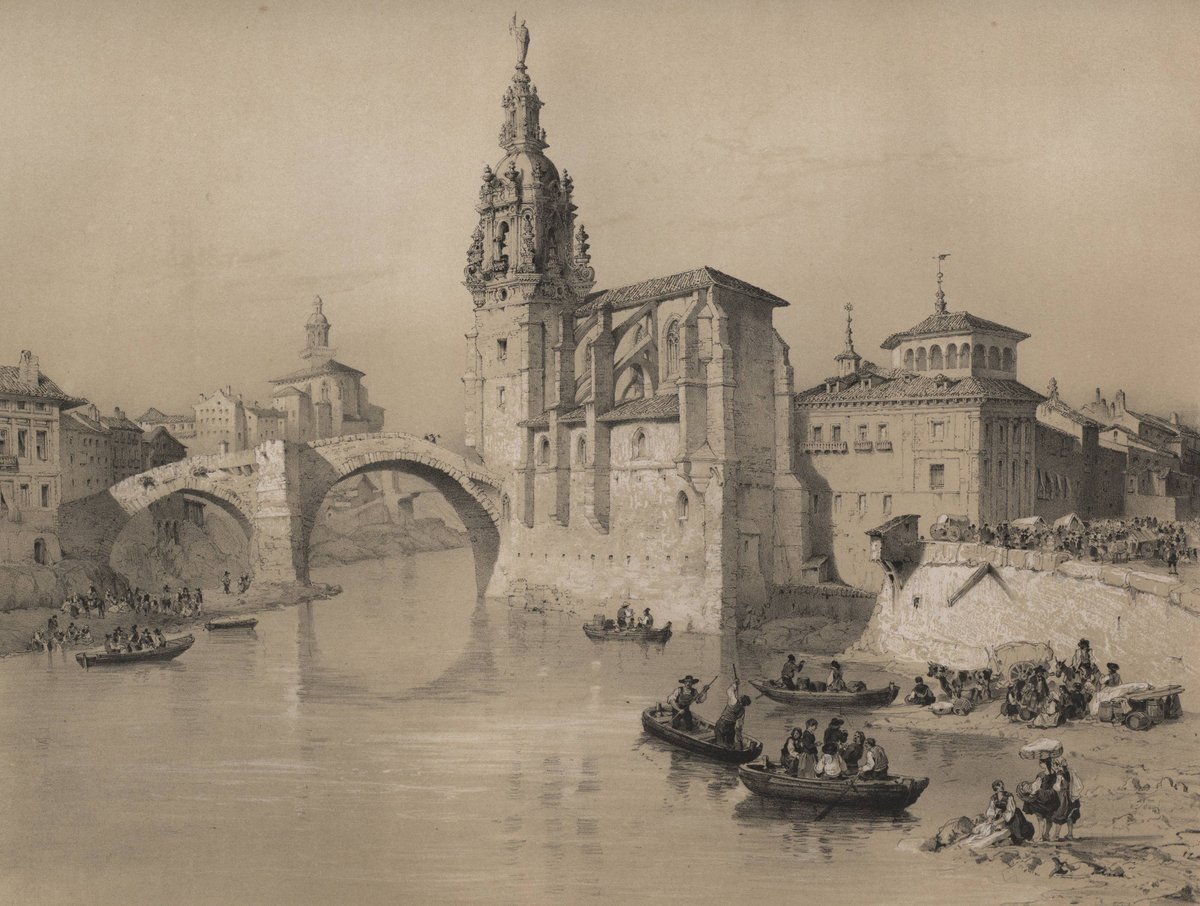
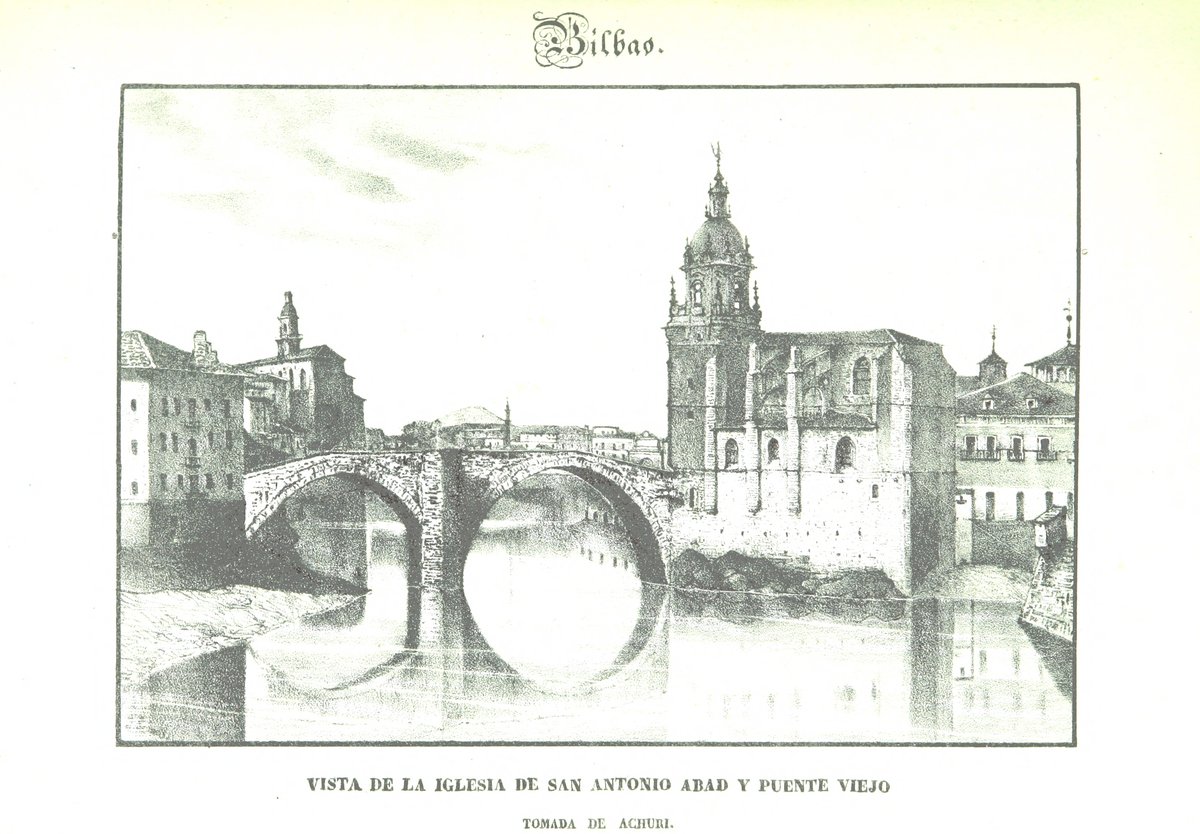
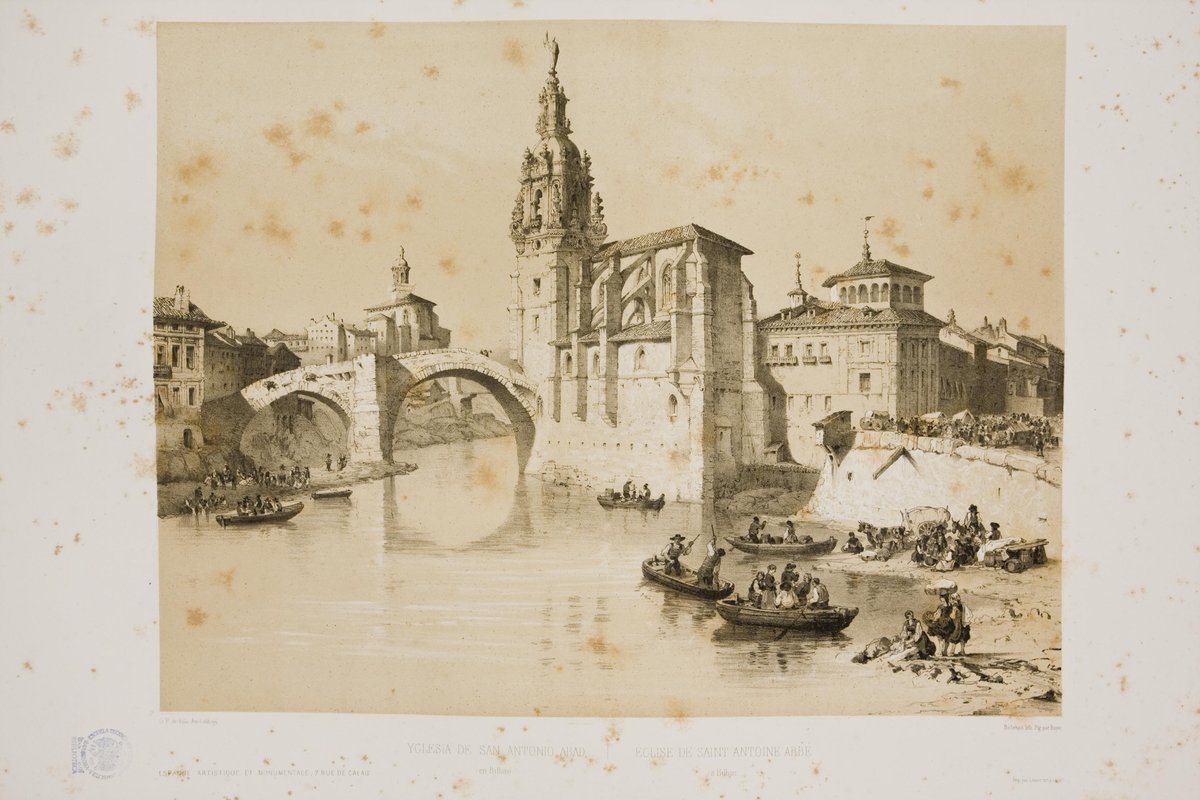
San Antón Bridge predates Bilbao’s official founding in 1300. The earliest records, as early as 1318, affirm its vital role as the only crossing point between the city’s two banks, linking the developing Casco Viejo (Old Quarter) and Bilbao La Vieja neighborhoods (kids.kiddle.co; spain.info). Its strategic position next to the Church of San Antón and near the medieval walls made it central to commerce—merchants transporting iron and other goods relied on this bridge, fueling Bilbao’s early growth (bilbaoturismo.net).
Architectural Evolution and Reconstruction
Medieval and Early Modern Structures:
Originally constructed in stone, the medieval bridge featured multiple arches designed to withstand the frequent flooding of the Nervión. Archaeological evidence suggests earlier wooden crossings existed before the permanent stone structure (Bilbao Visita Virtual PDF, p. 2).
19th Century Developments:
Urban growth and increased trade necessitated further change. In 1871, architect Ernesto Hoffmeyer was commissioned to design a new bridge, completed in 1877 after delays due to the Carlist Wars. The old bridge was ultimately demolished in 1882 (bilbaovisitavirtual.eus).
Destruction and Rebuilding in the 20th Century:
During the Spanish Civil War, the bridge was destroyed in 1937 as a defensive strategy. The current reinforced concrete bridge was inaugurated on June 19, 1938, reflecting the city’s resilience and commitment to preservation (bilbaovisitavirtual.eus; kids.kiddle.co).
Architectural Features of the Current Bridge
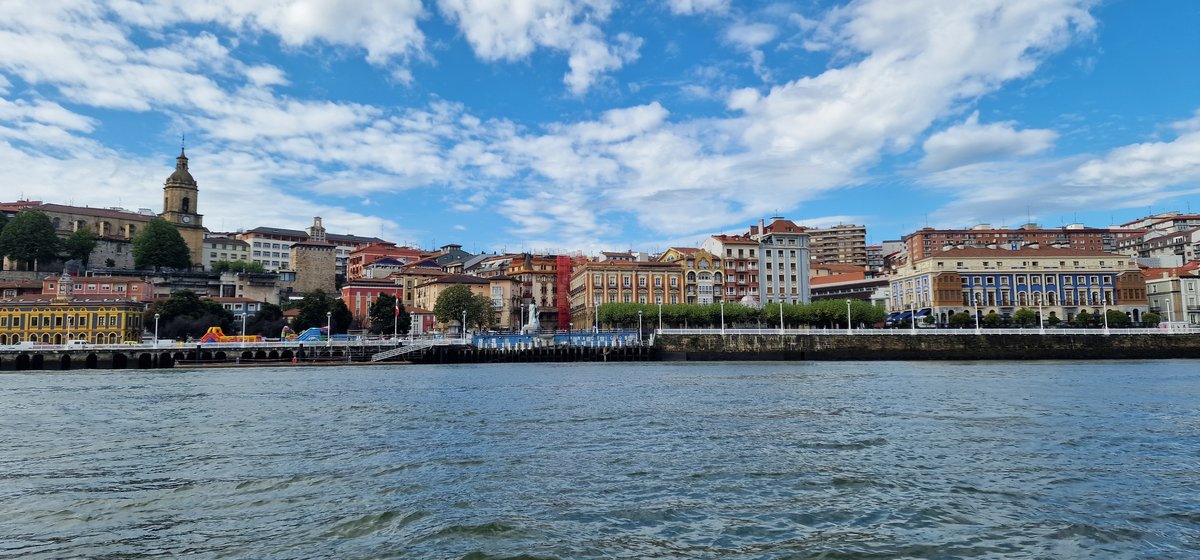
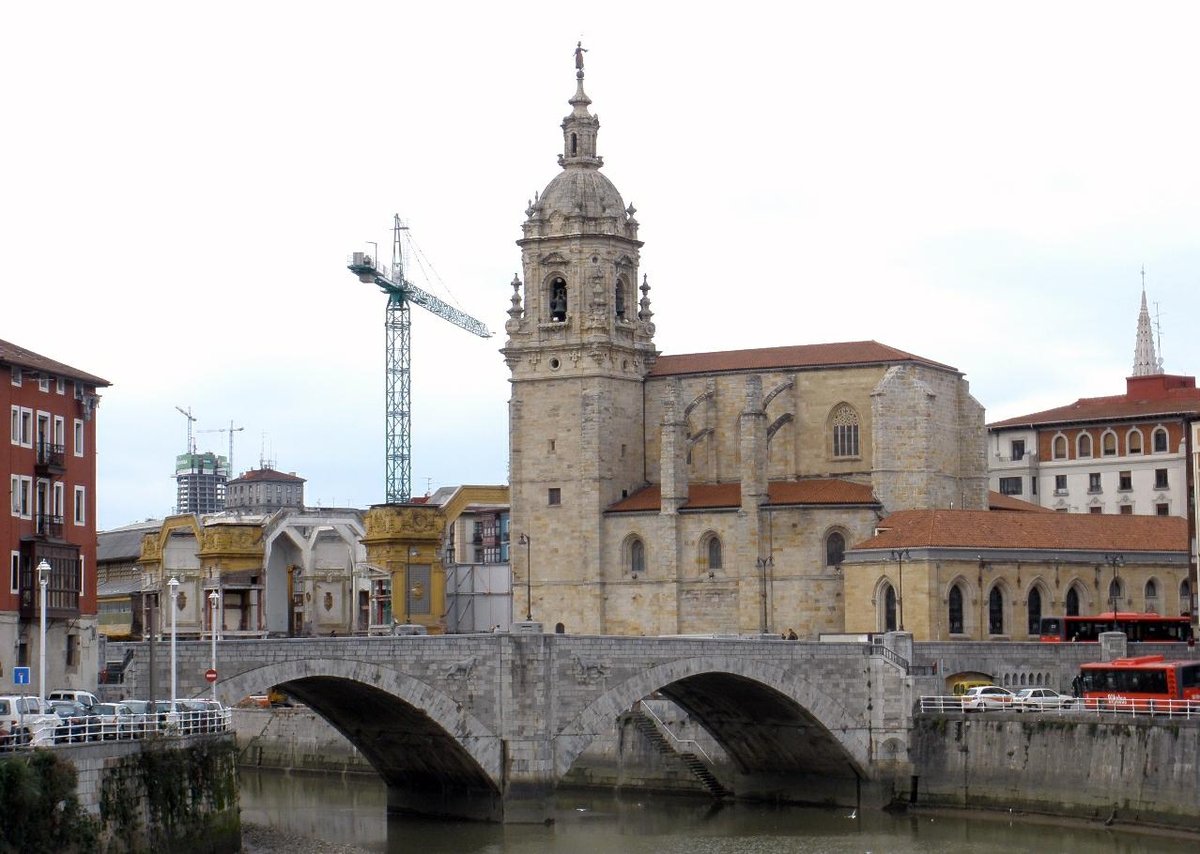
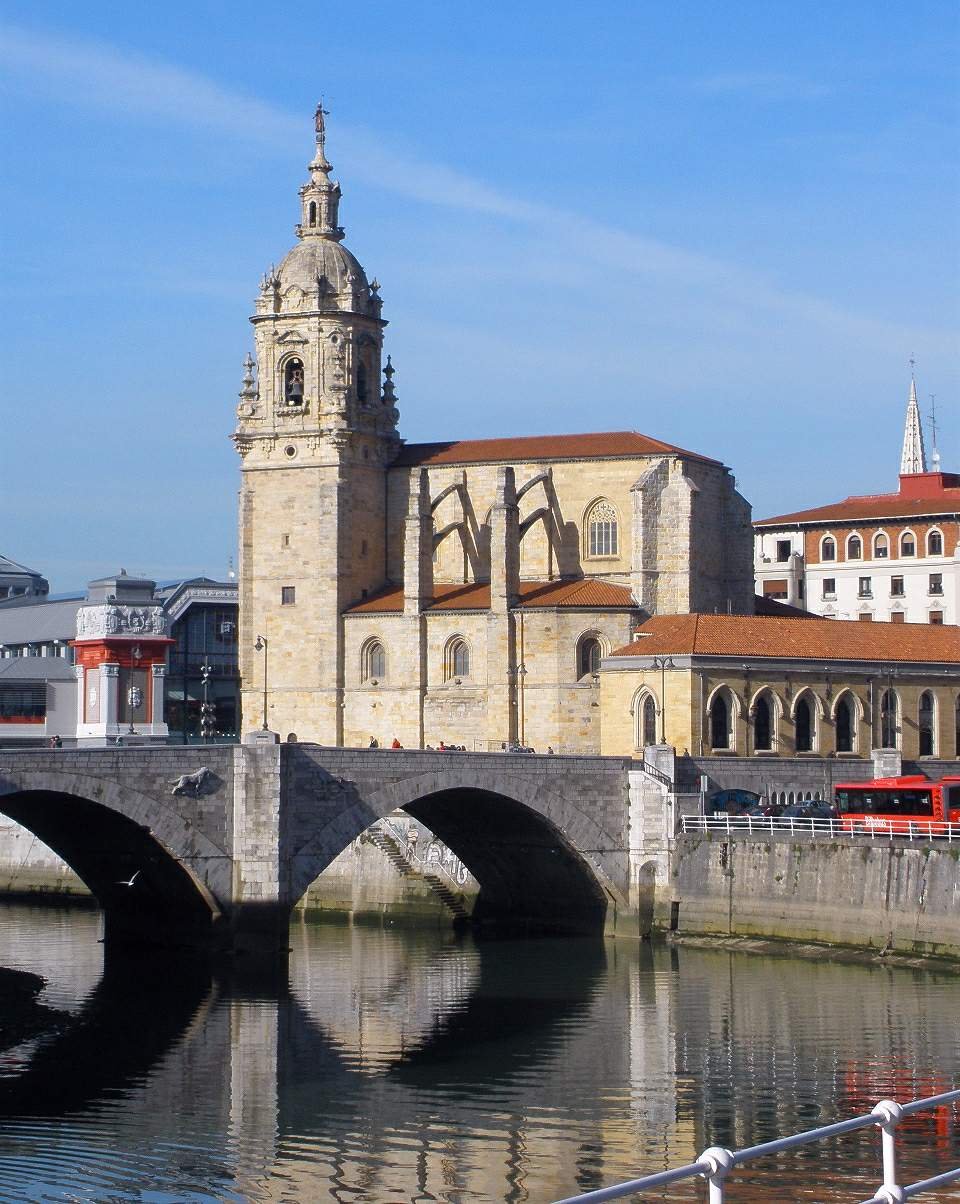
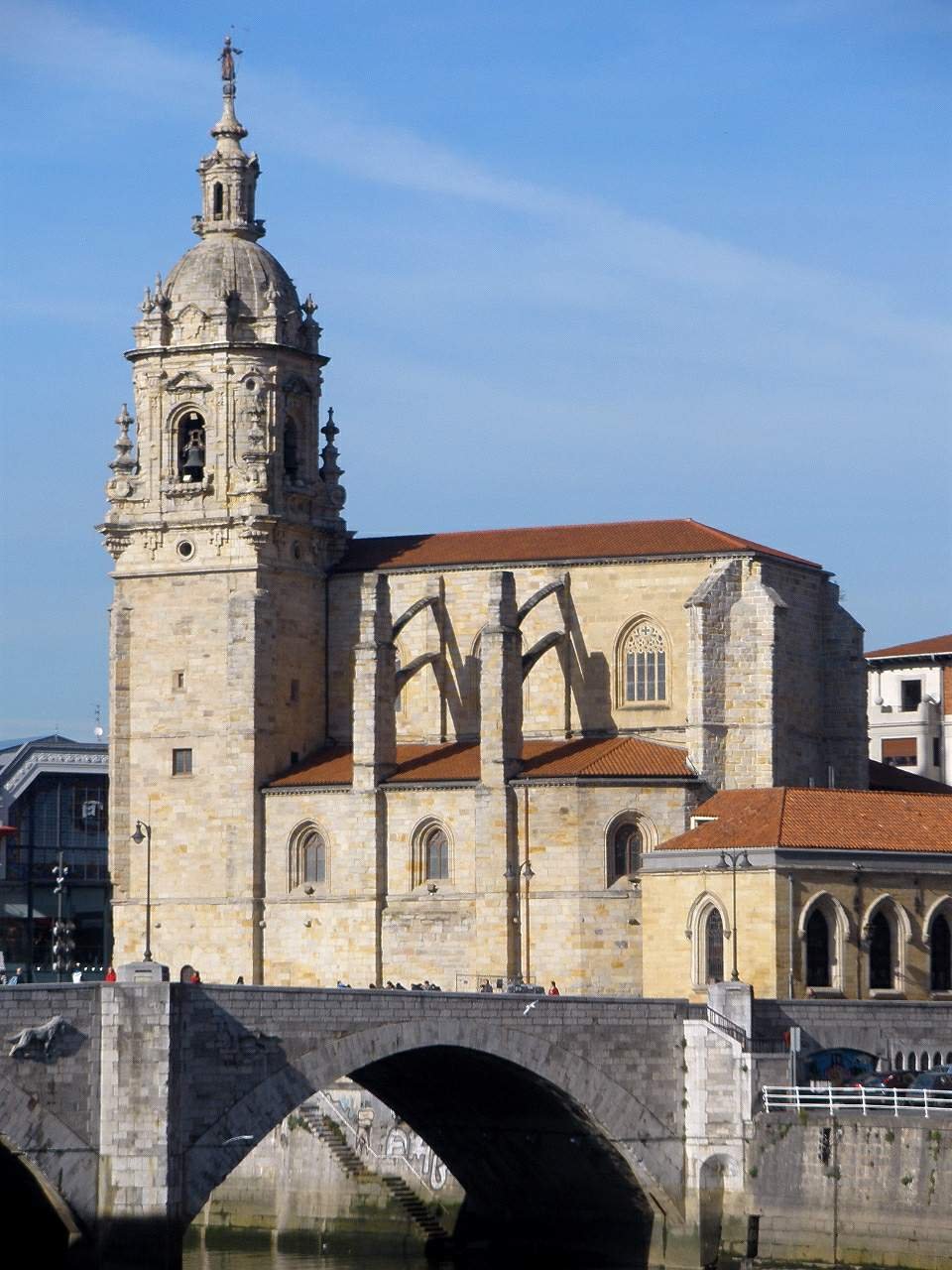
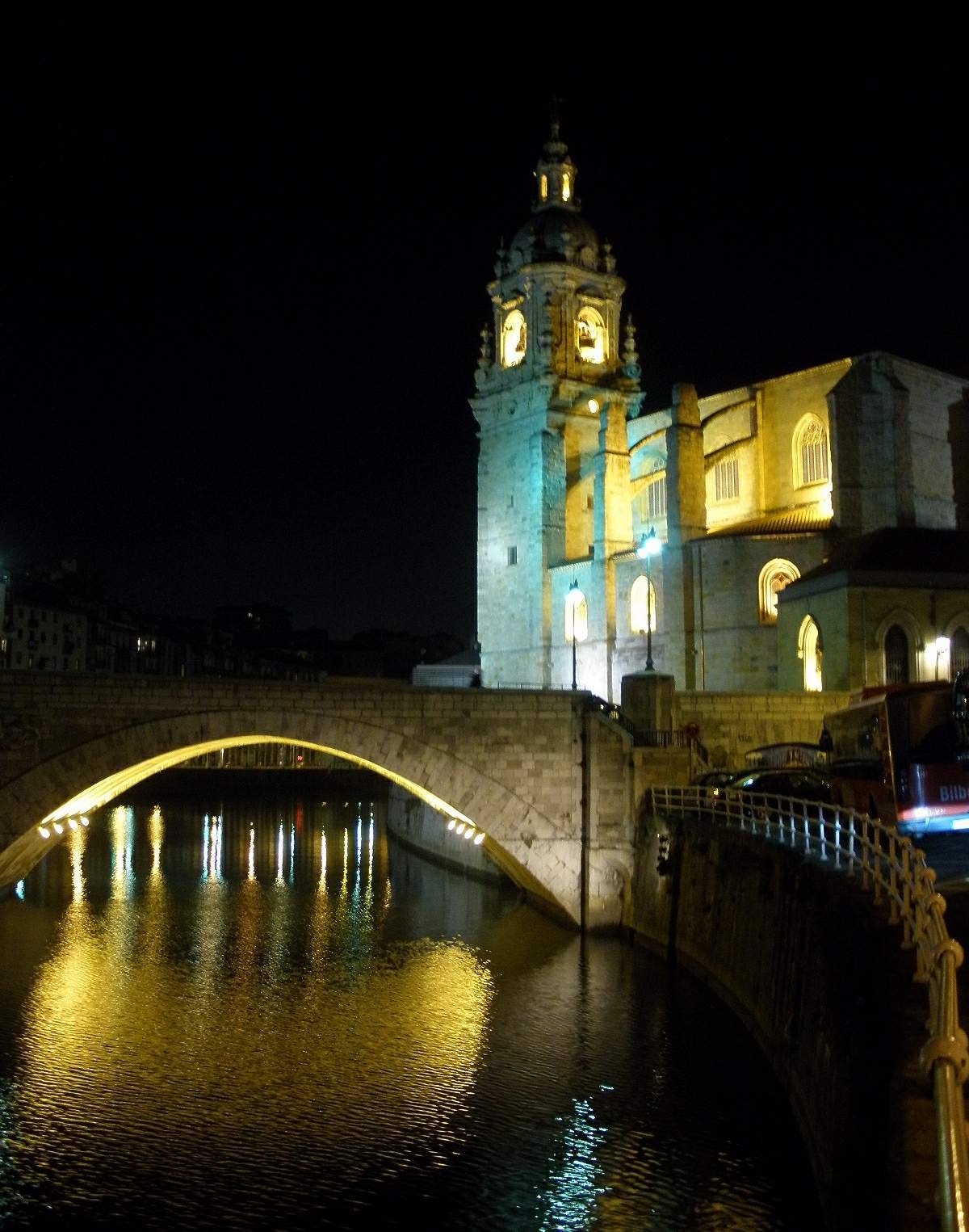
The bridge, rebuilt in 1938, is a robust arch structure made from reinforced concrete, clad in stone to harmonize with its historic surroundings (bilbaovisitavirtual.eus). Its single arch design offers panoramic views of the Old Quarter, the Gothic-style San Antón Church, and the vibrant Mercado de la Ribera. Decorative balustrades and subtle lighting enhance its aesthetic appeal, especially at night (comeamaviaja.com).
Visiting Information
Visiting Hours and Tickets
San Antón Bridge is a public structure open 24 hours a day, year-round, with no entrance fee. There are no tickets required to cross or explore the bridge.
Accessibility
The bridge and immediate surroundings are pedestrian-friendly and wheelchair accessible, with smooth paths and ramps. Some nearby Old Quarter streets are cobblestoned and may require caution for visitors with mobility challenges (Bilbao Turismo).
How to Get There
- On Foot: Centrally located in Casco Viejo, the bridge is an easy walk from major city landmarks.
- Metro: Casco Viejo station (Lines 1 and 2) is a 5-minute walk away.
- Tram: Ribera tram stop is adjacent to the bridge.
- Bus: Multiple Bilbobus lines stop nearby, including lines 11, 22, 30, and 56.
- Parking: Paid parking is available at the nearby Arenal car park.
Nearby Attractions
- San Antón Church: A late 15th-century Gothic church, integral to Bilbao’s history (Bilbao Turismo).
- Mercado de la Ribera: Europe’s largest covered market, perfect for sampling Basque cuisine.
- Casco Viejo: Bilbao’s medieval Old Town, renowned for its shops, bars, and vibrant atmosphere.
- Riverside Promenade: Offers scenic walks with views of the bridge and colorful facades.
Travel Tips
- Best Times: Visit in the early morning for quiet photography or in the evening for illuminated views.
- Weather: Bilbao experiences frequent rain; bring an umbrella or raincoat, especially from October to April (Spain.info).
- Festivals: The bridge is a focal point during Aste Nagusia (Great Week) and other local celebrations.
- Food: Enjoy pintxos at nearby bars or dine at Ribera Market. Vegetarian and vegan options are available.
- Guided Tours: Walking tours often include the bridge and provide rich historical context (Spain Cultures).
- Language: Spanish and Basque are spoken; English is common in tourist areas, but learning a few local phrases is appreciated.
Symbolism and Cultural Significance
San Antón Bridge is a powerful emblem of Bilbao. It features prominently on the city’s coat of arms and the crest of Athletic Club de Bilbao, representing both historical roots and modern civic pride (Wikipedia). Its proximity to the Church of San Antón and its role in local lore and festivals further cement its place as a living symbol of community spirit and resilience (Visit Biscay; Bilbao Turismo).
Key Historical Events and Dates
- Pre-1300: First bridge constructed, prior to Bilbao's founding (kids.kiddle.co).
- 1335: Royal privilege granted for bridge tolls, supporting maintenance (Bilbao Visita Virtual PDF, p. 4).
- 1602: Major medieval bridge reconstruction (spain.info).
- 1871–1877: New bridge designed and completed by Ernesto Hoffmeyer (bilbaovisitavirtual.eus).
- 1882: Demolition of the original medieval bridge.
- 1937: Bridge destroyed during the Spanish Civil War (kids.kiddle.co).
- 1938: Inauguration of the current bridge (bilbaovisitavirtual.eus).
Frequently Asked Questions (FAQs)
Q: What are the visiting hours for San Antón Bridge?
A: The bridge is open 24/7, year-round.
Q: Is there an entrance fee or ticket required?
A: No, access is free at all times.
Q: Is San Antón Bridge wheelchair accessible?
A: Yes, it is accessible, though nearby cobblestone streets may require extra care.
Q: Are guided tours available?
A: Yes, many walking tours include the bridge. Book through the Bilbao Tourist Office or online platforms.
Q: What other attractions are nearby?
A: San Antón Church, Mercado de la Ribera, and the historic Casco Viejo are all within walking distance.
Plan Your Visit
- Address: Calle San Antón, 48005 Bilbao, Biscay, Spain
- Emergency Number: 112
- Tourist Information: Main office at Plaza Circular, 1
- Wi-Fi: Free public Wi-Fi available in the Old Quarter and Ribera Market
For guided tours, travel tips, and self-guided routes, download the Audiala app and check the official Bilbao Tourism website or Spain’s official tourism portal.
Listen to the full story in the app
The whole San Antón Bridge,
told well.
Audio guides for 1,100+ cities across 96 countries. History, stories, and local insight — offline ready.
Verified, and shown.
Researched and written by the Audiala editorial team from historical records, architectural archives, and local expertise.
Researched from Wikidata, Wikipedia & official sources · fact-checked · How we make our guides →