Plan and listen to Puente Euskalduna with Audiala.
Audio guide in your pocket, itinerary in your browser. Built for the way you actually visit.
Introduction to Puente Euskalduna
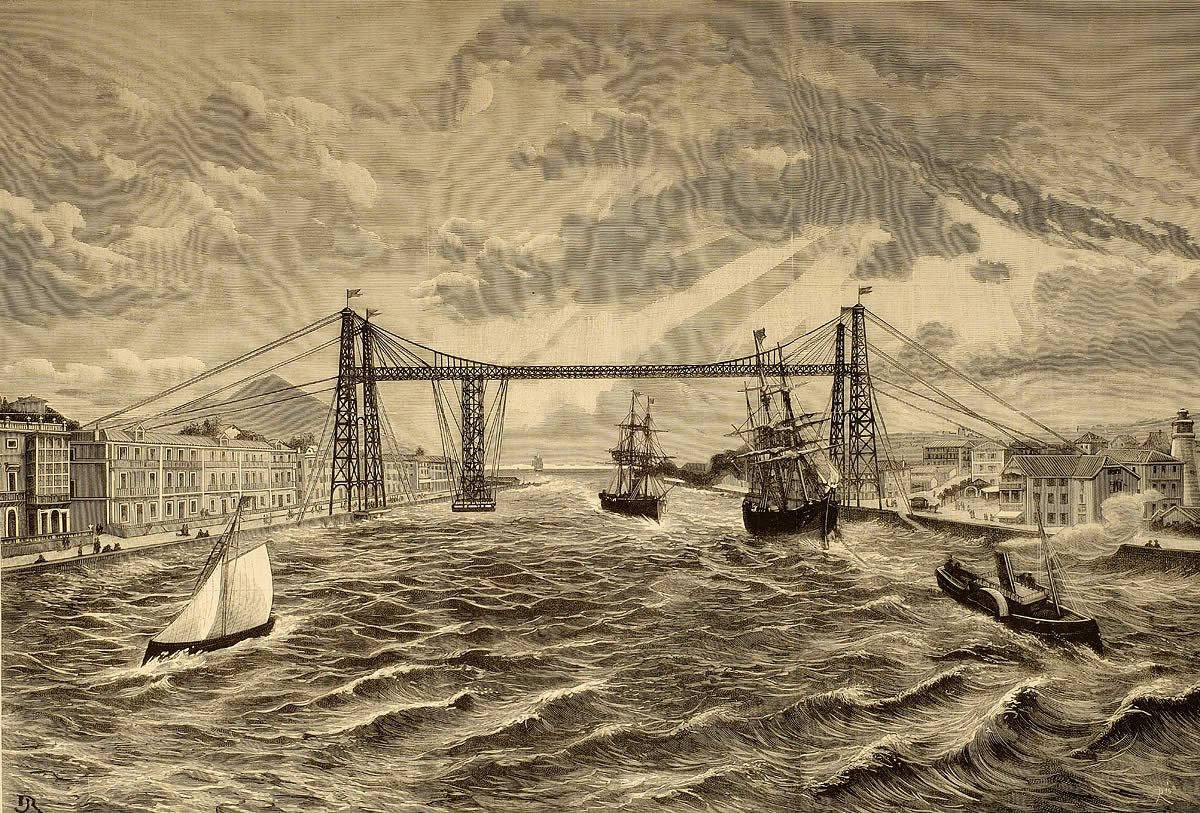
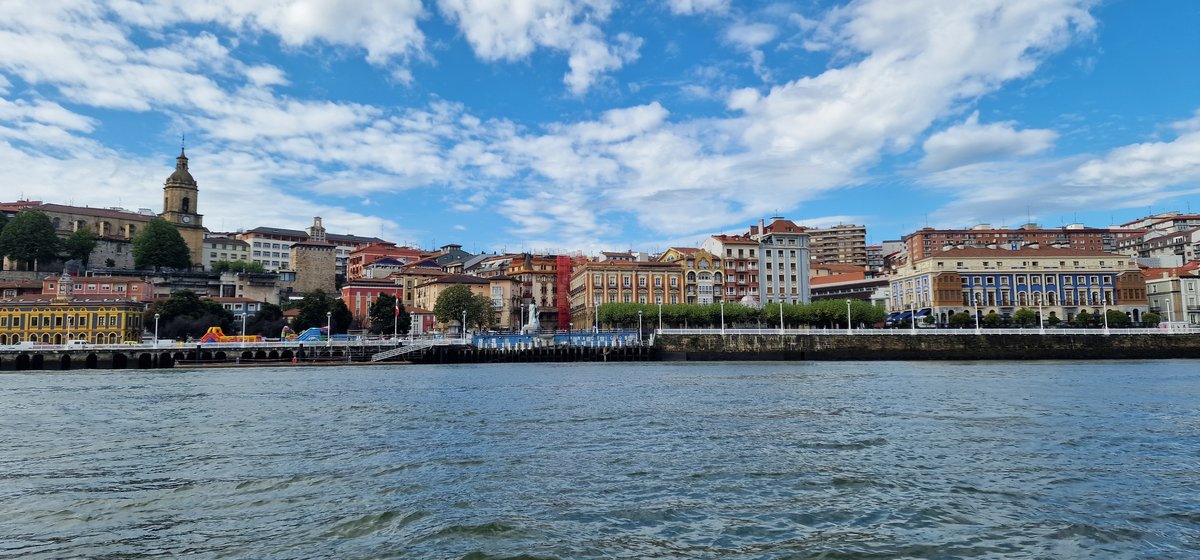
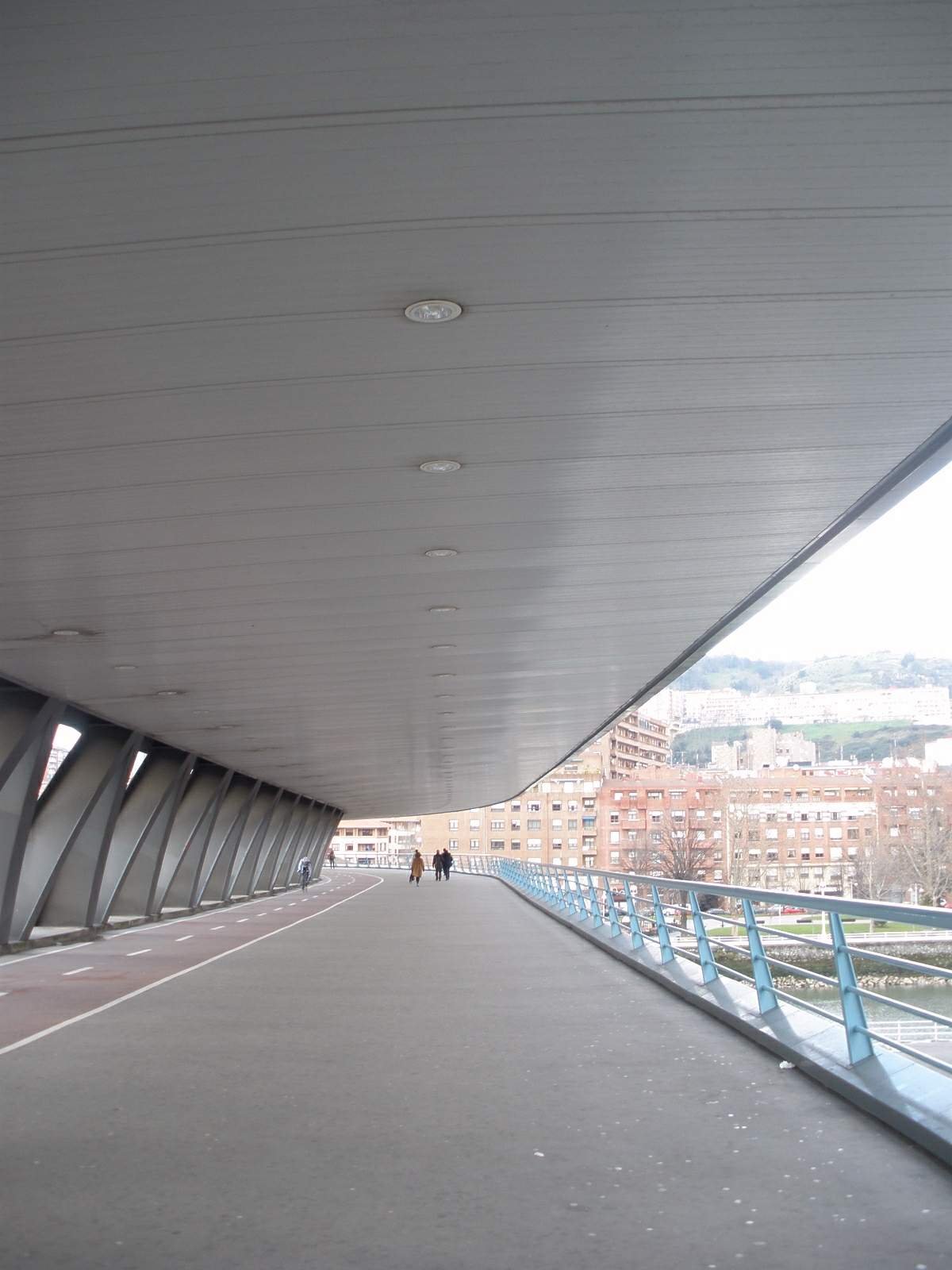
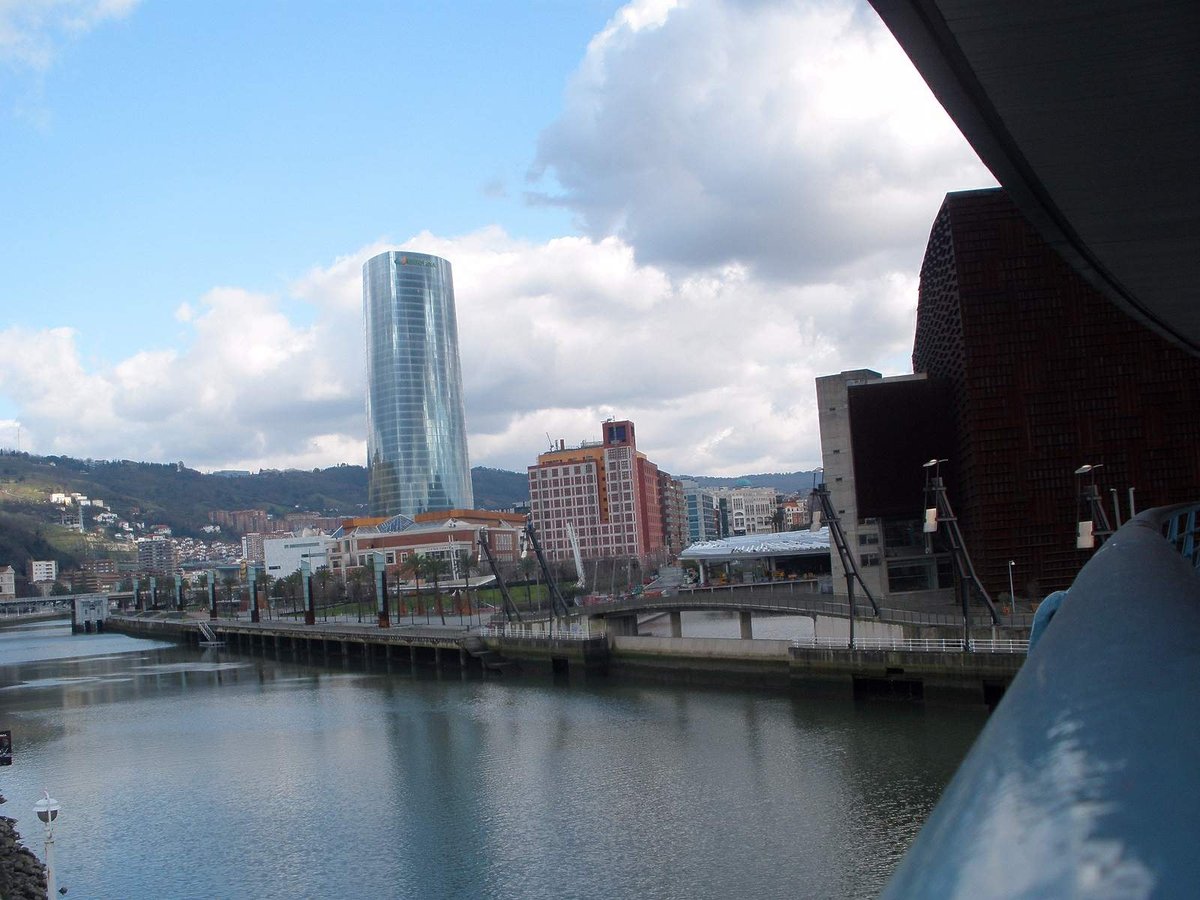
The Puente Euskalduna in Bilbao, Spain, epitomizes the city's transformation from an industrial powerhouse to a modern urban center. Completed in 1999, this architectural marvel spans the Ría de Bilbao, connecting key parts of the city and serving as a critical component of Bilbao's urban renewal efforts (CFC SL). Designed to accommodate both vehicular and pedestrian traffic, the bridge signifies the resilience and adaptability of Bilbao's industrial heritage. It was constructed as part of a broader initiative to revitalize an area that had suffered from industrial decline, playing a vital role in transforming the city's landscape and economy. The bridge's unique curved design and its strategic placement over the former Euskalduna shipyards make it a symbol of Bilbao's rich maritime history and forward-looking vision (Wikipedia).

History of Puente Euskalduna
Origins and Construction
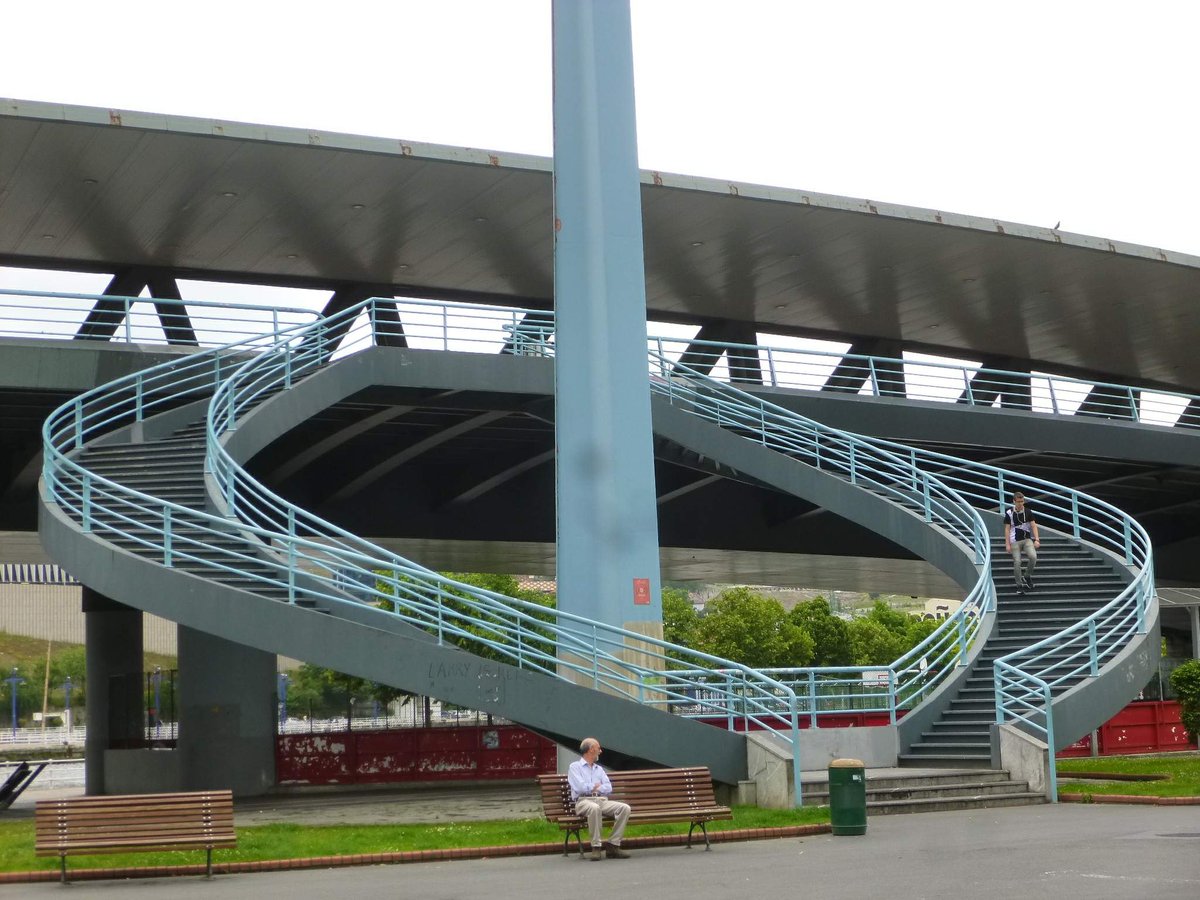
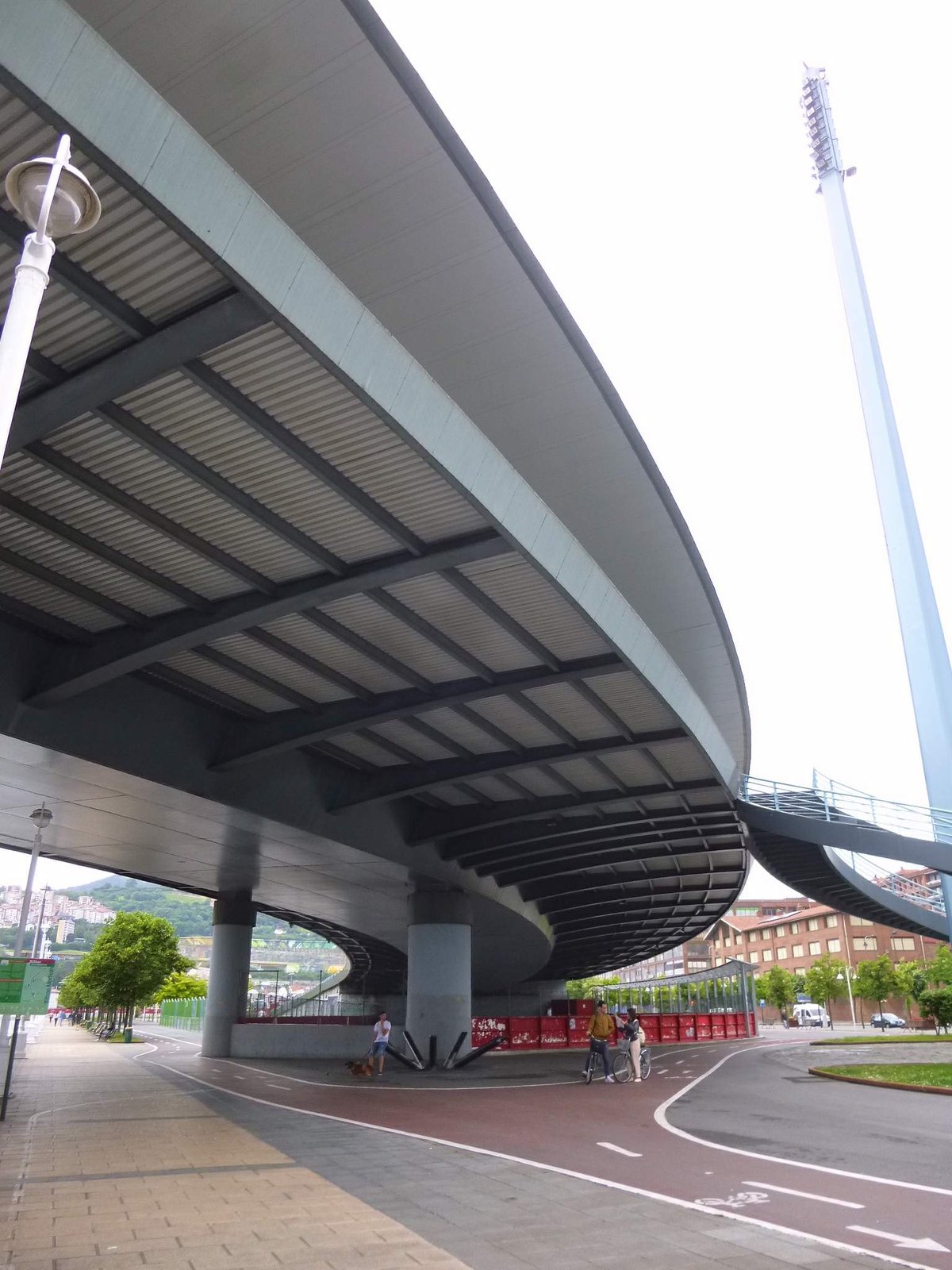
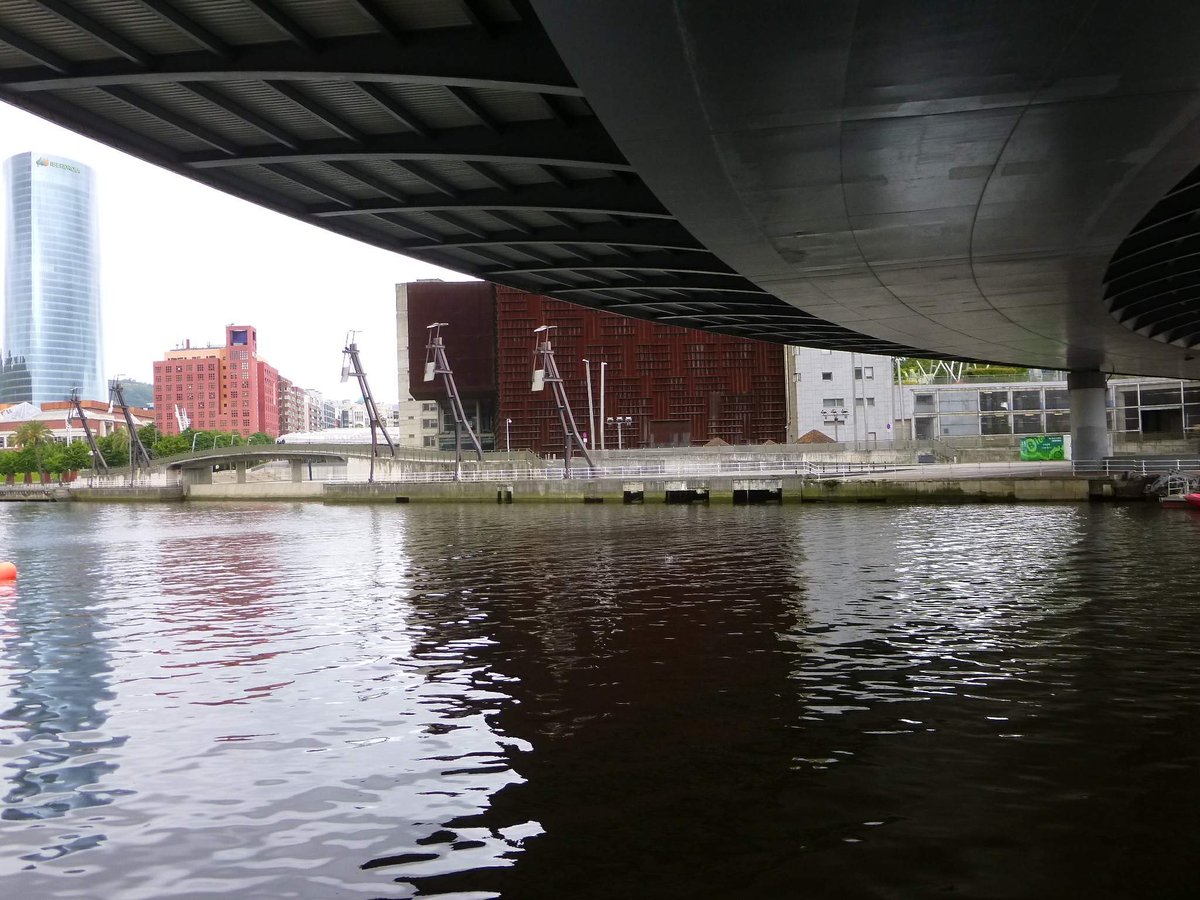
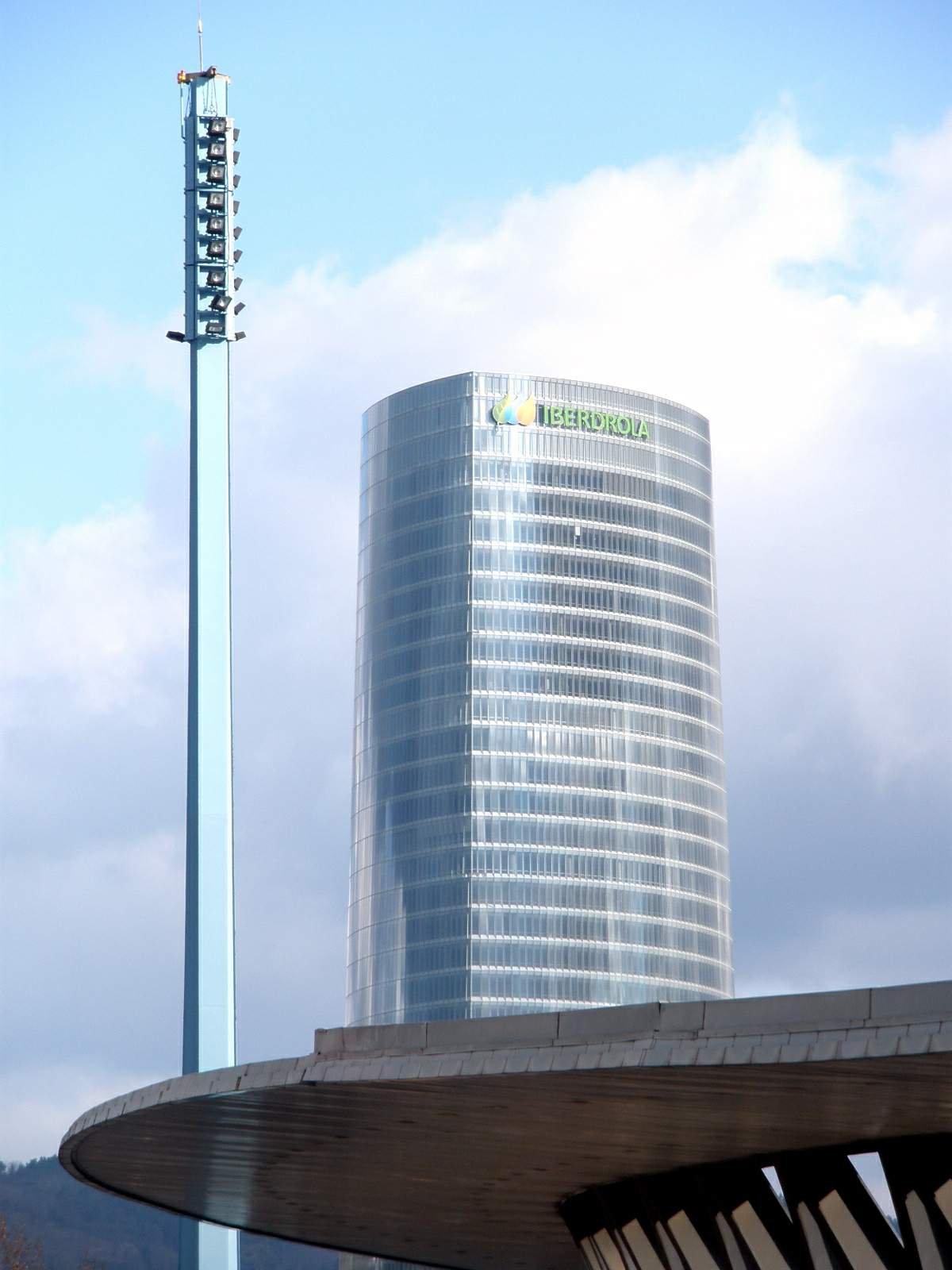
The Puente Euskalduna, located in Bilbao, Spain, is a significant architectural and engineering marvel completed in 1999. The bridge spans the Ría de Bilbao, connecting the city center over the former Euskalduna shipyards. Its construction was part of a broader urban renewal project aimed at revitalizing the area, which had suffered from industrial decline.
The bridge is a curved structure composed of three spans measuring 81 meters, 106 meters, and 71 meters, respectively. The main span, which crosses the river, is the longest and most prominent. The unique design of the Puente Euskalduna includes a distinctive cross-sectional configuration that sets it apart from other bridges (CFC SL).
Engineering and Design
The Puente Euskalduna was designed to accommodate both vehicular and pedestrian traffic while ensuring minimal disruption to the river traffic below. This was achieved through an innovative design that allows for the smooth passage of ships. The bridge's construction involved advanced engineering techniques and materials, ensuring its durability and functionality.
The design also reflects the industrial heritage of the Euskalduna shipyards, incorporating elements that pay homage to the area's shipbuilding past. The use of steel and other robust materials not only provides structural integrity but also symbolizes the strength and resilience of Bilbao's industrial history.
Significance in Urban Renewal
The construction of the Puente Euskalduna was pivotal in Bilbao's urban renewal efforts. The bridge played a crucial role in transforming the city's landscape, connecting previously isolated areas and facilitating the flow of people and goods. This connectivity was essential for the economic revitalization of Bilbao, attracting businesses and tourists to the area.
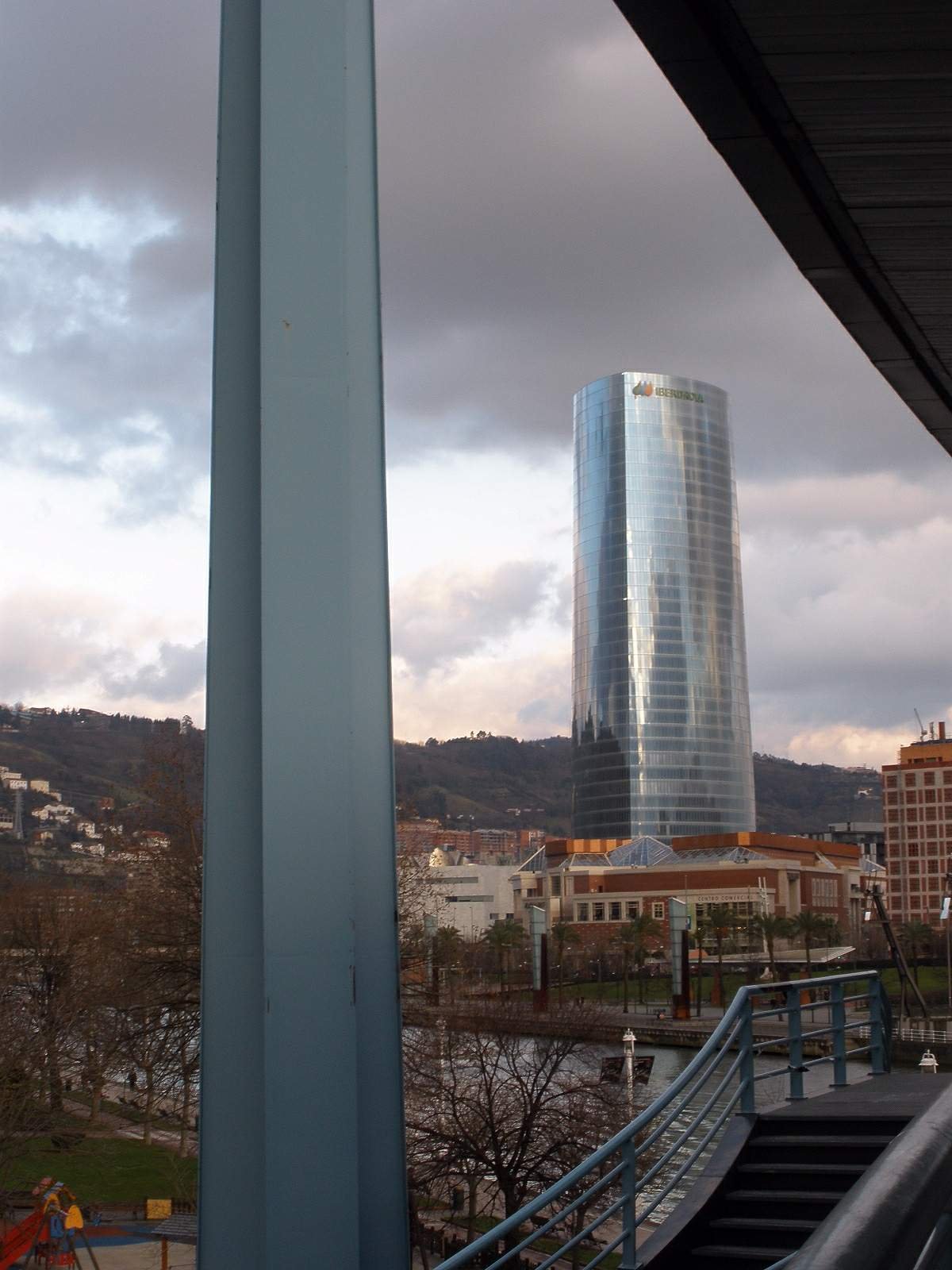
The bridge's completion marked a significant milestone in the broader redevelopment of the Abandoibarra district, which includes other notable landmarks such as the Guggenheim Museum. The Puente Euskalduna, along with these other projects, has helped to redefine Bilbao as a modern, vibrant city with a rich cultural and industrial heritage (Discover Donosti).
Visitor Information
Visiting Hours and Ticket Information
Visitors can admire the Puente Euskalduna at any time, as it is an open-access bridge. There are no entry fees or tickets required to visit the bridge. However, guided tours that include historical context and architectural insights can be booked through local tour operators.
Accessibility and Travel Tips
The bridge is easily accessible by public transportation, with several bus and tram lines stopping nearby. For those driving, there are parking facilities within walking distance. The bridge is also pedestrian-friendly, with dedicated walkways for those who wish to explore it on foot.
Nearby Attractions
In addition to the Puente Euskalduna, visitors can explore nearby attractions such as the Guggenheim Museum, the Euskalduna Conference Centre and Concert Hall, and the Maritime Museum. These sites offer a deeper insight into Bilbao's rich cultural and industrial history.
Cultural and Historical Context
The Puente Euskalduna is more than just a functional piece of infrastructure; it is a symbol of Bilbao's transformation from an industrial hub to a cultural and economic center. The bridge's location over the former Euskalduna shipyards is particularly significant, as it represents the city's shift from heavy industry to a more diversified economy.
The shipyards, once a bustling center of shipbuilding activity, had fallen into disuse by the late 20th century. The decision to build the Puente Euskalduna over this historic site was deliberate, aimed at preserving the memory of Bilbao's industrial past while paving the way for its future. The bridge serves as a reminder of the city's resilience and ability to adapt to changing economic conditions.
Architectural Features
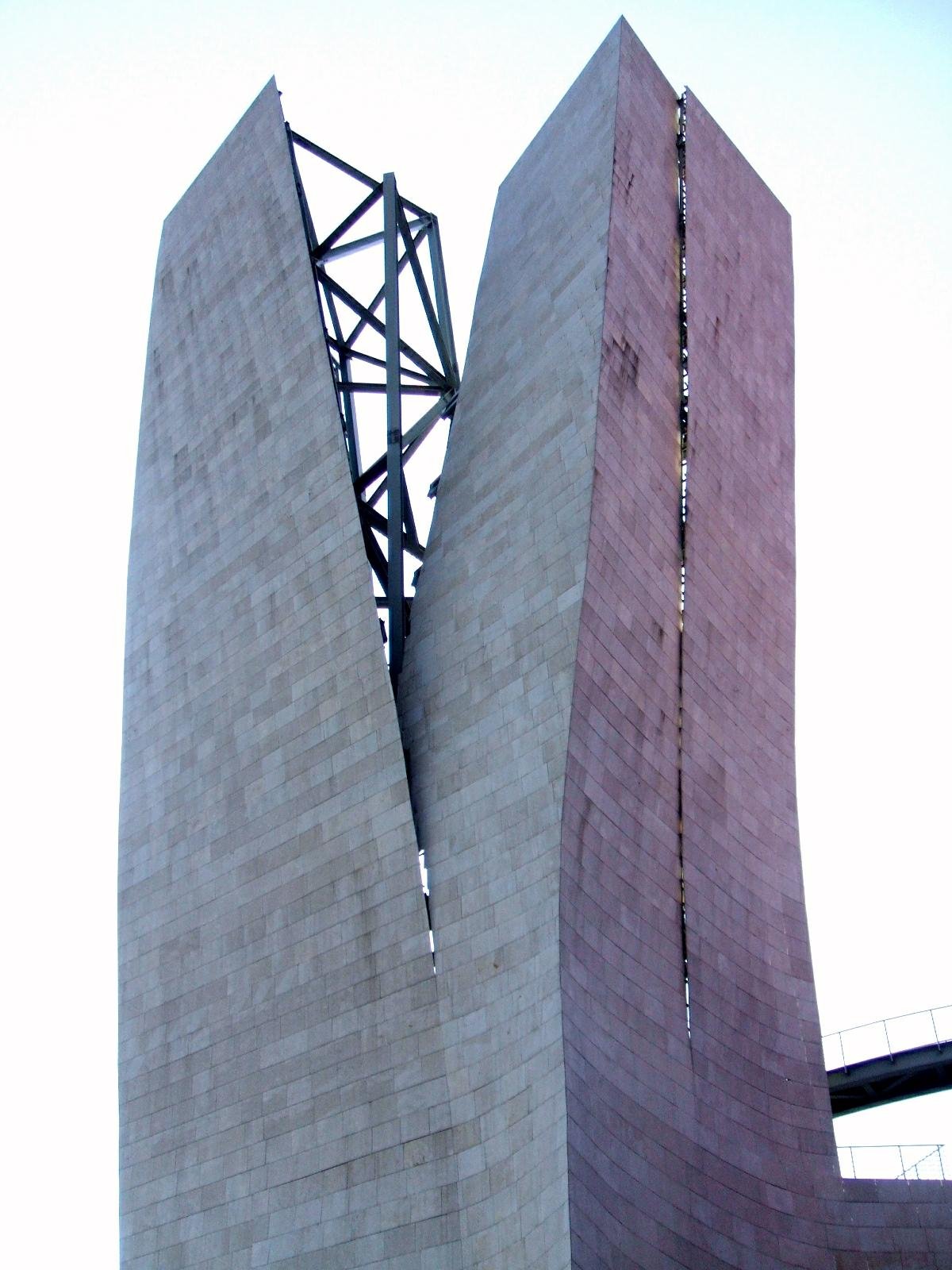
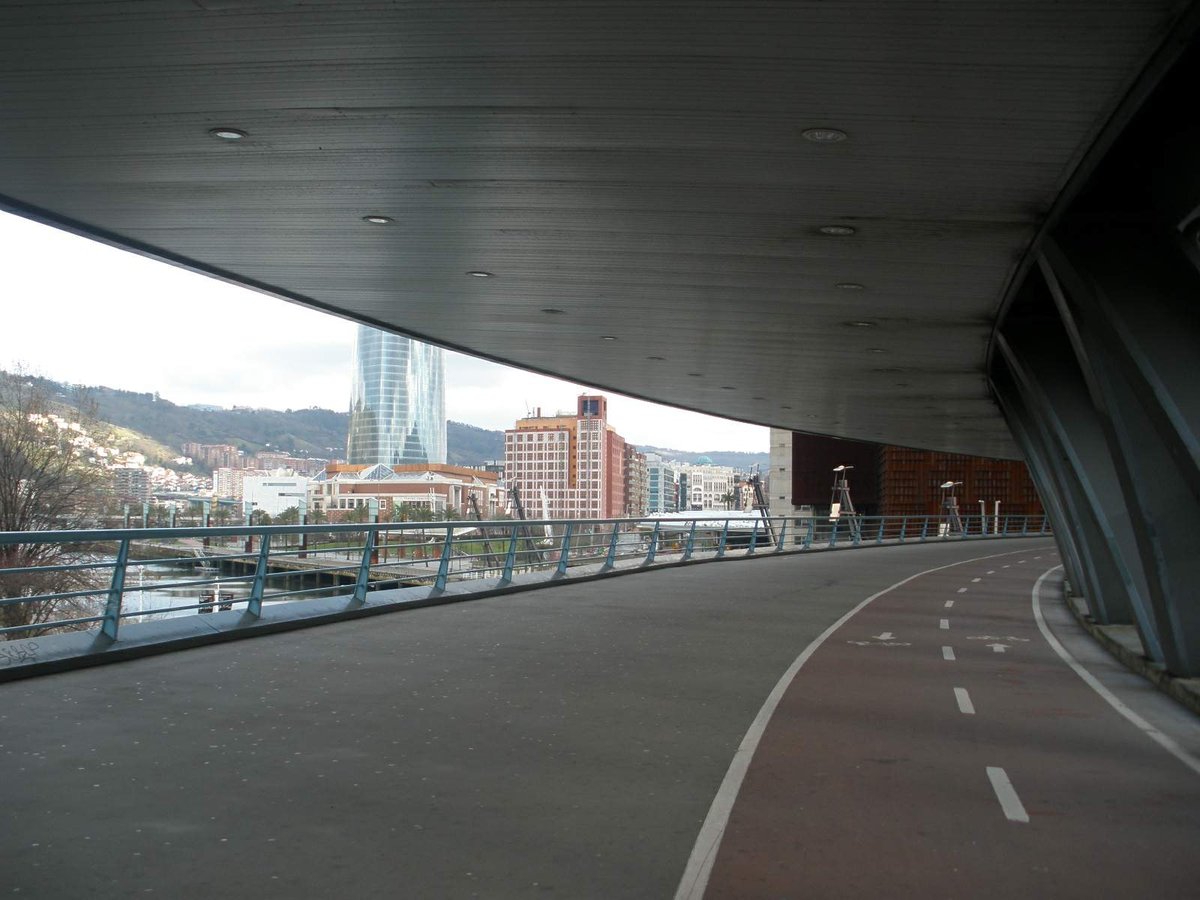
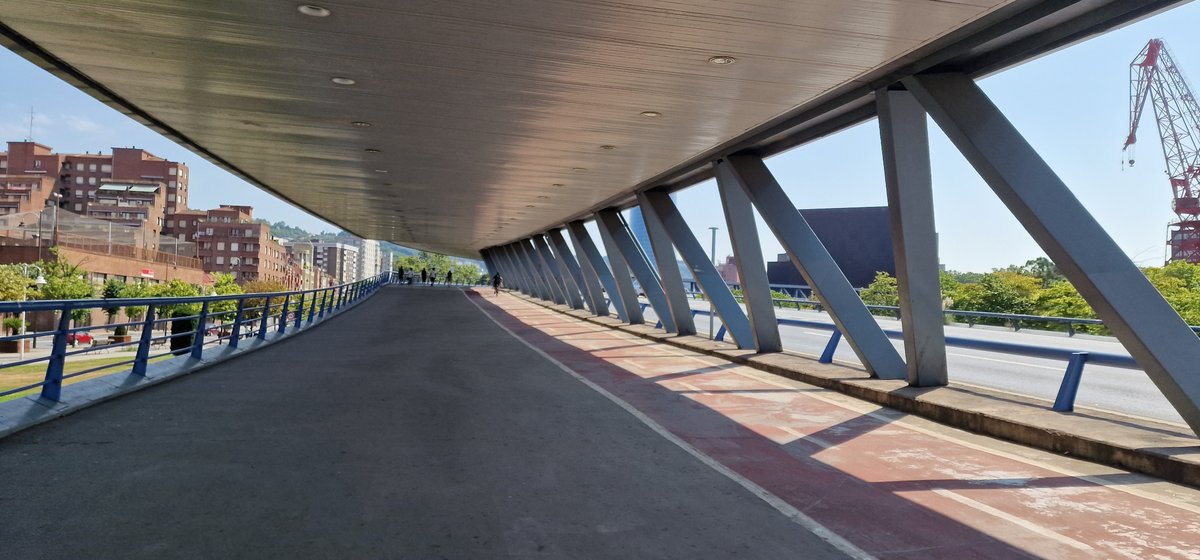
One of the most striking features of the Puente Euskalduna is its curved design, which not only adds to its aesthetic appeal but also enhances its structural integrity. The bridge's three spans are supported by piers that are strategically placed to minimize their impact on the river's flow. This design ensures that the bridge can withstand the forces exerted by both the river and the traffic it carries.
The cross-sectional configuration of the bridge is another unique aspect of its design. This configuration allows for a more efficient distribution of weight and stress, making the bridge both strong and flexible. The use of high-quality materials and advanced construction techniques further enhances the bridge's durability and longevity.
Impact on Bilbao's Development
The Puente Euskalduna has had a profound impact on the development of Bilbao. By improving connectivity and accessibility, the bridge has facilitated the movement of people and goods, contributing to the city's economic growth. The bridge has also become a popular tourist attraction, drawing visitors from around the world who come to admire its design and learn about its history.
In addition to its economic benefits, the Puente Euskalduna has also played a role in enhancing the quality of life for Bilbao's residents. The bridge provides a convenient and scenic route for pedestrians and cyclists, encouraging more sustainable modes of transportation. The surrounding areas have also seen significant improvements, with new parks, walkways, and public spaces being developed as part of the broader urban renewal efforts.
Recognition and Awards
The Puente Euskalduna has received numerous accolades for its design and engineering. It is widely regarded as one of the most innovative and aesthetically pleasing bridges in Spain. The bridge's unique design and its role in Bilbao's urban renewal have earned it recognition from various architectural and engineering organizations.
In addition to its architectural and engineering awards, the Puente Euskalduna has also been recognized for its cultural and historical significance. The bridge is seen as a symbol of Bilbao's transformation and resilience, and it continues to be a source of pride for the city's residents.
Future Prospects
Looking ahead, the Puente Euskalduna is expected to continue playing a vital role in Bilbao's development. As the city continues to grow and evolve, the bridge will remain an important piece of infrastructure, facilitating connectivity and supporting economic activity. The ongoing maintenance and preservation of the bridge will ensure that it remains a functional and iconic part of Bilbao's landscape for years to come.
FAQs
Q: What are the visiting hours for Puente Euskalduna?
A: The bridge is accessible 24/7 as it is an open-access structure.
Q: Is there any entrance fee to visit the Puente Euskalduna?
A: No, there are no tickets required to visit the bridge.
Q: How can I reach the Puente Euskalduna?
A: The bridge is accessible by public transportation, including buses and trams. Parking facilities are also available nearby.
Q: Are there guided tours available?
A: Yes, guided tours can be arranged through local tour operators for those interested in learning more about the bridge's history and design.
Listen to the full story in the app
The whole Puente Euskalduna,
told well.
Audio guides for 1,100+ cities across 96 countries. History, stories, and local insight — offline ready.
Verified, and shown.
Researched and written by the Audiala editorial team from historical records, architectural archives, and local expertise.
Researched from Wikidata, Wikipedia & official sources · fact-checked · How we make our guides →