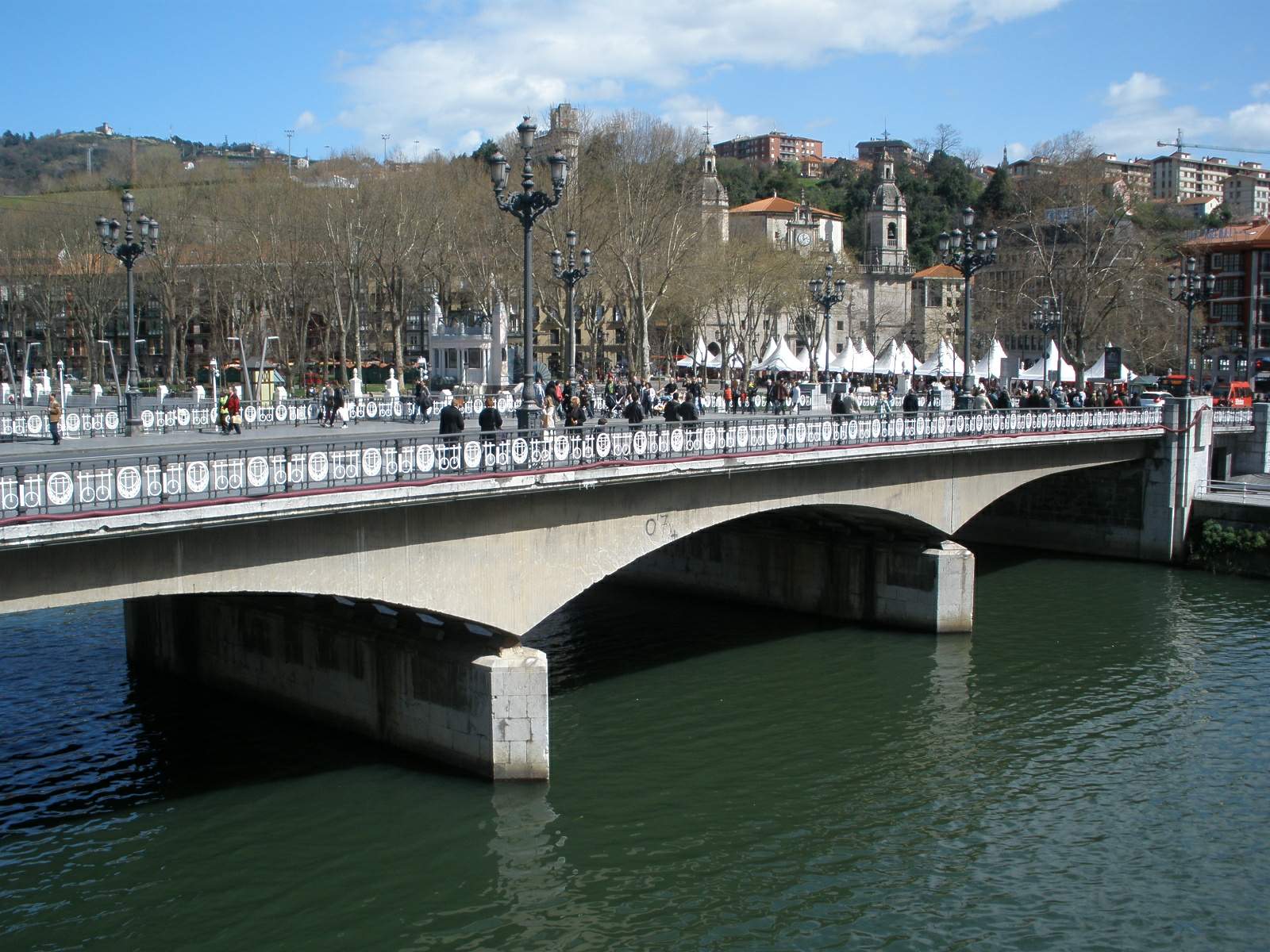
Plan and listen to Plaza Zabalburu with Audiala
Audio guide in your pocket, itinerary in your browser. Built for the way you actually visit.
Introduction
Plaza Zabalburu, situated at the convergence of Bilbao’s historic core and modern districts, is a multifaceted urban space that embodies the city's evolving identity. As a gateway between the old and new Bilbao, the plaza is both a transit hub and a community gathering place. With its distinctive modernist towers, extensive green areas, and vibrant public life, Plaza Zabalburu is a must-visit for those interested in the city’s architecture, culture, and urban transformation. This comprehensive guide covers everything you need to know, from historical insights and architectural highlights to visitor tips and accessibility.
Historical Background
Origins and Evolution
Plaza Zabalburu traces its history to the influential Zabálburu family, whose estate, Villa Mena, originally occupied the site. This aristocratic heritage transitioned into a public space as Bilbao expanded in the late 19th and early 20th centuries, particularly after the annexation of Abando in 1890—a symbolic event marking Bilbao’s territorial and social growth (DEIA).
Urban Expansion
The mid-20th century saw the area’s transformation with the construction of the Torres de Zabalburu—seven modernist towers that became icons of Bilbao’s modernization. The opening of Spain’s first American-style shopping center in 1971 beneath the plaza further cemented its role as a commercial and social hub, though its prominence later waned as the city’s economic landscape shifted.
Architectural and Urban Features
Plaza Layout and Design
Plaza Zabalburu is defined by its open, circular plan, surrounded by a blend of residential and commercial buildings that reflect Bilbao’s 20th-century urban growth. The square’s design prioritizes both vehicular and pedestrian circulation, featuring:
- Wide walkways and ramps for accessibility
- Landscaped gardens and over 70 mature trees
- A central fountain and ornamental water features
- Children’s play areas and community spaces
- Sculptural light installations by Mario Nanni, which illuminate the plaza in the evenings for a unique visual effect (Bilbao Turismo)
The Zabalburu Towers
The Torres de Zabalburu, completed in 1971 by architects Eugenio Mª Aguinaga Azqueta and Luis Mª Gana Hoyos, represent a departure from Bilbao’s traditional architecture. Their minimalist, modernist design and former commercial podium once housed pioneering Spanish department stores.
Social and Cultural Importance
Plaza Zabalburu has served as a vibrant community center, hosting local markets, festivals, and public gatherings. Its location connects several neighborhoods—Ensanche, Iralabarri, and Bilbao La Vieja—making it a melting pot of Bilbao’s diverse social fabric. The plaza’s ongoing revitalization efforts, including the 2008 renovation, have reinforced its role as a safe, inclusive, and lively public space (DEIA).
Visiting Information
Hours & Entrance Fees
- Hours: Open 24 hours a day; accessible year-round
- Entrance Fees: None—Plaza Zabalburu is a free public space
Accessibility
The plaza is fully accessible, with smooth pavements, ramps, and elevators at the adjacent Zabalburu train station, making it suitable for visitors with mobility challenges (Renfe Cercanías).
Getting There
- By Train: Zabalburu station (Renfe Cercanías lines C1 and C2) is directly beneath the plaza
- By Bus: Multiple Bilbobus lines stop nearby
- By Car: Underground parking is available, though spaces can be limited at peak times
- On Foot: A 10–15 minute walk from Plaza Moyúa or Bilbao Abando station (Indie Traveller)
Guided Tours & Events
Many Bilbao walking tours include Plaza Zabalburu as a key stop, especially those focusing on the Ensanche district and the city’s industrial heritage. Check local listings for seasonal community events and pop-up markets.
Photographic Highlights
- Mario Nanni’s luminous sculptures (best viewed at dusk)
- Modernist Torres de Zabalburu towers
- Landscaped gardens and central fountain
- Daily urban life and market activity
Nearby Attractions
- Azkuna Zentroa: Cultural center with exhibitions and workshops (Adventure in You)
- Doña Casilda Iturrizar Park: Bilbao’s largest green space
- Gran Vía: Main shopping and commercial avenue
- Casco Viejo (Old Town): Historic quarter with traditional pintxos bars (Touropia)
- Guggenheim Museum Bilbao: Iconic contemporary art museum
Dining & Amenities
The area around Plaza Zabalburu offers a diverse range of dining options:
- Traditional Basque cafes and pintxos bars
- Contemporary restaurants with international cuisine
- Family-run taverns and bakeries
- Outdoor seating for people-watching
Most establishments offer free Wi-Fi and are open throughout the day (Indie Traveller).
Frequently Asked Questions (FAQ)
Q: Is there an entrance fee for Plaza Zabalburu?
A: No, access is free at all times.
Q: What are the plaza's operating hours?
A: It is open 24/7 as a public space.
Q: Is the plaza wheelchair accessible?
A: Yes, ramps and elevators provide full access.
Q: What is the best time to visit?
A: Mornings and late afternoons offer the most vibrant atmosphere; evenings are ideal for viewing light installations.
Q: Are there guided tours available?
A: Yes, many city tours feature Plaza Zabalburu as part of their route.
Q: Can I park nearby?
A: Underground parking is available, though it may fill during busy times.
Practical Tips for Visitors
- Use public transport to avoid parking challenges.
- Visit in the early evening for the best lighting and photographic opportunities.
- Try local pintxos at nearby bars for an authentic Basque experience.
- Greet locals with “Egun on” (Basque) or “Buenos días” (Spanish).
- Check calendars for special events, especially during Aste Nagusia (Bilbao’s Great Week) (Touropia).
Summary & Final Recommendations
Plaza Zabalburu is a microcosm of Bilbao’s transformation—from aristocratic estates and industrial expansion to modern urban living and cultural renaissance. Its green spaces, iconic towers, public art, and accessibility make it a welcoming destination for both locals and visitors. With seamless public transport links and proximity to major attractions, the plaza is an excellent starting point for any Bilbao itinerary.
For up-to-date information, download the Audiala app for maps, curated tours, and real-time event updates. Stay connected via social media for the latest tips and stories from Bilbao.
Listen to the full story in the app
Researched and written by the Audiala editorial team from historical records, architectural archives, and local expertise.
Bilbao Turismo. Retrieved June 15, 2025, from
Mapcarta. Retrieved June 15, 2025, from
(2022, June 5). DEIA. Retrieved June 15, 2025, from
Renfe Cercanías. Retrieved June 15, 2025, from
Indie Traveller. Retrieved June 15, 2025, from
Timeout Bilbao. Retrieved June 15, 2025, from
Last reviewed