Introduction
Edificio La Aurora stands as a distinguished emblem of Bilbao’s architectural heritage and urban transformation. Located at Plaza Moyúa in the city center, this landmark merges pre-rationalist design with the dynamic narrative of Bilbao’s shift from medieval mercantile roots to a modern metropolis. Constructed in the 1930s and designed by Manuel Galíndez, Edificio La Aurora’s restrained geometric forms, material contrasts, and strategic urban setting make it a notable point of interest for architecture enthusiasts and travelers alike. Though primarily serving as a residential and commercial building, its proximity to major city attractions and occasional cultural events offer the public meaningful ways to experience this urban icon.
This comprehensive guide details the building’s historical context, architectural significance, practical visitor information—including visiting hours, ticketing, and accessibility—and provides recommendations for exploring nearby sites. For further insight into Bilbao’s architectural evolution and urban renewal, see Mas Context and Bilbao Arquitectura y Urbanismo.
Photo Gallery
Explore Edificio La Aurora in Pictures

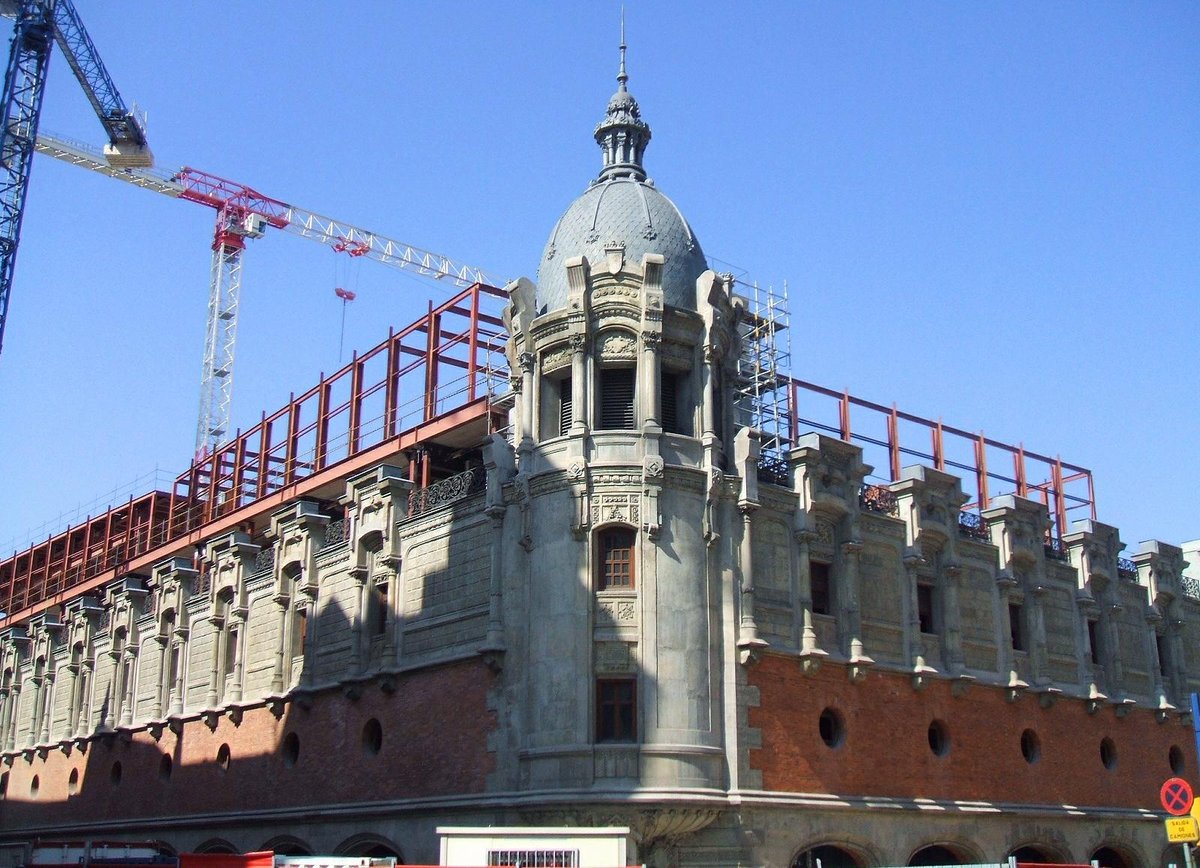
Photograph of Edificio La Aurora in Bilbao, showcasing its modern architectural style and urban environment.

Photograph of Edificio La Aurora building showcasing modern architectural design located in Bilbao, Spain.

Edificio Moyúa, formerly known as Edificio La Aurora, a notable architectural building located in Bilbao, showcasing its historic and cultural significance.

View of Plaza Moyúa and the iconic La Aurora Building in Bilbao, showcasing urban architecture and city square under cloudy weather
Historical and Urban Context
Founded in 1300, Bilbao’s strategic position along the Nervión River fostered its growth as a commercial hub. Especially after the establishment of the Consulado in 1511, the city flourished in regional and international trade (Mas Context). Industrialization in the late 19th and early 20th centuries transformed Bilbao’s urban landscape, prompting the expansion of new areas like Plaza Moyúa, where Edificio La Aurora now stands. This area became a focal point for modern urban planning and cosmopolitan ambitions.
Architectural Significance
Completed in 1935, Edificio La Aurora exemplifies pre-rationalist architecture—a movement characterized by geometric clarity, minimal ornamentation, and honest use of materials. The building’s lower stories are clad in distinctive green granite, setting them apart from the upper levels finished in lighter stone. The restrained façade, rhythmic window arrangement, and subtle material contrasts echo broader European modernist influences, particularly those of Adolf Loos (Bilbao Arquitectura y Urbanismo).
Key architectural features include:
- Curved and symmetrical façades: Lateral facades gently curve into the central front, lending visual dynamism.
- Material contrasts: The dark granite base anchors the structure, while lighter upper floors emphasize verticality.
- Structural innovations: Steel framing allows for larger windows and open interiors, reflecting early 20th-century advances.
- Trapezoidal floor plan: Two interior courtyards separated by a central staircase maximize natural light.
The building’s integration into the elliptical Plaza Moyúa, alongside other notable structures, contributes to the harmonious character and urban rhythm of the square.
Socio-Economic Impact and Heritage Preservation
Edificio La Aurora’s construction coincided with Bilbao’s transition from industrial powerhouse to diversified urban center. Its mixed-use design responded to growing demands for flexible spaces that catered to various social classes and functions. Plaza Moyúa, conceived as part of the city’s Ensanche (expansion plan), became a symbol of Bilbao’s modernization and urban aspirations (Bilbao Arquitectura y Urbanismo).
In the late 20th century, Bilbao faced post-industrial challenges, leading to significant urban renewal efforts (Mas Context). While hallmark projects like the Guggenheim Museum drew global attention, the preservation and adaptive reuse of historic buildings such as Edificio La Aurora became central to maintaining the city’s architectural legacy.
Today, occasional events—such as concerts and exhibitions—open the building’s interiors to the public, blending heritage with contemporary cultural life (Bilbao House Concerts).
Visiting Hours, Tickets, and Accessibility
General Access:
Edificio La Aurora is a private residential and office building. The exterior can be viewed at any time from Plaza Moyúa. There are no regular public visiting hours for the interior.
Special Events:
Access to interior spaces is possible during scheduled cultural events (e.g., music concerts, art exhibitions). These require advance ticket purchase—check upcoming events via Bilbao House Concerts.
Guided Tours:
Although not featured in standard city tours, some local architecture walks include a stop at Plaza Moyúa to discuss Edificio La Aurora’s design and context. Consult reputable operators or the Bilbao Tourism Office for details.
Accessibility:
- Plaza Moyúa and surrounding streets are flat and pedestrian-friendly.
- The Moyúa metro station, located adjacent to the building, is equipped with elevators and ramps.
- Step-free access is provided at entrances to most nearby shops, cafés, and public spaces.
Location and Getting There
Address: Plaza Federico Moyúa, 4, 48011 Bilbao, Spain
Public Transport:
- Metro: Moyúa Station (Lines 1 and 2) is adjacent to the building.
- Bus: Multiple city bus lines stop at or near Plaza Moyúa.
- Train: Abando Indalecio Prieto mainline station is within a 10-minute walk.
- Tram: The city tram system passes nearby, with stops at Abando and Guggenheim.
From Bilbao Airport:
The A3247 airport bus connects to Plaza Moyúa; taxis take approximately 15 minutes (Spain.info).
Parking:
Public garages such as Parking Plaza Circular and Parking Gran Vía are nearby. On-street parking is regulated.
Cycling and Walking:
Bilbao’s city center is highly walkable and bike-friendly, with several Bilbaobizi bike-share stations available (Bilbao interactive map).
Nearby Attractions and Travel Tips
- Guggenheim Museum Bilbao: World-famous for contemporary art and iconic architecture, a 10-minute walk northwest (Spain.info).
- Museo de Bellas Artes de Bilbao: Renowned fine arts museum, located in Doña Casilda Park.
- Palacio Chávarri: Historic 19th-century palace, directly adjacent to Edificio La Aurora.
- Gran Vía de Don Diego López de Haro: Bilbao’s main commercial avenue, ideal for shopping and people-watching.
- Casco Viejo (Old Town): Atmospheric district filled with pintxos bars and traditional shops.
- Mercado de la Ribera: Bustling market offering Basque gastronomy.
- Doña Casilda Park: Lush green space for relaxation and recreation.
Dining:
Indautxu and Plaza Moyúa districts feature numerous cafés, pintxos bars, and restaurants—sample local specialties like Basque cheesecake or txakoli wine (Dining in Bilbao).
Travel Tips:
- Visit in daylight for optimal photography of the building’s façade; golden hour provides especially striking visuals.
- Carry an umbrella or rain jacket, as Bilbao’s weather is changeable, particularly in autumn and spring (Bilbao travel tips).
- During "Aste Nagusia" (Great Week) in August, Plaza Moyúa becomes a lively festival hub.
Frequently Asked Questions (FAQ)
Q: What are Edificio La Aurora’s visiting hours?
A: The building exterior can be viewed at any time. Interior access is limited to scheduled cultural events.
Q: How do I get tickets for interior events?
A: Visit Bilbao House Concerts for event schedules and ticket information.
Q: Is Edificio La Aurora wheelchair accessible?
A: The surrounding area and public transport are accessible; event-specific accessibility for the interior may vary.
Q: Are guided tours available?
A: Some local walking tours highlight Edificio La Aurora from the outside. Check with tour operators or the Tourism Office.
Q: What else is nearby?
A: Major attractions include the Guggenheim Museum, Fine Arts Museum, Palacio Chávarri, and vibrant shopping and dining avenues.
Summary and Recommendations
Edificio La Aurora is an essential stop for visitors seeking to understand Bilbao’s layered history and architectural innovation. While interior public access is limited, the building’s façade and context within Plaza Moyúa make it a highlight of any city walk. Enhance your experience by timing your visit with cultural events, joining a guided architecture tour, or combining your visit with other nearby landmarks. For the latest information on events and visitor tips, consult resources like Bilbao House Concerts and the official tourism site.
Essential Visitor Information:
- Address: Plaza Federico Moyúa, 4, 48011 Bilbao, Spain
- Metro: Moyúa Station (Lines 1 and 2)
- Nearby Attractions: Guggenheim Museum, Fine Arts Museum, Palacio Chávarri
Listen to the full story in the app
Your Personal Curator, in Your Pocket.
Audio guides for 1,100+ cities across 96 countries. History, stories, and local insight — offline ready.
Audiala App
Available on iOS & Android
Join 50k+ Curators
Sources
- verified
- verified
- verified
- verified
- verified
- verified
Last reviewed: