Introduction
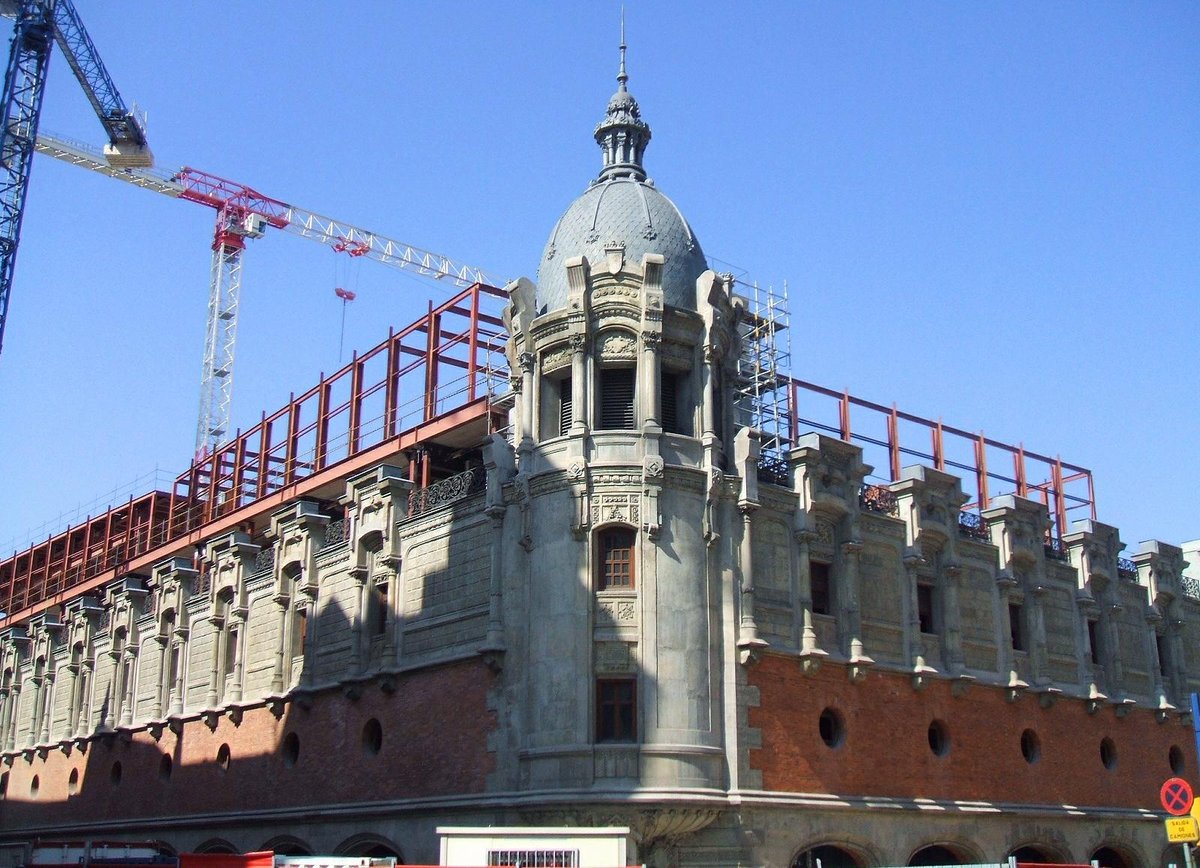
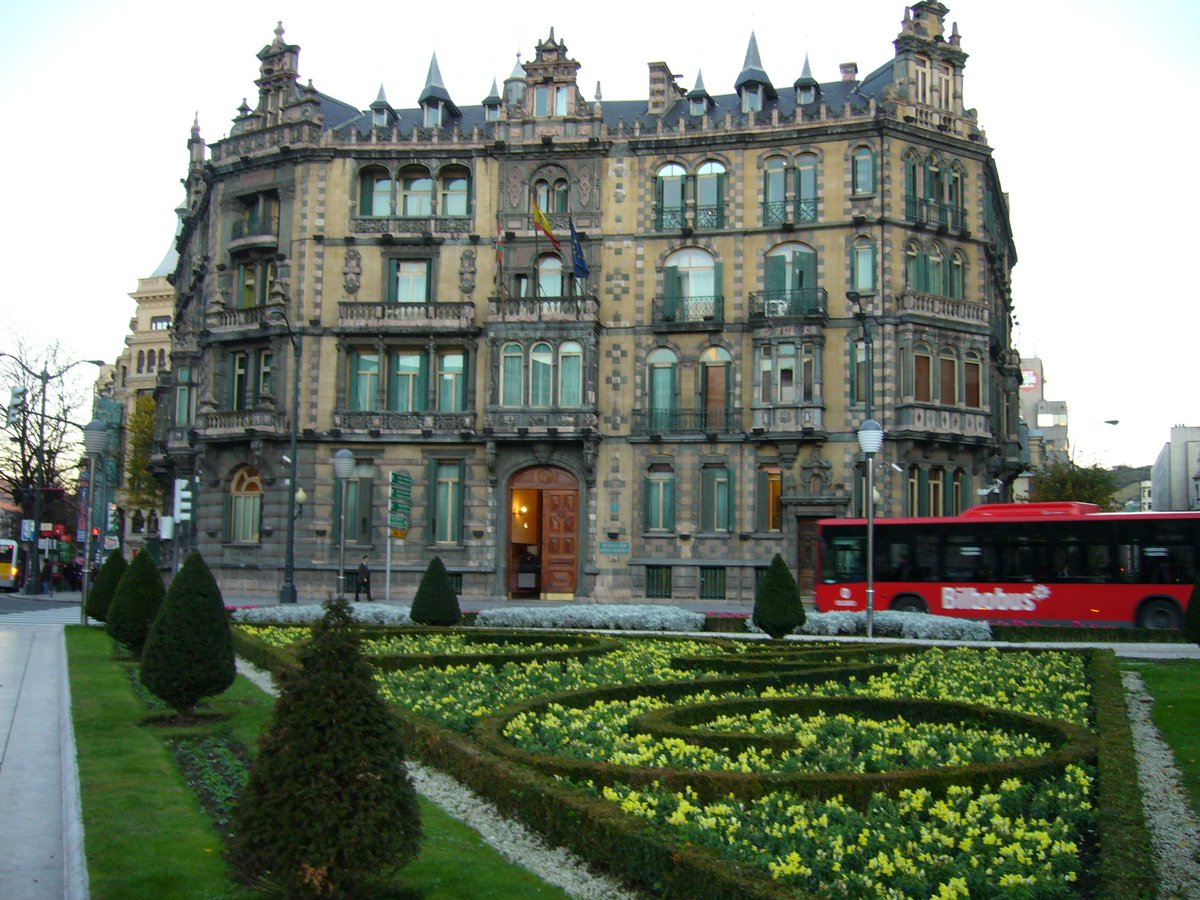
Casa Arróspide is a striking emblem of Bilbao’s architectural heritage and cultural evolution, nestled at the intersection of Simón Bolívar and Aureliano Valle streets in the vibrant Indautxu district. Built in the late 19th or early 20th century, this historic building offers visitors a glimpse into Bilbao’s transformation from an industrial hub to a cosmopolitan metropolis. With its ornate façade, wrought iron balconies, and rich decorative stonework, Casa Arróspide stands as a testament to the city’s period of economic prosperity and social change (es.wikipedia.org; visitbiscay.eus).
Today, Casa Arróspide serves as a model of adaptive reuse, housing private residences, offices, and a popular ground-floor tea house. It is a protected cultural asset and a living symbol of Bilbao’s commitment to integrating its historical legacy with contemporary urban life (spaincultures.com; historiasdebilbao.com). This comprehensive guide covers the building’s history, architecture, visitor information—such as visiting hours, ticketing, and accessibility—along with travel tips and nearby attractions, providing everything you need to plan a memorable visit.
Photo Gallery
Explore Casa Arróspide in Pictures
Origins and Early History
Casa Arróspide was originally constructed as a stately private residence for the influential Arróspide family during Bilbao’s economic boom in the late 19th and early 20th centuries. Indautxu, the neighborhood where it stands, was a favored area for the city’s elite, reflecting the wealth generated by iron mining, shipbuilding, and trade. The residence is emblematic of the era’s blend of Basque traditions and European architectural influences, showcasing the aspirations and tastes of Bilbao’s prosperous bourgeoisie (es.wikipedia.org).
Architectural Significance
The building embodies the eclecticism popular among Bilbao’s upper class during its industrial expansion. Its façade is distinguished by intricate stonework, large windows, and ornate iron balconies, reflecting a confluence of Basque regional motifs with neo-baroque and art nouveau trends. This architectural style is found throughout Bilbao’s grand villas and is especially prominent in neighborhoods like Indautxu and Getxo (visitbiscay.eus; spaincultures.com).
Key Features
- Stone and Stucco Masonry: Durable local materials impart a sense of place.
- Ornate Ironwork: Balconies and railings exhibit influences from French and Spanish Art Nouveau.
- Symmetrical Design: The main entrance is often framed by columns or pilasters.
- Decorative Reliefs: Intricate floral or geometric motifs above windows and cornices.
- Distinctive Roofline: Gables or mansard roofs with decorative cresting.
While public access to upper floors is restricted, the building’s exterior offers rich photographic opportunities, especially during morning or late afternoon light.
Role in Bilbao’s Urban and Social Development
Casa Arróspide’s location in Indautxu highlights its role in Bilbao’s urban expansion beyond the medieval core. The neighborhood’s broad avenues and elegant homes marked the city’s shift toward modernity. After serving as a private residence, Casa Arróspide was repurposed as the rectorate of the University of Bilbao, underlining its continued civic importance (historiasdebilbao.com).
Cultural and Heritage Status
Designated as a “Bien Cultural Calificado” (Qualified Cultural Asset) by the Basque Government in 1994, Casa Arróspide enjoys protected status to ensure its preservation. Its adaptive reuse—now housing residential units, offices, and a tea house—demonstrates Bilbao’s approach to blending heritage with modern living (es.wikipedia.org; spaincultures.com).
Visiting Casa Arróspide: Practical Information
Visiting Hours
The building’s ground-floor tea house (tetería) is open to the public, typically from 10:00 AM to 8:00 PM on weekdays, with extended hours on weekends. As Casa Arróspide is not a museum, access is limited to the tetería and exterior areas. Guided tours of the interior are rare and usually organized during special cultural events. Always check the tea house’s social media for the latest hours and event updates.
Tickets and Entry Fees
There are no entrance fees or tickets required to visit Casa Arróspide or the tetería, as the building is not a dedicated tourist attraction or museum.
Accessibility
The ground floor is generally accessible to visitors with limited mobility. However, due to the building’s historic structure, there may be minor barriers such as a small step at the entrance. Upper floors are private and not open to the public.
Guided Tours and Events
Guided tours are not offered on a regular basis, but may occasionally be available during city festivals or heritage days. The tetería often hosts cultural events, such as literary readings or music performances, enriching the visitor experience (Bilbao Turismo; adventureinyou.com).
Casa Arróspide in Bilbao’s Architectural Evolution
Casa Arróspide exemplifies how Bilbao’s historic residences laid the groundwork for the city’s global reputation as an architectural destination. Before the Guggenheim Museum’s arrival in 1997, buildings like Casa Arróspide showcased the city’s ambition to integrate tradition with modernity (archdaily.com). Its continued use and preservation reflect Bilbao’s commitment to sustainable urban regeneration (historiasdebilbao.com).
Notable Transformations and Current Use
Over time, Casa Arróspide has adapted to various functions—from private residence to academic rectorate, and now a mixed-use building with offices, residential apartments, and a vibrant tea house. This evolution highlights the resilience of Bilbao’s historic architecture and its relevance in contemporary city life (es.wikipedia.org).
FAQ: Your Questions About Casa Arróspide
What are Casa Arróspide’s visiting hours?
The tea house is generally open from 10:00 AM to 8:00 PM on weekdays, with extended hours on weekends. Check the tetería’s online channels for up-to-date information.
Is there an entry fee?
No, entry to the building’s public areas and tea house is free.
Are guided tours available?
Not regularly, but may be offered during special cultural events.
Is the building wheelchair accessible?
The ground floor is generally accessible, though there may be minor barriers. The upper floors are private.
What are the best photographic spots?
The building’s façade and the surrounding street corner are ideal for photography.
What attractions are nearby?
Nearby sites include Azkuna Zentroa cultural center, Gran Vía shopping avenue, Fine Arts Museum, Guggenheim Museum, and Casco Viejo.
Nearby Attractions and Travel Tips
- Azkuna Zentroa: A renowned cultural center within walking distance.
- Gran Vía: Bilbao’s main shopping avenue.
- Fine Arts Museum: Features a premier collection of Spanish and Basque art.
- Guggenheim Museum: The city’s iconic contemporary art museum.
- Casco Viejo: The historic old town district.
- Transport: The area is easily accessible by metro and bus. Parking is available nearby.
Travel Tip: Bilbao has a mild but rainy climate. An umbrella and comfortable shoes are recommended.
Listen to the full story in the app
Your Personal Curator, in Your Pocket.
Audio guides for 1,100+ cities across 96 countries. History, stories, and local insight — offline ready.
Audiala App
Available on iOS & Android
Join 50k+ Curators
Sources
- verified
- verified
- verified
- verified
- verified
- verified
- verified
- verified
- verified
Last reviewed: